Garage Doors on Cedar Hill Homes Built Before Insulation Rules
Cedar Hill's housing stock mostly dates to the 1980s and 90s, before insulation codes touched garage doors. Here's what that means for repair versus replacement.
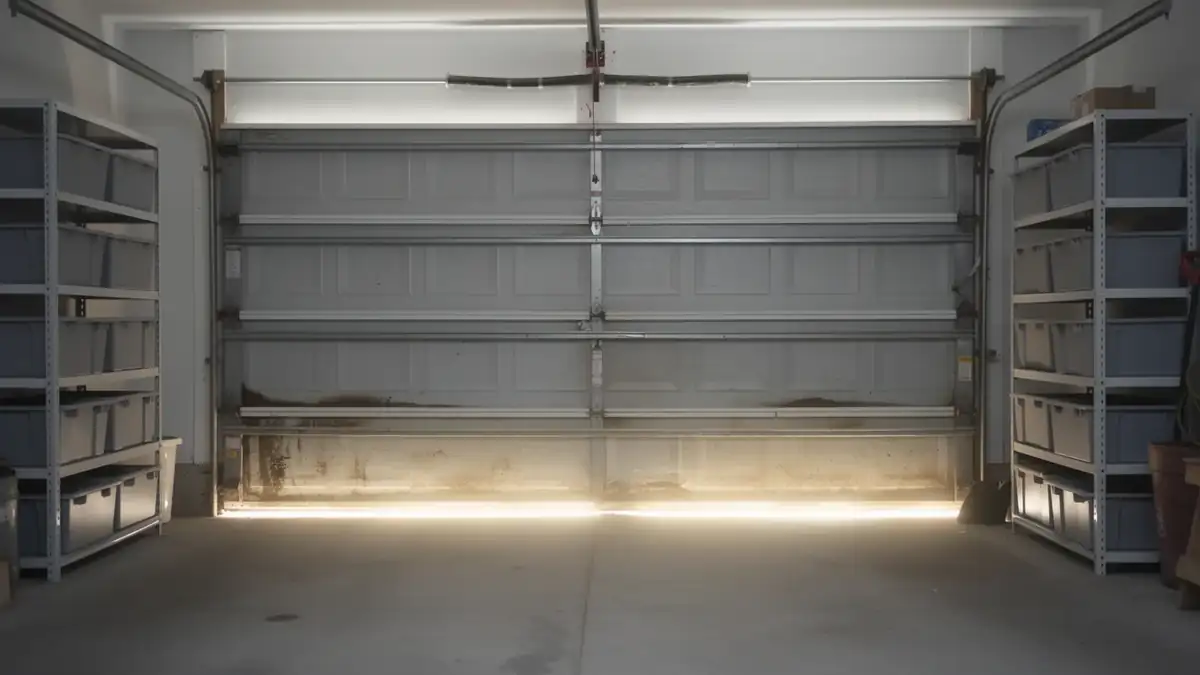
If your door is a single flat steel or wood-panel slab with no foam core, it was almost certainly installed before anyone wrote insulation requirements into the code that applies to garages. That describes a lot of what we see on service calls in this area, since most of the housing stock here went up between 1969 and 2014, with the bulk of it dating to the 1980s and 90s. On those doors, the signs to watch are different from what you'd expect on a newer insulated panel: a hollow drum sound when wind hits it, visible flex in the middle of the door when it's down, condensation beading on the inside face, or a door that feels noticeably heavier to lift by hand once the opener is disconnected. None of those mean the door is failing structurally. They mean it was built to a standard that didn't ask much of it thermally. Call someone out when the door starts binding in the track, when a panel has started to bow, or when the weatherstrip at the bottom has worn through and daylight shows at the edges. Those are mechanical and sealing issues, not insulation issues, and they're worth fixing regardless of what decade the door came from.
The Seasonal Bit
This part of Texas sits in a moderate heat band rather than the most extreme end of the state's climate range, so the problem with an uninsulated door isn't scorching heat alone. It's the combination of an uninsulated steel or wood slab and a garage that's attached to the house, which lets heat move through that door into the rooms next to it for most of the day. On a door built in the 1980s or 90s, before insulation was part of the spec, that transfer is unchecked. You'll notice it most in a room that shares a wall with the garage staying warmer than the rest of the house even with the AC running. It's not dramatic, and it's not the kind of thing that breaks a door. It's a steady, low-grade inefficiency that's baked into how these doors were originally built, not a defect that showed up later. Retrofitting a foam insulation kit onto an old panel helps some, but it doesn't match what a door built with an insulated core does from the start, and on a door that's already warped or racked, it's not worth the labor.
The Situation
Across the 16 named areas that make up this service territory, the pattern repeats: housing built mostly in the 1980s and 90s, with the overall range running from 1969 to 2014 and a median year of 1991. That means the typical garage door out here predates insulation being a standard part of a garage door's construction, not because anyone cut corners, but because the code simply didn't ask for it yet. With 36,958 owner-occupied houses among 60,496 households in the area, this isn't a small pocket of old doors, it's the baseline. At a median household income of $77,161, replacing an old door with an insulated model is a realistic option for a lot of owners here, not just a repair deferred indefinitely. That matters because the honest answer, once a door from that era starts failing in more than one place at once, panel warp plus worn rollers plus a spring near the end of its cycle count, is usually that replacement with an insulated door costs less over time than chasing repairs on a slab that was never built with insulation in mind.
How Local Conditions Play In
Cedar Hill sits closer to Ovilla and Glenn Heights than to most of the bigger cities nearby, and the building-stock pattern here matches what you'd find across the other named areas in this service territory, from Oak Leaf and Midlothian out to Ferris and Alvarado. That's useful context: this isn't a one-neighborhood issue, it's a function of when this whole corridor was built out. Combine that 1980s-90s construction window with a moderate heat climate band and you get a specific, recurring job: doors that were never insulated, now sitting in garages that get warm enough, day after day, to make the lack of insulation noticeable inside the house. We don't treat every old door as a replacement candidate. A sound door with good hardware and a tight seal can run for years with nothing more than a new bottom seal and some lubrication. But when the panel itself is the problem, because it was built to a standard that didn't include thermal performance, no amount of weatherstripping fixes that. That's the point where insulated replacement makes more sense than another repair visit.
How it works
From “it’s stuck” to “it’s fixed”
1
Tell us what’s wrong
Describe the symptom - won’t open, loud bang, opener runs but the door won’t move.
2
On-site diagnosis
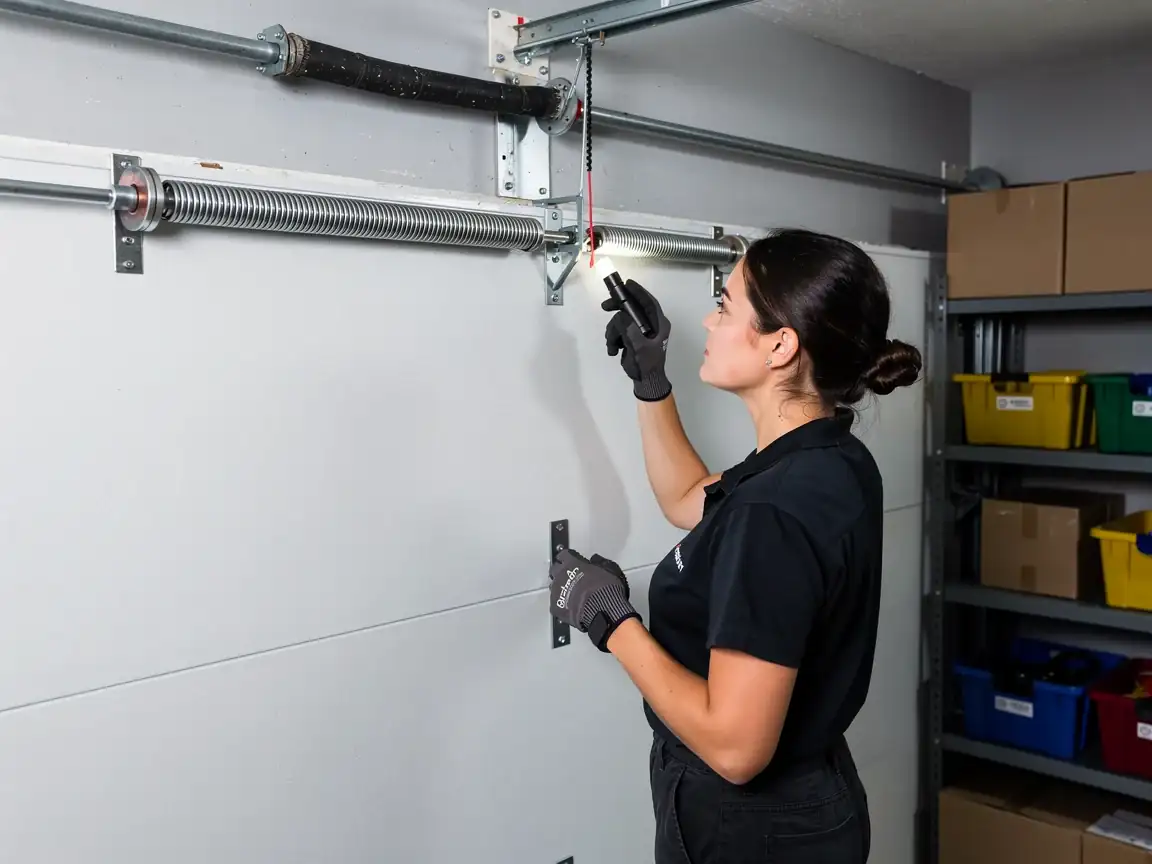
A technician tests the door under power and by hand and finds what actually failed.
3
Clear, up-front plan
You get the fix that’s needed and what drives the cost - before any work starts.
4
Repaired & tested
The repair is done, the door is set true and tested, and the work area left clean.
Not sure which repair your door needs in Cedar Hill, TX? Describe what it’s doing - every job starts with a diagnosis.
Knock on it. A hollow, tinny sound usually means a single steel skin with no foam core, common on doors from the 1980s and 90s before insulation was standard. An insulated door sounds duller and feels heavier for its size. You can also check the inside face for exposed ribbing versus a smooth foam-backed panel.
Is it worth insulating an old garage door instead of replacing it?
Sometimes, if the panel is flat and the hardware is sound. A retrofit foam kit cuts down on heat transfer but doesn't match a door built with an insulated core from the start. If the door is already warped, racked, or the seals are shot, the kit is money spent on a door that needs replacing anyway.
Why does the room next to my garage stay warm even with the AC on?
On an older, uninsulated door, heat moves through that panel into the attached garage and from there into the shared wall most of the day. It's a steady effect rather than a dramatic one, and it's common in this area's housing stock, which mostly dates to the 1980s and 90s, before insulation was part of the standard build.
My door is from the 90s and still works fine. Should I worry?
No. Age alone isn't a reason to replace a door that's tracking straight, sealing well, and running quiet. The insulation question only matters if you're also seeing other wear, panel flex, a worn bottom seal, or rising energy bills tied to that wall. Fix what's actually failing before you consider a full replacement.
Ready to get your garage door sorted?
Tell us what it’s doing and where you are in Cedar Hill - we’ll take it from there.