What Causes It Around Here
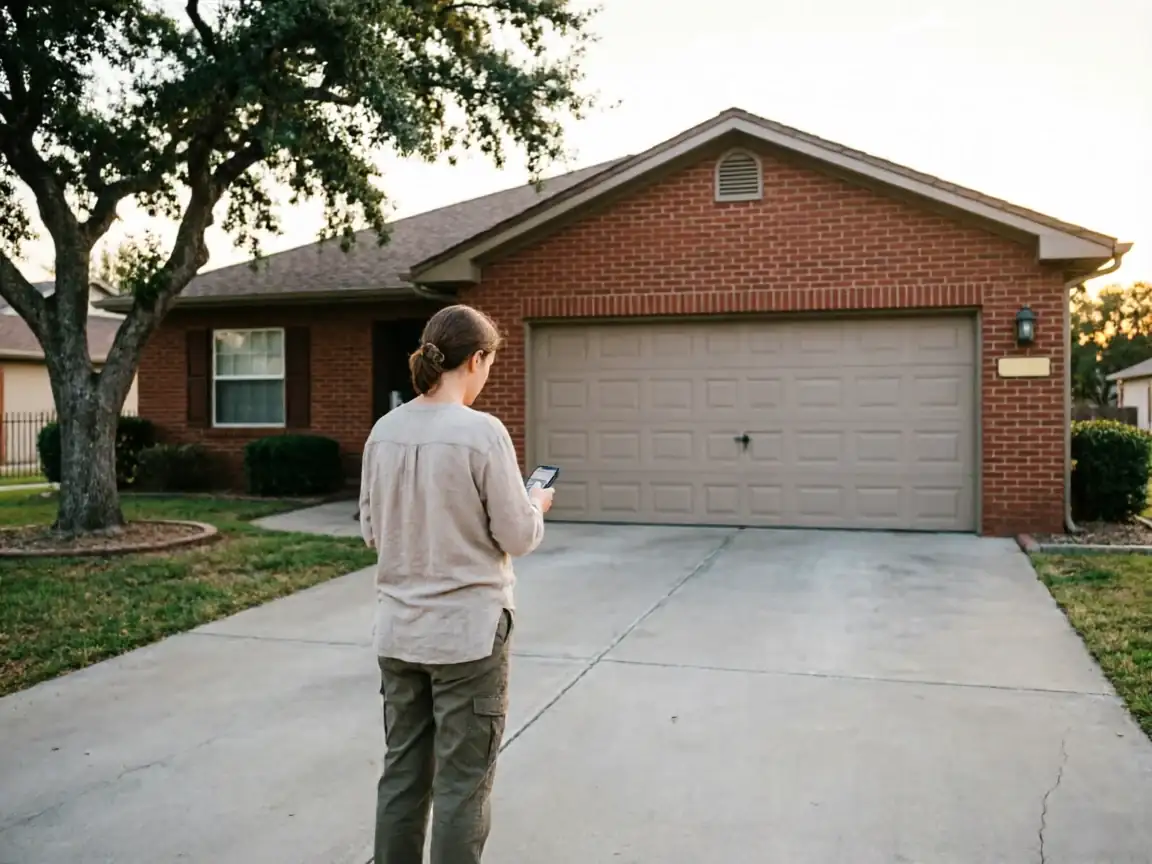
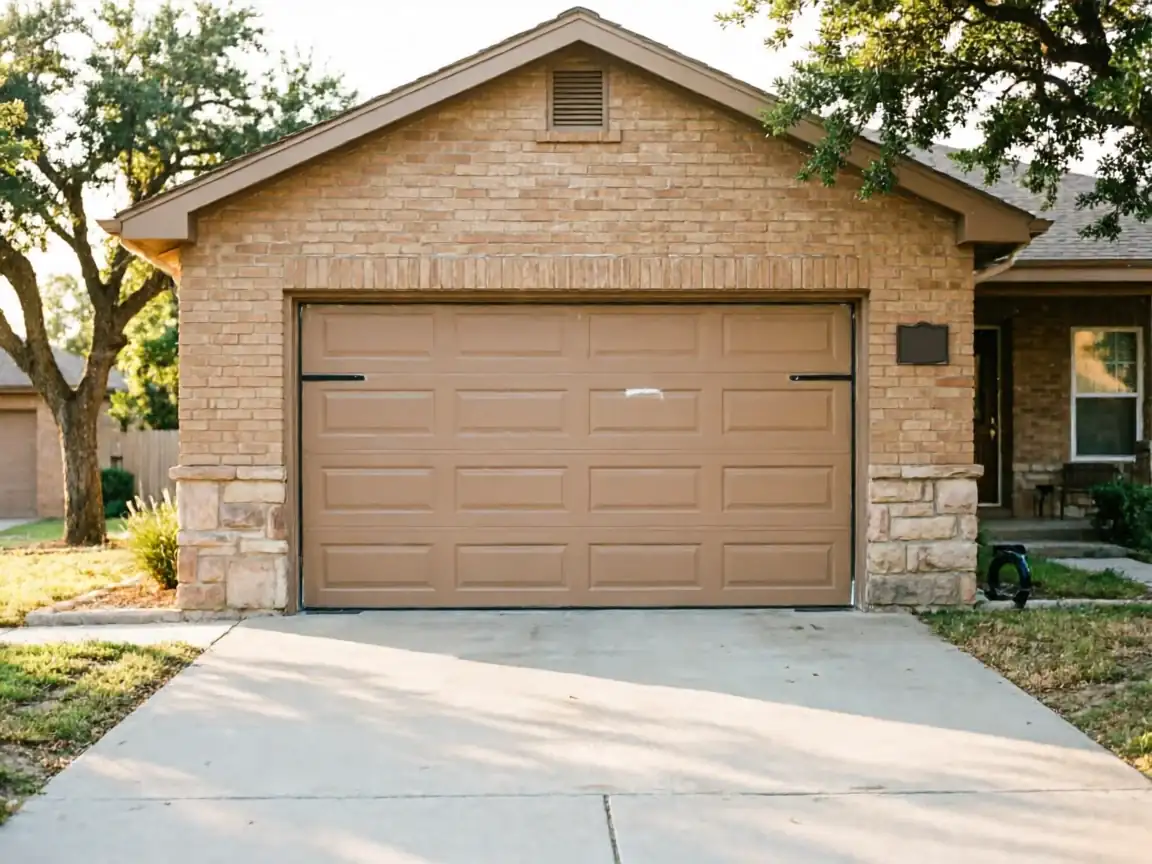
Most of the houses we work on in Cedar Hill went up somewhere between 1969 and 2014
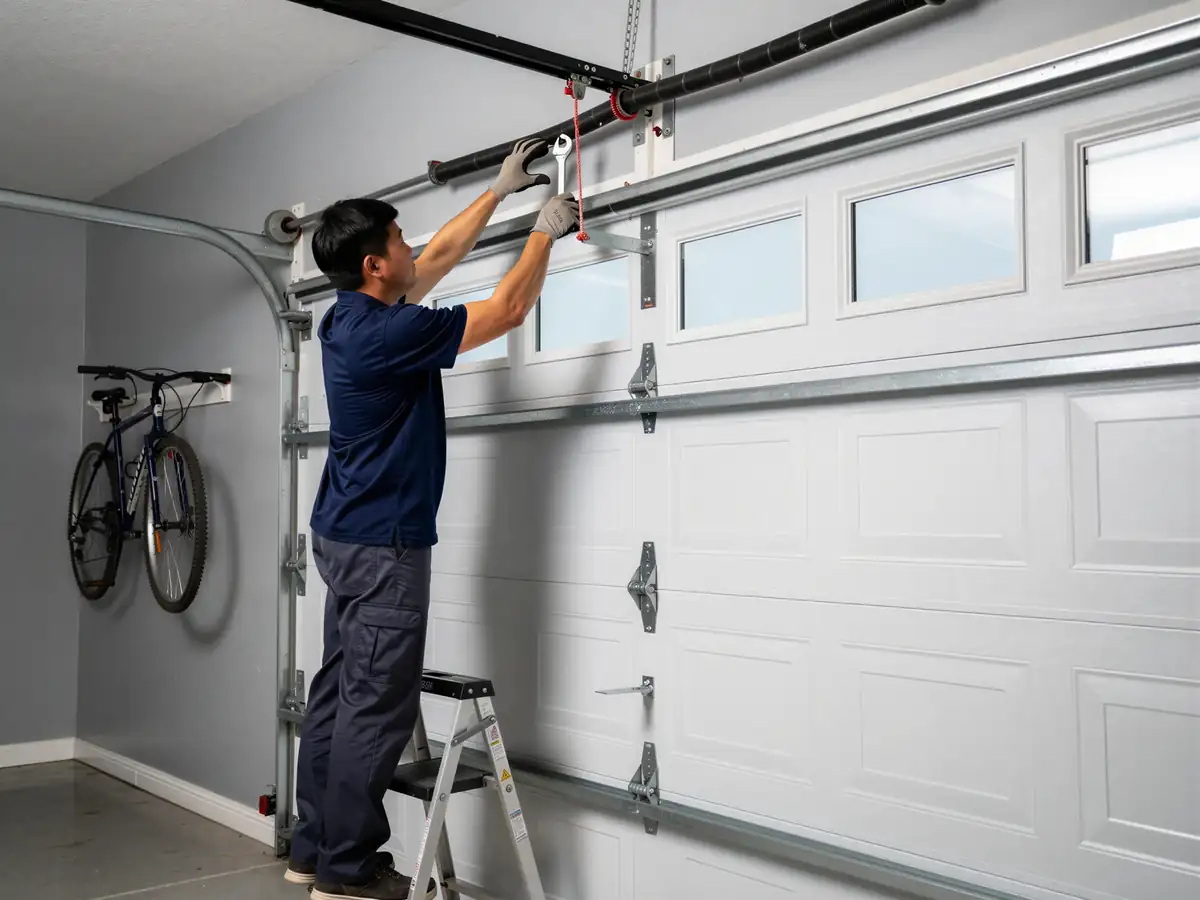
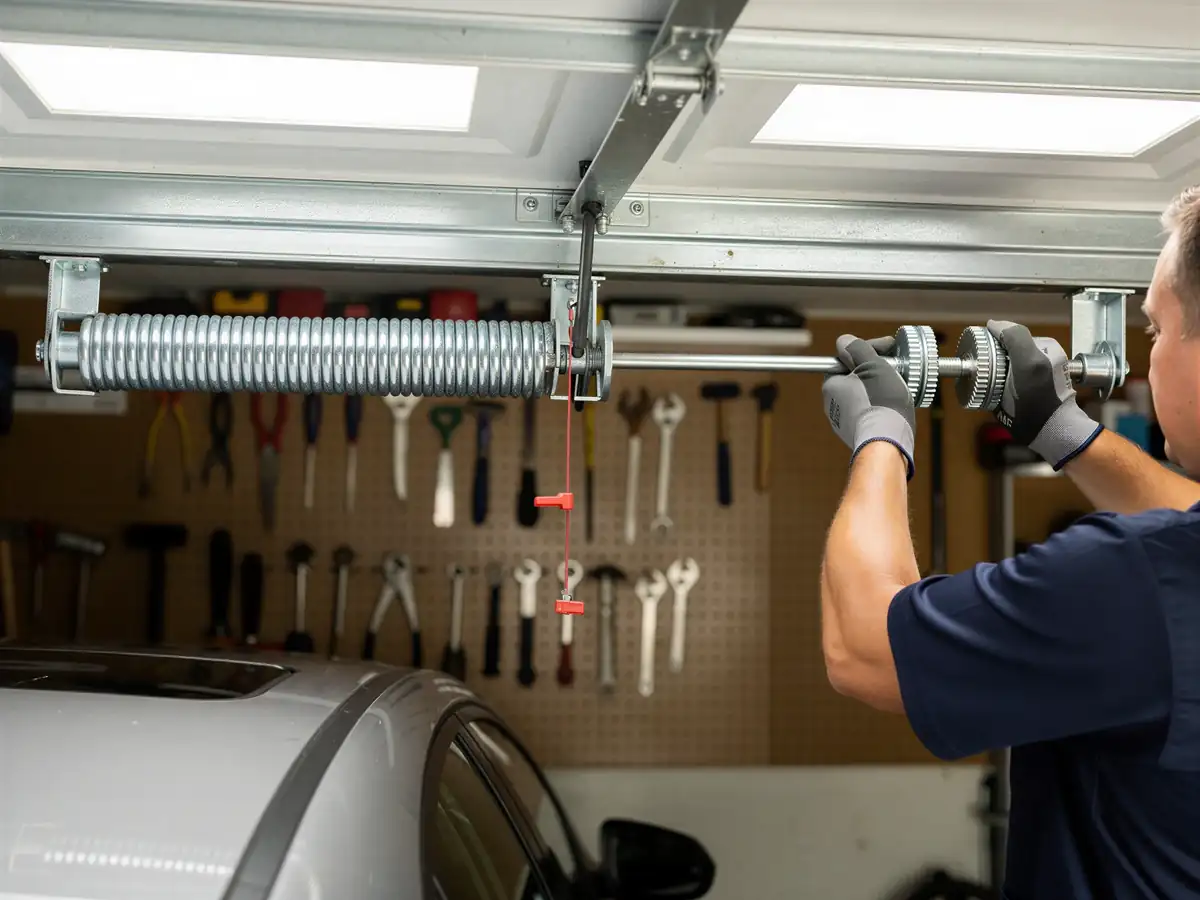
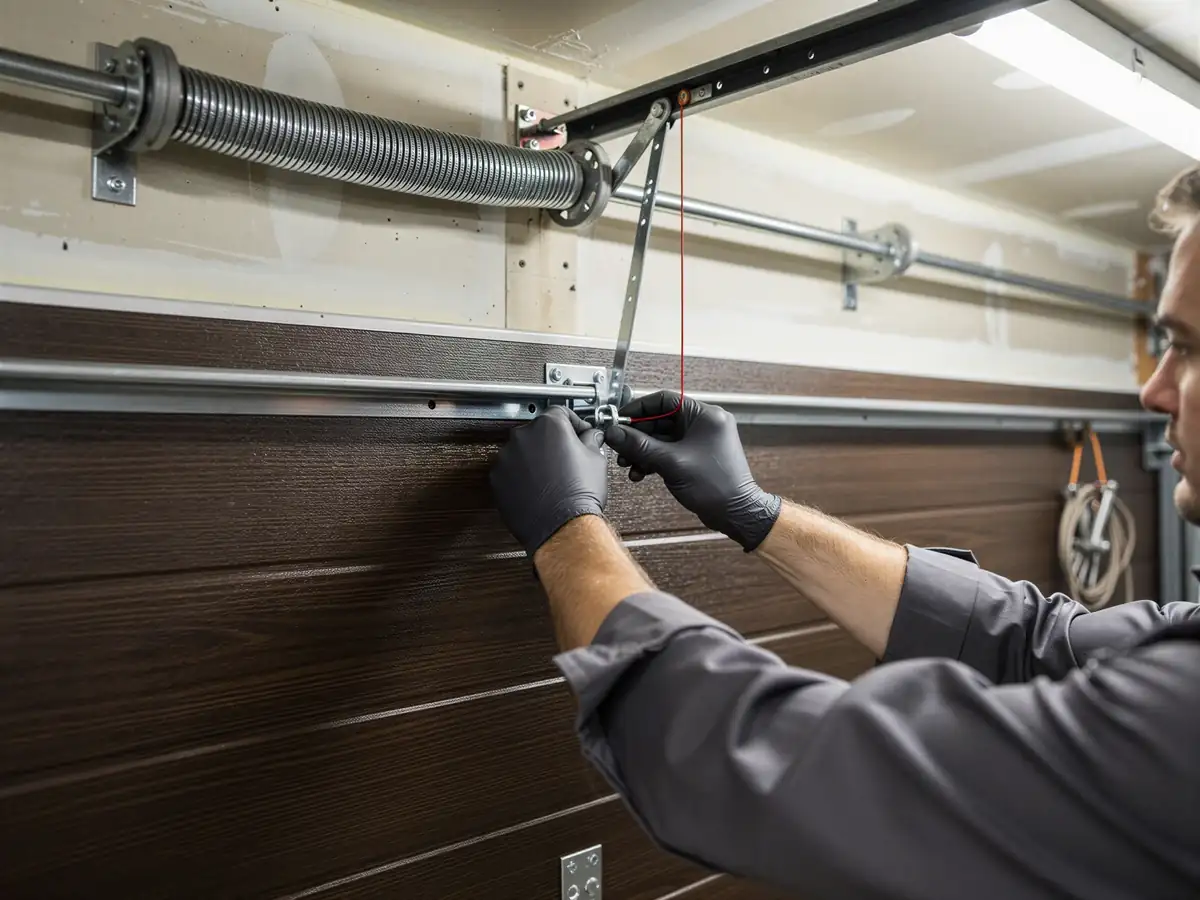
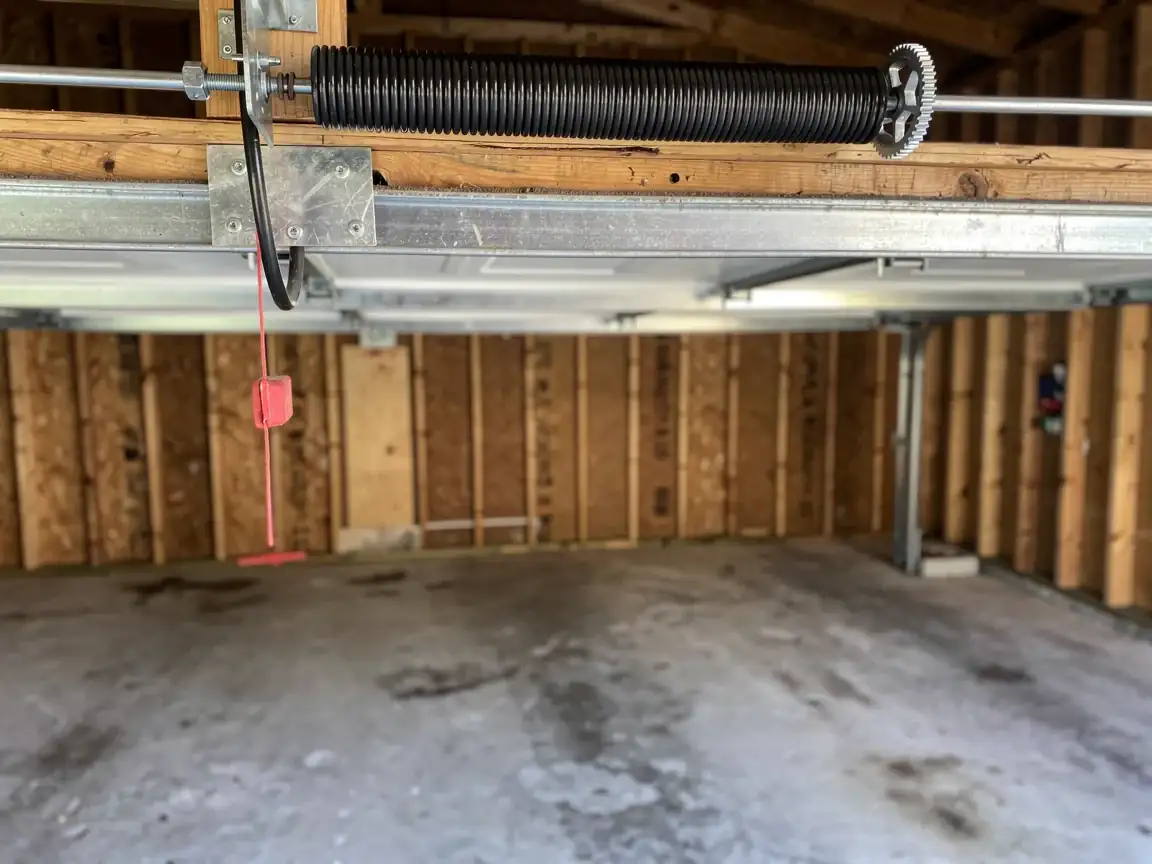
With the bulk of that stock dating to the 1980s and 90s across the area's sixteen named sections of town. That matters more than people think. A door and opener installed when a subdivision was built is now 25 to 45 years old, and the torsion springs, nylon rollers, and lift cables from that era are well past their rated cycle count even if nobody's touched them.
- 45 years
Add the climate band here
Which federal data classes as moderate heat, and you get a second wear pattern on top of the first: grease on the torsion bar and hinges breaks down faster in summer heat, metal brackets expand and contract across the season, and bolts that were snug in January work loose by August. In a newer subdivision built on current code, you'd see less of this because the hardware simply hasn't logged the cycles yet. In Cedar Hill, with so much of the housing dating to that 1980s-90s stretch, the spring and roller failures we get called for are mostly age plus heat cycling, not one dramatic event.
The Symptom
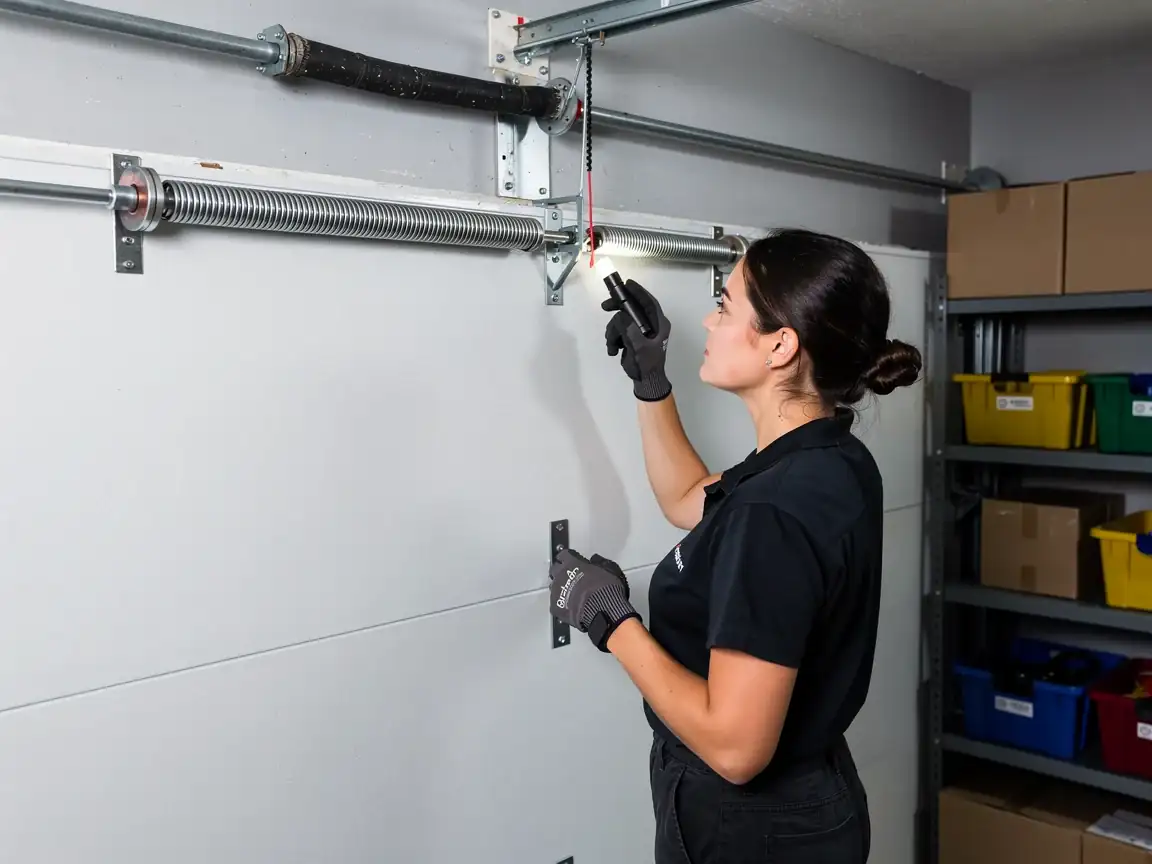
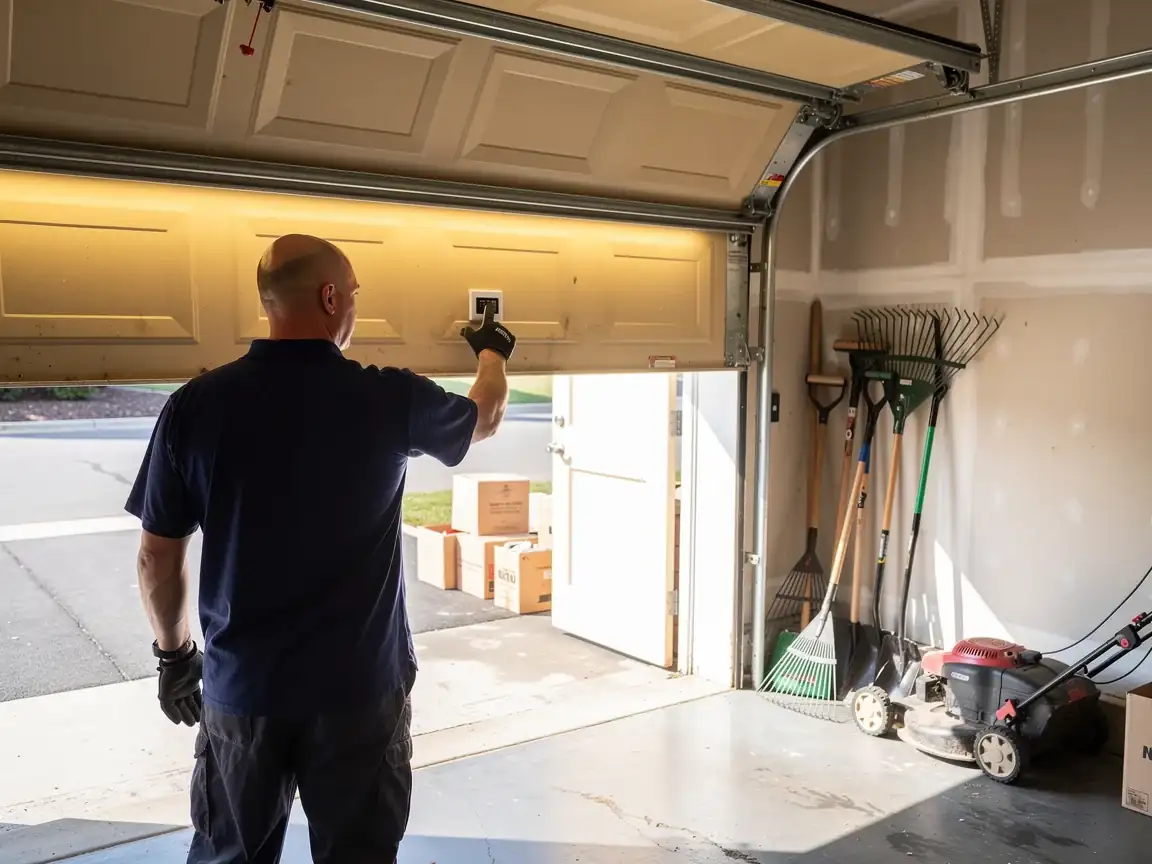
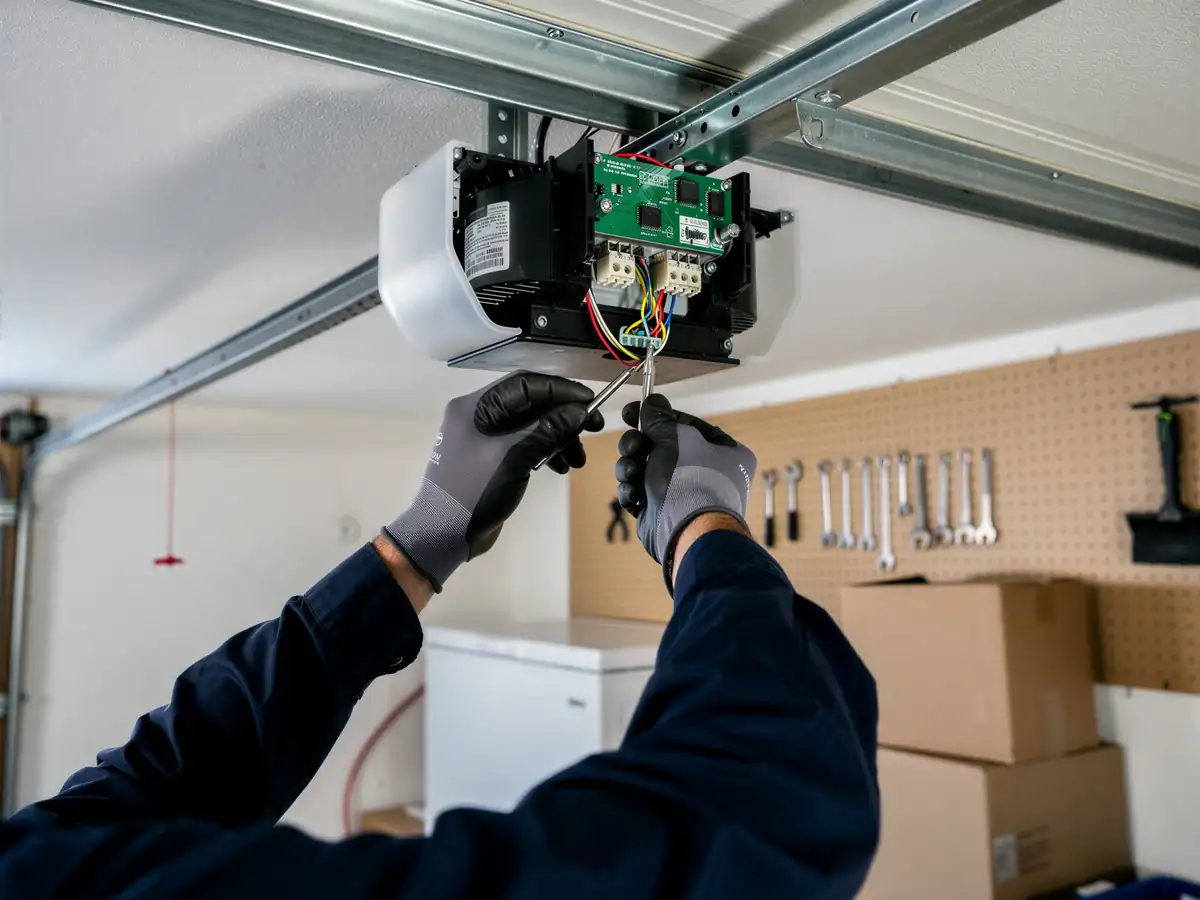
The most common call we get isn't a door that won't open at all - it's one that hesitates, jerks, or reverses partway up. If your door shudders near the top of its travel, or the opener strains and clicks off before the door fully closes, that's usually a torsion spring that's lost tension doing more of the lift work than it should.
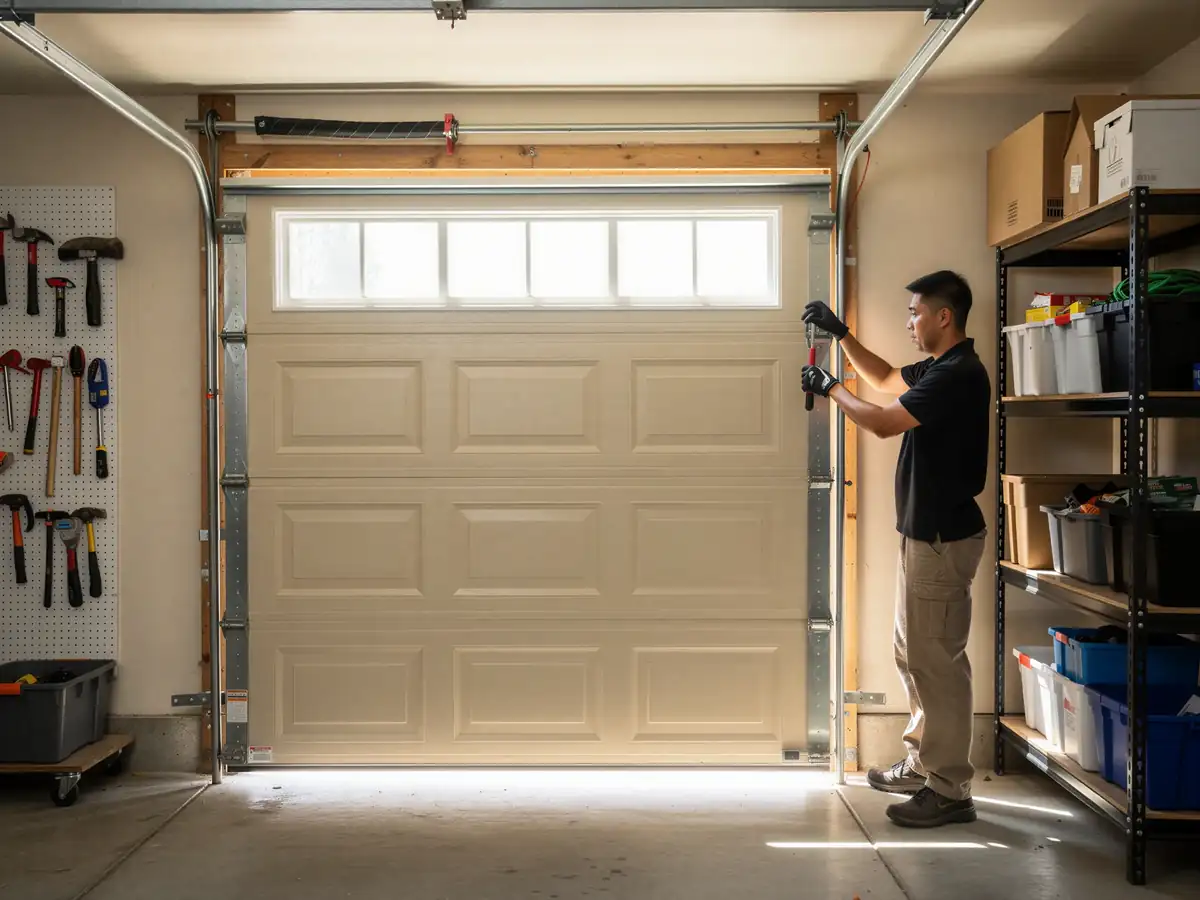
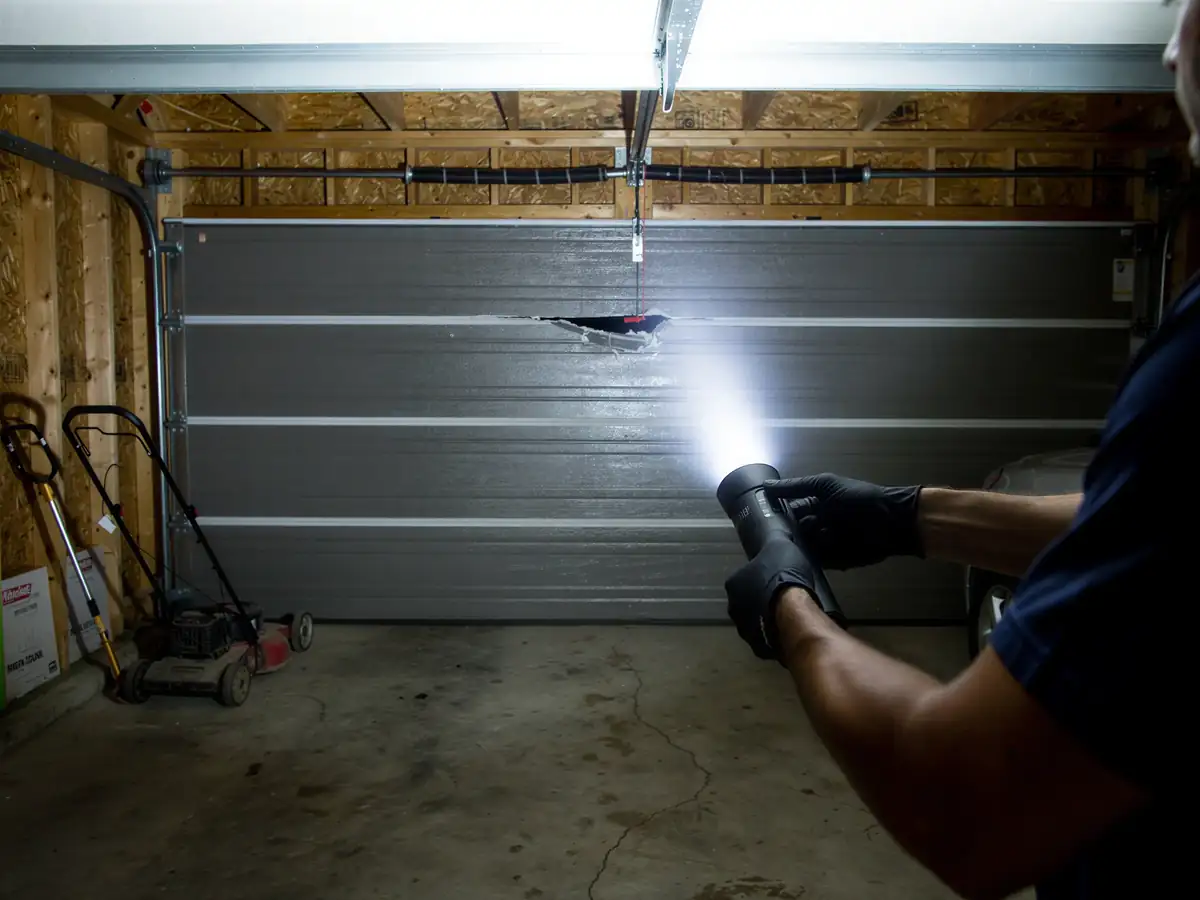
Grinding or a dull thud on the way down often points to rollers that have hardened and flattened - again, consistent with hardware from the 1980s-90s stock that's been cycling through Texas summers for decades. A door that drifts to one side as it closes usually means one cable or spring is wearing faster than its pair, which happens when one side gets slightly more sun or heat exposure than the other.
None of these symptoms mean the door is unsafe to touch, but a spring under tension is not something to loosen or adjust yourself. If the door won't stay up on its own when disconnected from the opener, that's your clearest sign the spring has already failed or is close to it.
Booking a Visit
If you're hearing any of the symptoms above, the fastest way to get a look scheduled is through our site at /. Tell us what the door is doing - where it hesitates, what noise it makes, whether it's the spring side or the track side acting up - and we'll have a better idea of what to bring on the truck before we show up.
We work across Cedar Hill and the surrounding area, including out toward Ovilla, Glenn Heights, Oak Leaf, and Midlothian. If you're further out past that, give us a call and we'll tell you honestly whether it makes sense for us to come out.
What You Pay
We don't post a flat number for spring or roller repair here
Because what you pay depends on the door size, the hardware that's actually failed, and whether it's a single spring on a smaller door or a matched pair on a double. What we can tell you is that in a market where median household income runs around $77,161 and roughly 37,000 of the area's 60,000-plus households own their homes, most of what we quote is repair work on existing doors rather than full replacement - because for houses in that 1980s-90s range, the opener and track are usually still sound even when the spring isn't.
- $77,161 median household income
We'll give you the number before we start the job, not after
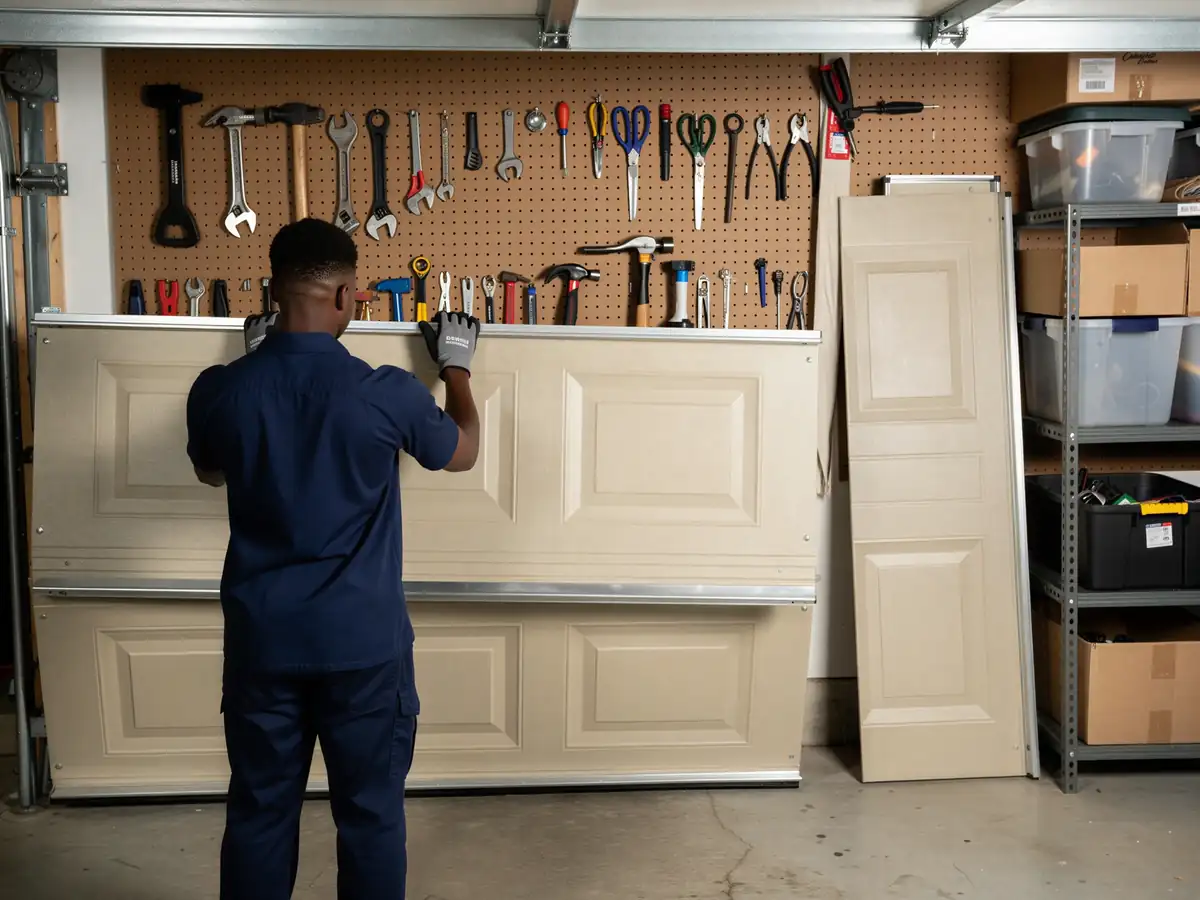
One honest limit: if your door's structural panels are the original ones from a 1970s build and they've started to rust or delaminate, repair stops making sense at some point and we'll tell you that straight instead of patching it.