When to Get Help
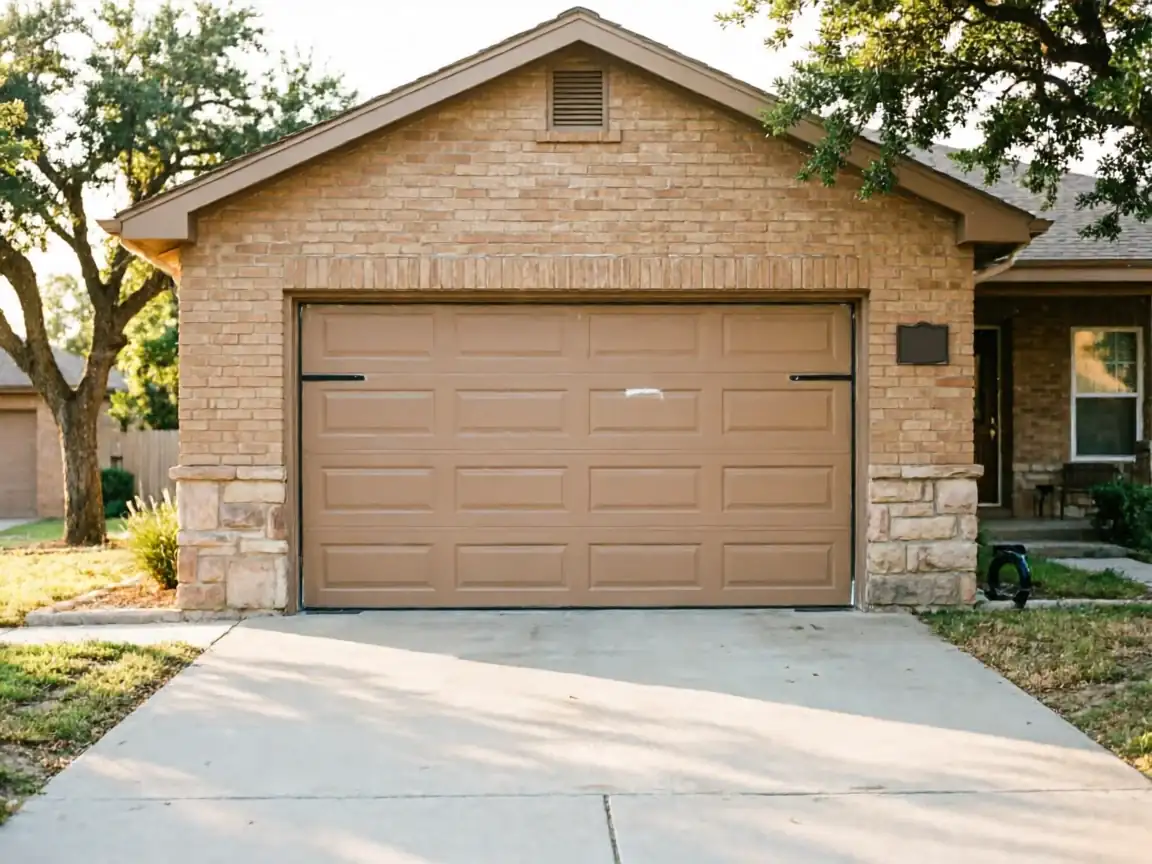
Most houses in Cedar Hill's service area went up between 1969 and 2014
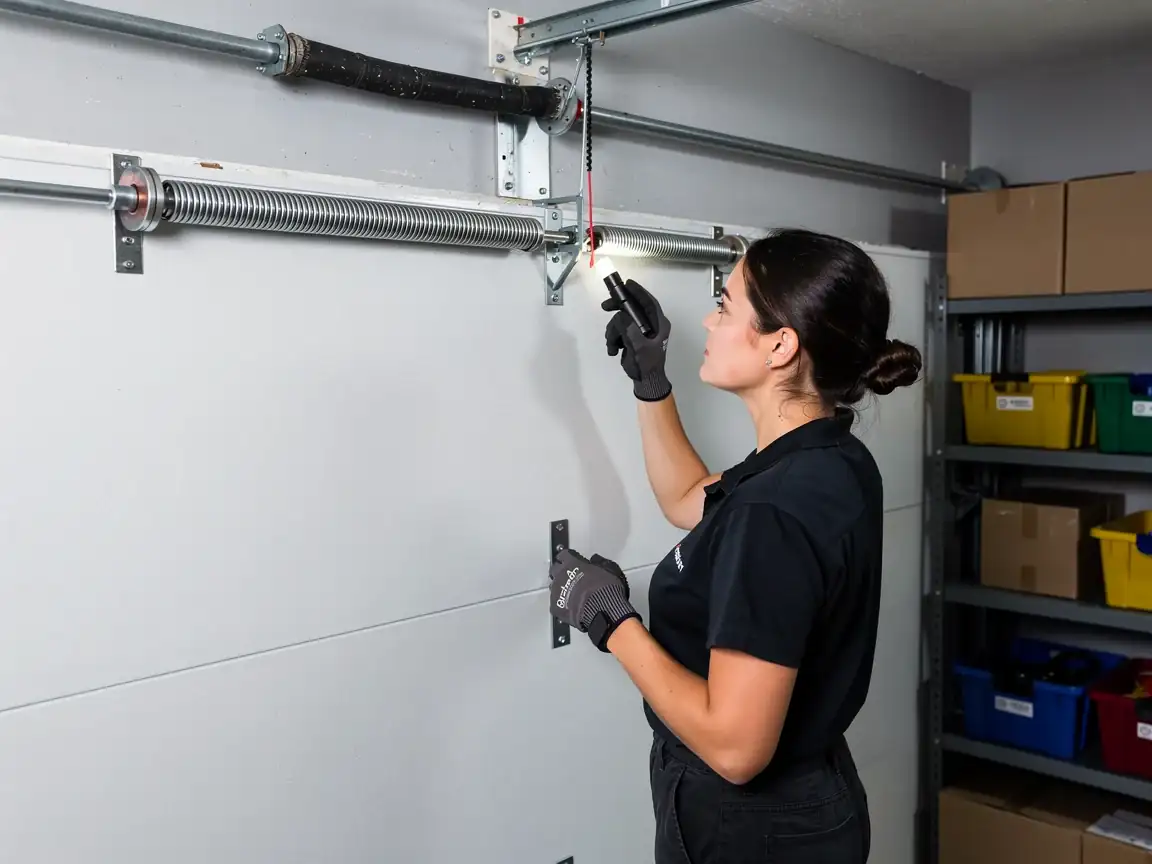
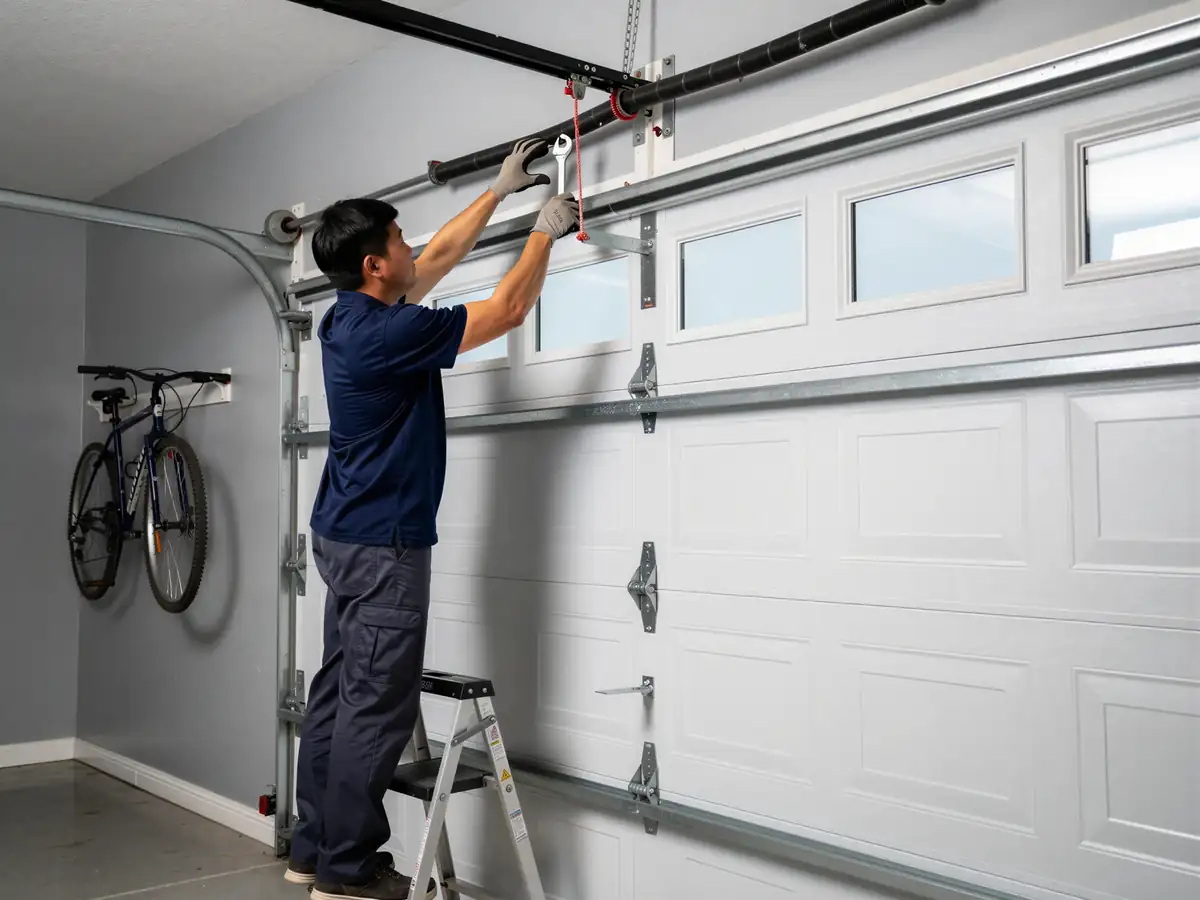
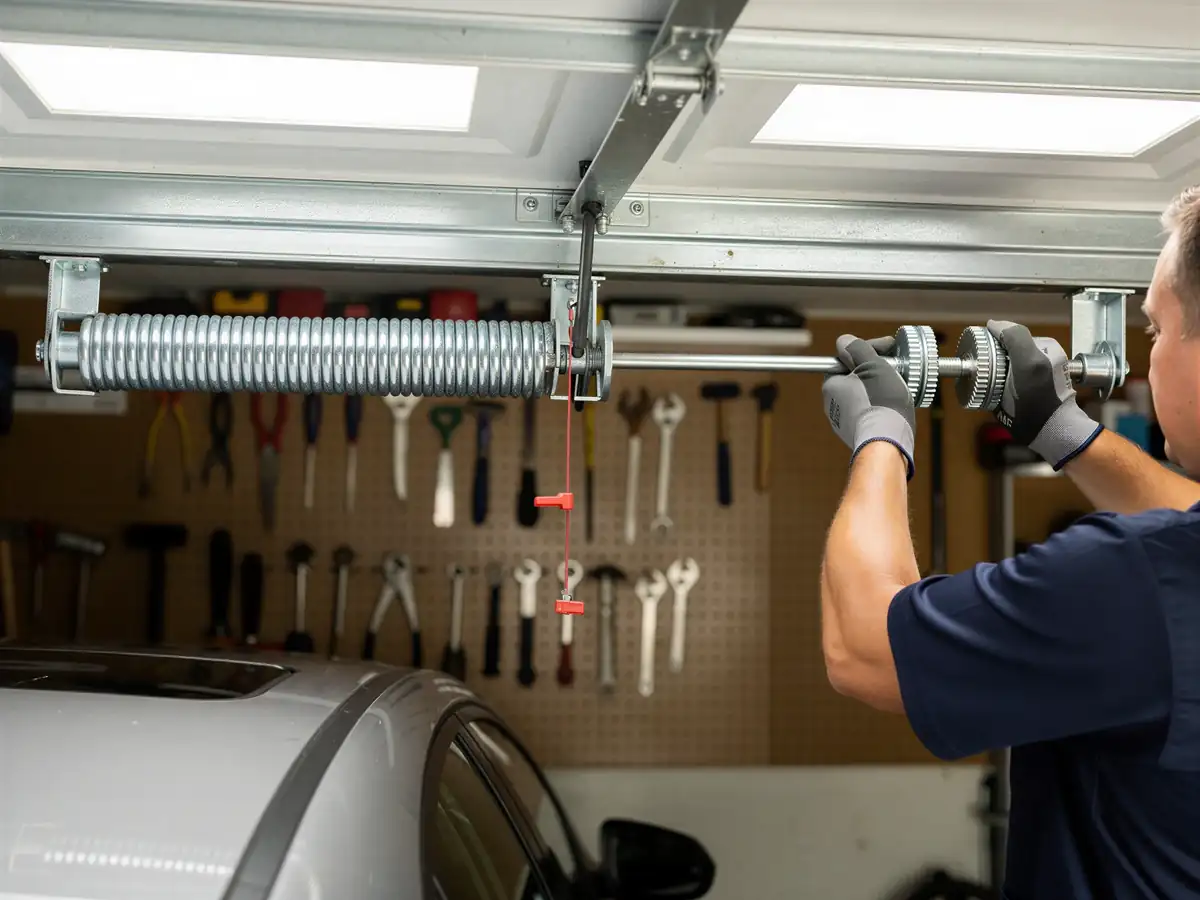
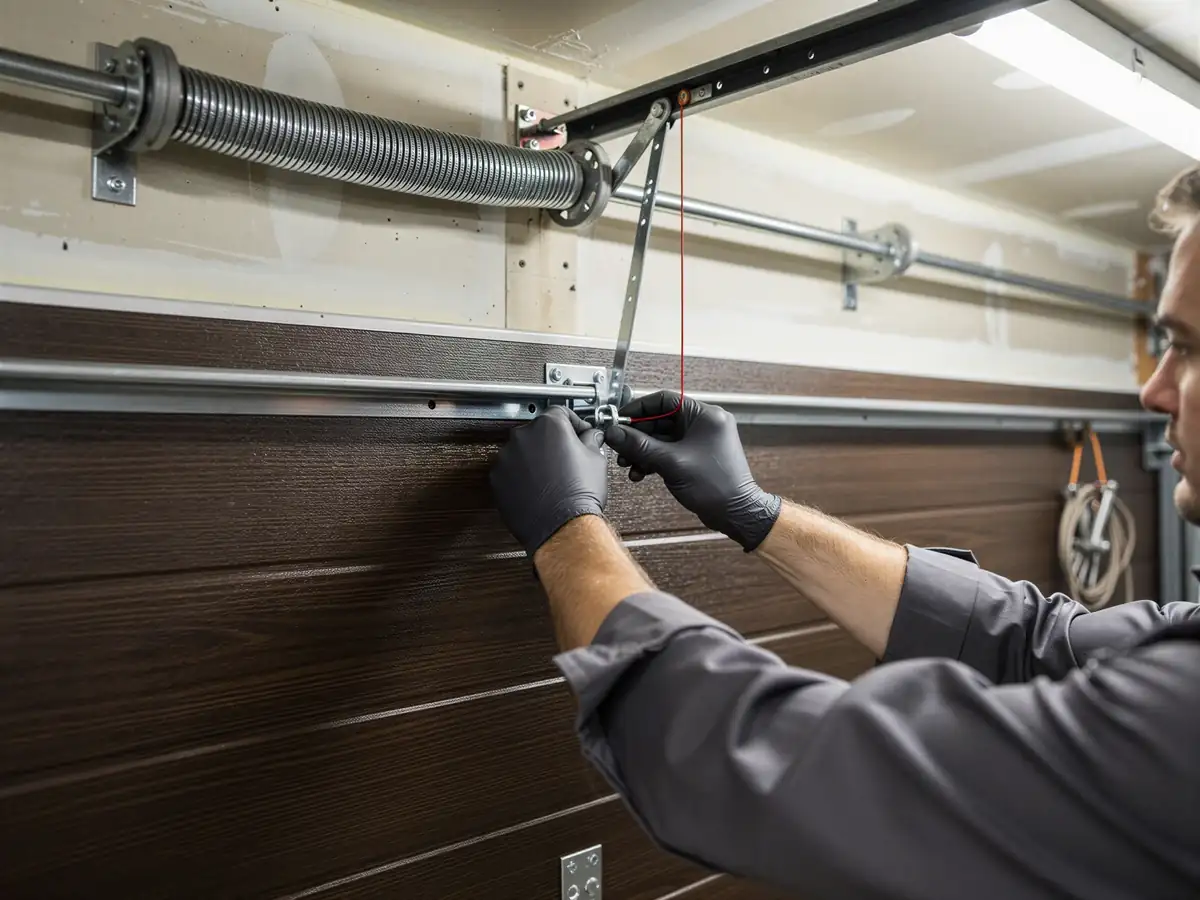
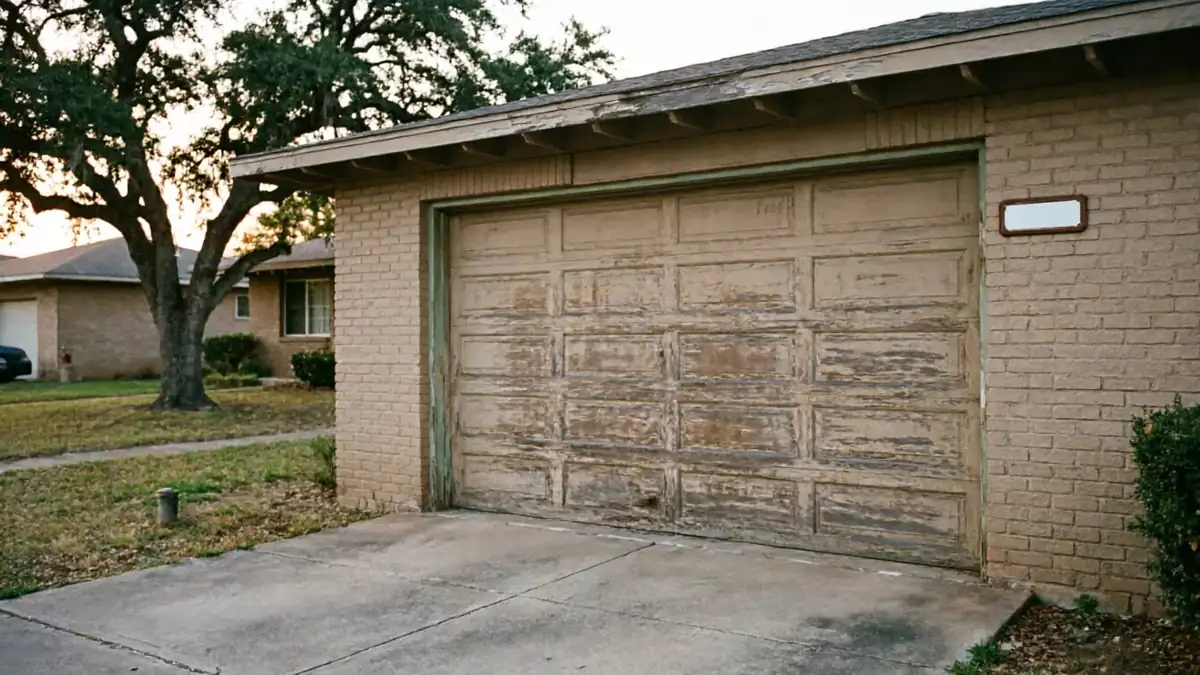
With the median build year landing in 1991. That matters because a door installed when the house was built is now anywhere from ten to over fifty years old, and the hardware tells you a lot before you ever call anyone. A torsion spring that's original to a 1991-built house is well past its cycle life - most springs are rated for somewhere around 10,000 cycles, and a daily-use door hits that in a decade or so. If the door is slow to rise, sags on one side, or the opener strains and reverses, that's wear talking, not a one-time glitch.
Call sooner rather than later if you hear a loud bang (that's usually a spring letting go), if a cable looks frayed, or if the door drops faster than it should when you release it by hand
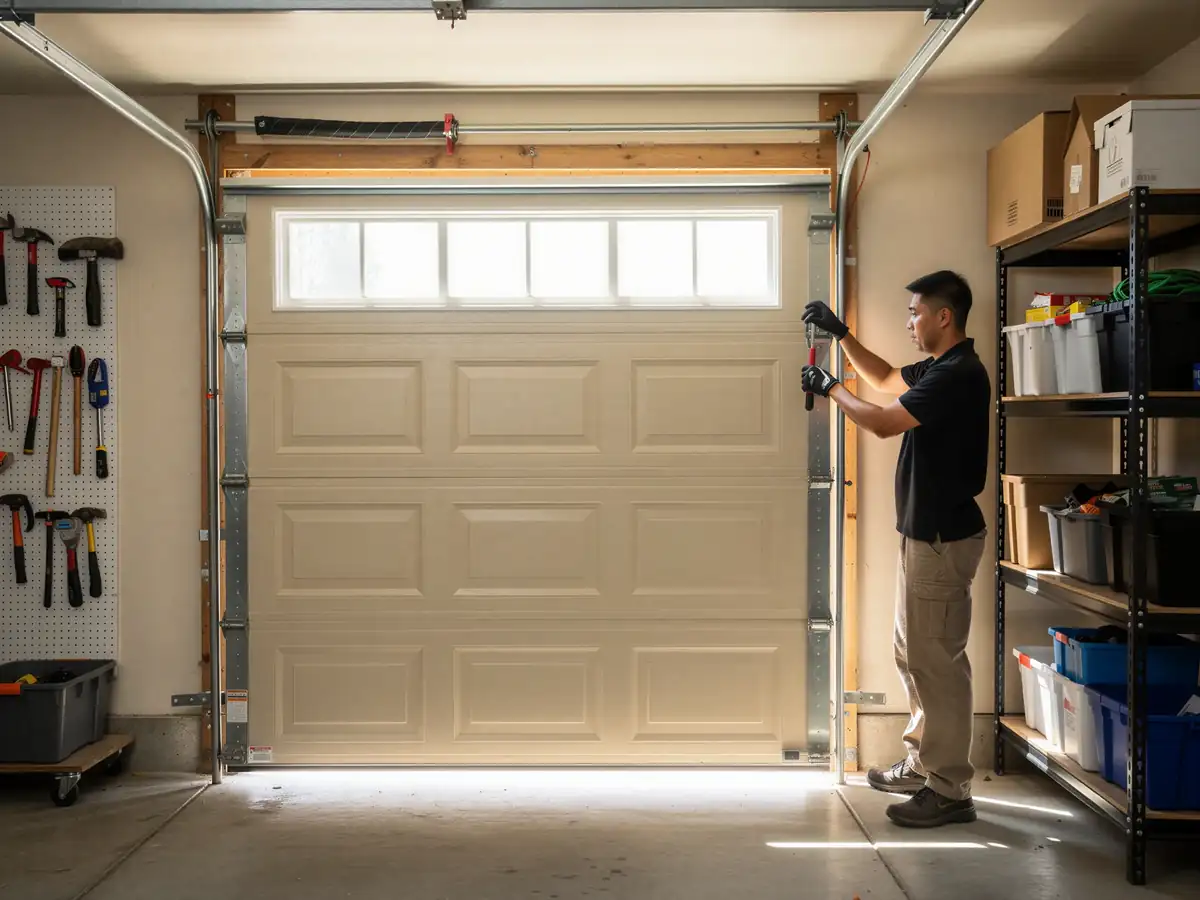
Those aren't maintenance items - they're safety issues, and an older door with original hardware is exactly where they show up first. We won't tell you every noise means replacement. Plenty of doors from that build era are solid steel or wood-composite construction that's worth keeping; it's usually the springs, cables, and rollers that have aged out, not the door itself.
The Seasonal Bit
Cedar Hill sits in a moderate heat climate band, which is a mixed blessing for garage doors. We don't get the deep freeze-thaw cycles that crack steel seams in colder regions, but sustained summer heat still does work on an older door. Weatherstripping on a door from the 1980s or 90s is usually original rubber by now, and rubber that's baked through twenty-plus summers goes brittle and stops sealing. That lets heat into the garage, which matters if you've got a freezer, workbench, or anything temperature-sensitive out there.
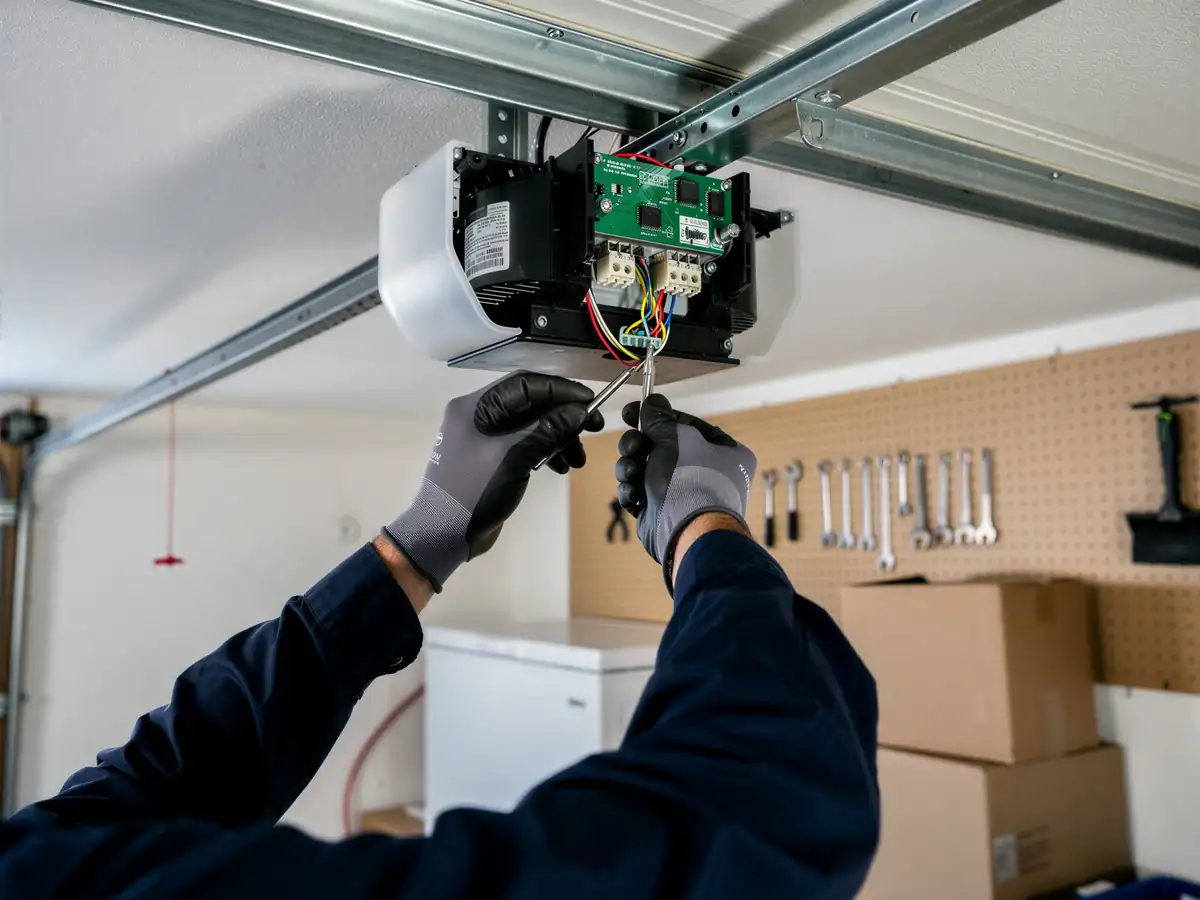
Heat also affects the opener. Older chain-drive units with aging logic boards can get erratic when the garage holds heat for hours - you'll see a door that works fine in the morning and hesitates by late afternoon. It's not dramatic enough to call an emergency, but it is the kind of seasonal wear that tells you the opener, not the door panel, is the next thing to go. A moderate climate means you're not fighting ice, but you are fighting slow degradation of rubber and electronics that nobody notices until it fails.
The Situation
Across the service area there are 60,496 households, and 36,958 of those are owner-occupied houses - the group this whole repair-versus-replace question applies to. With median household income here at $77,161, a lot of owners can justify a full opener swap instead of nursing a fifteen-year-old chain drive, or replacing a door that's taken enough hail dents to be more patch than panel. That's a real option here in a way it isn't everywhere; the income to simply replace rather than keep repairing a door past its useful life is on the table for a good share of these households.
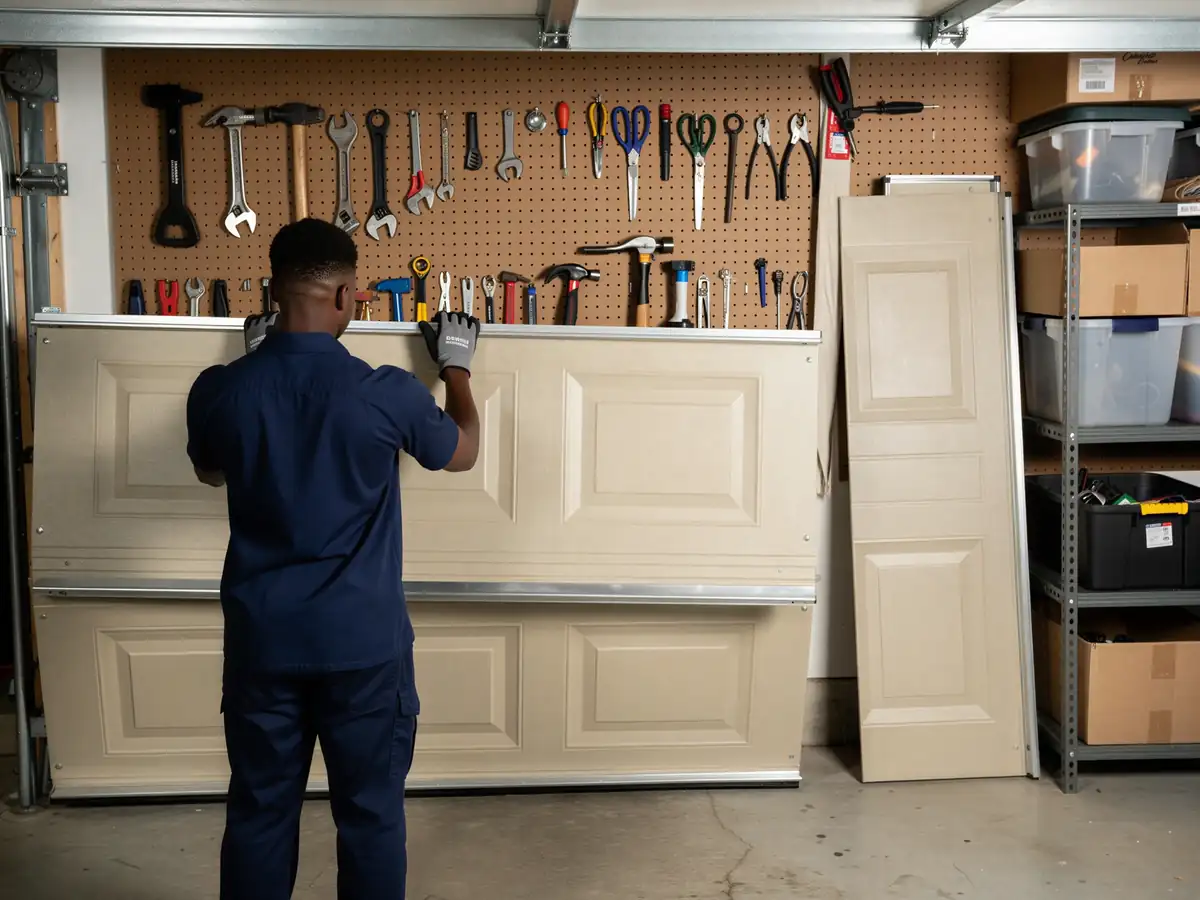
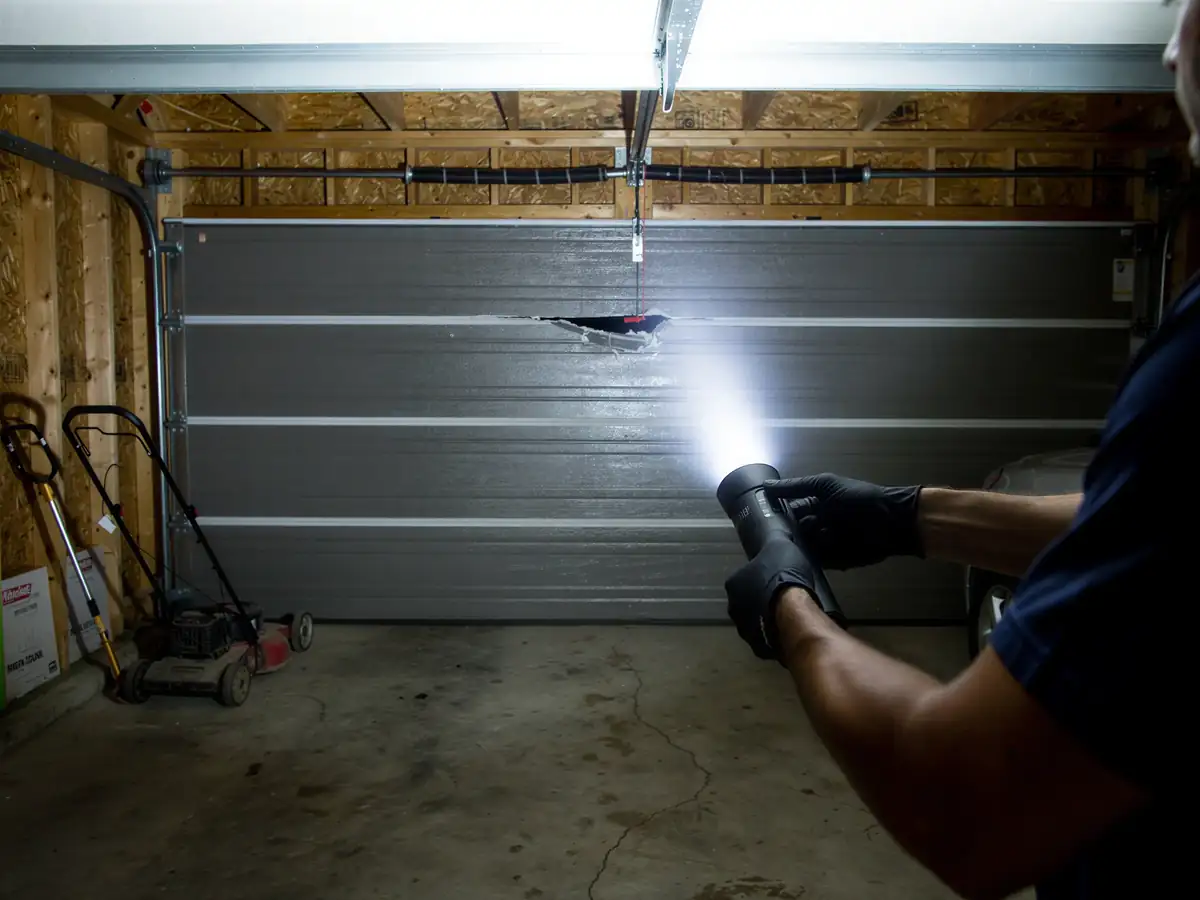
That said, replacement isn't automatic just because the budget allows it. A door with good panels and a bent track is a track repair, not a new door. We're straightforward about that distinction - we'd rather fix the $200 problem than sell a $1,800 one. The decision usually comes down to whether the failure is in the moving parts (springs, cables, rollers, opener) or in the panels and frame themselves. Moving parts get fixed. Warped, rusted-through, or storm-damaged panels usually don't.
How Local Conditions Play In
The 16 named areas we cover carry mostly 1980s and 90s housing stock
Which means a lot of doors out there share the same era of hardware - steel sectional doors on torsion springs, with openers that were state-of-the-art when the house was new and are now two or three generations behind. That consistency is useful: it means parts for a Cedar Hill-era door are things we stock and see often, not something we have to special-order and wait on.
We also cover a stretch of towns around Cedar Hill
Ovilla five miles out, Glenn Heights at six, Oak Leaf and Midlothian around eight, out through Lancaster, Venus, Hutchins, Kennedale, Rendon, Wilmer, Ferris, Forest Hill, Maypearl, Everman, Highland Park, and Alvarado at the far edge of the range. Housing age runs similar across most of that radius, which is part of why we can speak to typical failure points with some confidence instead of guessing. One honest limit: if your door or opener is a less common brand that wasn't widely sold in this build era, parts can take longer to source, and we'll tell you that up front rather than quote a timeline we can't hit. More at Cedar Hill Garage Door Pros.