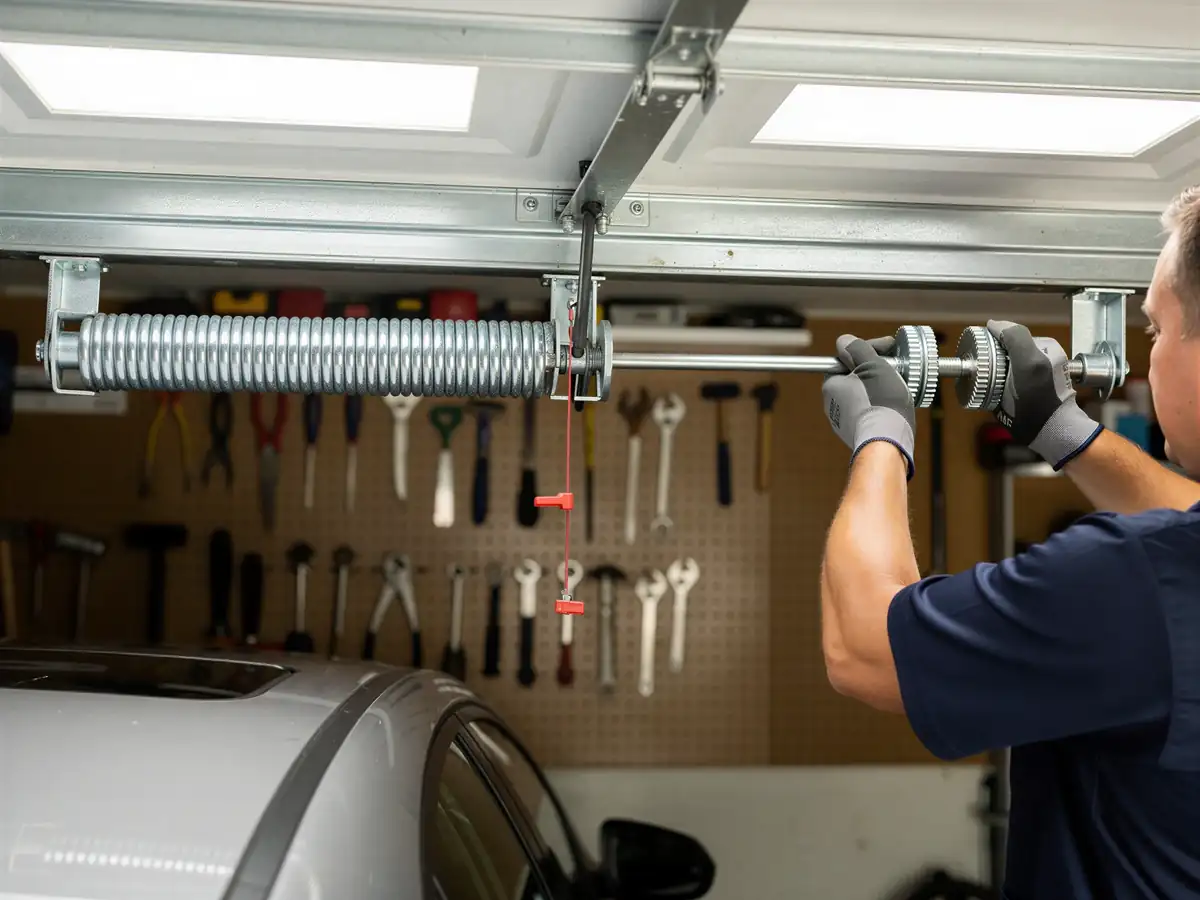
What Causes It Around Here
Most of the houses in this service area went up between 1969 and 2014
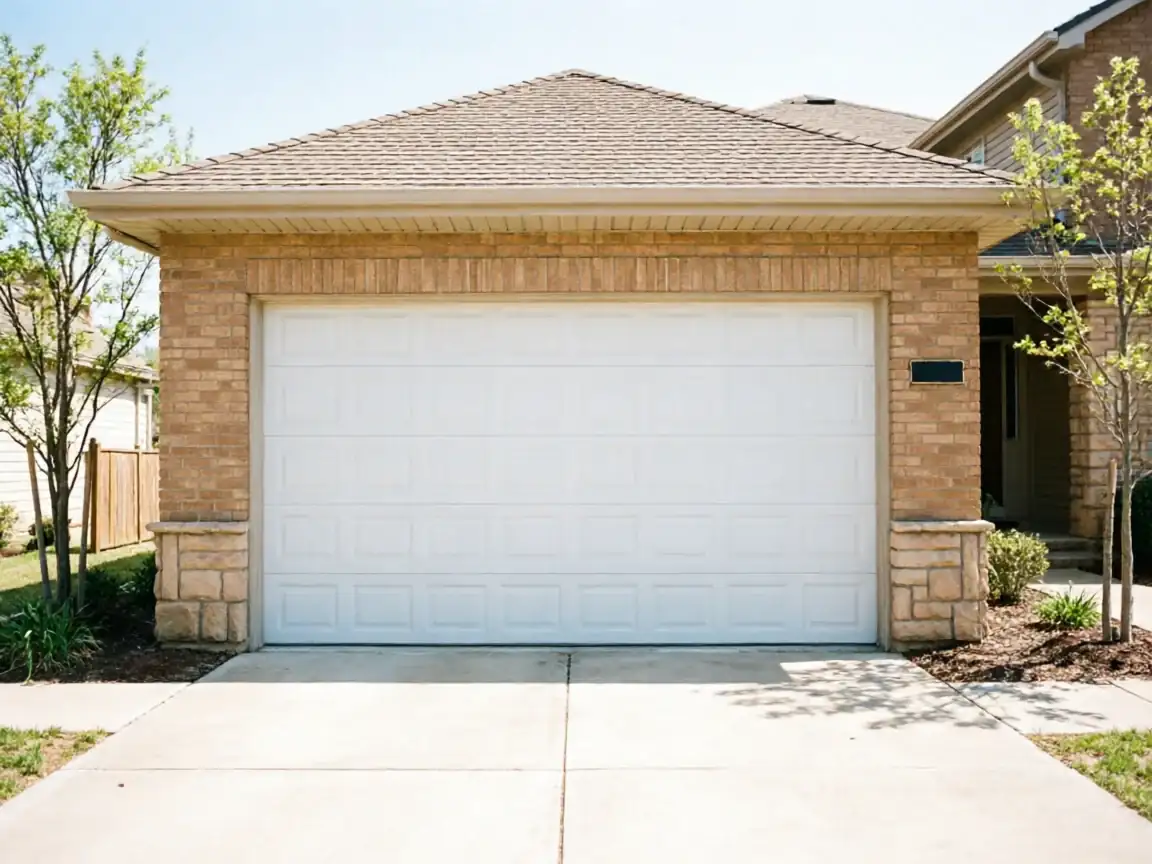
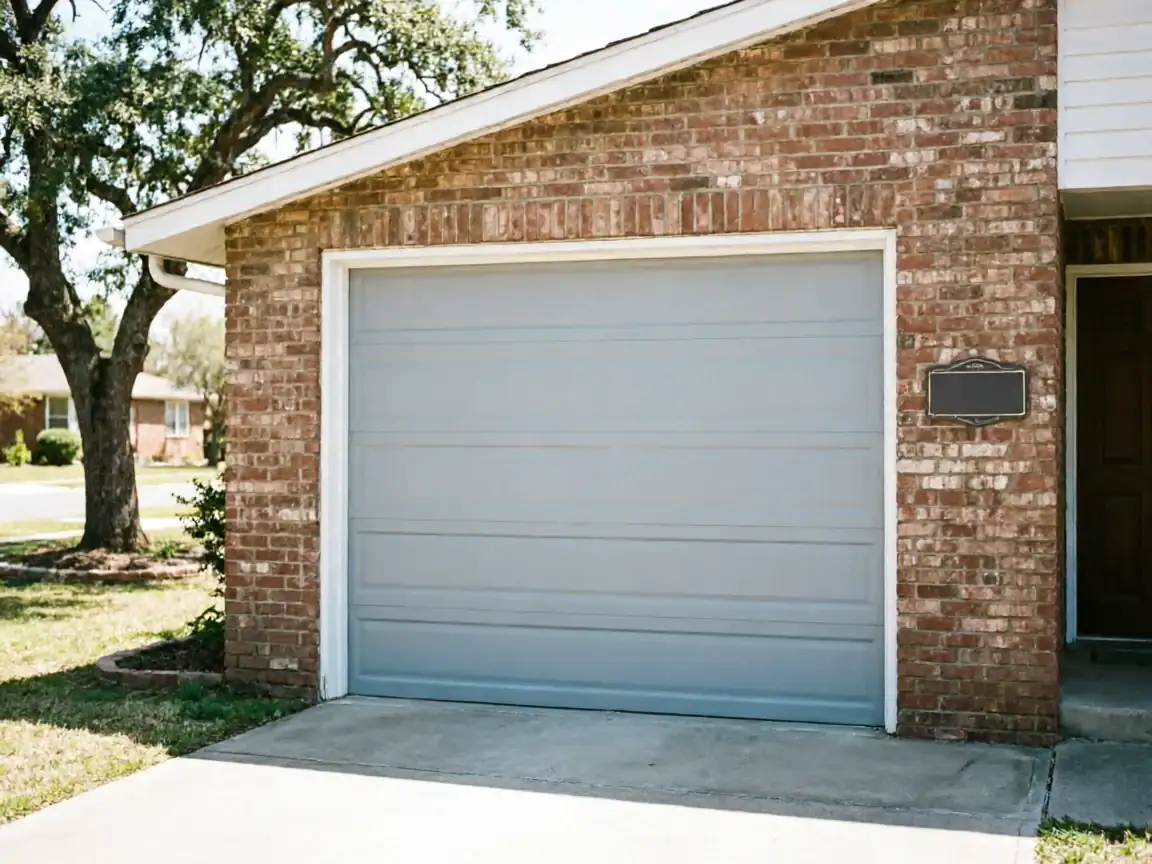
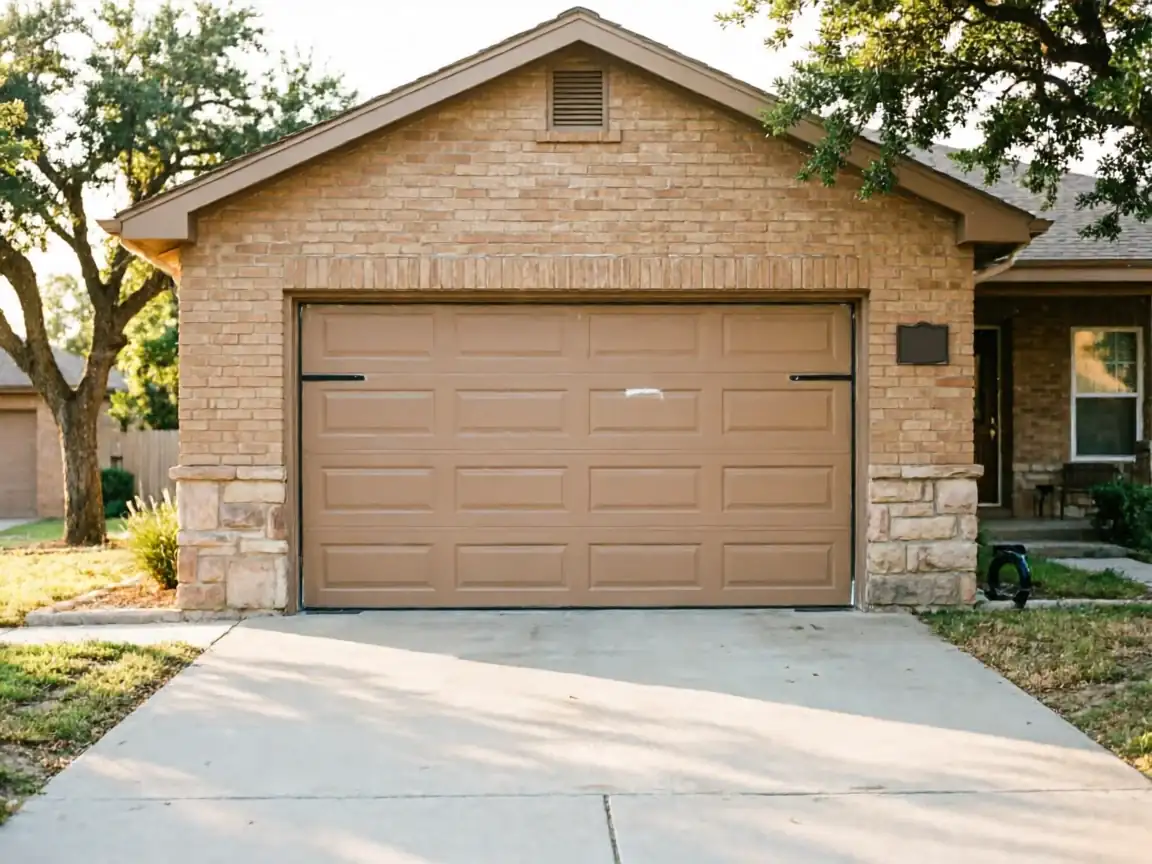
With the median build year sitting at 1991. That puts a huge share of the garage doors around here at 30 to 45 years old - well past the point where a steel sectional door, its hinges, and its original torsion spring were built to last. Across the 16 named areas we cover, the stock is overwhelmingly 1980s and 90s construction, which means a lot of builder-grade doors going in at the same time and aging out at roughly the same time now.
- 45 years
Heat is the other half of it
This area sits in a moderate heat climate band, and that steady summer load does two things to an old door: it dries out the weatherstripping and bottom seal until they crack and let daylight in, and it breaks down the lubricant on rollers and hinges faster than in a milder climate, so hardware wears unevenly. A door that might limp along another ten years somewhere cooler starts showing stress cracks on steel panels and warping on older wood-composite ones here instead. That combination - a wave of same-era doors plus consistent heat load - is why replacement calls cluster the way they do in Cedar Hill rather than trickling in evenly.
The Symptom
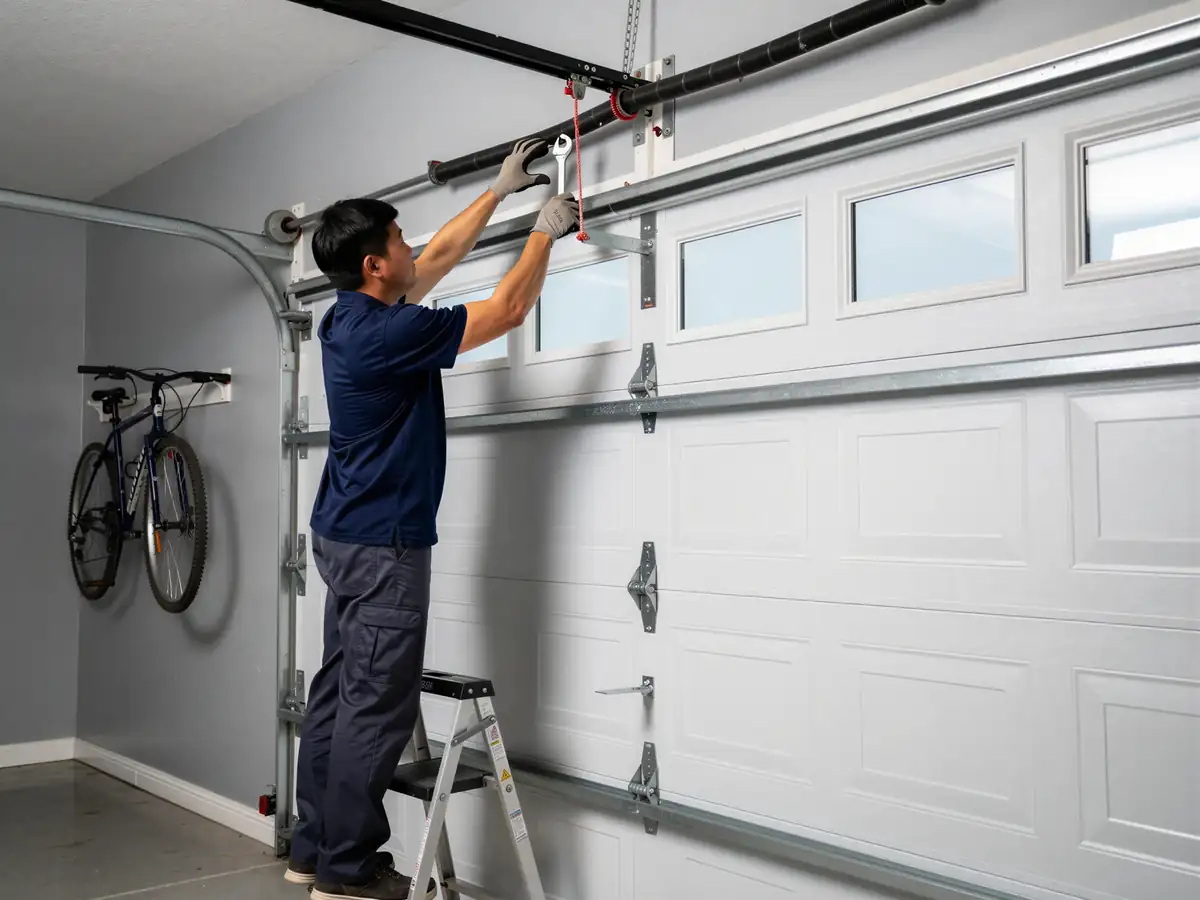
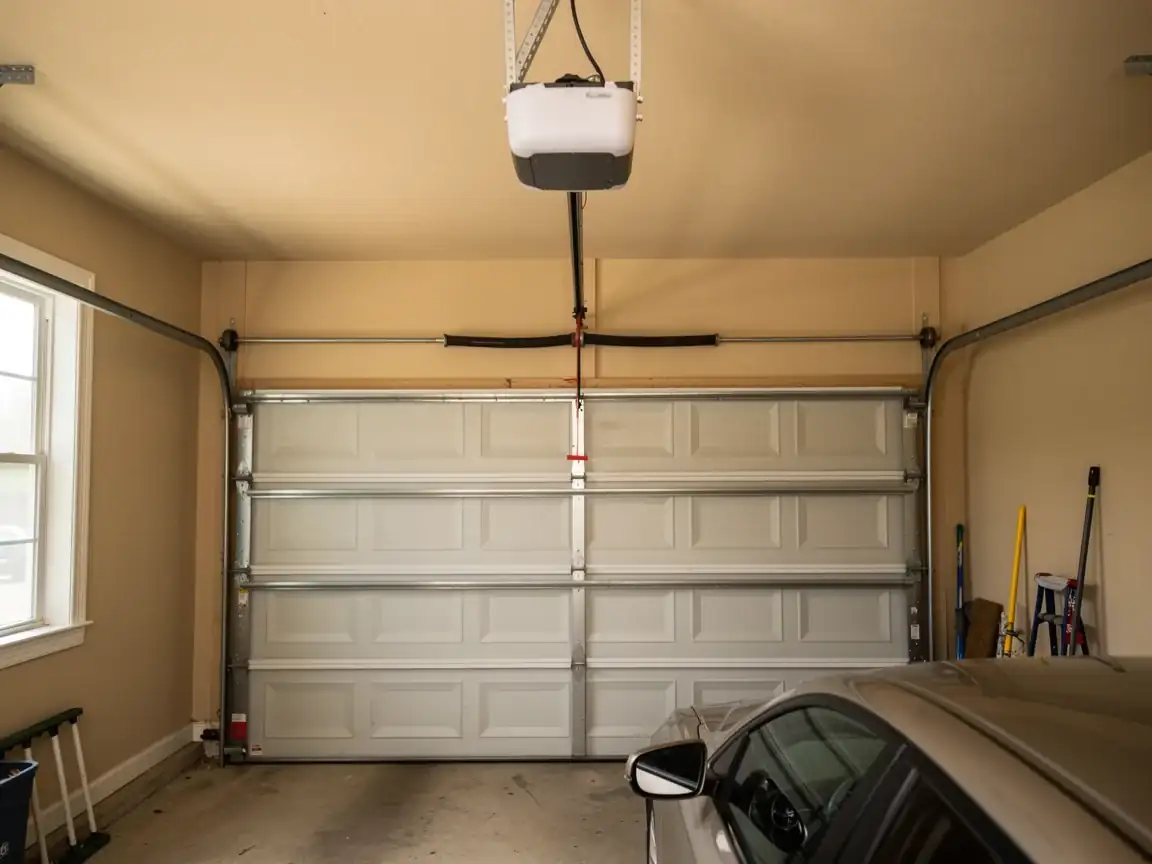
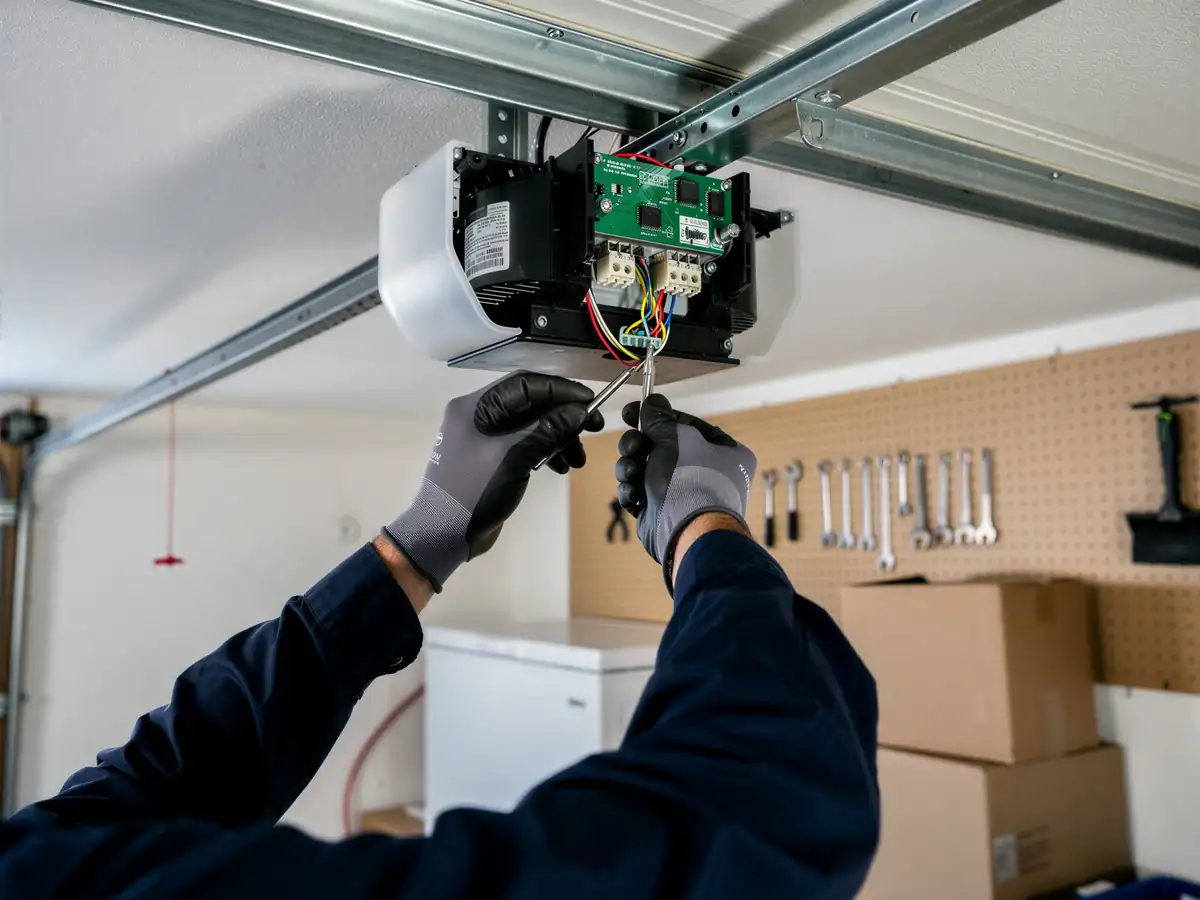
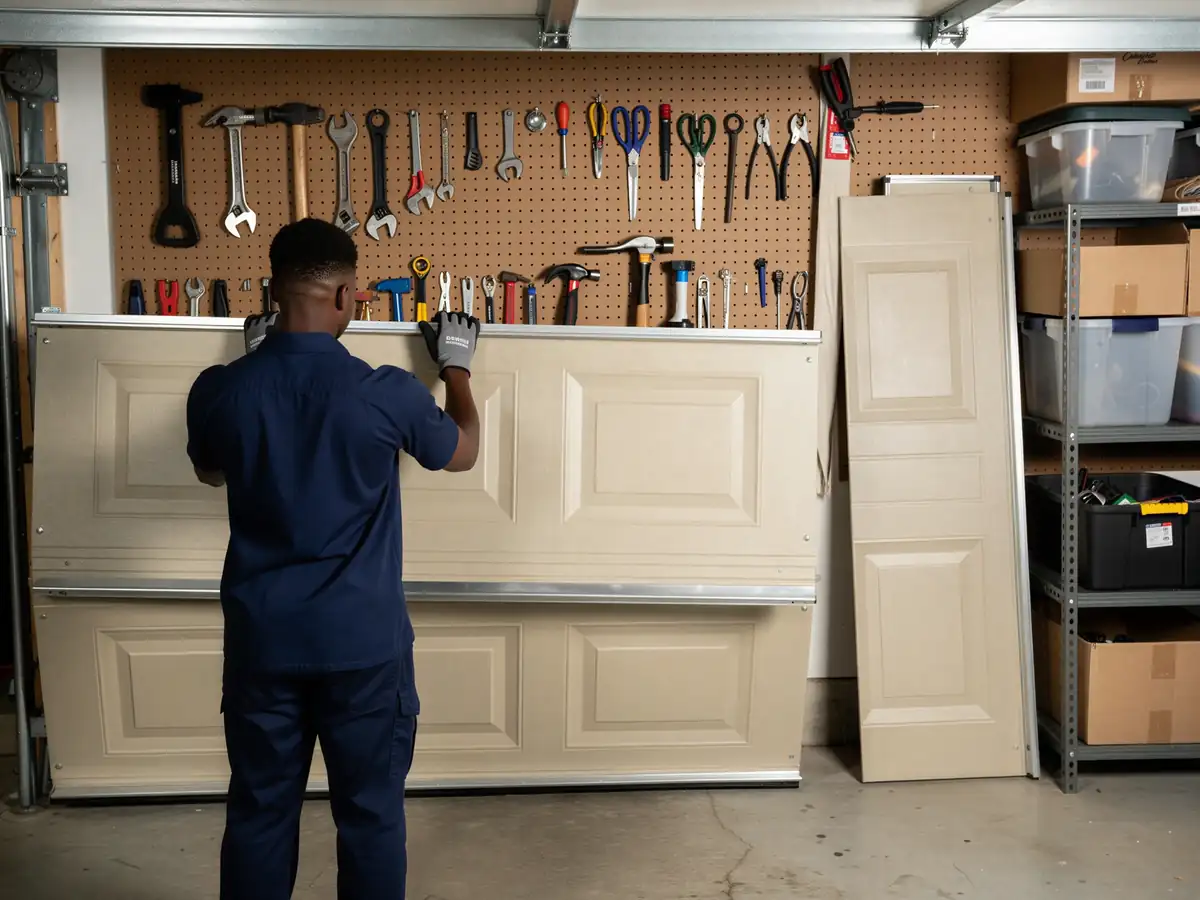
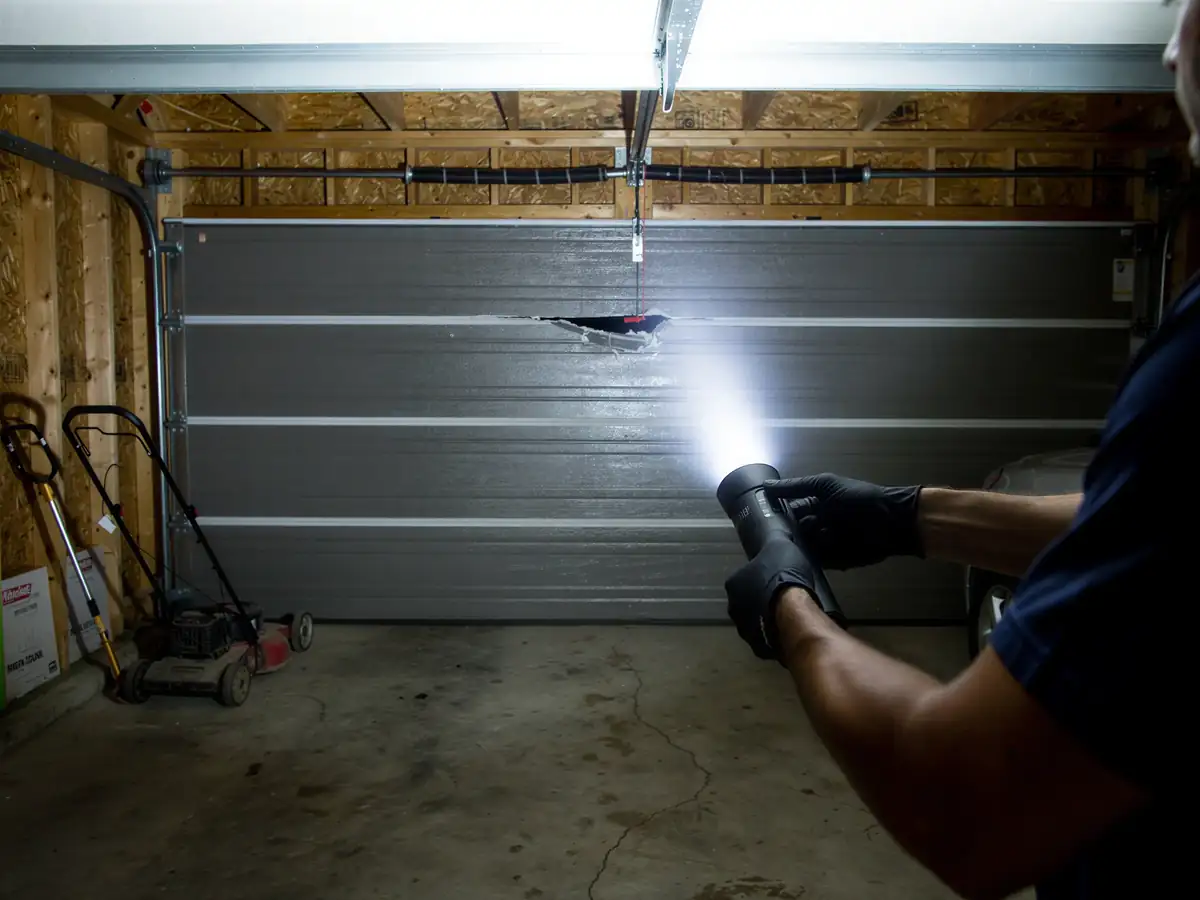
The door that needs replacing, not just a fix, usually tells you in a few ways. Panels that bow or dent along the bottom section, especially on doors original to houses from the 1980s and 90s, are a sign the steel gauge has fatigued past the point of patching. An opener that strains, reverses, or runs louder than it used to is often compensating for a door that's gotten heavier through warping or rust at the bottom corners, not an opener problem at all.
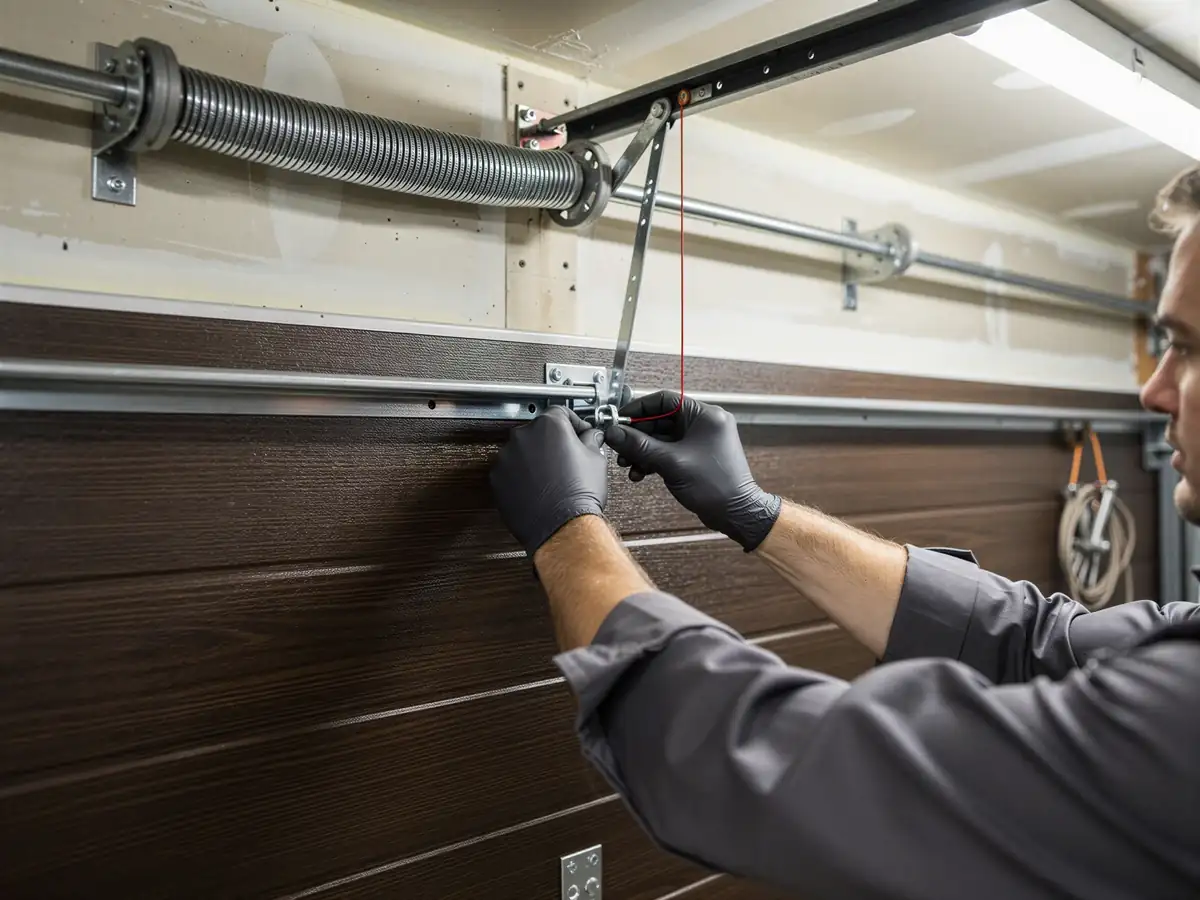
Daylight at the bottom seal or sides, even with the door fully down, points to a frame or track that's shifted with age rather than a simple seal swap. And if you're repairing the same spring, cable, or roller twice in a couple of years, you're paying to patch a door whose other parts are catching up to the one that already failed. None of these on their own means you need a full installation instead of a repair - but together, especially on a door that matches the age of the house, they usually do.
Booking a Visit
We cover Cedar Hill and run out to the nearby areas too - Ovilla is about 5 miles out, Glenn Heights around 6, Oak Leaf and Midlothian both around 8. Lancaster, Venus, Hutchins, Kennedale, Rendon, Wilmer, Ferris, Forest Hill, Maypearl, Everman, Highland Park, and Alvarado round out the rest of the service area, running from about 11 to 19 miles from Cedar Hill depending on the town.
When you call for an installation, we want to know the age of the house if you have it, whether the current door is original, and whether you're dealing with a single or double opening - that changes the panel count and track setup we bring on the truck. You can start from our home page if you want to see the rest of what we handle before booking.
What You Pay
We're not going to put a number here that isn't backed by anything
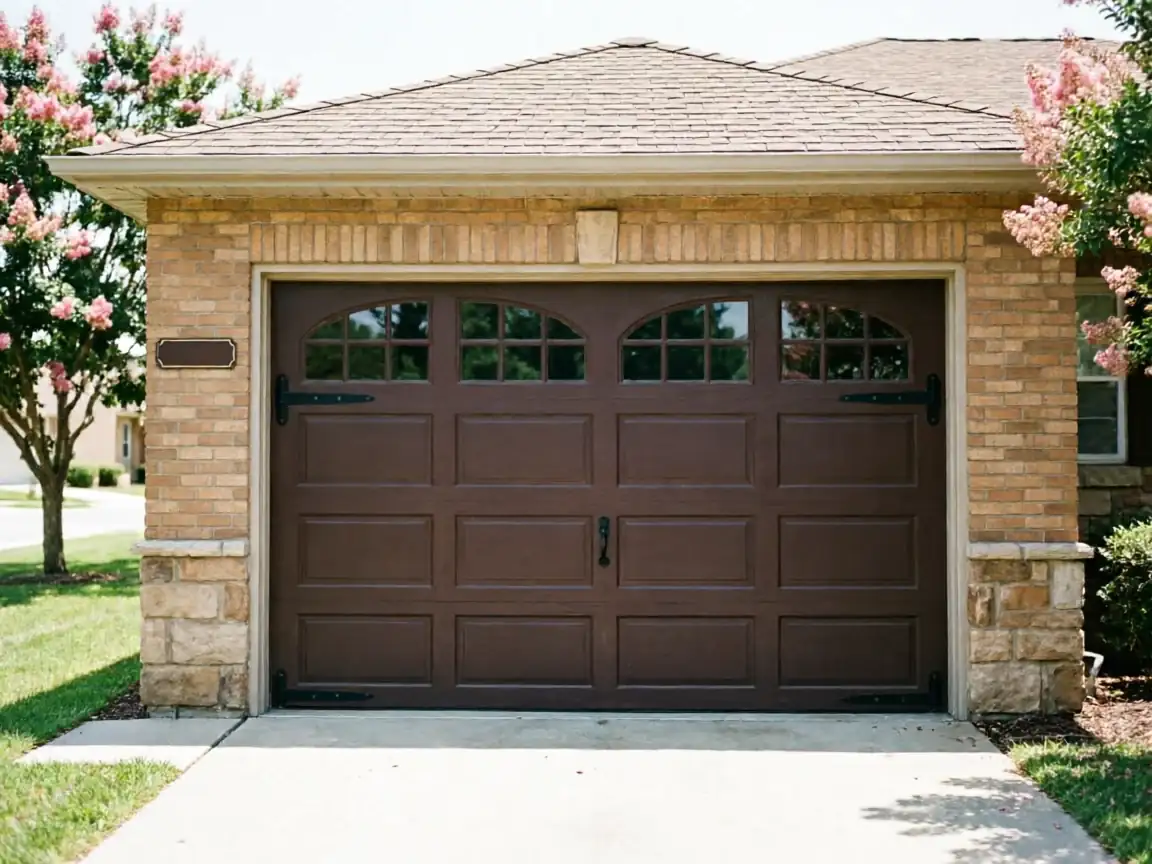
Pricing on an installation depends on door size, insulation level, and whether we're also swapping the opener, and those vary job to job. What we can tell you is the kind of area we're pricing for: across the service area there are roughly 60,496 households and about 36,958 owner-occupied houses, with a median household income of $77,161. That's a market where most jobs are standard double or single steel doors on houses built in the 1980s and 90s, not custom carriage doors on high-end new construction - so the parts and labor we quote reflect that.
- 60,496 households
- 36,958 owner-occupied
- $77,161 median household income
One honest limitation
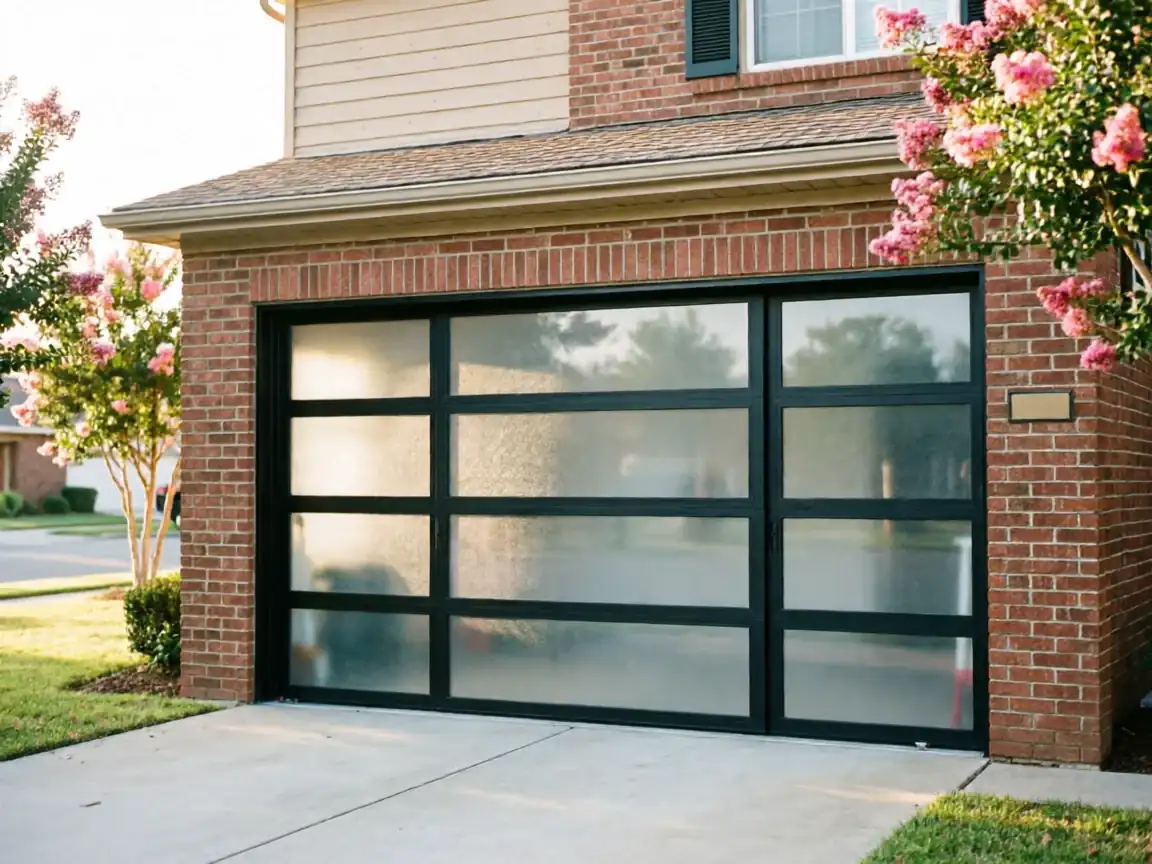
If you want a custom wood door or a non-standard size, lead time on the door itself can run longer than the install appointment, and that's on the manufacturer's end, not ours. We'll tell you that up front when you call rather than let you assume next-week delivery.