Garage Door Service for Midlothian Homes Built After 2000
Most Midlothian homes went up after 2000, later than the 1980s-90s stock common across Cedar Hill's wider service area. Here's what that means for your door.
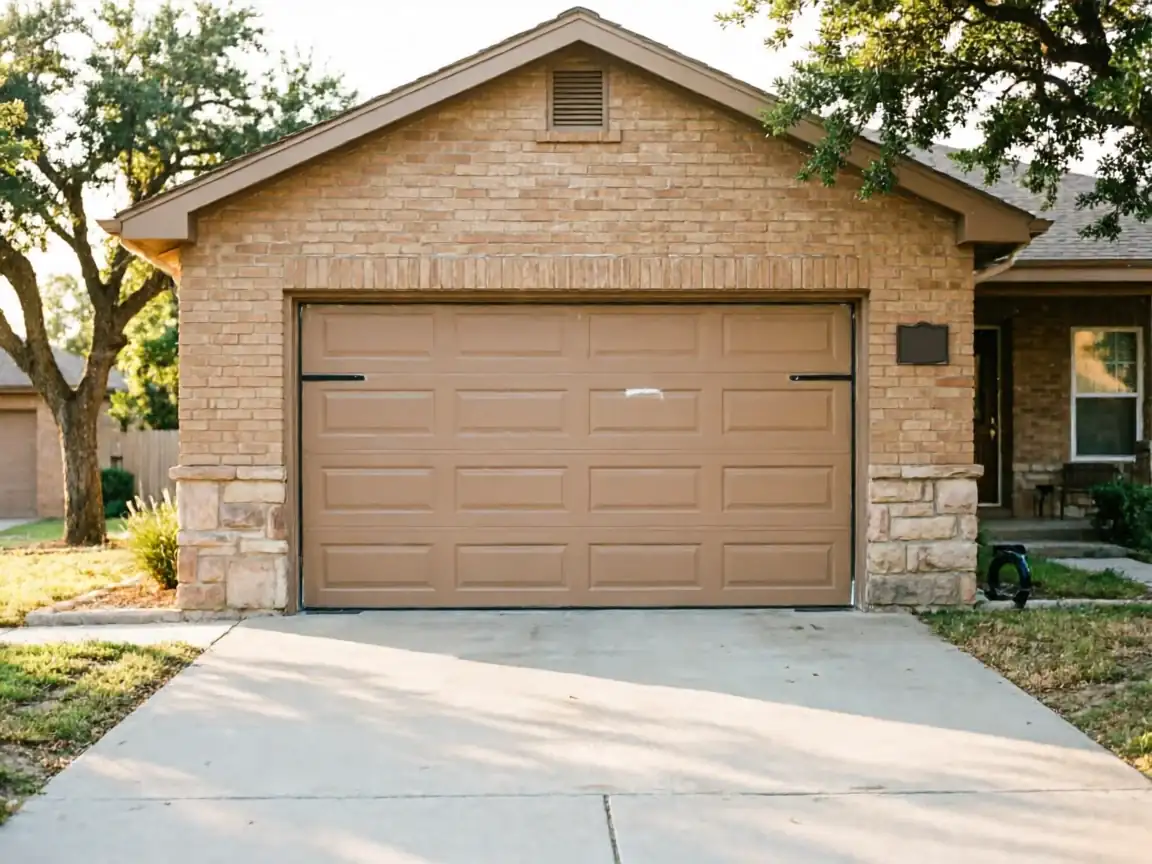
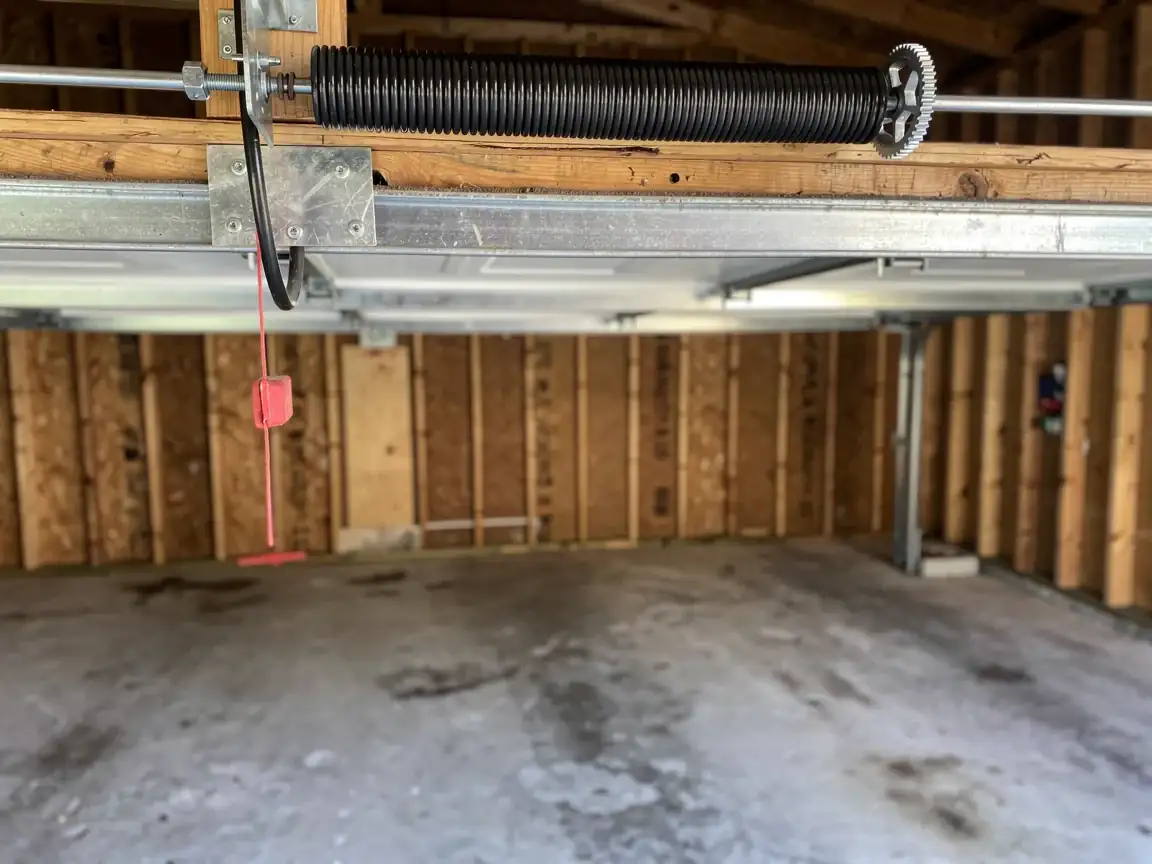
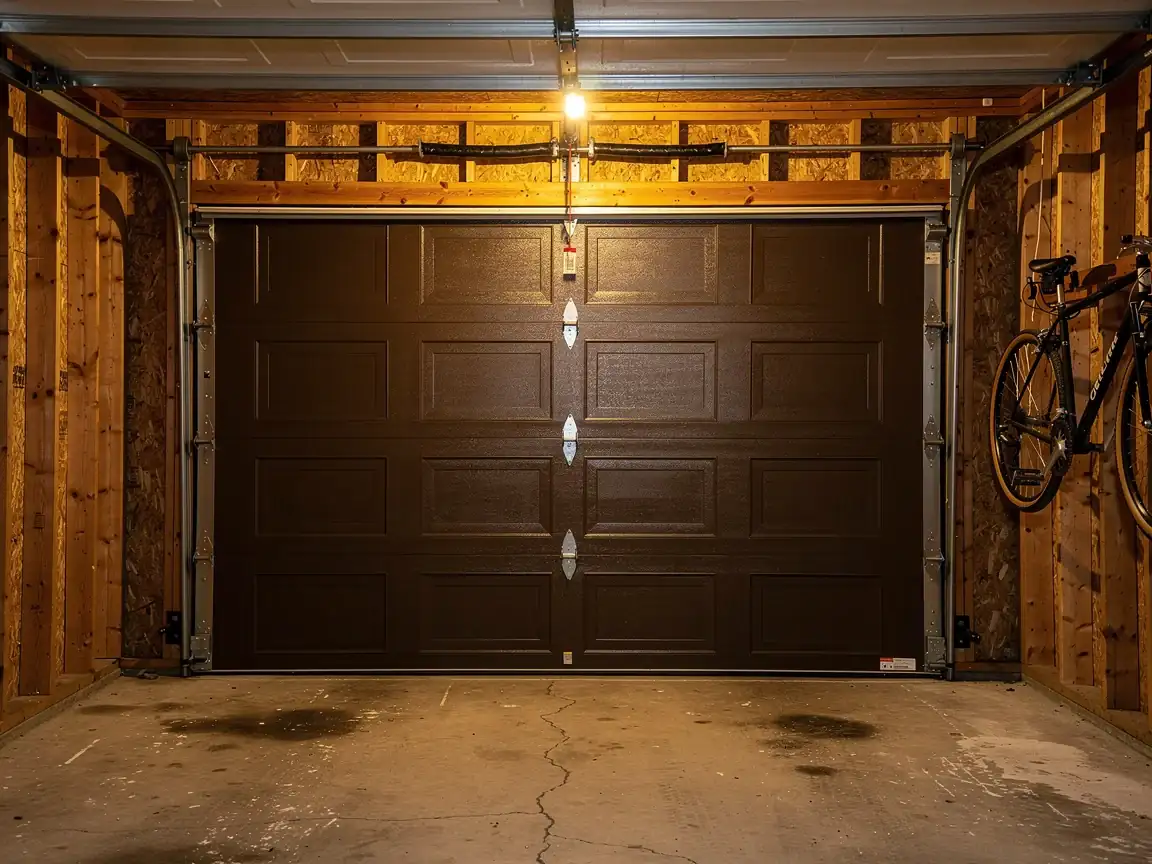
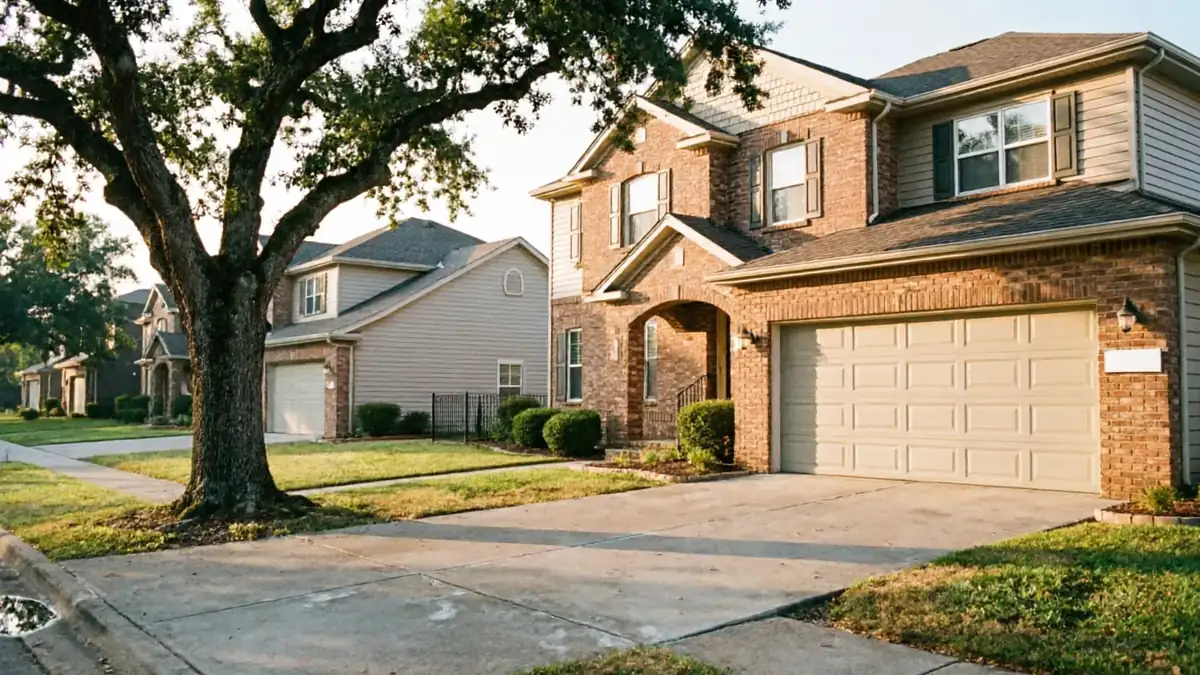
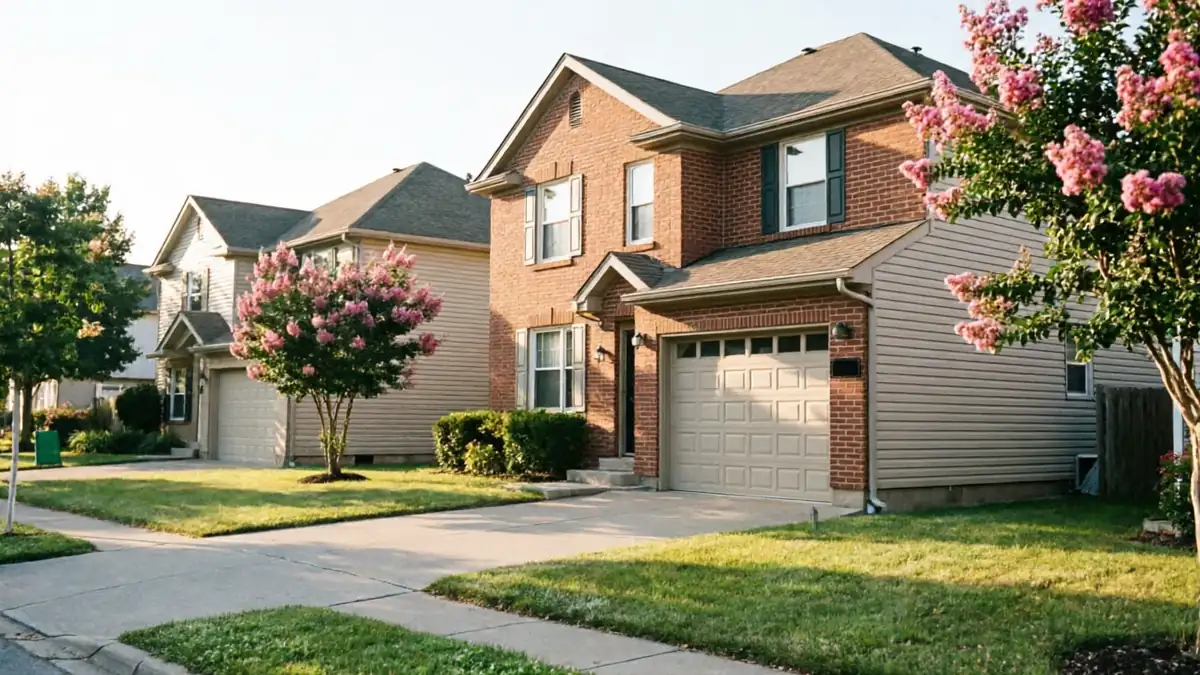
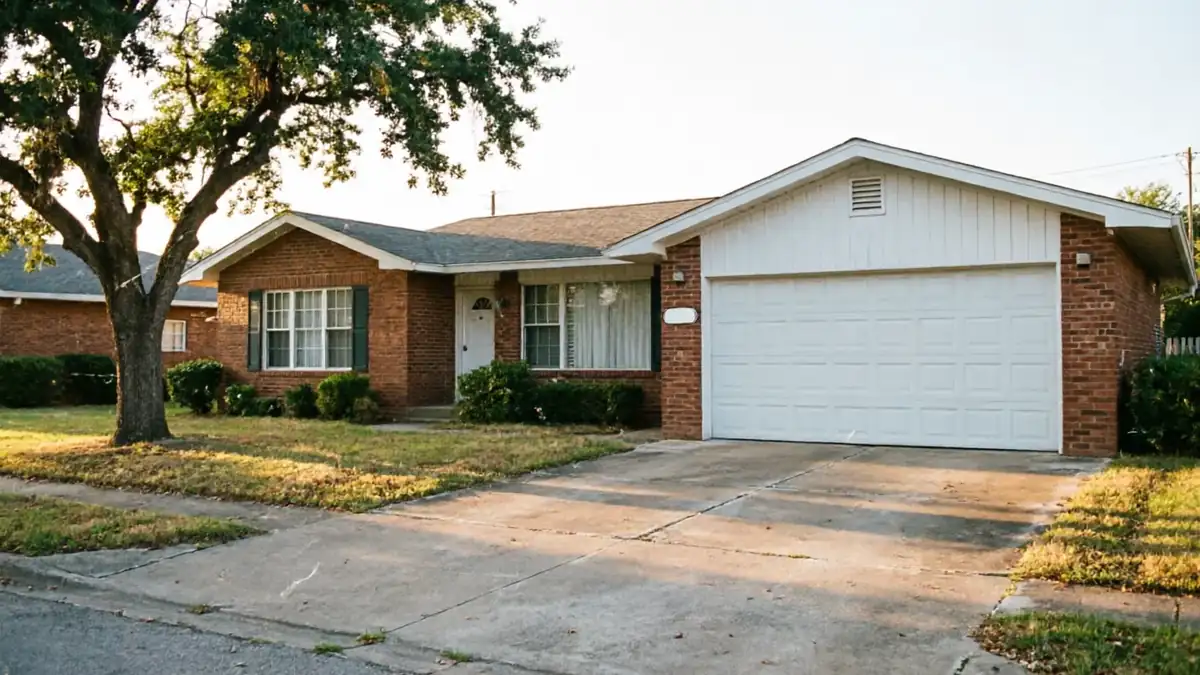
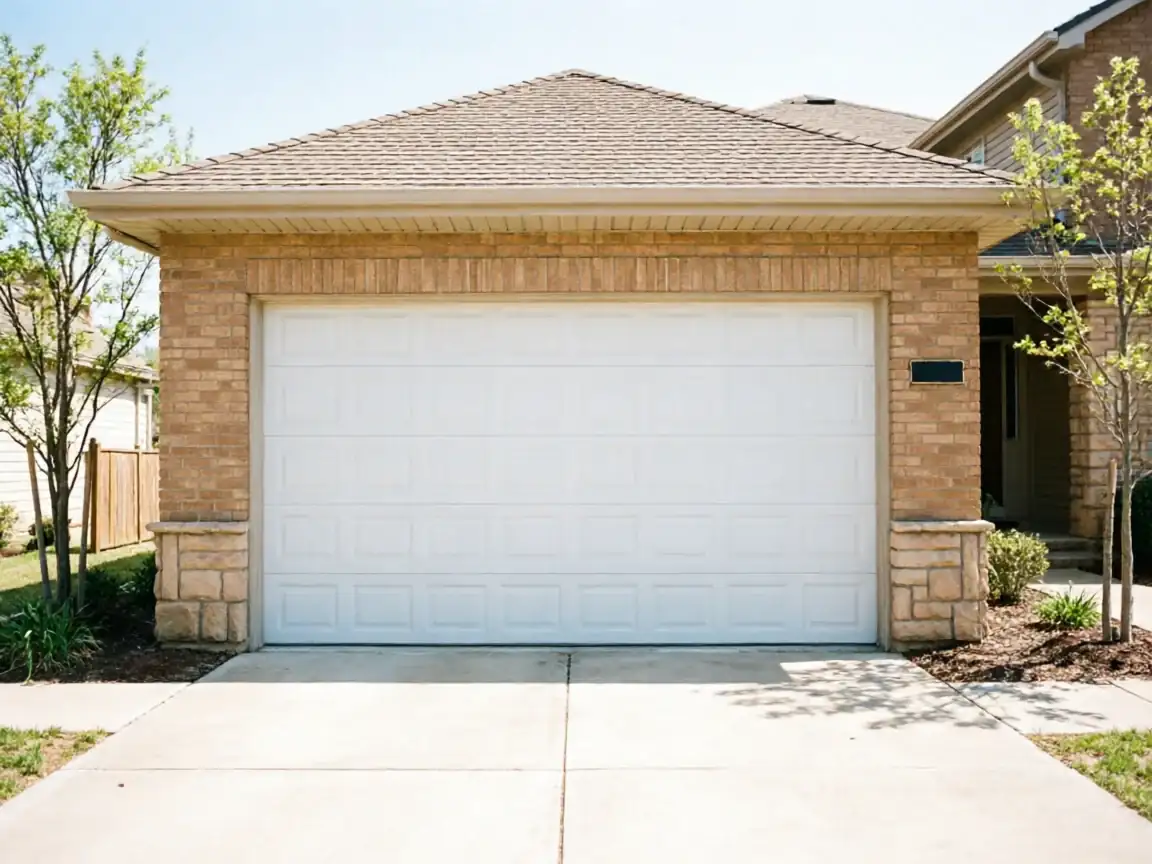
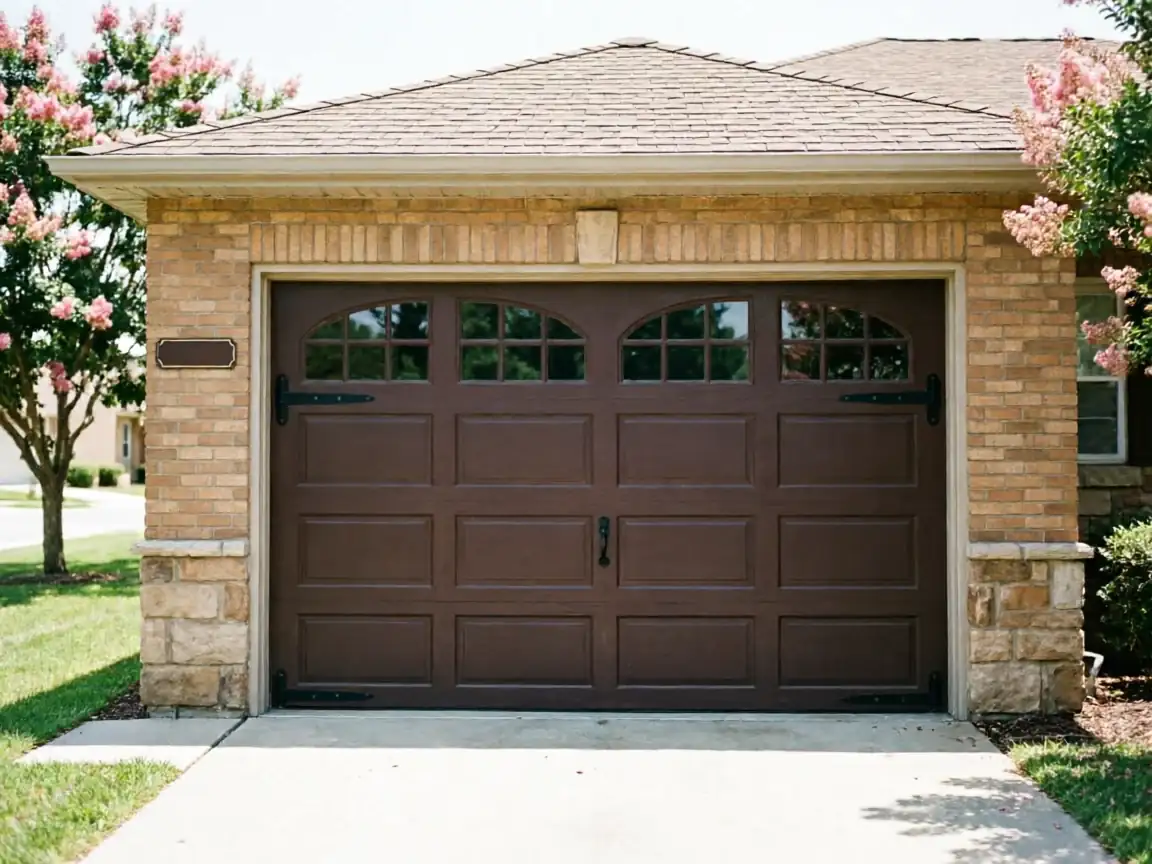
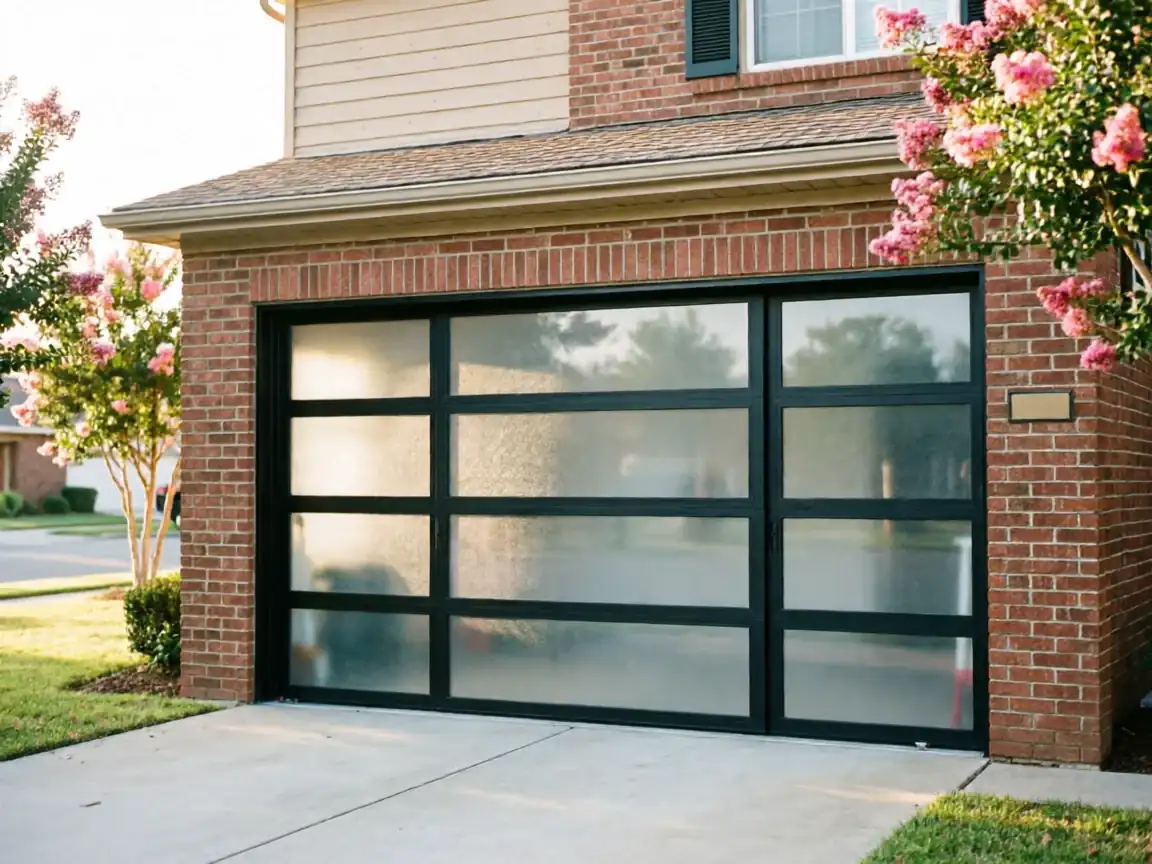
Here's the thing about Midlothian: the median home here was built around 2006, which puts most of the town well past the 1980s-and-90s stock that makes up a lot of the wider Cedar Hill Garage Door Pros service area. That gap matters more than it sounds like it should. A door and opener installed in 2006 or later is almost always a factory-insulated steel sectional on a standard torsion spring setup, paired with an opener that already has the safety-reversal sensors federal rules required by the time these subdivisions went up. You're not dealing with the older low-headroom tracks or odd bracket spacing that show up on pre-1990 garages. What you are more likely dealing with is wear on newer components - rollers, cables, and circuit boards - rather than hardware that's simply obsolete. With a median household income in Midlothian of $122,643, well above the $77,161 median across the broader service area, we also see more upgraded doors: insulated panels, quieter belt-drive openers, sometimes windows or custom faces. None of that changes the physics of a broken spring, but it does change what parts a repair calls for.
What Was Built Here
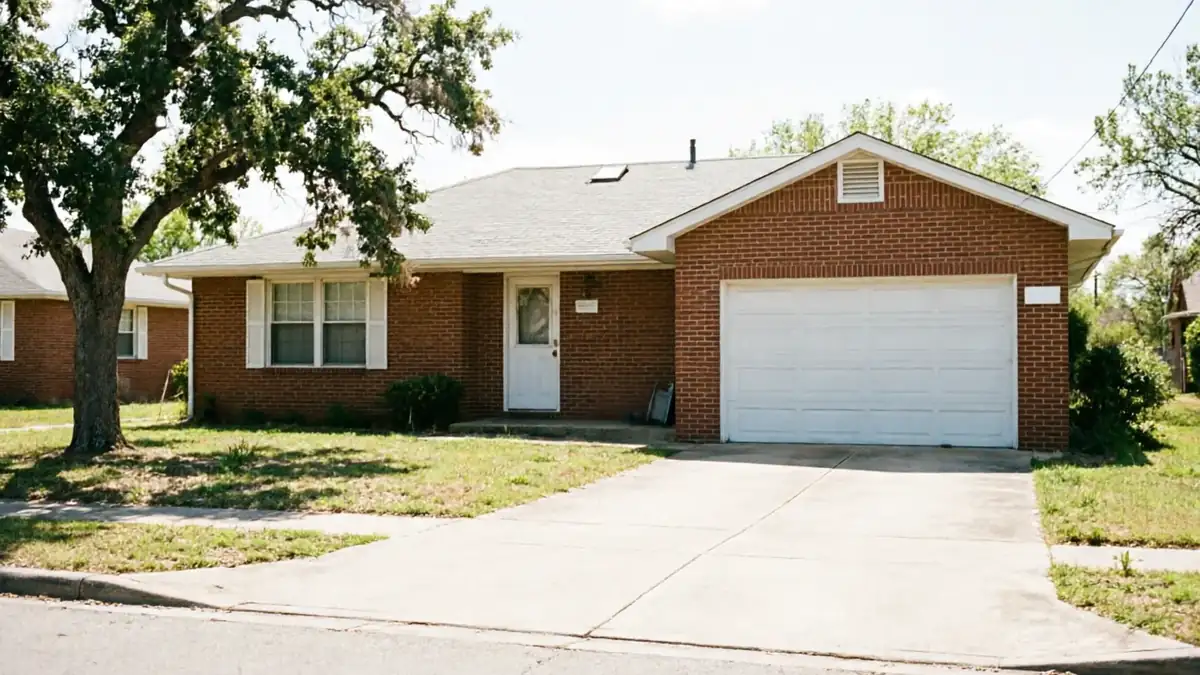
Midlothian's growth has been recent and fast. With roughly 12,140 households now in the area, a lot of that housing simply didn't exist when the older sections of the broader service territory were going up in the 1980s and '90s. Across the wider 16-community area Cedar Hill Garage Door Pros covers, the typical home dates to somewhere between 1969 and 2014, with a median around 1991 - Midlothian sits well on the newer side of that range. That matters for anyone searching for parts or troubleshooting an opener: a 2006-era garage is still mostly under the same basic code and hardware conventions used today, so finding a matching panel or a compatible opener logic board is usually straightforward. It's a different conversation than a 1980s door, where the track gauge or the spring winding cone might not match anything currently on a truck. We're not going to pretend every Midlothian garage is identical - a town building steadily for two decades has plenty of variation - but the center of gravity is clearly newer construction, and that shapes the kind of calls we expect to get here.
When We Can Get There
We run out of Cedar Hill, not out of a shop in Midlothian itself, and the drive out is about 8 miles. We're not going to claim a local depot or a guaranteed arrival window we don't have - that's not something we can back up with a real number, so we're not stating one. What we can say is that Midlothian is a short, regular trip for us, not an edge of the map. If you're comparing this to some of the farther towns we reach - places out past Lancaster or Ferris - Midlothian is one of the closer stops. Call and we'll tell you honestly where the truck is and when we can get to your address, rather than giving you a round number that sounds good on a website.
Older vs Newer Streets
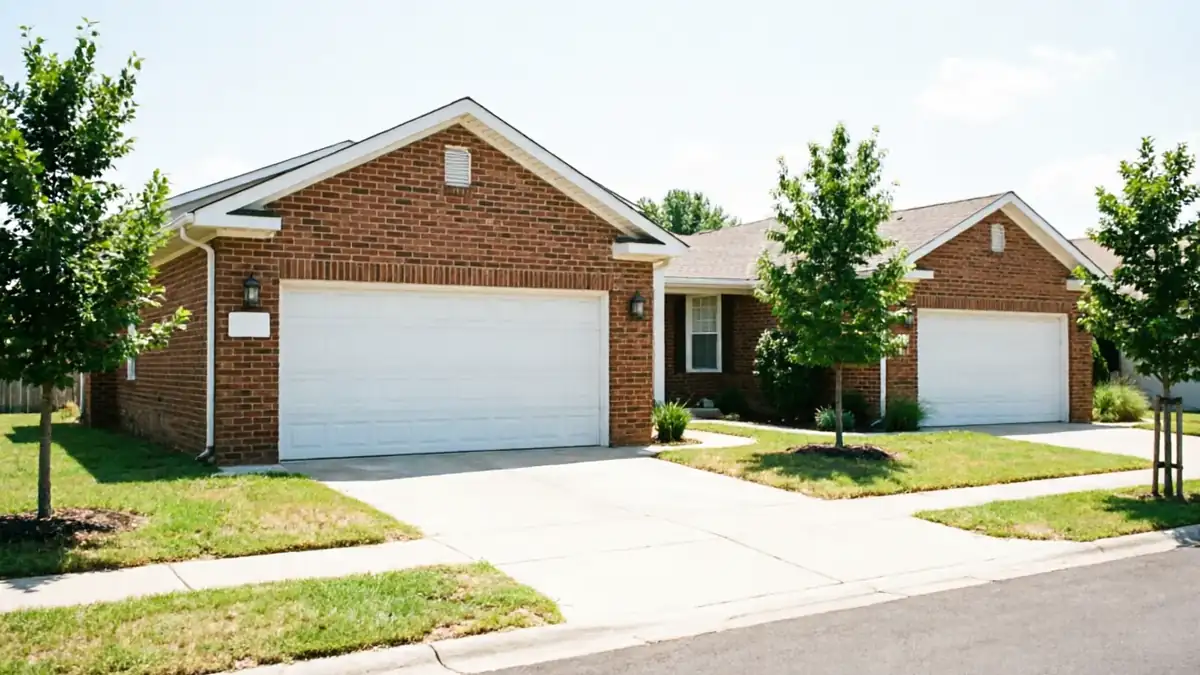
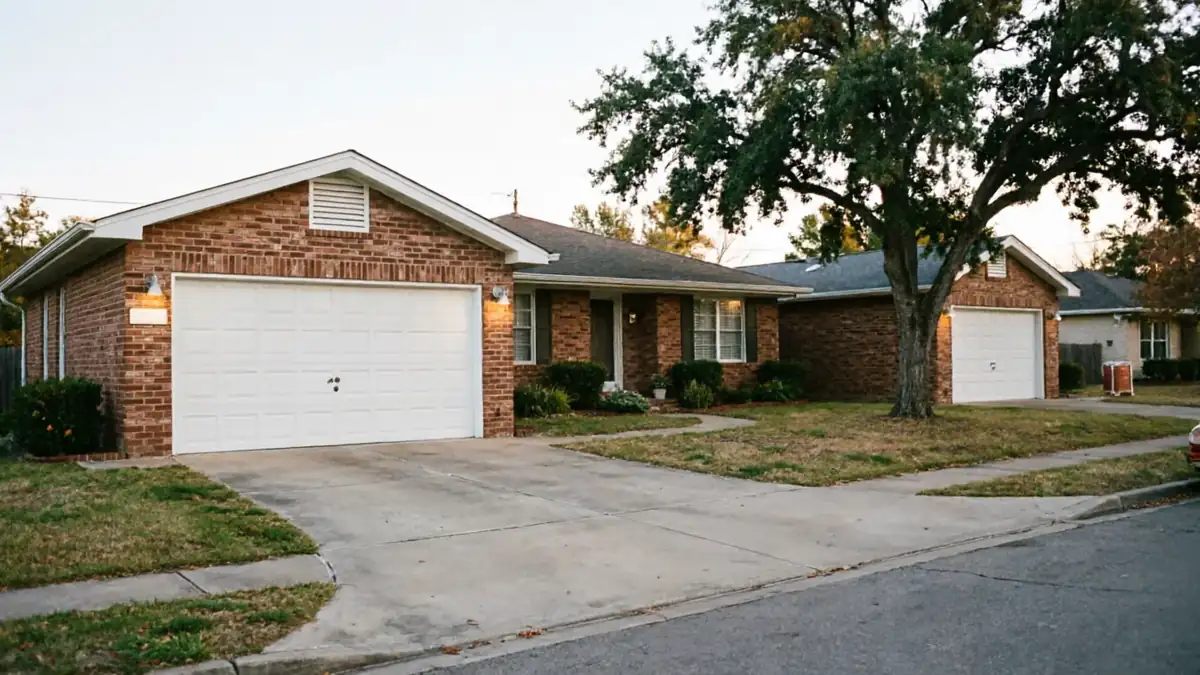
Not every street in Midlothian was built in the same decade, even with a median around 2006. The town still has a handful of older pockets that predate the big build-out, sitting closer to the 1980s-90s hardware you'd find elsewhere in the service area - older torsion setups, sometimes a chain-drive opener that's been replaced once or twice already. The newer subdivisions that pushed the median build year up to the mid-2000s and later are a different animal: wider door openings in some cases, insulated steel panels as the default rather than the upgrade, and openers with sensors and rolling codes built in from day one. If you're not sure which camp your house falls into, the year on your opener's manual or a look at the spring cones usually tells the story fast. One honest limitation: if your opener logic board is an older, discontinued model from one of those earlier-built homes, the part can take longer to source than a current board, and sometimes a full opener swap ends up being the more practical call than chasing a part.
How it works
From “it’s stuck” to “it’s fixed”
1
Tell us what’s wrong
Describe the symptom - won’t open, loud bang, opener runs but the door won’t move.
2
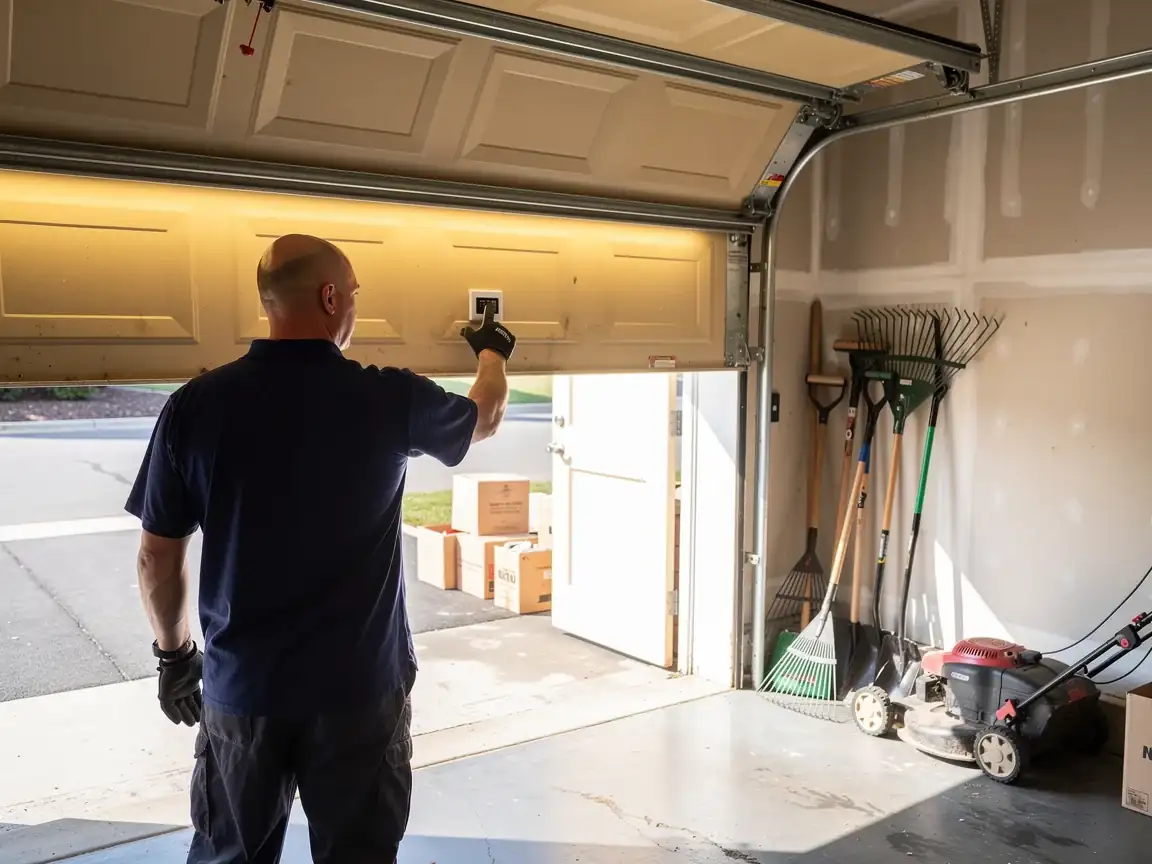
On-site diagnosis
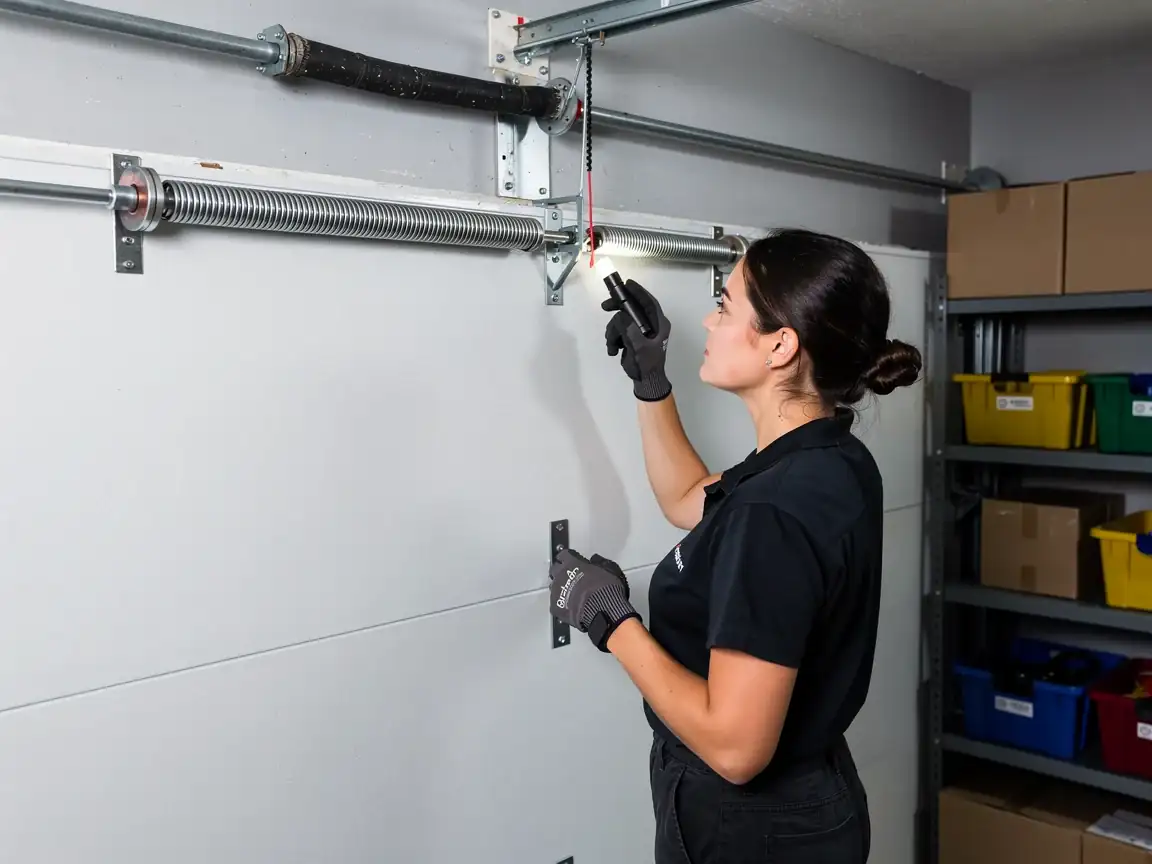
A technician tests the door under power and by hand and finds what actually failed.
3
Clear, up-front plan
You get the fix that’s needed and what drives the cost - before any work starts.
4
Repaired & tested
The repair is done, the door is set true and tested, and the work area left clean.
Not sure which repair your door needs in Cedar Hill, TX? Describe what it’s doing - every job starts with a diagnosis.
Are Midlothian garage doors mostly older or newer compared to the rest of the area?
Newer, on the whole. The median home in Midlothian dates to around 2006, while the broader Cedar Hill Garage Door Pros service area centers closer to 1991. That means more factory-insulated steel doors and modern opener safety sensors here, and fewer of the older low-headroom tracks you'd find in the area's earlier-built sections.
Do you have a shop in Midlothian?
No. We work out of Cedar Hill, about 8 miles away, and travel out to Midlothian as part of our regular coverage. We won't promise a depot or a response time we can't back up - just a real truck making a real trip out to you.
Does a 2006-era garage door need different parts than an older one?
Usually it's more straightforward, not less. Doors and openers built from the early 2000s on tend to use current hardware standards, so matching springs, rollers, or an opener logic board is typically easier than on a pre-1990 setup with older bracket spacing or a discontinued chain-drive opener.
Ready to get your garage door sorted?
Tell us what it’s doing and where you are in Cedar Hill - we’ll take it from there.