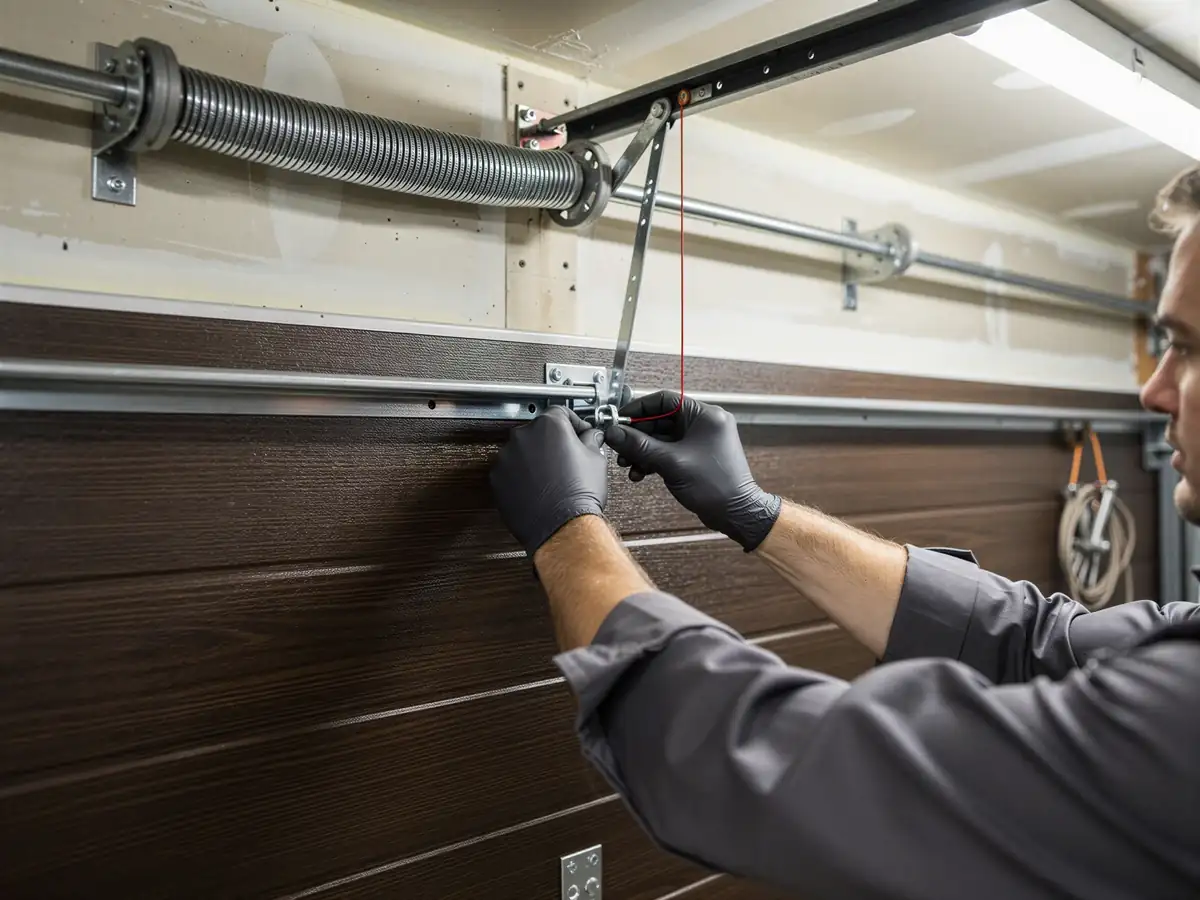
What Causes It Around Here
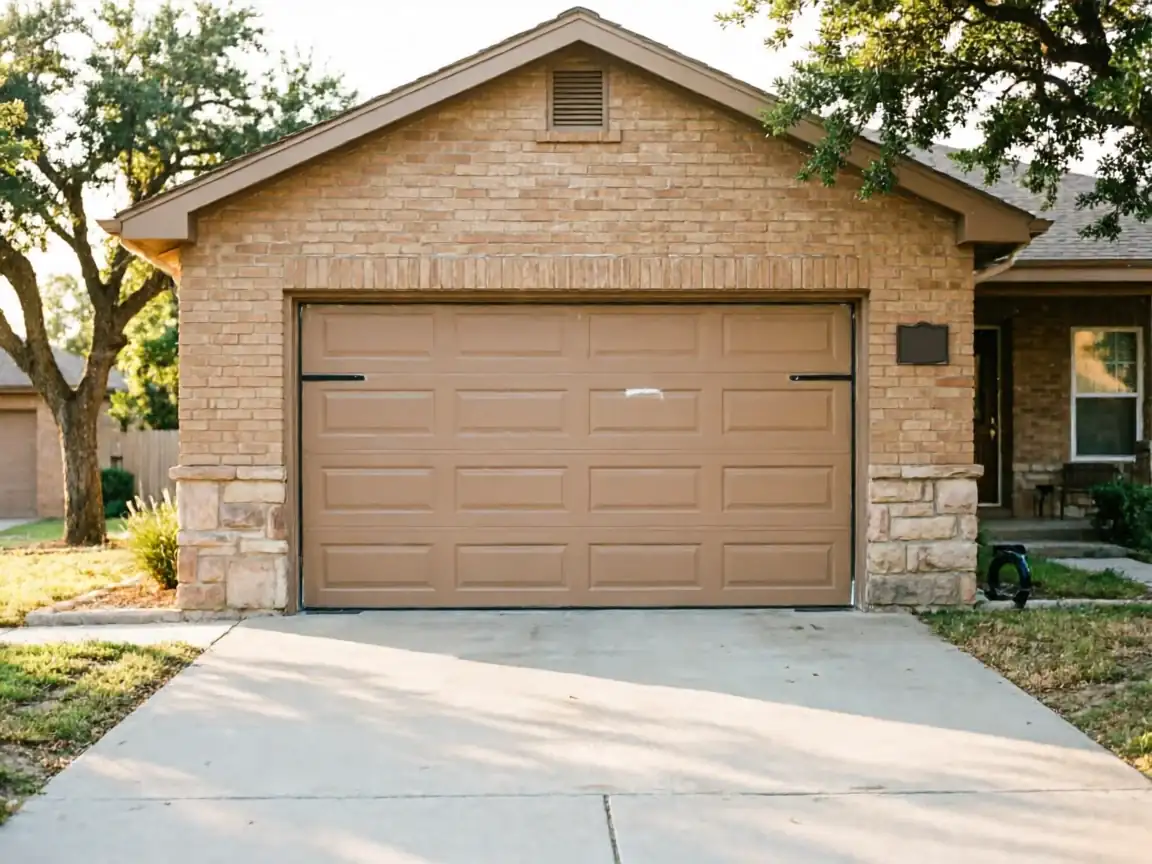
Cedar Hill's housing runs mostly 1969 to 2014
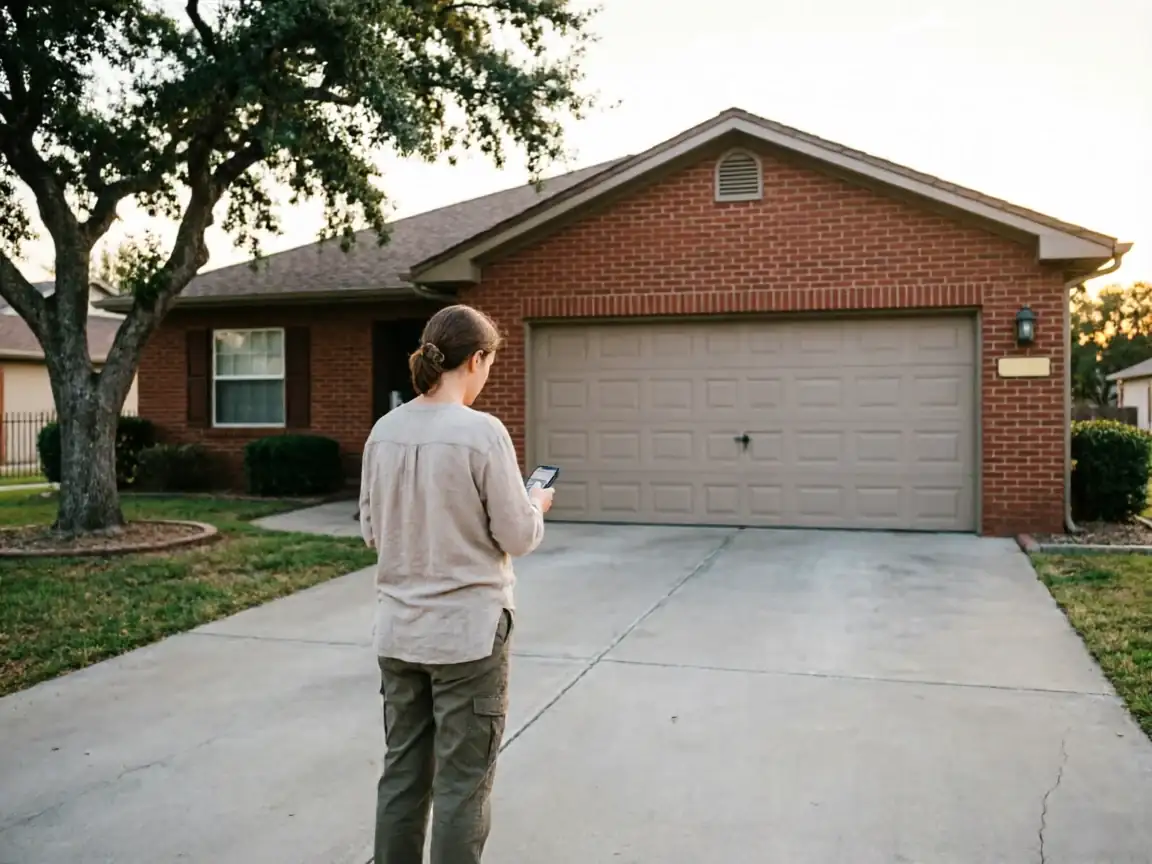
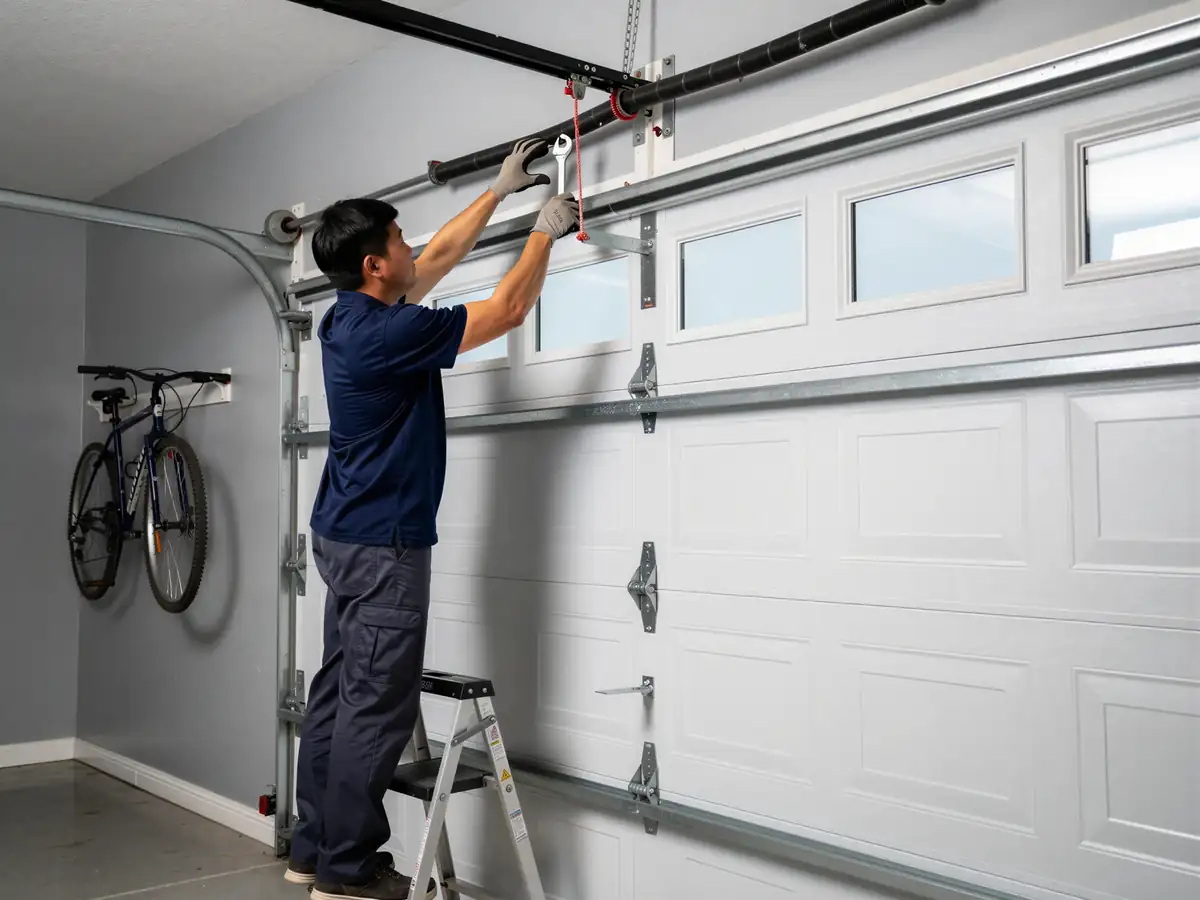
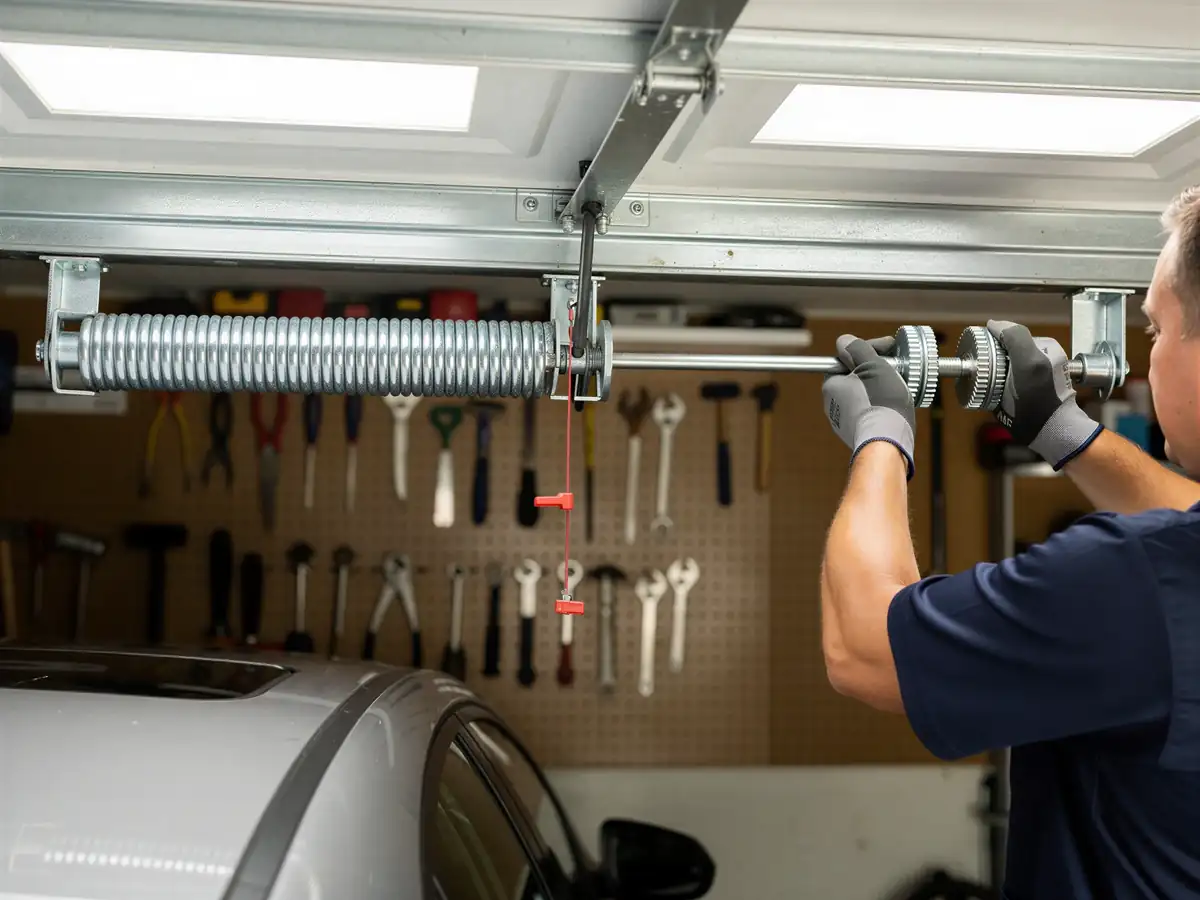
With the median build year sitting around 1991 and the heaviest concentration from the 1980s and 90s across the area's 16 named neighborhoods. That matters for maintenance because a door installed in 1988 has had three decades of spring cycles, track wear, and hardware fatigue that a door built in 2015 hasn't seen yet. Galvanized torsion springs from that era are rated for a set number of cycles, and most of them are well past the point where a homeowner should assume they're fine just because the door still goes up.
The climate here runs moderate on heat
Which is kinder to doors than a true desert zone, but summer heat still swells wood-composite panels and dries out factory lubricant on rollers and hinges faster than owners expect. Combine that with original 1980s-90s hardware and you get the two most common calls we see: a spring that's lost tension gradually rather than snapping outright, and rollers that have gone from quiet to grinding over a year or two. Neither shows up overnight. Both show up on schedule if nobody's looked at the door since it was installed.
The Symptom
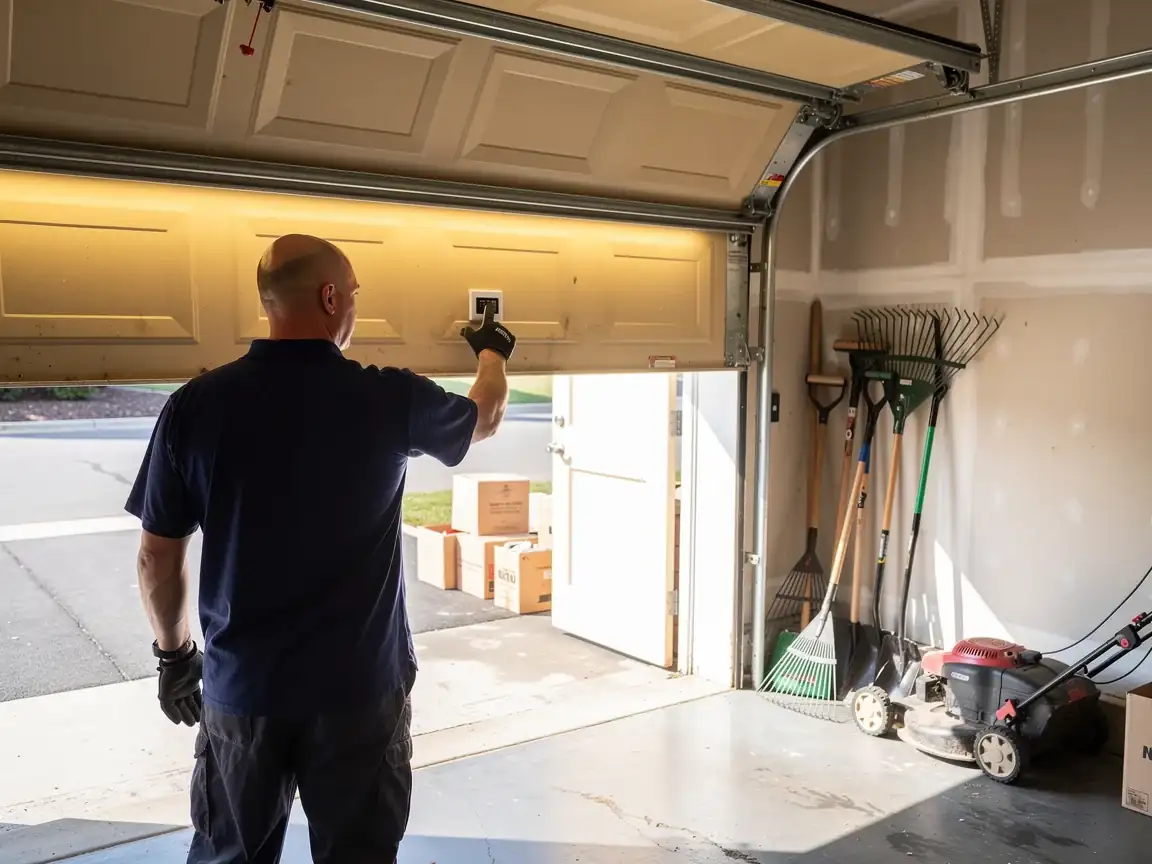
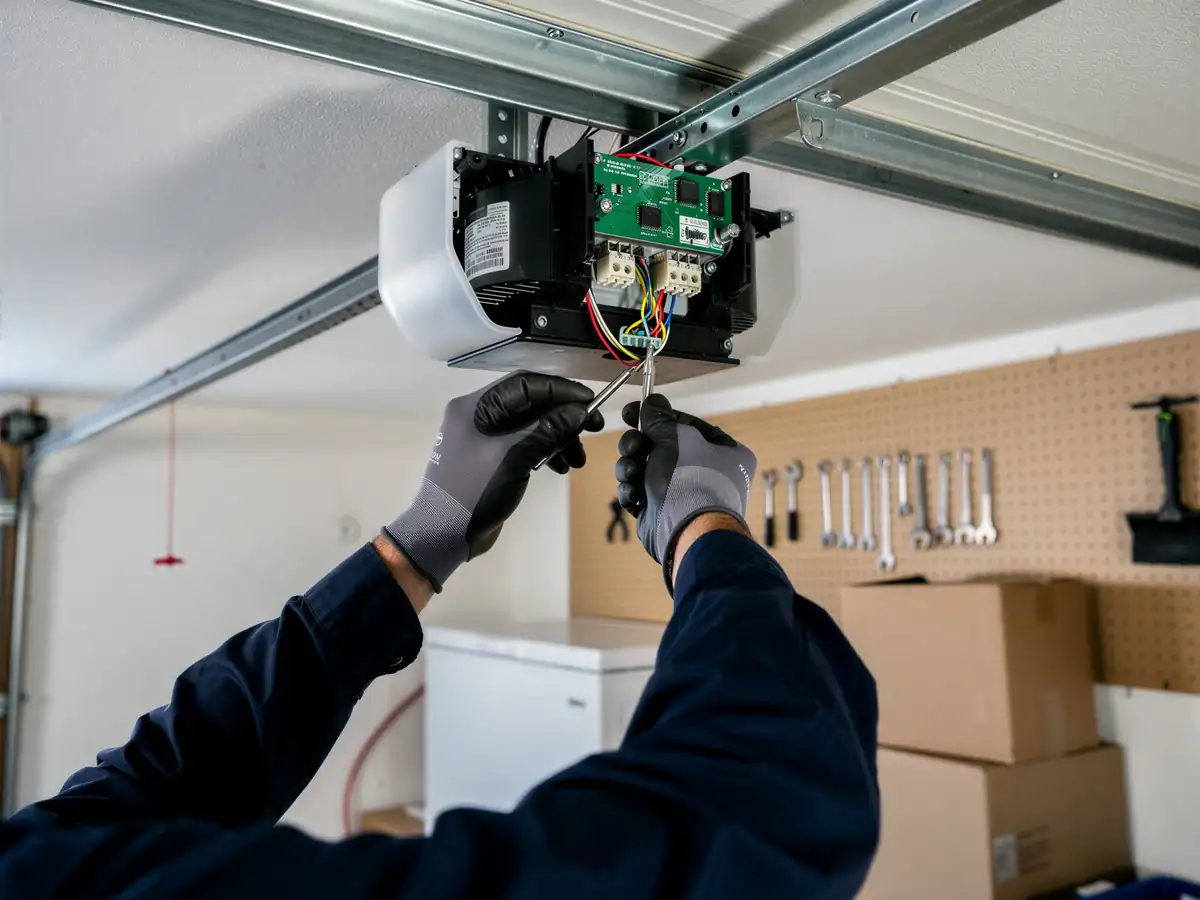
The door that used to glide now hesitates for a half-second before it moves, or it closes a little crooked and taps one side of the frame on the way down. Sometimes it's a louder motor strain on an opener that's doing more work than it used to because the springs aren't carrying their share of the weight anymore. On older torsion setups common in this area's 1980s-90s builds, you'll often hear a rhythmic squeak from a roller that's dry, not broken - and that's the one that's cheap to fix if you catch it before it seizes.
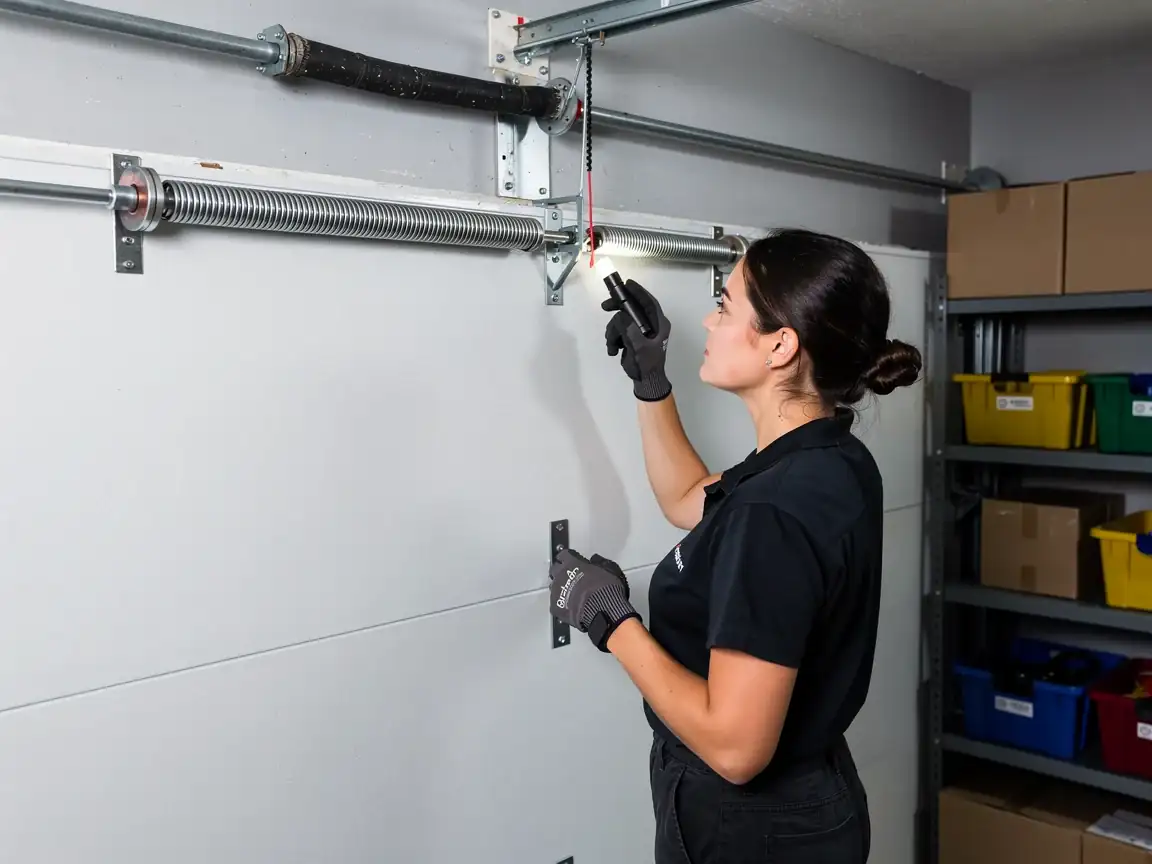
A door that drops faster than it should, or one that won't stay up when you disconnect the opener and lift it by hand, is telling you the springs are losing their tension curve. That's wear from age and cycle count, not a one-time event, which is why it tracks so closely with the build years across the service area rather than any single incident. If your door is doing any of this, it's not asking for a new opener - it's asking for someone to look at the springs, cables, and rollers before one of them fails under load.
Booking a Visit
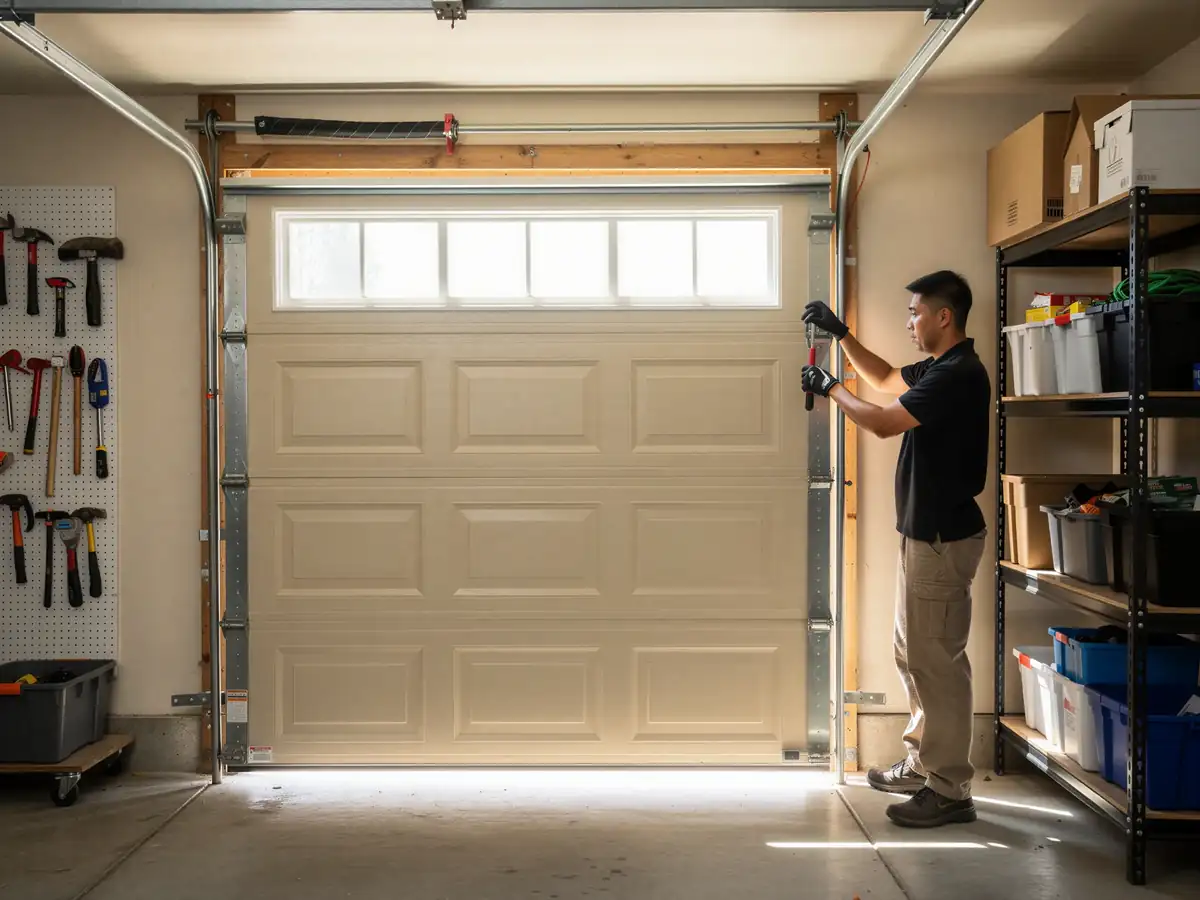
We run maintenance visits across Cedar Hill and into the surrounding towns we work - Ovilla about 5 miles out, Glenn Heights around 6, Oak Leaf and Midlothian both about 8, Lancaster at 11, Venus at 13, and farther out to Hutchins, Kennedale, Rendon, Wilmer, Ferris, Forest Hill, Maypearl, Everman, Highland Park, and Alvarado, all in the 15-to-19-mile range. A maintenance call covers a full check of springs, cables, rollers, hinges, track alignment, and opener force settings - the same list regardless of which part of the service area you're in, because the hardware ages the same way across these 1980s-90s builds.
We'll tell you straight if a spring or cable is close to the end of its cycle life versus if it's got years left. We won't try to sell you a full replacement when a lube-and-adjust visit solves it, and we won't tell you everything's fine if it isn't. Booking is simple - call or reach out through the site and we'll get a visit on the schedule.
What You Pay
We don't publish a flat maintenance rate here because the right service depends on what we find
A door that just needs lubrication and a track alignment costs less than one where a spring is near failure and needs replacing on the spot. What we can tell you is that Cedar Hill's median household income runs around $77,161 with roughly 36,958 owner-occupied houses in the service area, and most of the maintenance work we do here is preventive: catching a spring or roller before it fails rather than after, which is almost always the cheaper visit.
- $77,161 median household income
- 36,958 owner-occupied
One honest limit: if your opener or hardware is old enough that parts are discontinued, maintenance can only do so much
And we'll say so rather than charging you for a tune-up on a door that really needs new springs or a new opener. We'll give you a number before we do any work, not after.