What Causes It Around Here
Most of the homes we work on in this service area went up between 1969 and 2014
With the bulk of that stock dating to the 1980s and 90s. That matters for openers because a unit installed when the house was built, or replaced once in the 2000s, is now old enough that its logic board, capacitor, and safety sensors have been through two or three decades of heat cycling.
The climate band here runs moderate-to-heavy heat
And an opener motor mounted in an unconditioned garage spends a good chunk of the year sitting at attic-adjacent temperatures. Heat doesn't just wear out belts and gears faster, it's hard on the circuit board solder joints and on the photo-eye sensors at the bottom of the track, which is why we see a steady stream of calls where the door works fine by hand but the opener won't fire, or fires and then reverses for no reason anyone can see.
Across the 16 named communities we cover, the pattern repeats because the build eras repeat
A 1991-vintage opener in one subdivision fails the same way as a 1991-vintage opener fifteen miles away. The houses are different; the failure mode is not.
The Symptom
The most common call we get is a door that won't respond to the remote or the wall button at all, even though the motor hums or the light turns on. Right behind that: a door that opens but refuses to close, usually a sign the safety sensors are dirty, knocked out of alignment, or simply dying from age.
A third pattern is a door that reverses partway down every time, which owners often assume means the door itself is bent. More often it's the opener's force settings drifting out of spec as the unit ages, especially on openers original to a 1980s or 90s build.
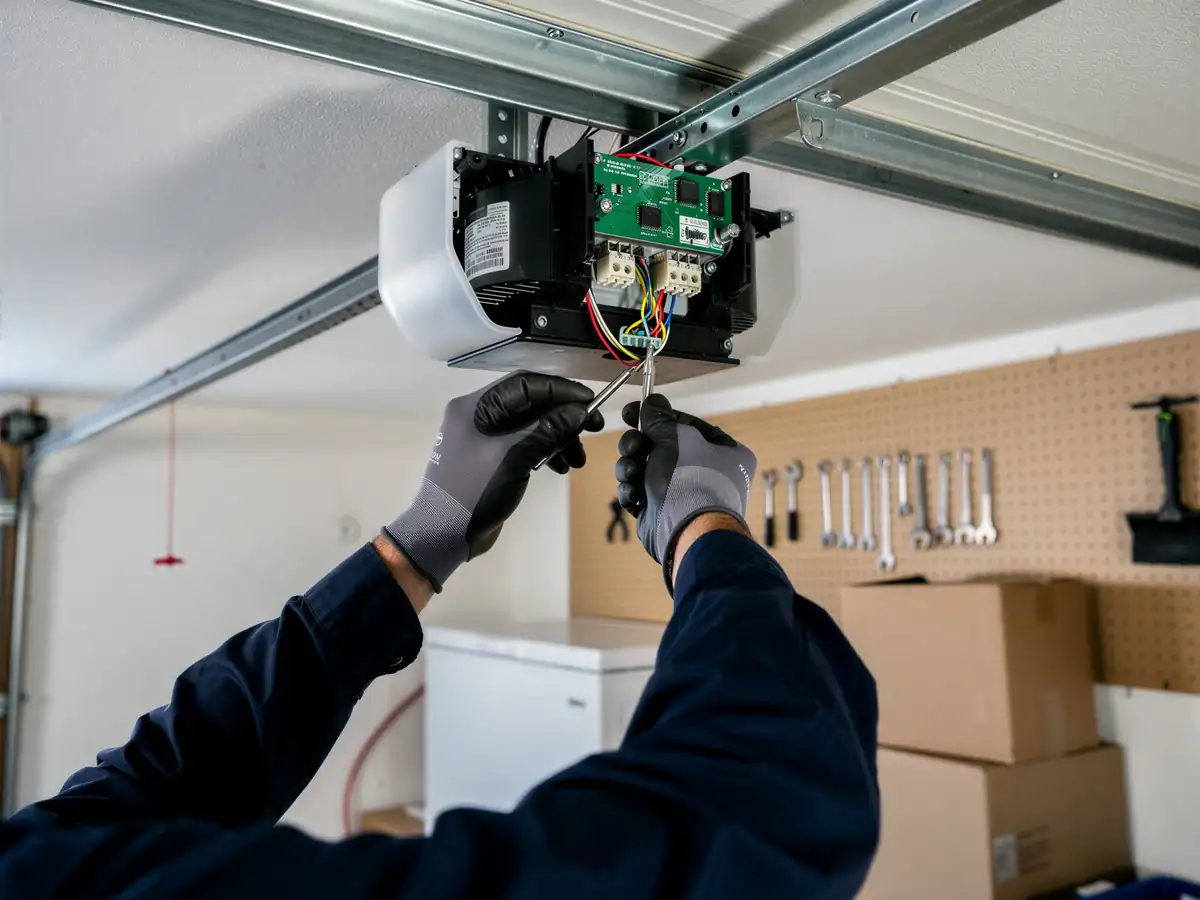
Less common, but worth naming honestly: some calls turn out to be a dead circuit board with no economical repair path. When that happens we'll tell you straight that replacement makes more sense than parts-chasing an opener that's past the point where fixing one component buys you much life.
Booking a Visit
Tell us what the opener is doing - won't close, won't respond, reverses, makes noise but doesn't move the door - and we'll ask a few questions about the age of the unit and whether anything changed recently, like a storm, a power flicker, or a new remote. That narrows down whether we're looking at the sensors, the board, the drive mechanism, or the wiring before the truck ever rolls.
We serve Cedar Hill and the surrounding communities, including Ovilla, Glenn Heights, Oak Leaf, Midlothian, Lancaster, Venus, Hutchins, Kennedale, Rendon, Wilmer, Ferris, Forest Hill, Maypearl, Everman, Highland Park, and Alvarado. If you're in one of those towns, say so when you call so we can route the job efficiently.
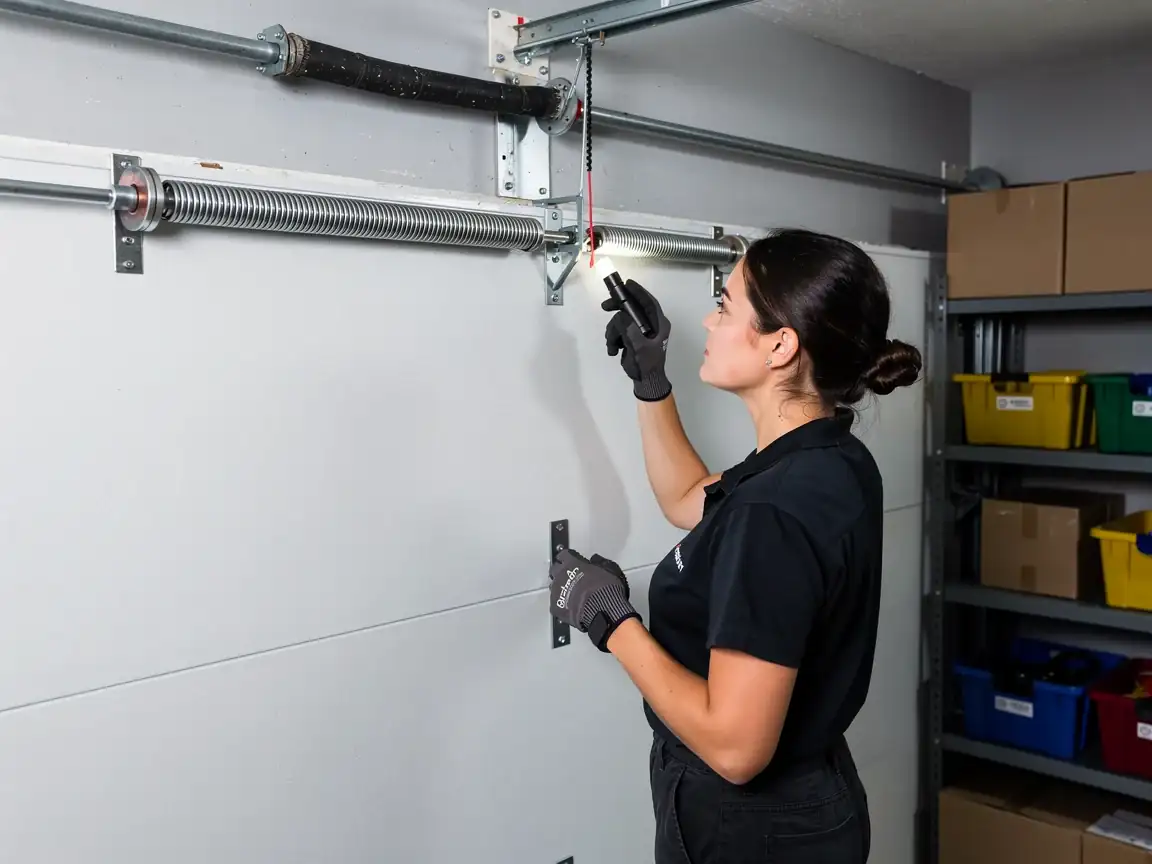
Once we're on site, we test the opener's logic board, sensor alignment, and drive system before touching anything, and we'll show you what's actually wrong rather than just swapping parts until something works.
What You Pay
We don't post a flat number for opener repair because the cost depends on what's actually broken
A sensor realignment is a different job than a board replacement, and a motor that's seized is different again from one that just needs a new drive gear. What we can tell you is that we diagnose first and quote the repair before we start work, so you're not guessing.
Household incomes across this service area run above the state median
And most owners we talk to would rather pay for an honest fix once than get nickel-and-dimed on return visits. If your opener is original to a home built in the 1980s or 90s, we'll usually walk you through whether repair or full replacement makes more financial sense once we've seen the unit, since a board replacement on a twenty-plus-year-old motor sometimes costs more than starting fresh.