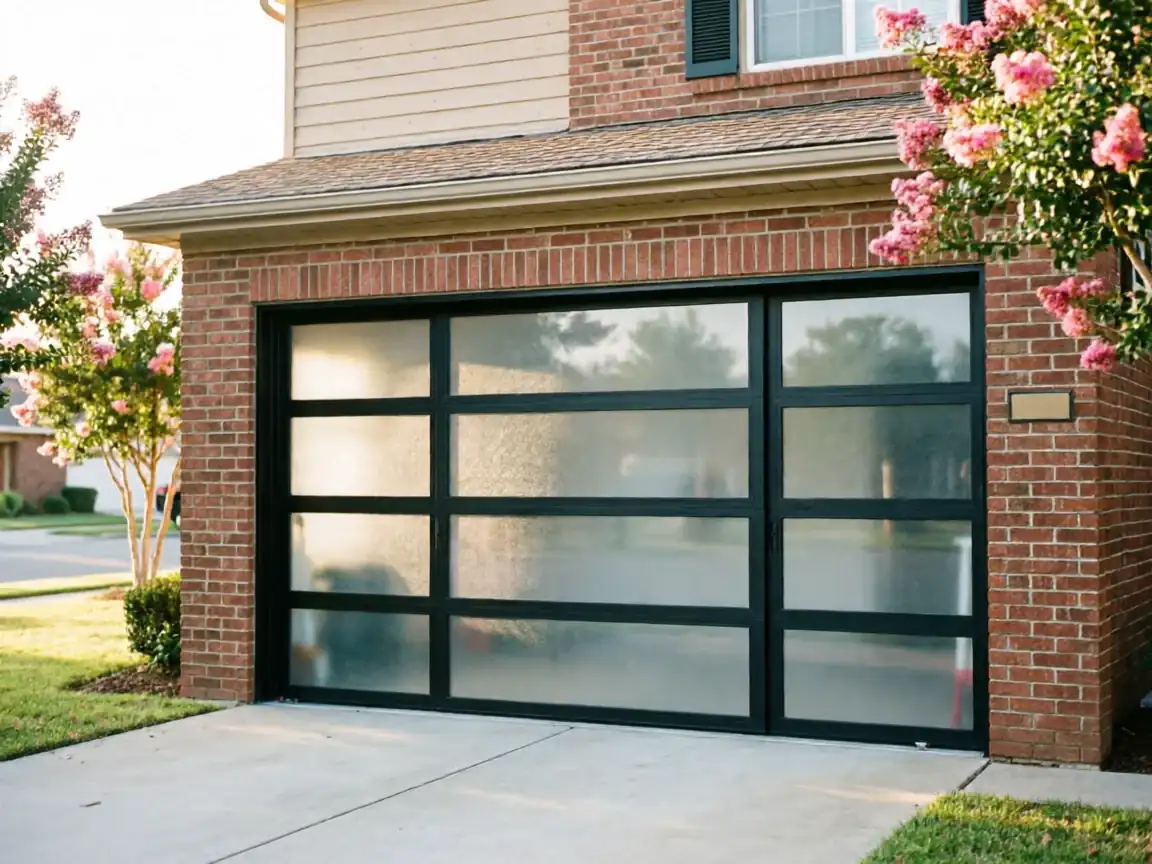
Lancaster homes mostly date to around 1990, close to the wider service area's 1969-2014 range. We travel 11 miles from Cedar Hill for spring, opener, and panel repairs.
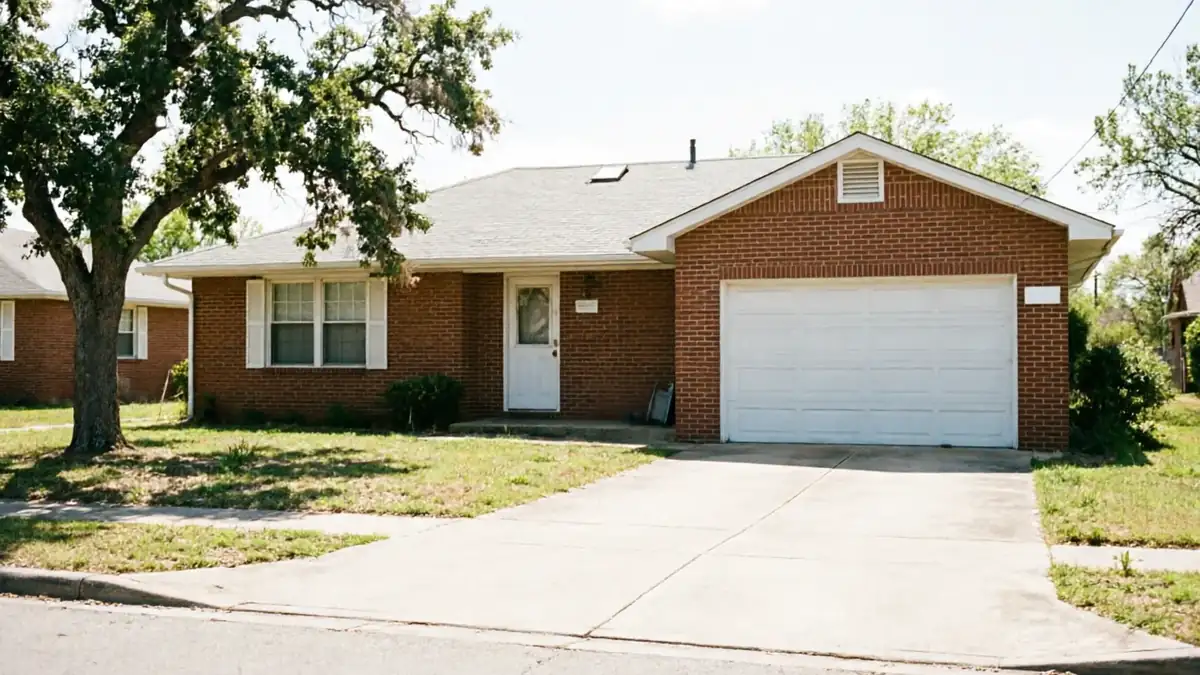
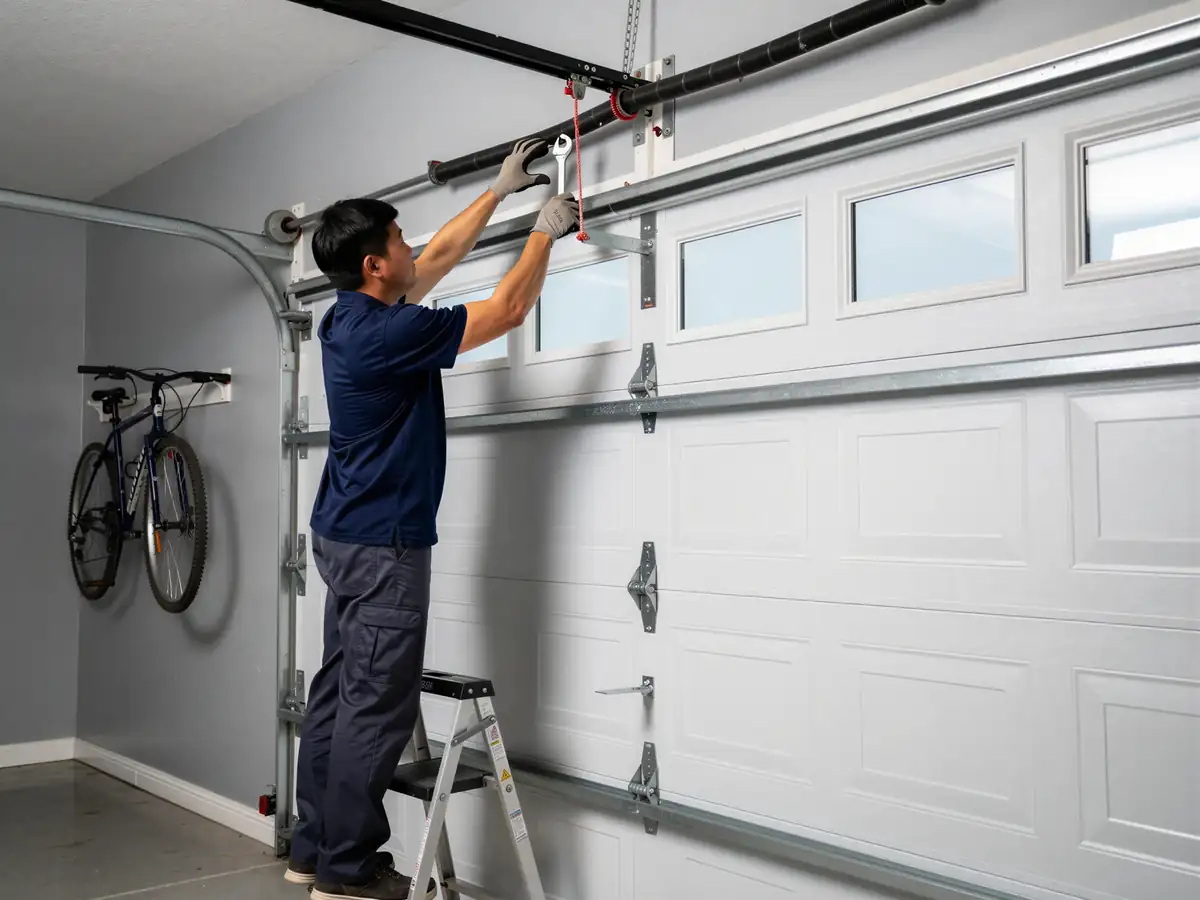
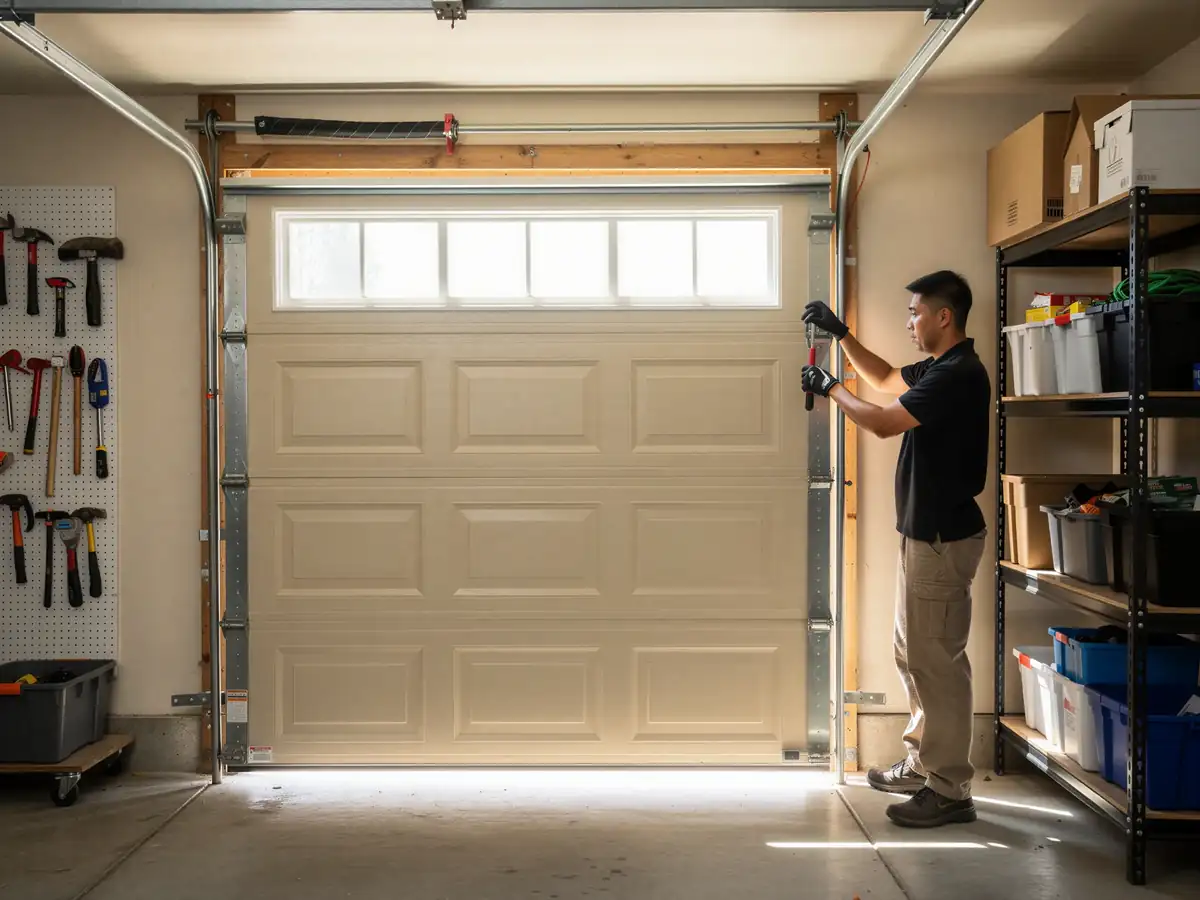
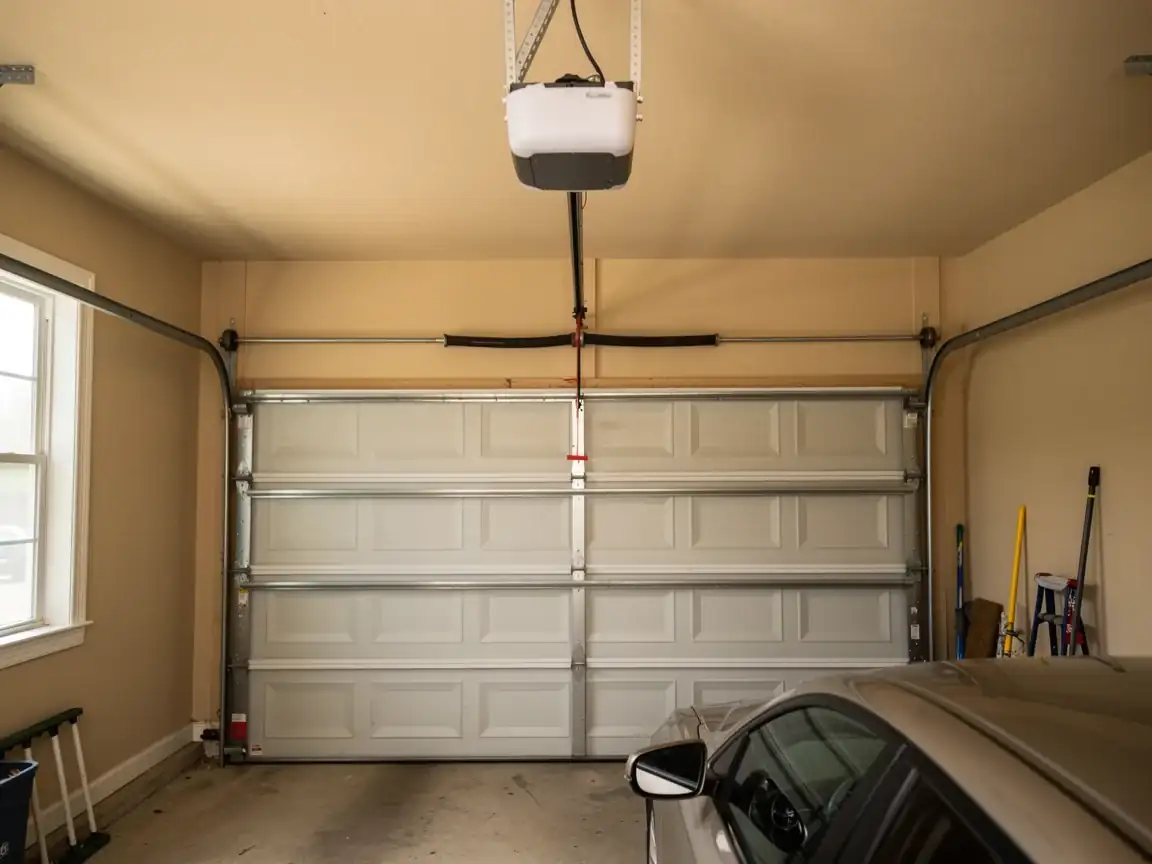
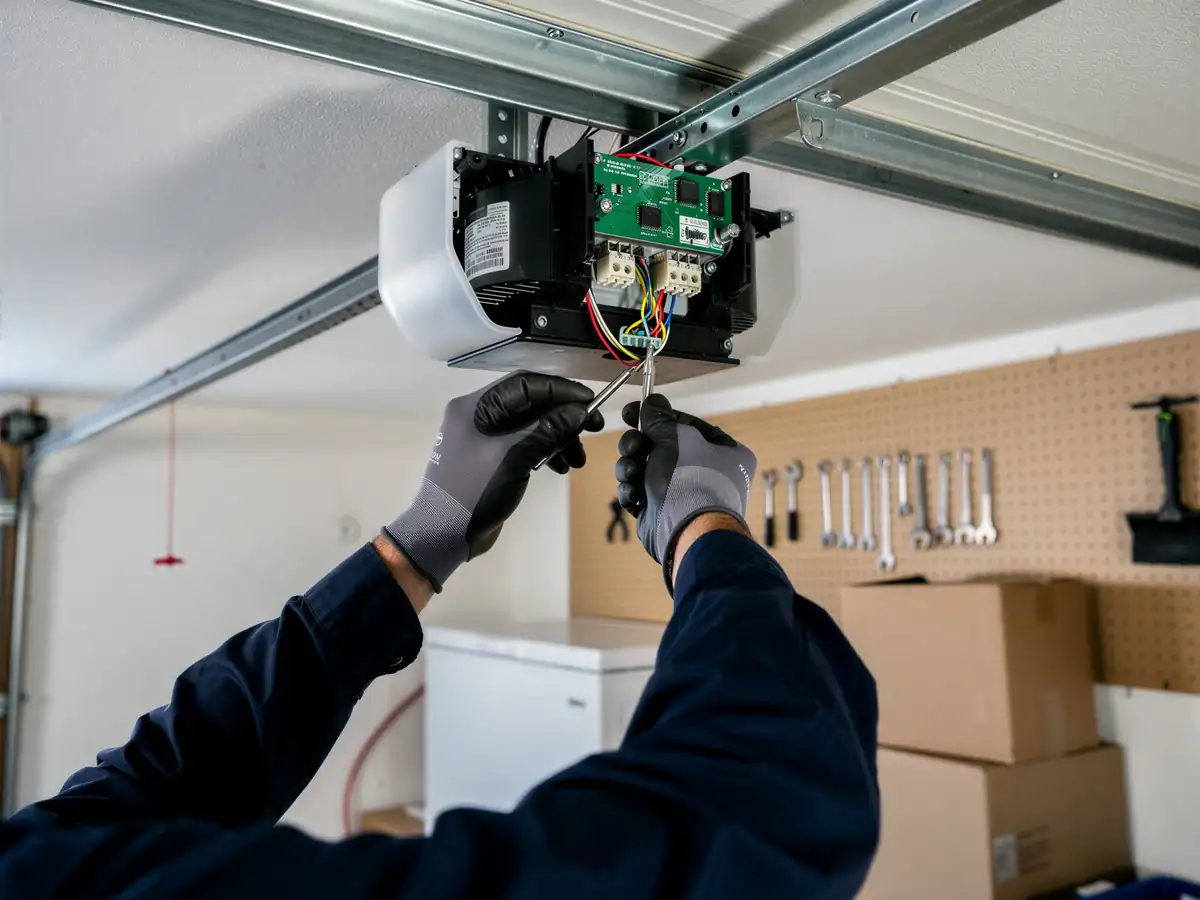
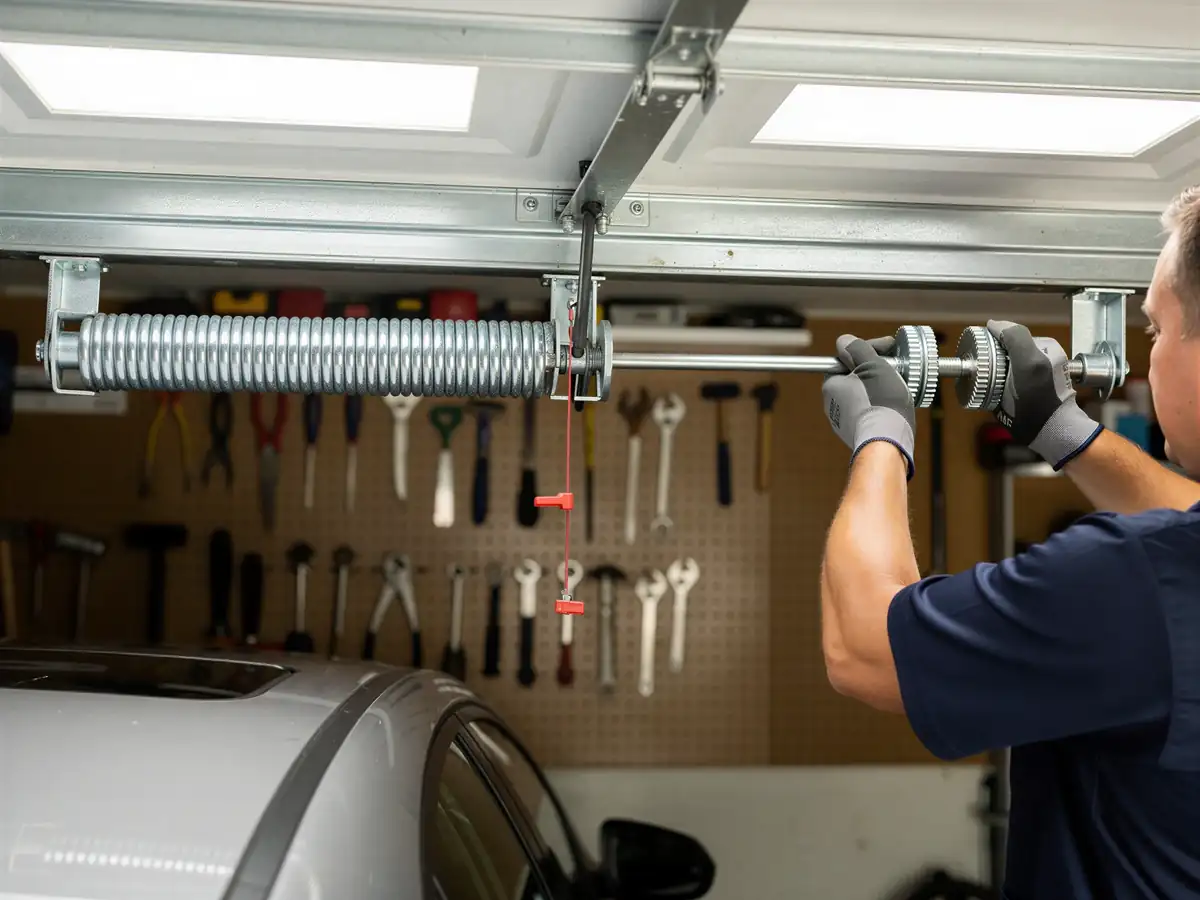
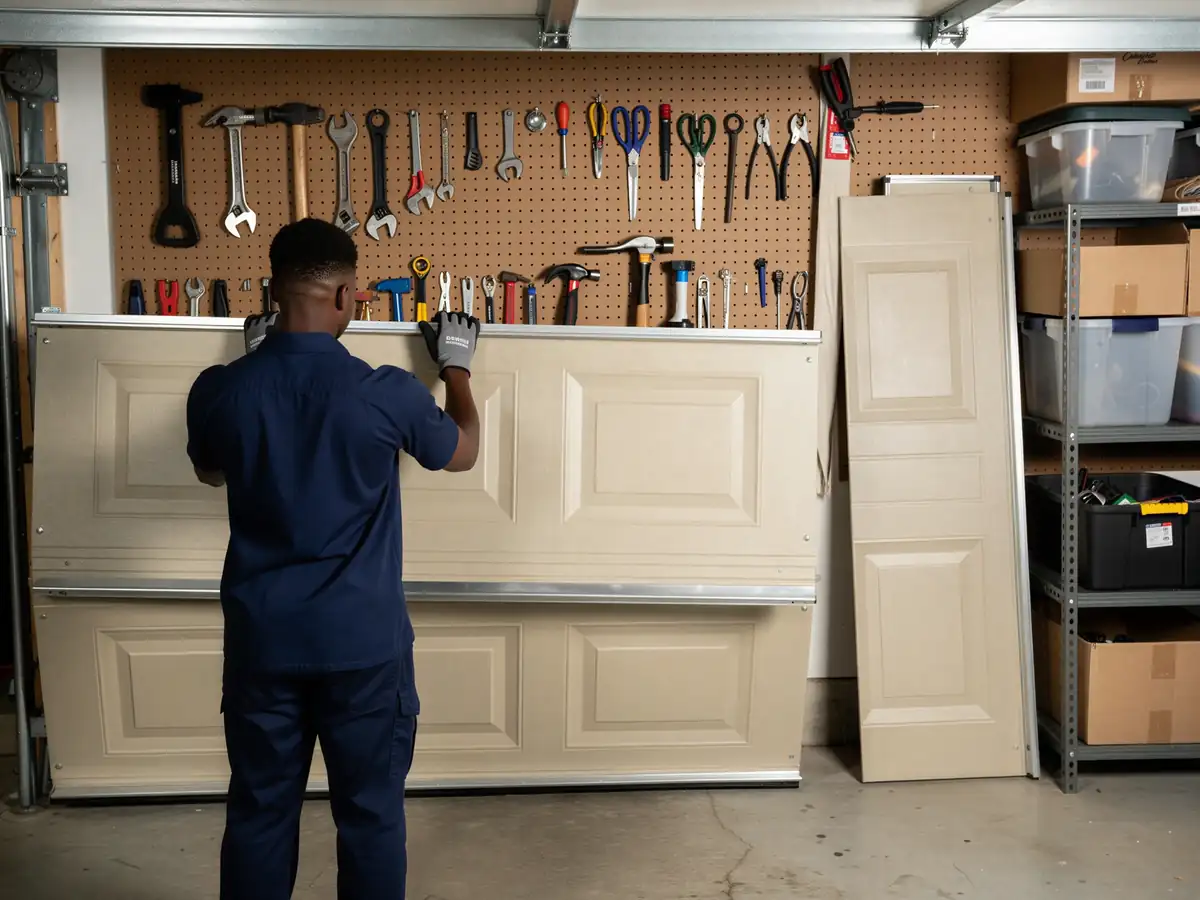
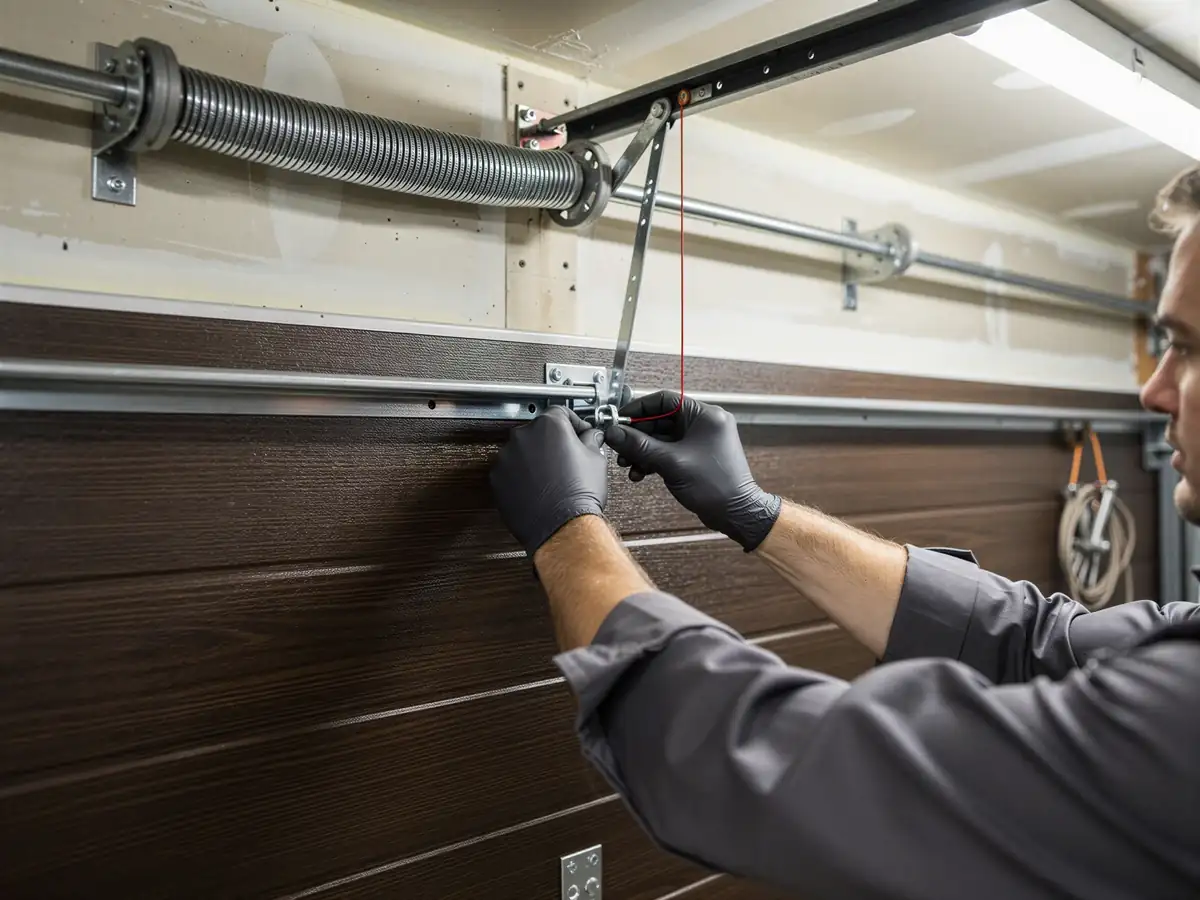
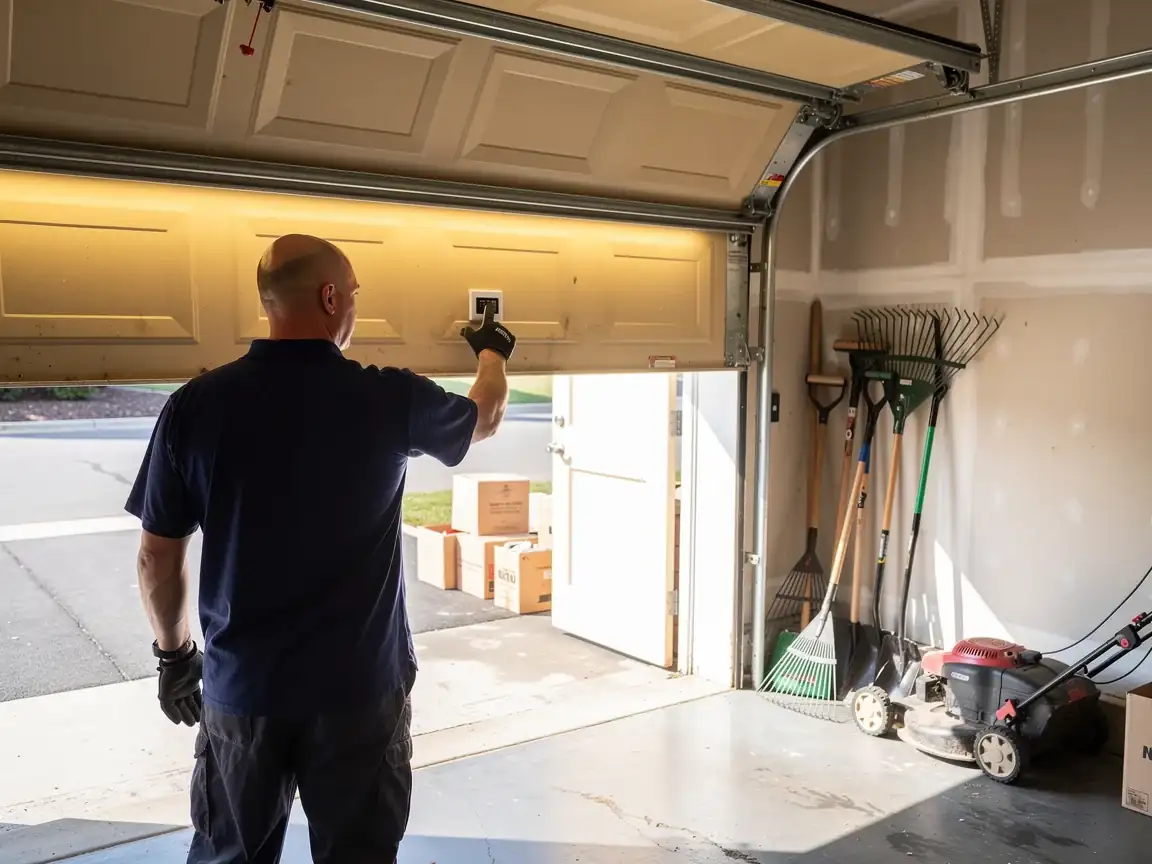
Lancaster's housing stock centers on a median build year of 1990, which puts it almost squarely in the middle of the broader service area's 1969-2014 range and close to that area's own median of 1991. That matters more than it sounds like it should. A door installed in 1990 is on its second or third opener by now, and the torsion spring that came with the house has almost certainly been swapped at least once, sometimes by whoever owned the place before. What you tend to see on these doors: steel sectional panels, extension or torsion springs depending on who did the last repair, and openers that are either original chain-drive units limping along or newer belt-drive replacements bolted onto the old rail bracket. We don't find a lot of the oddball hardware you get in much older housing stock - no knob-and-tube wiring issues, no doors built before galvanized torsion springs were standard. The common failure here is wear, not mismatch: worn rollers, stretched cables, openers that have simply logged enough cycles to quit.
What Was Built Here
With roughly 14,648 households in the Lancaster area, most homes were framed during the same general stretch as the rest of the service area covered by the 1969-2014 housing data, and Lancaster's own median year built of 1990 sits right in that window. Median household income here runs about $67,584, which is lower than the $77,161 median across the full service area - a gap worth naming because it tends to show up in how homeowners approach repair decisions. We see more requests for spring and roller fixes that extend a door's life, fewer requests for premium insulated replacements. Neither approach is wrong. A 30-year-old steel door with a bad spring is usually a repair job, not a reason to replace the whole unit, and we'll say so plainly if that's what the door needs.
When We Can Get There
We run out of Cedar Hill, and Lancaster sits about 11 miles out, per our own service radius listing. That's not far, but it's also not a neighborhood we're parked in - we're not going to claim a depot or a guaranteed same-hour window here. What we can say is that Lancaster is inside the coverage area we actually list and travel to, alongside places like Ovilla, Glenn Heights, Oak Leaf, and Midlothian that sit closer in, and Hutchins, Kennedale, and Ferris that sit farther out. Call ahead and we'll give you a real window for the day, not a promise we can't back up from across town.
Older vs Newer Streets
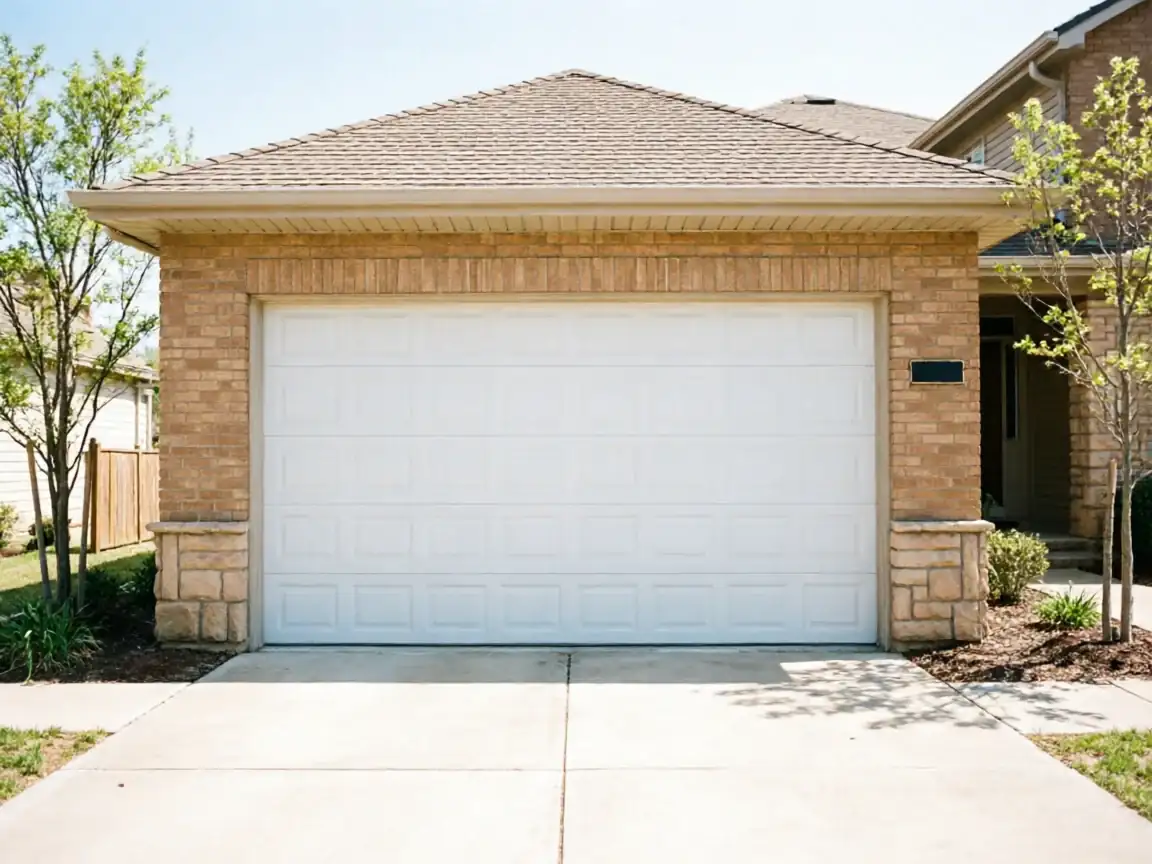
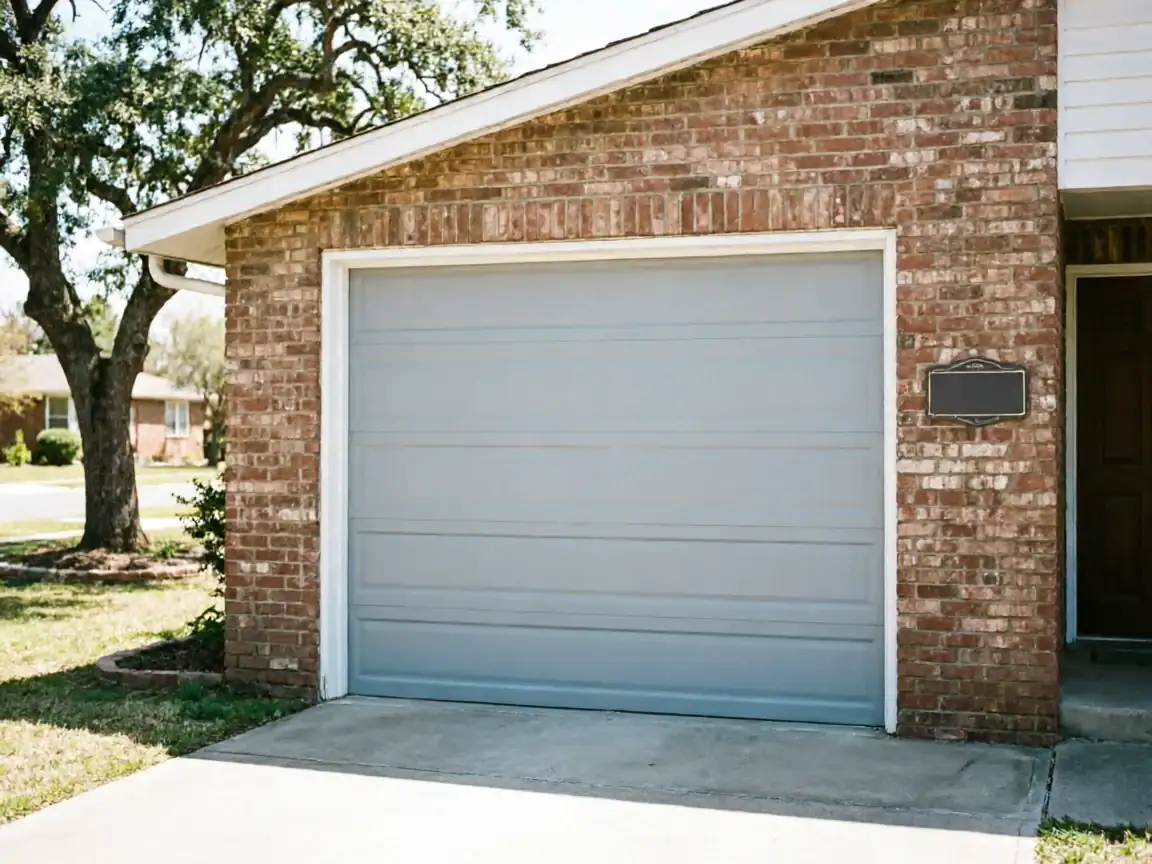
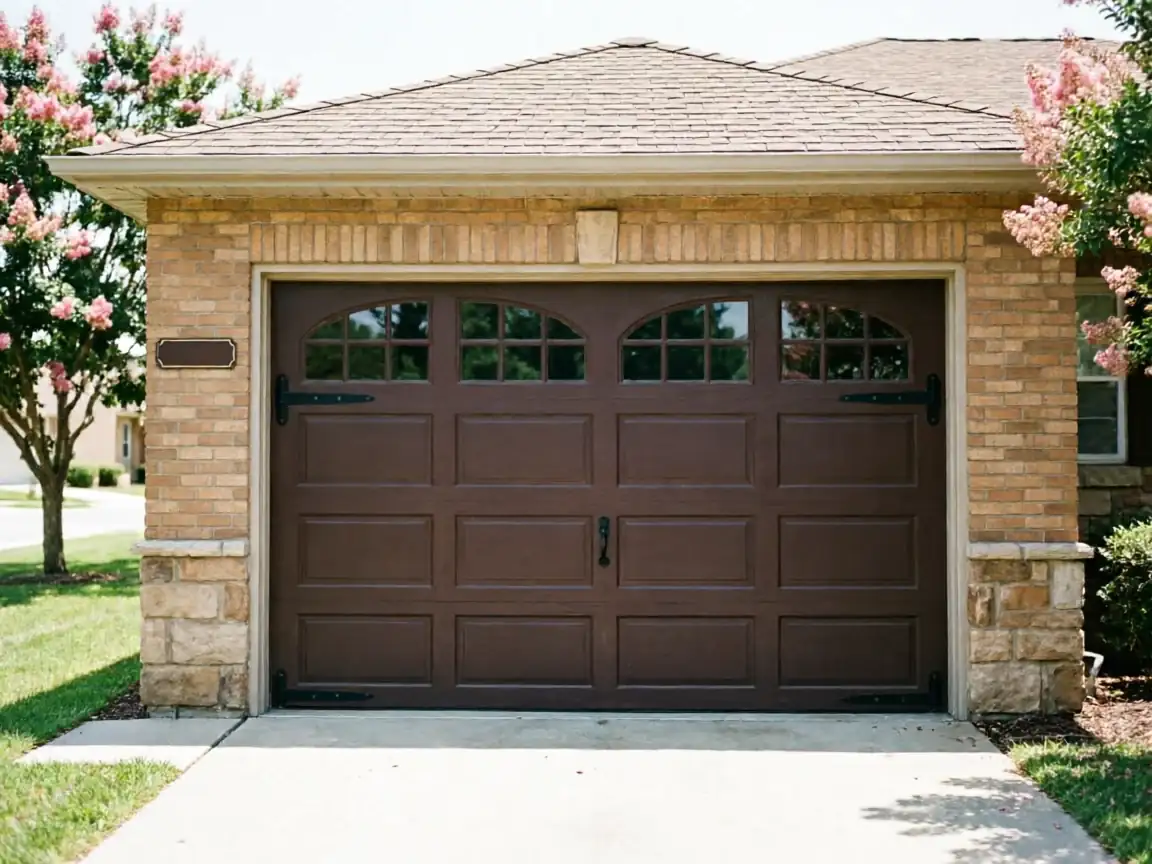
Because Lancaster's build years cluster close to 1990 rather than spreading across decades, you don't see the sharp split between 'old street' and 'new street' hardware that shows up in places with a wider range, like the 1969-2014 spread across the broader service area. Most houses here are old enough that the original springs are long gone, but young enough that the door openings and track sizes are standard - nothing from the pre-code era that needs a custom panel order. The honest limitation: if a door was replaced with a non-standard track width at some point, parts can still take longer to source than a stock size, and we'll tell you that up front rather than guess at a delivery date. For the most part, though, a 1990-era Lancaster door and its neighbor two streets over are running the same bones.
How it works
From “it’s stuck” to “it’s fixed”
1
Tell us what’s wrong
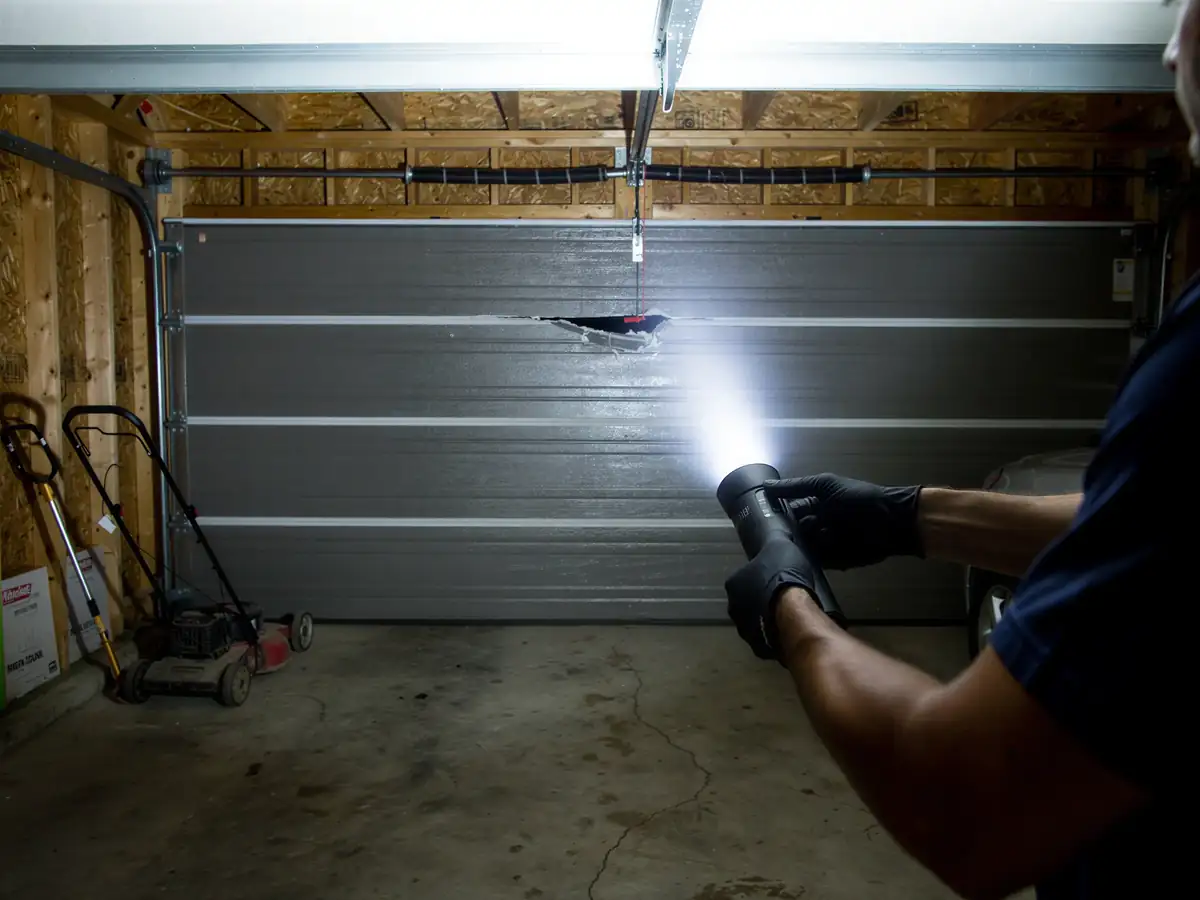
Describe the symptom - won’t open, loud bang, opener runs but the door won’t move.
2
On-site diagnosis
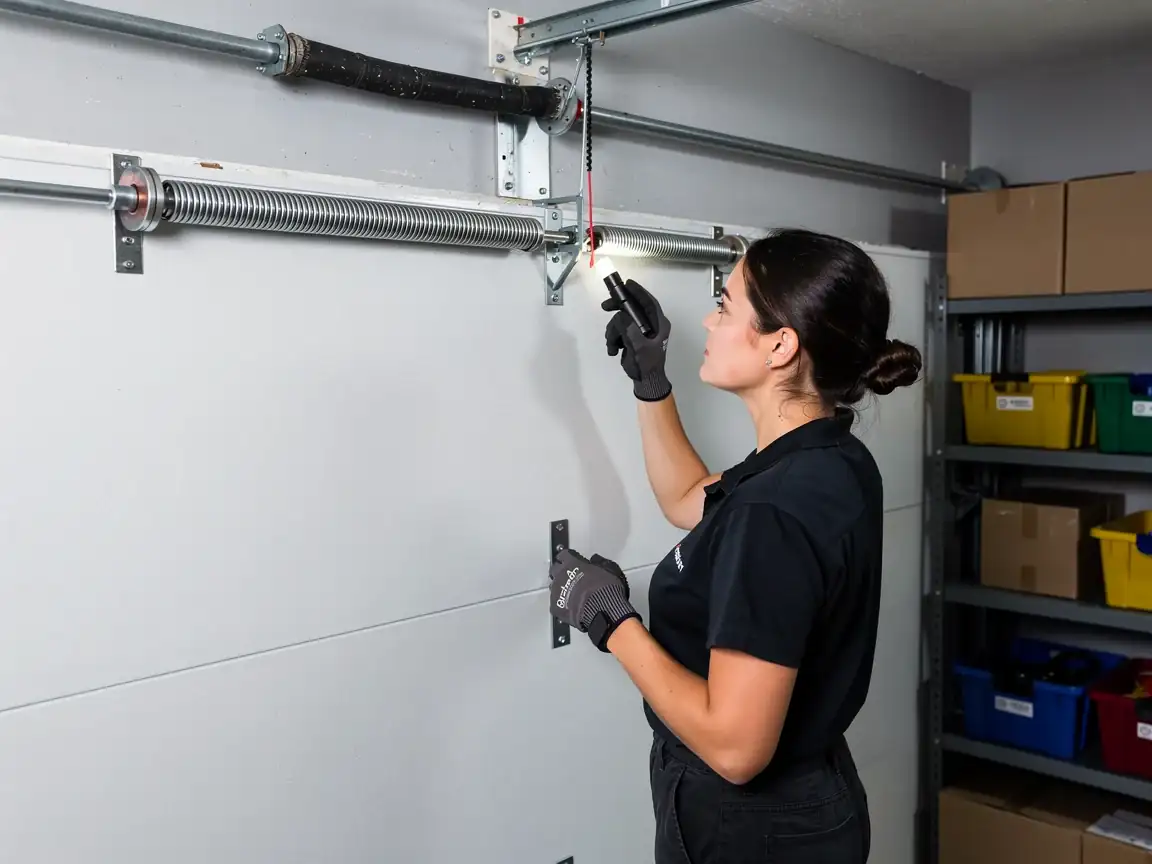
A technician tests the door under power and by hand and finds what actually failed.
3
Clear, up-front plan
You get the fix that’s needed and what drives the cost - before any work starts.
4
Repaired & tested
The repair is done, the door is set true and tested, and the work area left clean.
Not sure which repair your door needs in Cedar Hill, TX? Describe what it’s doing - every job starts with a diagnosis.
Lancaster's median year built is around 1990, which lines up closely with the 1991 median across the wider service area's 1969-2014 build range. That means most doors here are 30-plus years old, often with replaced springs and sometimes a newer opener bolted onto original track hardware.
Do you have a shop in Lancaster?
No. We run out of Cedar Hill, about 11 miles away, and Lancaster is one of the areas within our listed service radius. We don't keep a depot or staff stationed in Lancaster, so we schedule by call rather than promising a fixed response window.
Is it worth replacing a 1990s door instead of repairing it?
Usually not, if the frame and track are sound. Most issues on doors from this era - a worn spring, a stretched cable, a tired opener motor - are straightforward repairs. We'll tell you honestly if a door has enough other wear that replacement makes more sense than another repair.
Ready to get your garage door sorted?
Tell us what it’s doing and where you are in Cedar Hill - we’ll take it from there.