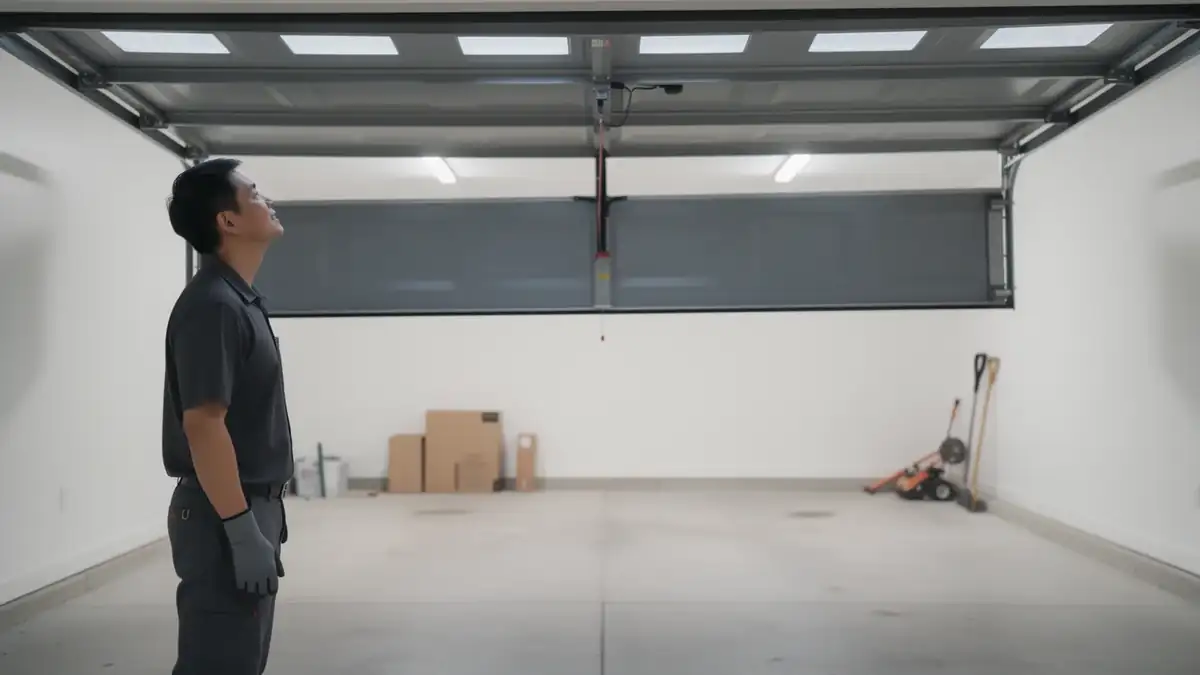
When to Get Help
Not every sound is an emergency, but a few are worth stopping for
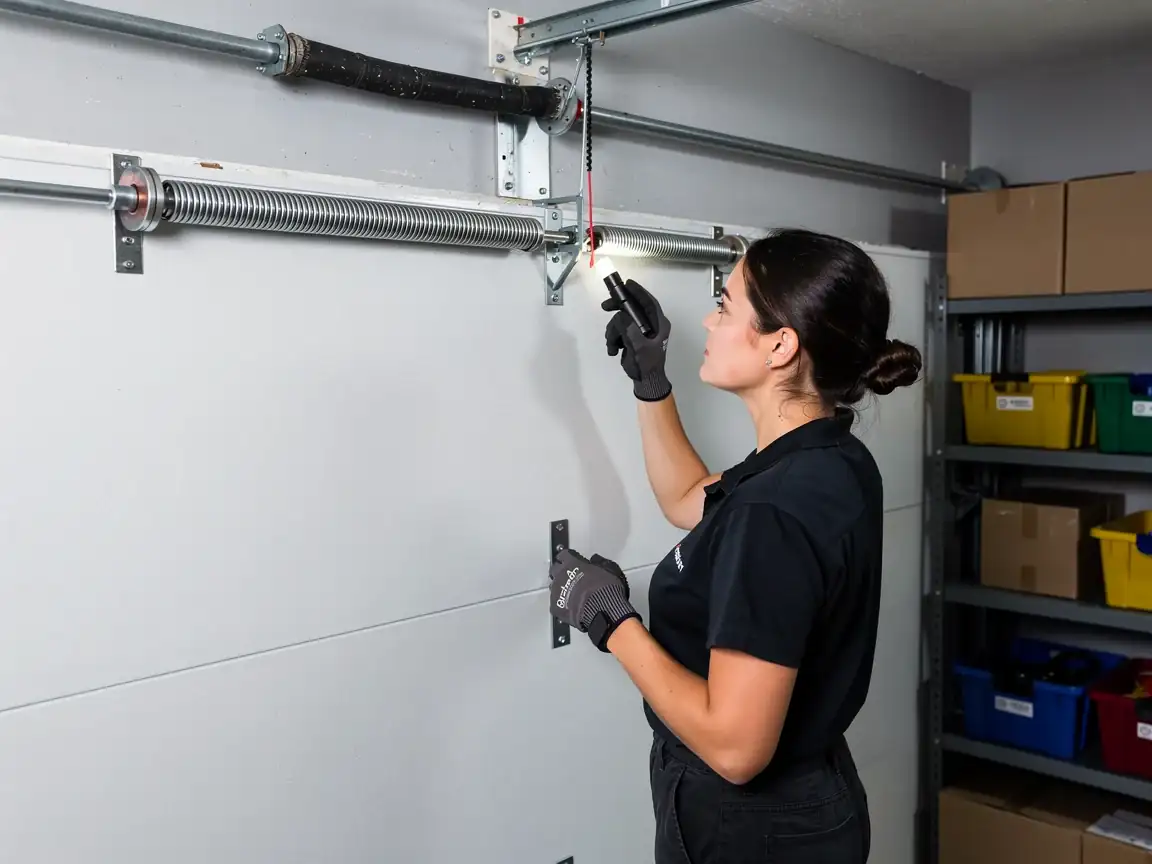
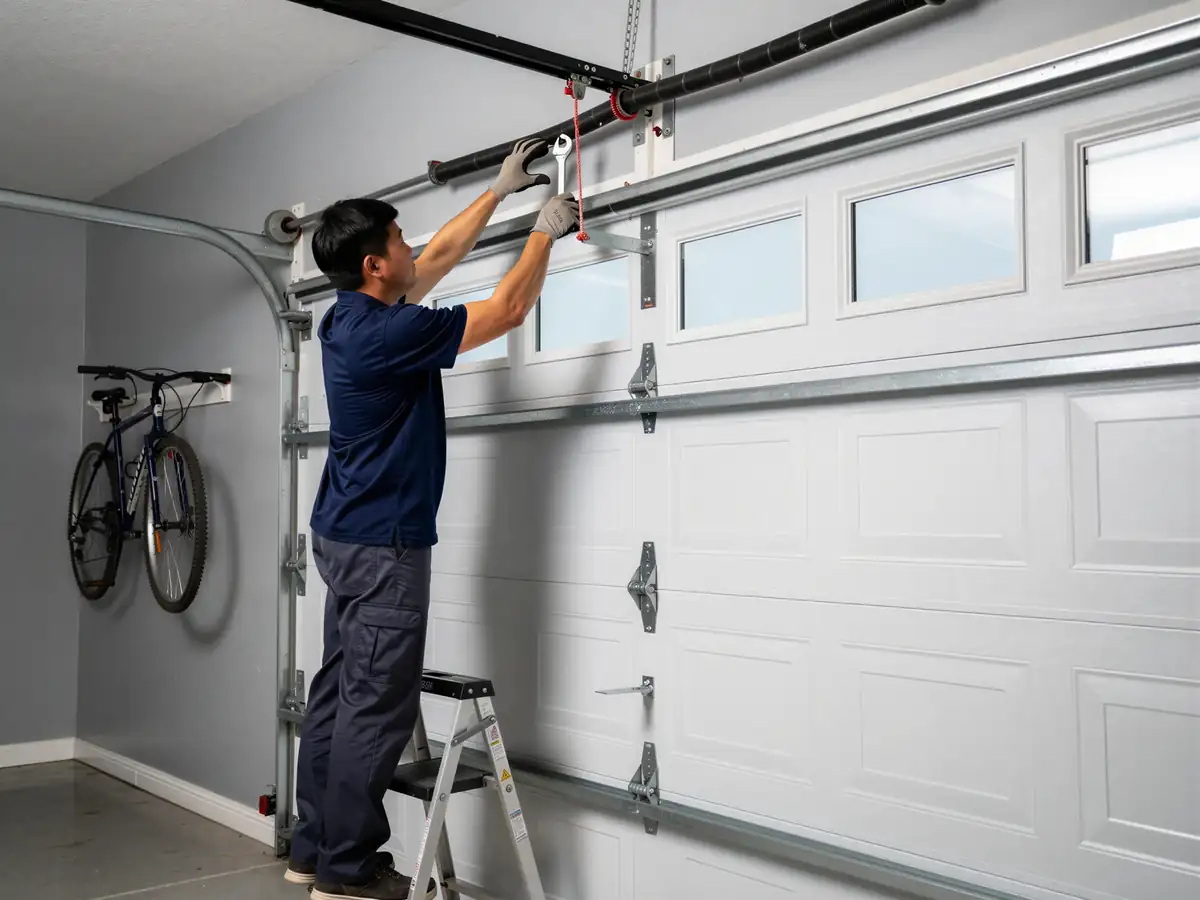
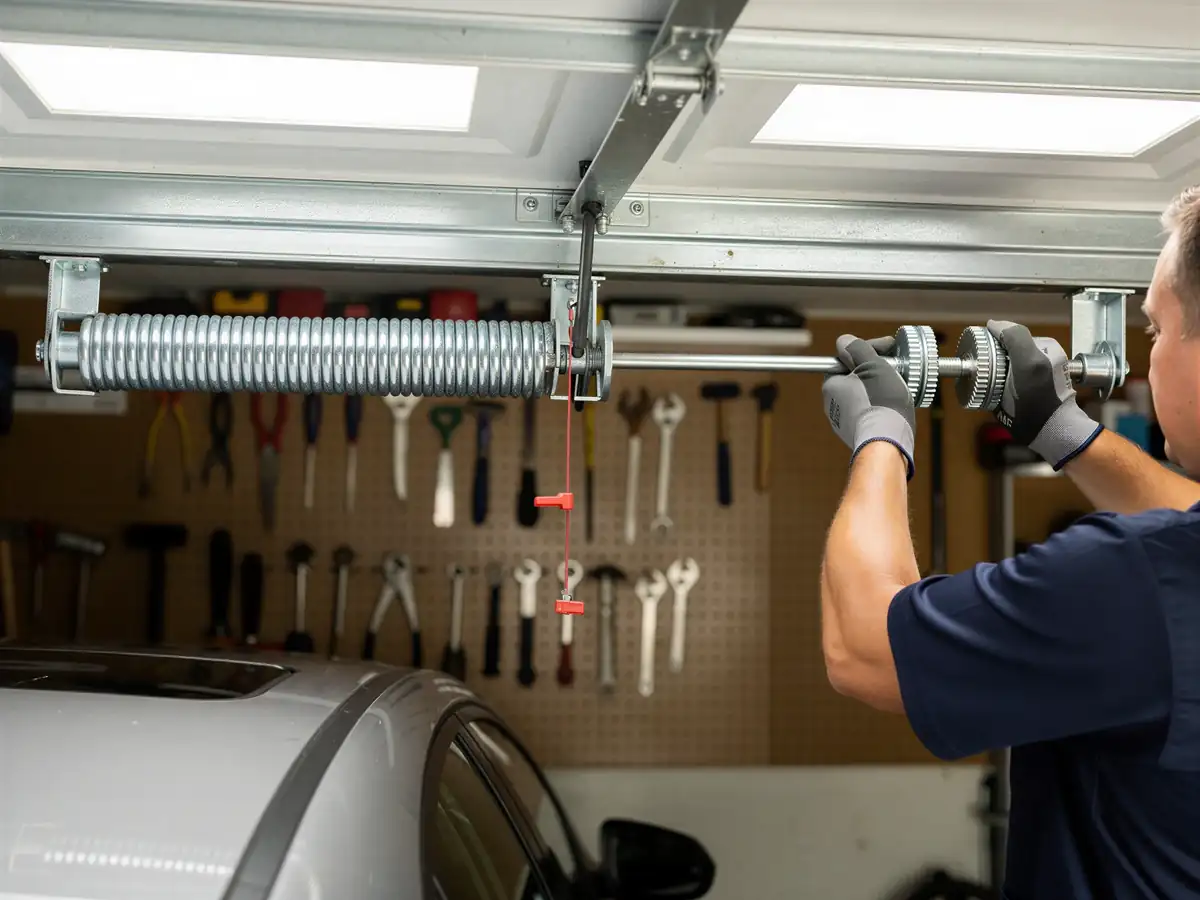
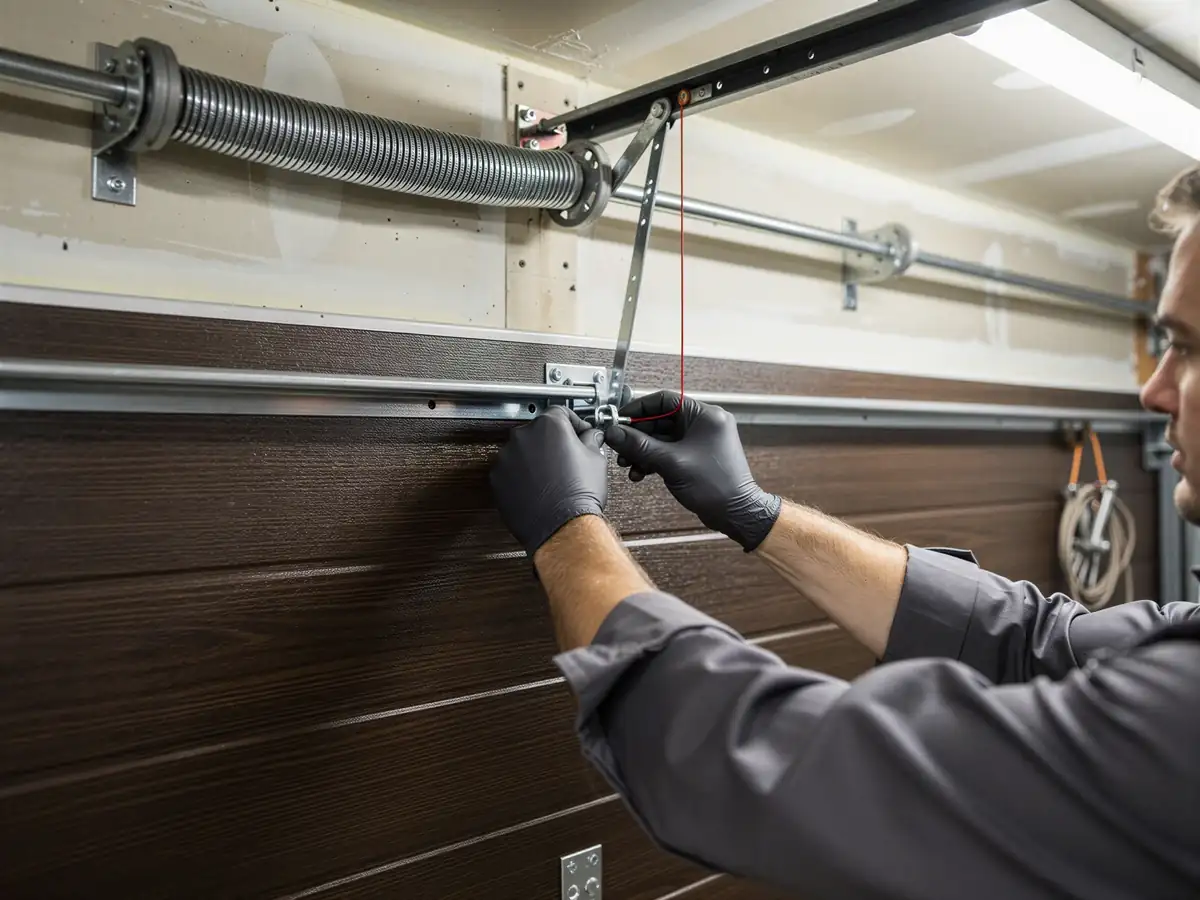
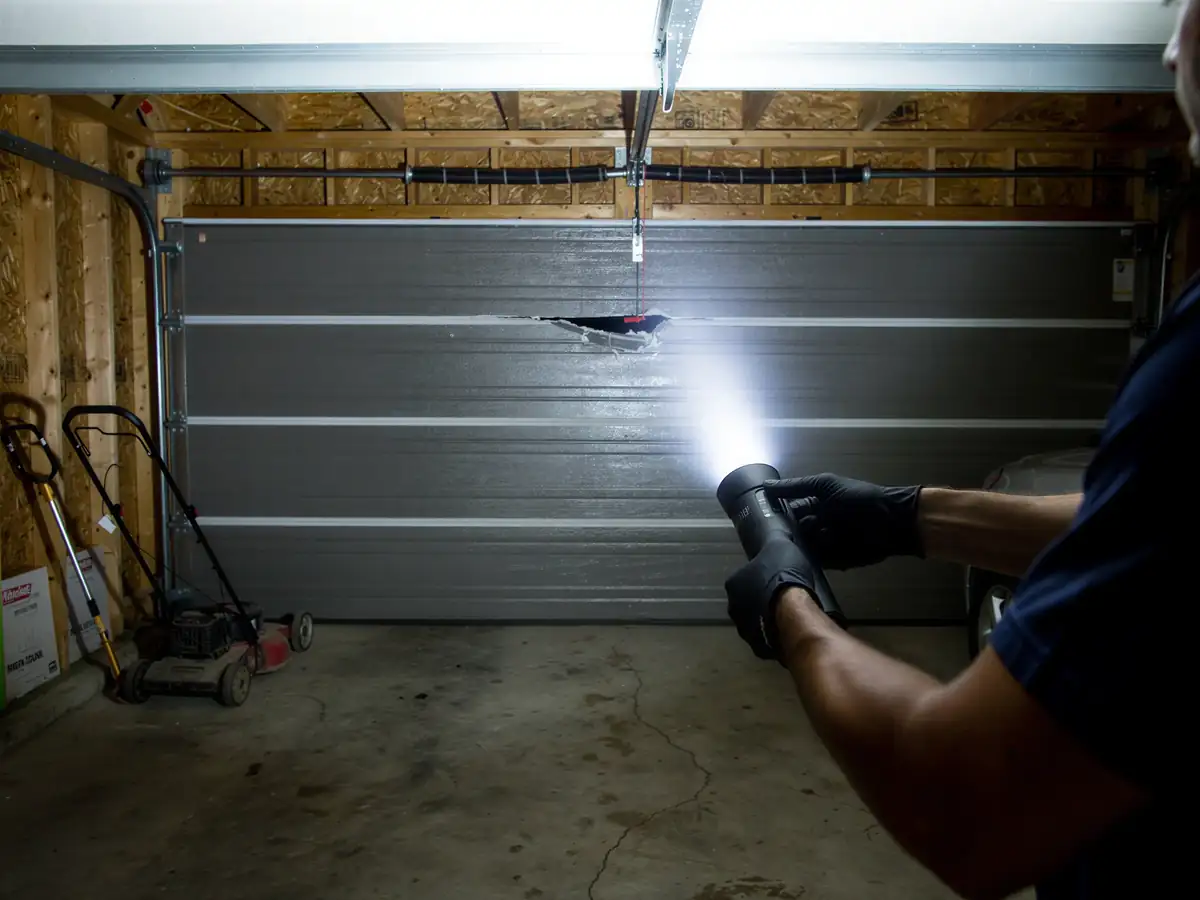
A loud bang followed by the door going slack is almost always a broken torsion spring - don't run the opener again until that's fixed, because the opener isn't built to lift a door with no spring tension and it will burn out trying. A grinding or scraping sound as the door travels usually means a roller has worn through its nylon jacket and is riding on bare metal against the track. A rhythmic thump once per rotation often means a flat spot on a roller or a bent track section.
What doesn't need an emergency call
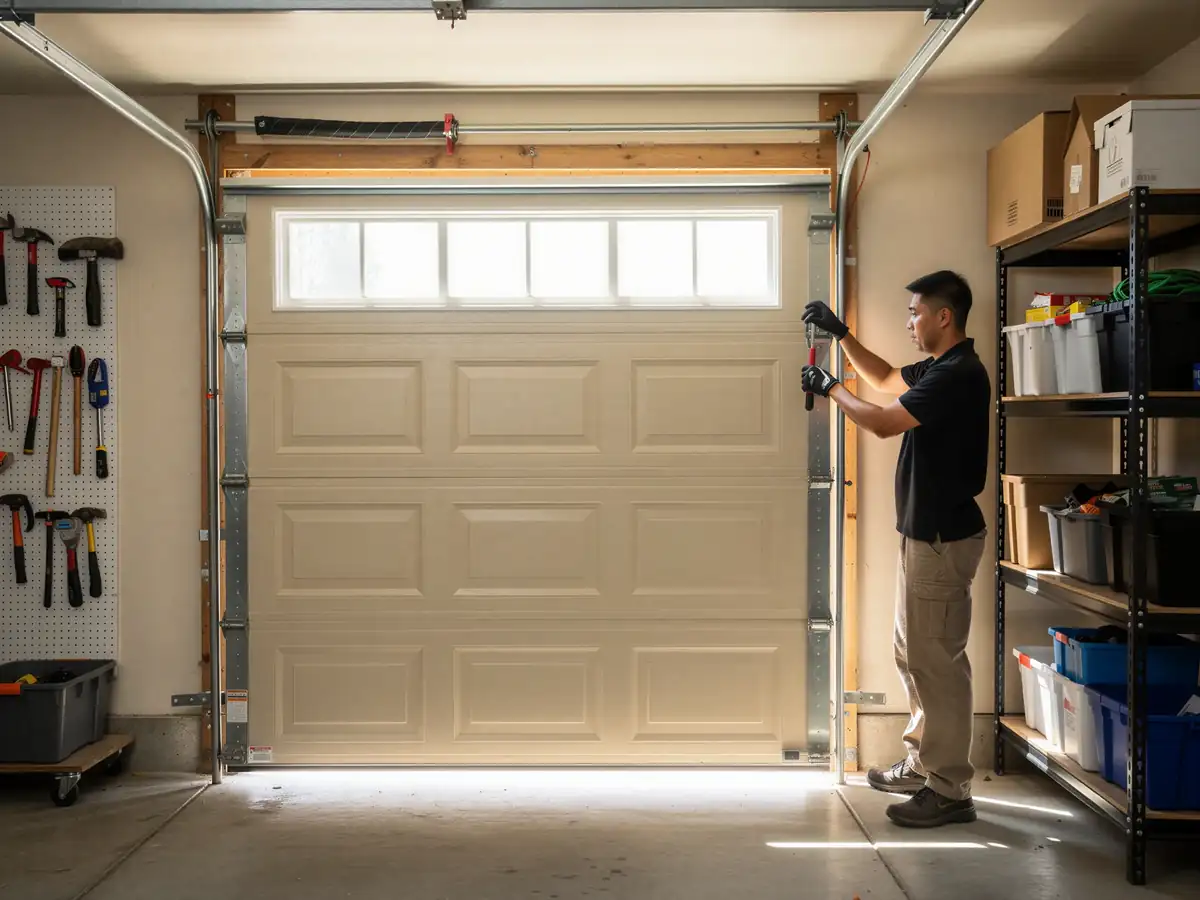
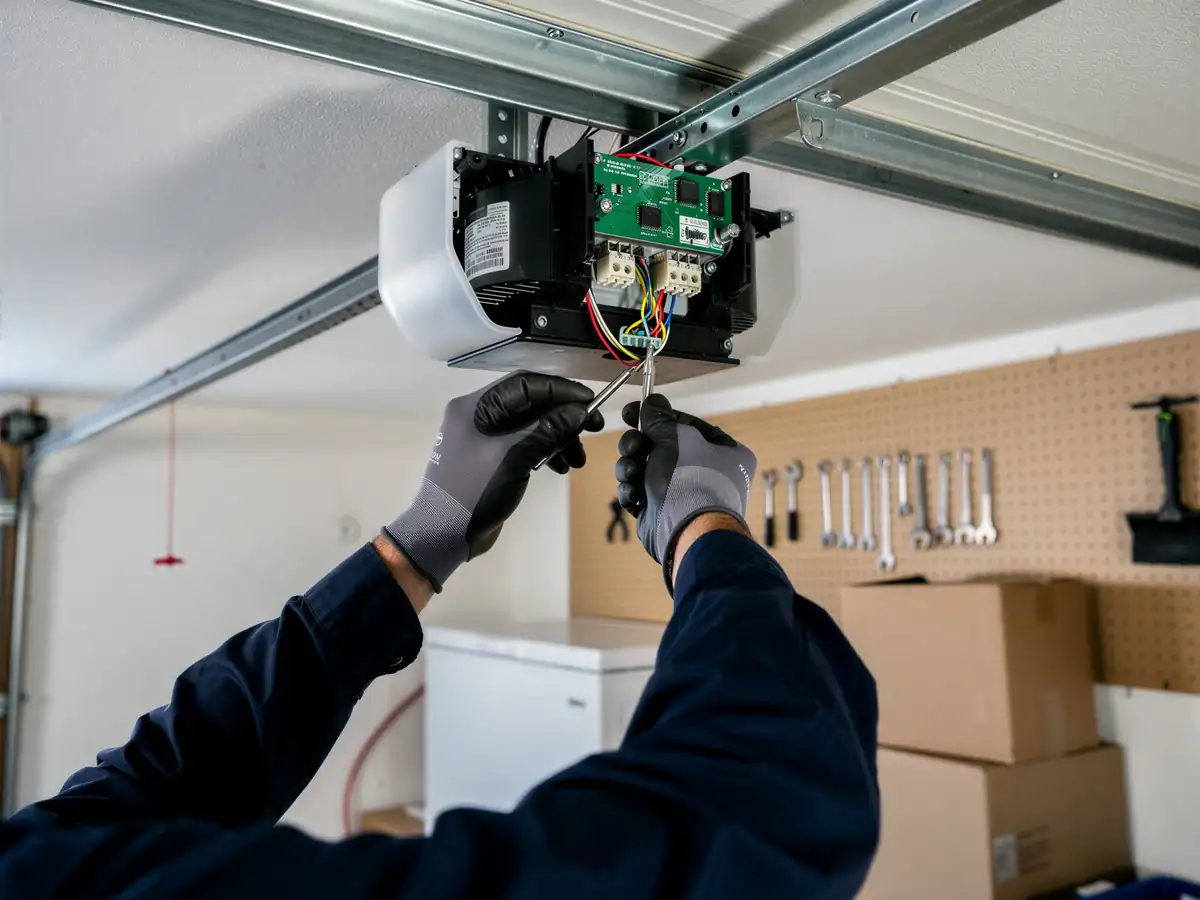
A single squeak on an otherwise smooth cycle, or a door that's slightly louder in the first few seconds of a cold morning before it warms up. That's normal wear talking, not failure. We'd rather you call and ask than guess wrong on a spring - those store enough tension to hurt someone, and that's not a DIY repair regardless of how simple the fix looks on a video. If your opener is still under manufacturer warranty, check with them before paying for a service call on a noise that might be covered.
The Seasonal Bit
Cedar Hill sits in a moderate-heat climate band, which matters more for garage doors than people expect. We don't get the hard freeze-thaw cycling that cracks concrete and seizes hardware further north - our noise problems come from the other direction. Summer heat breaks down standard lubricant faster than most homeowners realize, turning it gummy inside roller bearings and hinge pins. That gummy residue is what you're hearing when a door that was quiet in March starts groaning in August.
Heat also makes steel tracks expand slightly, which can turn a track that was a hair out of alignment in cooler months into one that's actually rubbing a roller in peak summer. If a noise shows up only on the hottest days and goes away once things cool off, that's usually your answer - not a part that needs replacing yet, but one worth greasing with a silicone-based lubricant rated for heat before it does need replacing. WD-40 isn't it; that's a solvent, not a lubricant, and it'll make the gumming worse over time.
The Situation
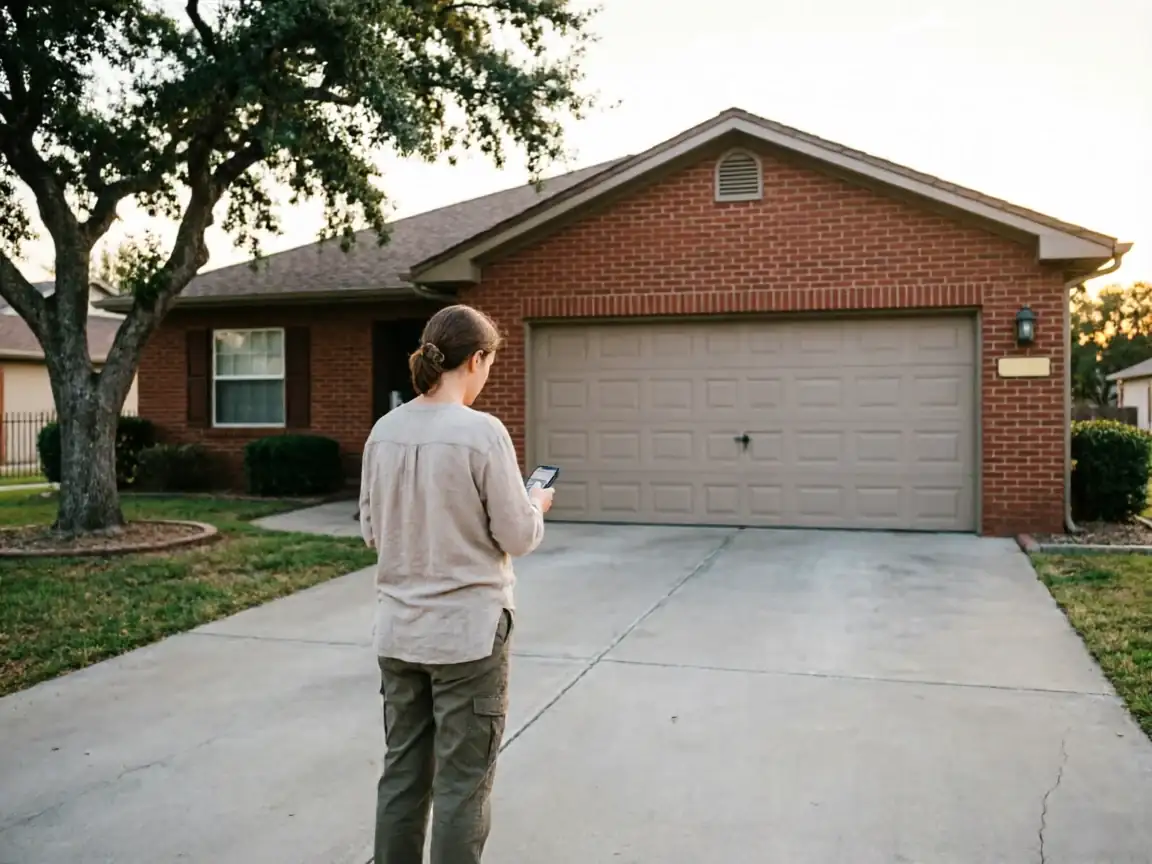
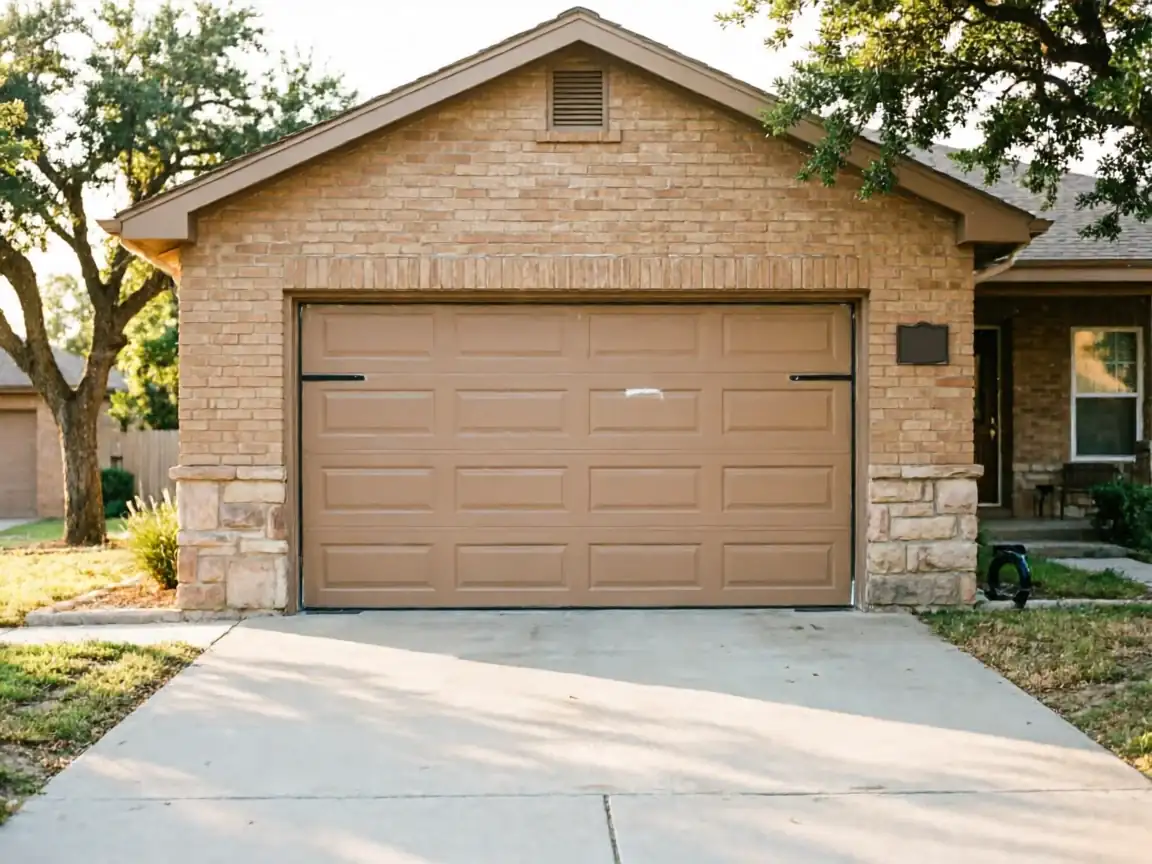
The service area runs about 60,496 households, with roughly 36,958 of those owner-occupied houses - and across the 16 named areas we cover, construction mostly dates from the 1980s and 90s, inside a broader range of 1969 to 2014 with a median build year around 1991. That matters for noise because torsion springs are rated for a number of open-close cycles, not years, and a door installed in the early 90s on the original spring has likely burned through its rated life regardless of how well it's been maintained.
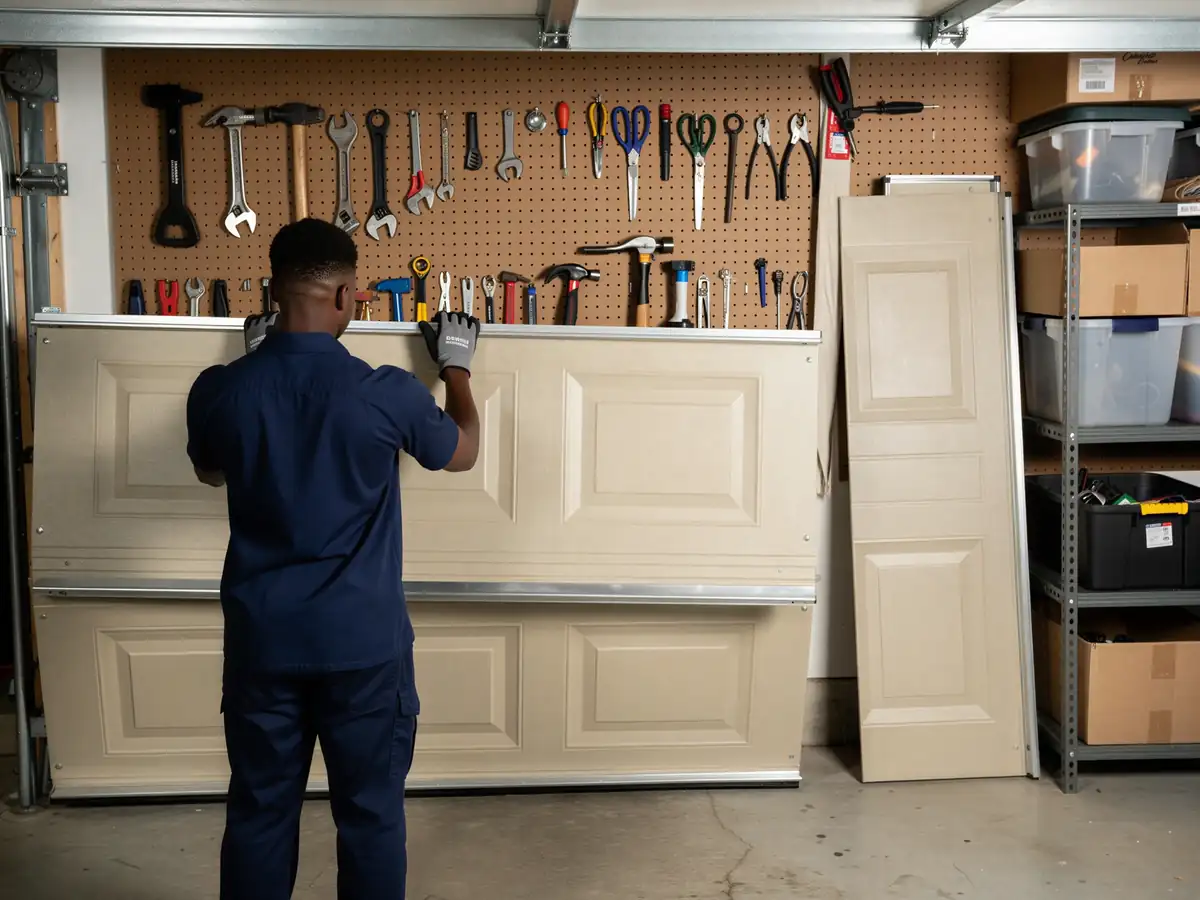
A lot of these houses also still run original steel doors on their original track hardware. That's not a complaint - steel doors from that era were built solidly - but galvanized track brackets and roller hardware from thirty-plus years ago weren't designed with today's heavier insulated door panels in mind if an owner has ever upgraded the door itself. Mismatched hardware is a quieter, slower source of noise than a dying spring, but it's a common one in houses this age.
How Local Conditions Play In
Put the housing age and the climate together and you get a fairly predictable pattern here
A house built around the median year of 1991 is now at the point where its original torsion spring is well past typical cycle life, its rollers have likely gone through two or three decades of moderate-heat summers without anyone re-greasing them on schedule, and its track alignment has had thirty years of thermal expansion to drift slightly out of true. None of that is dramatic on its own, but together it's exactly the combination that produces the grinding, popping, and thumping we get called about.
The same pattern holds through the wider area
Ovilla five miles out, Glenn Heights at six, Oak Leaf and Midlothian at eight, and on out to Lancaster, Venus, and the rest of the towns within that same 1980s-90s construction window. If your house falls in that build range, the noise you're hearing is less likely to be something new and more likely to be hardware finally announcing it's done.