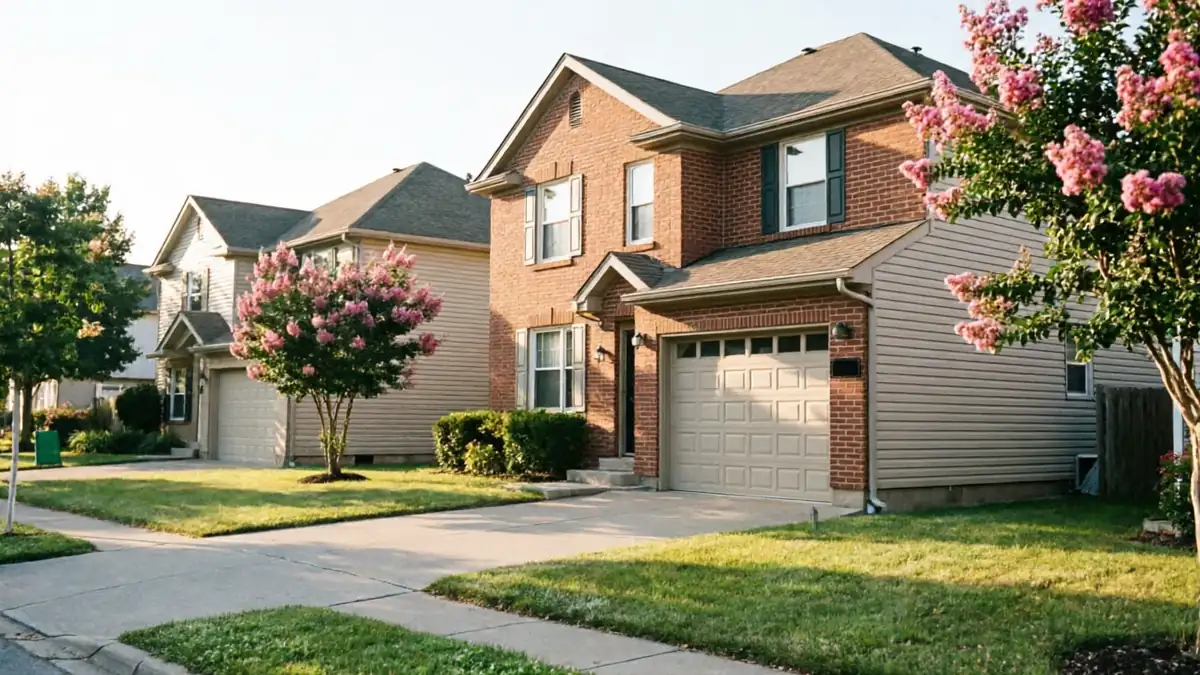
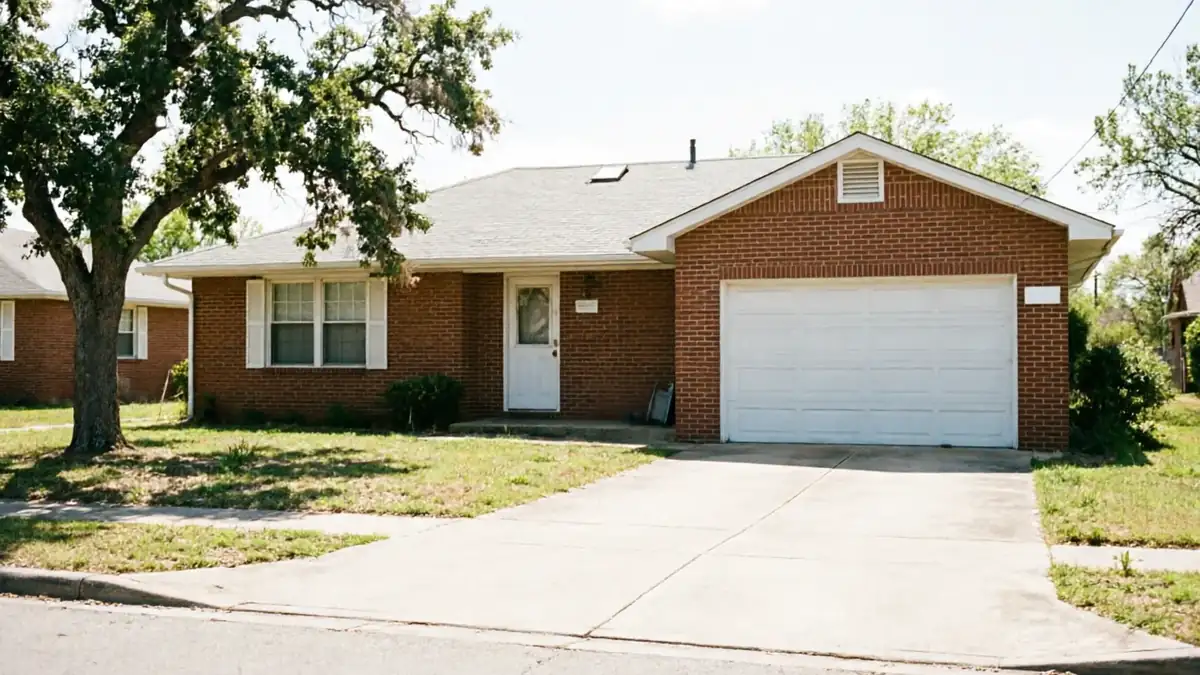
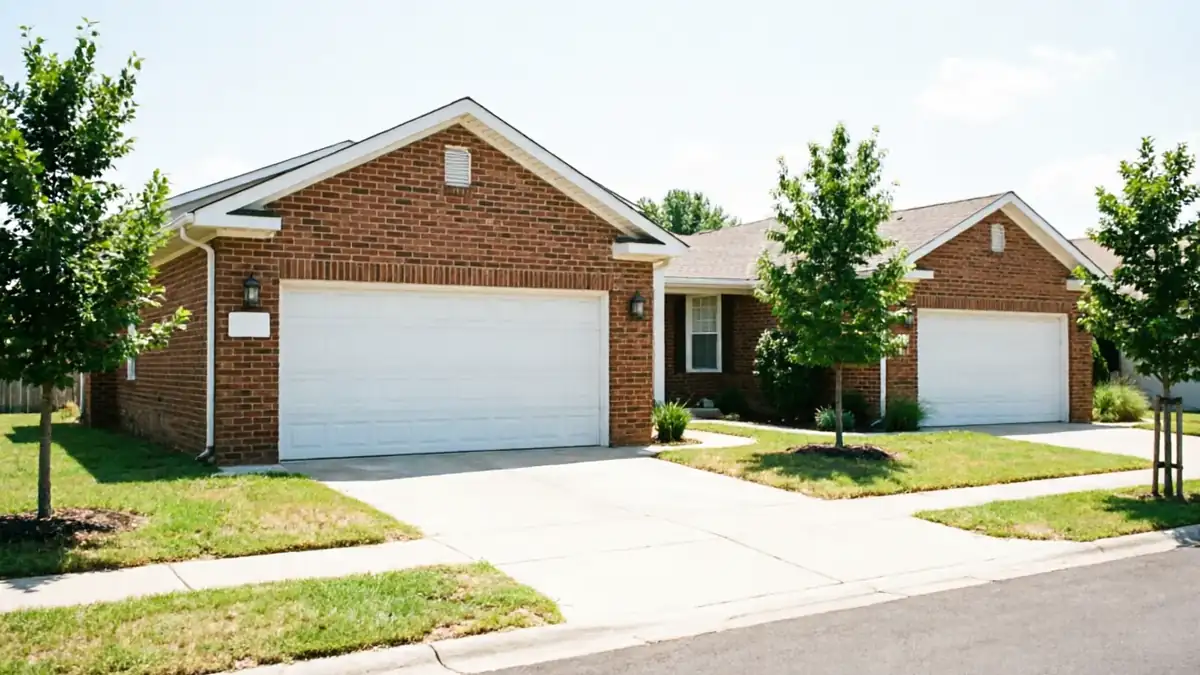
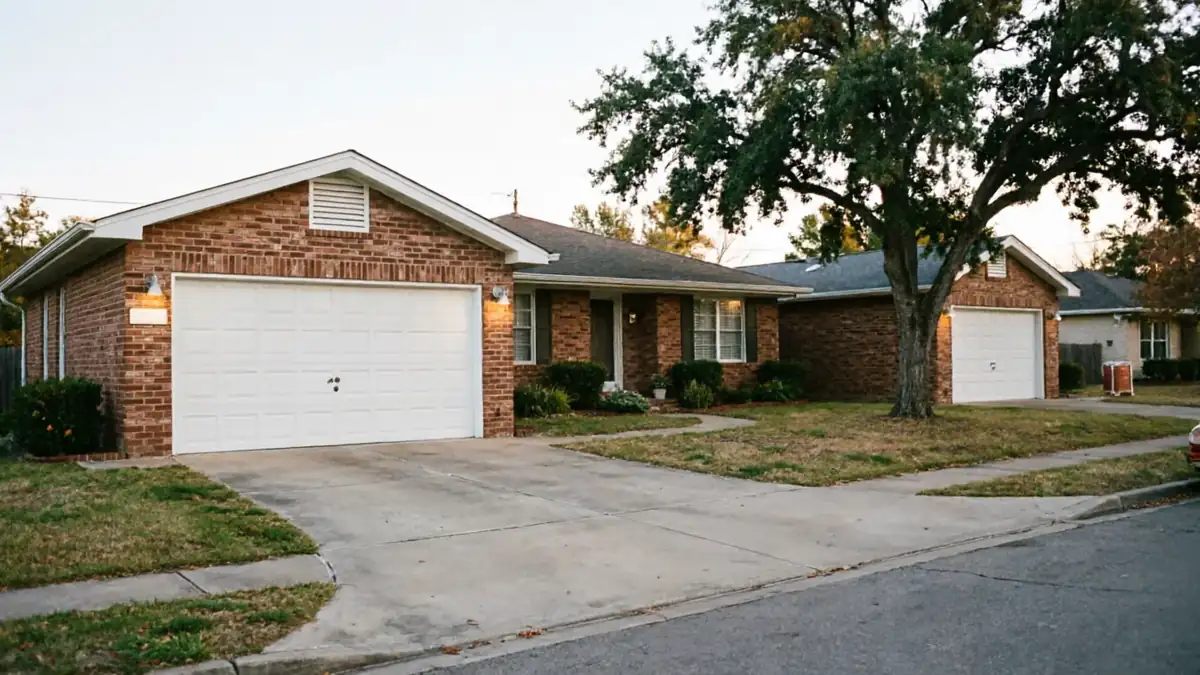
Highland Park's garage doors mostly date to the early 1970s, older than the rest of our Cedar Hill coverage area. We know the hardware that era used and what fails first.
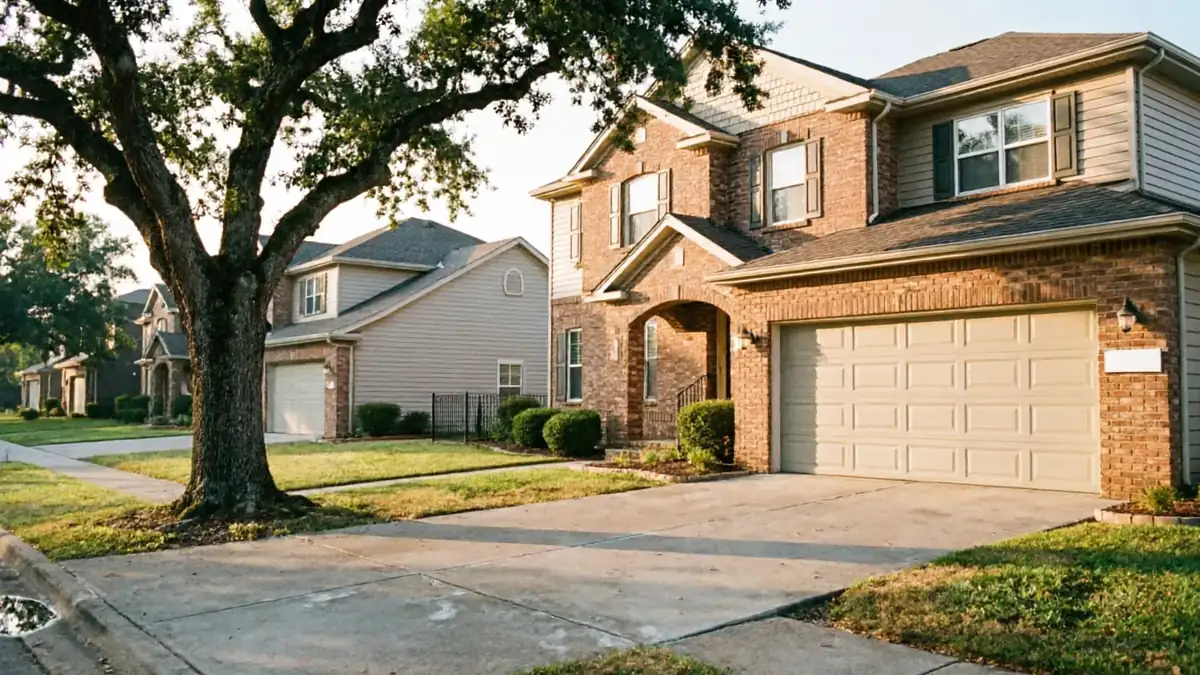
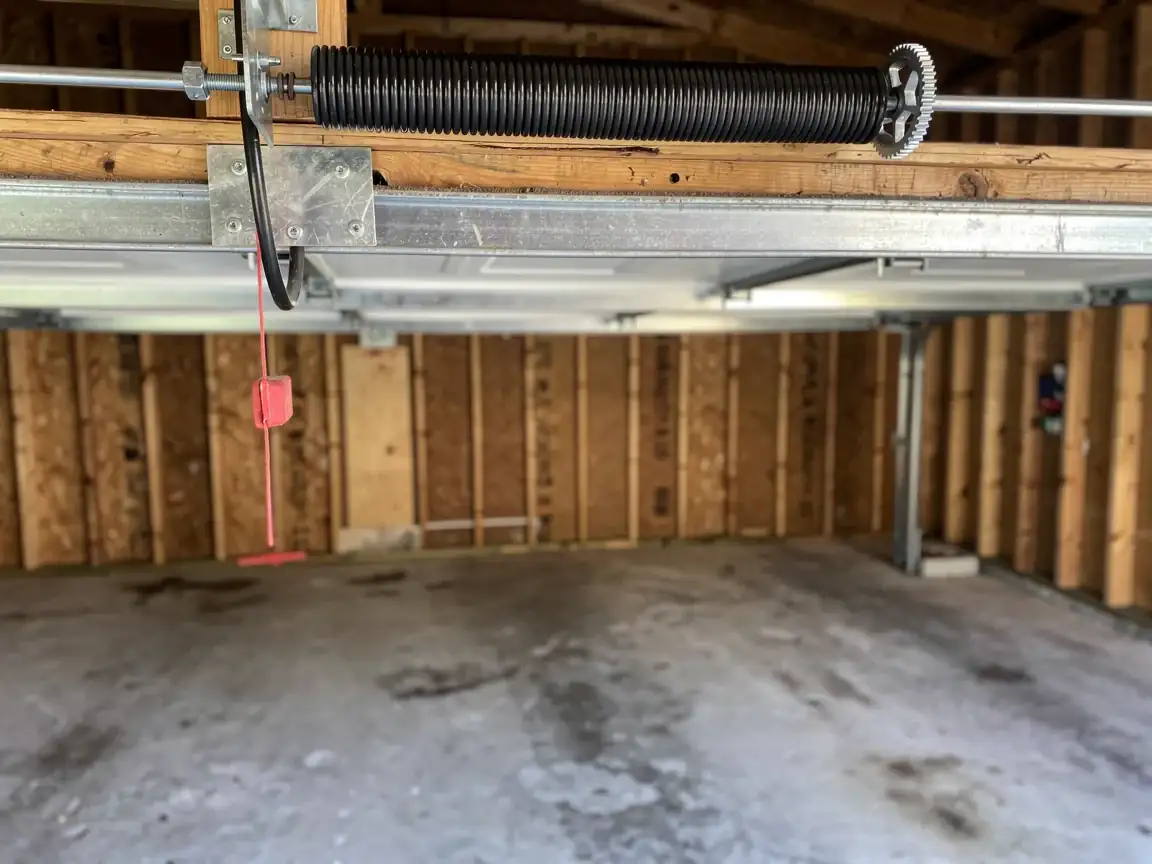
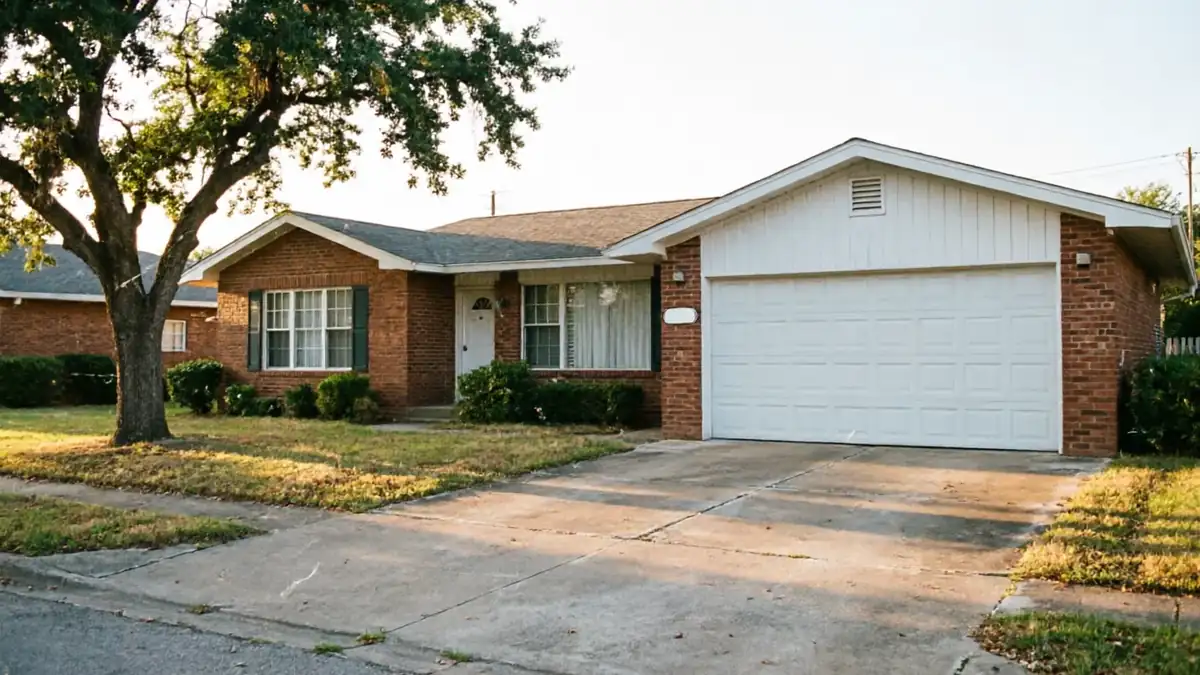
Highland Park's housing stock centers on 1973, which puts it ahead of the broader service area's 1991 median by close to two decades. That gap matters on a garage door. Doors and openers installed in the early-to-mid 1970s typically ran on heavier steel sections, simple chain-drive openers, and torsion springs sized for the lighter insulation standards of that period. A lot of that original hardware has already been swapped once or twice, but the track alignment and header clearance in these houses were built around dimensions that don't always match what a big-box replacement door assumes out of the box. Our regional climate band is moderate heat, which is kinder to seals and openers than it is in hotter parts of Texas, but it still means nylon rollers and opener gears age from UV and heat cycling over decades, not from any one bad summer. If your door is original to the house, the spring has likely been replaced at least once already, and the opener - if it's original - is well past the point where parts are easy to source. We don't stock every obsolete chain-drive part, so sometimes the honest call is a full opener swap rather than a repair.
What Was Built Here
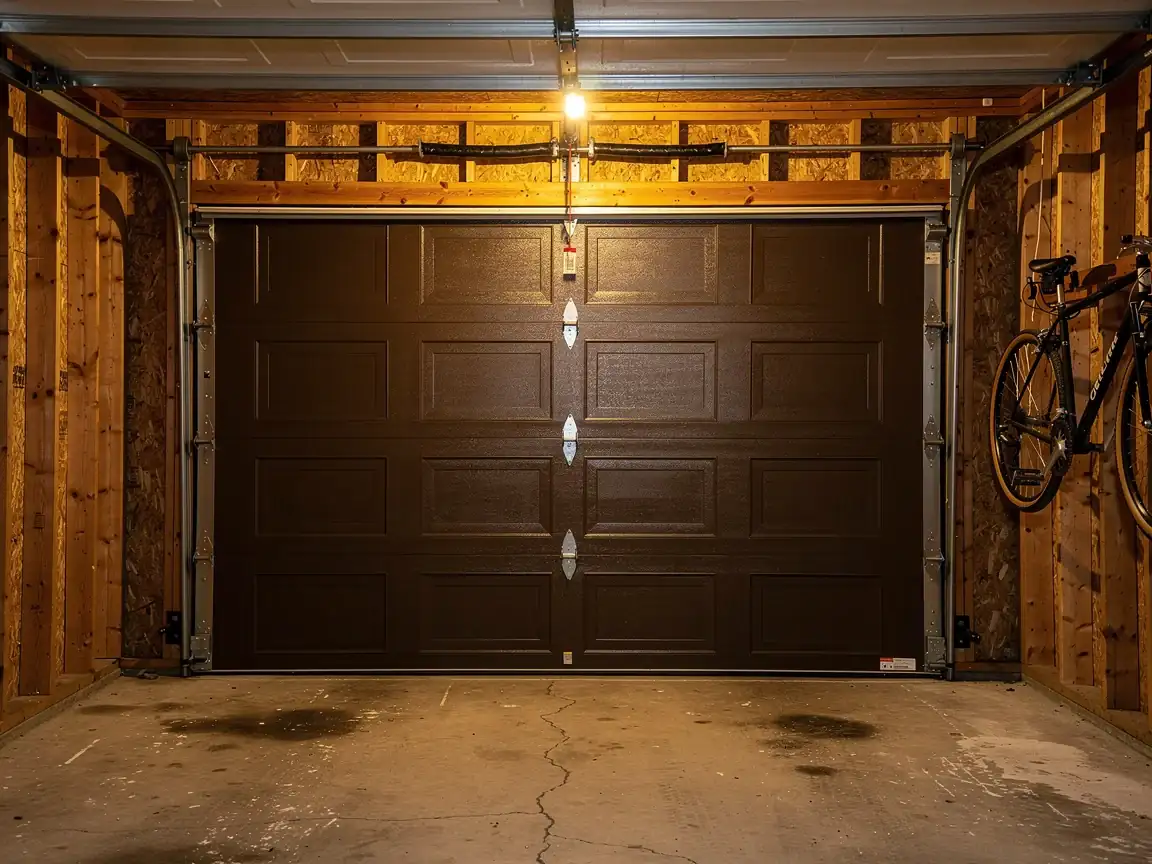
With roughly 3,249 households in Highland Park, this is a smaller, tighter area than most of what we cover out of Cedar Hill, and the building pattern here reflects a single era more than the patchwork you see across the wider service area's 16 named communities. A median income above $250,001 also tends to show up in the doors themselves - more custom wood and composite panels, more insulated steel upgrades installed over the years, fewer bare single-layer doors. That combination - older framing, higher-end replacement doors - means we often find original 1970s-era door openings fitted with newer, heavier panels, which puts more strain on springs and tracks that weren't sized for the upgrade. It's worth having that checked rather than assuming a heavier door just works fine on old hardware.
When We Can Get There
Highland Park sits about 19 miles from our Cedar Hill base, among the farther points in our coverage area alongside places like Forest Hill, Everman, and Alvarado. We don't run a crew stationed in Highland Park, and we won't pretend otherwise - every job here means a truck making that drive from Cedar Hill. We do travel out for both repair and replacement calls, but if you're weighing a same-day fix against a drive of this length, it's fair to expect that scheduling takes a bit more coordination than it would for a closer address like Ovilla or Glenn Heights. Calling ahead with the make and rough age of your opener helps us bring the right parts on the first trip instead of a second one.
Older vs Newer Streets
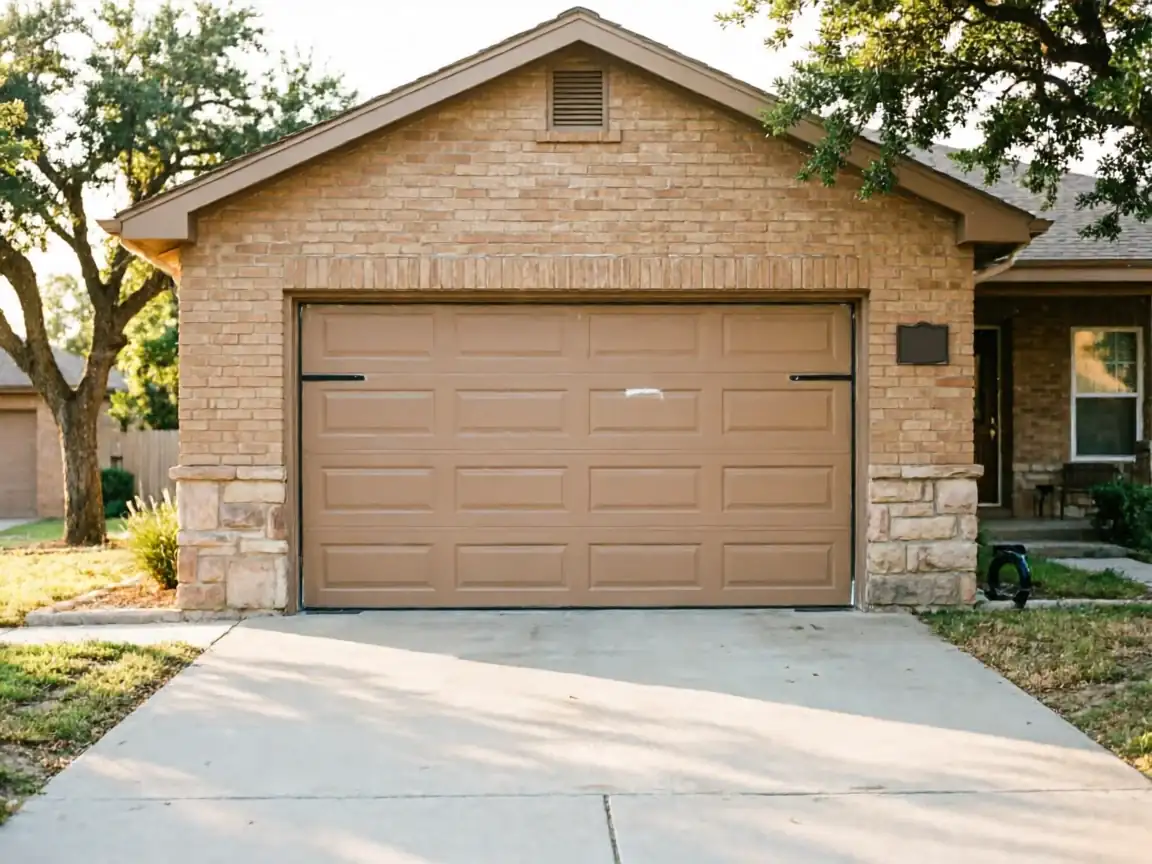
Even within a single-era neighborhood like this one, not every house got its door replaced at the same time or by the same installer. On original 1973-era doors we still find, the usual issues are rusted or bent track sections, worn-out pulley systems on older extension-spring setups, and openers that predate modern safety reversal sensors entirely - those need replacing outright, not patching, since there's no safe way to retrofit old units to current standards. On houses where the door's been updated more recently, the failures look more ordinary: a broken torsion spring, a cracked panel, a opener logic board going bad. Knowing which era a given door belongs to changes what we bring on the truck, which is part of why we ask about the age of the door and opener before we quote anything over the phone.
How it works
From “it’s stuck” to “it’s fixed”
1
Tell us what’s wrong
Describe the symptom - won’t open, loud bang, opener runs but the door won’t move.
2
On-site diagnosis
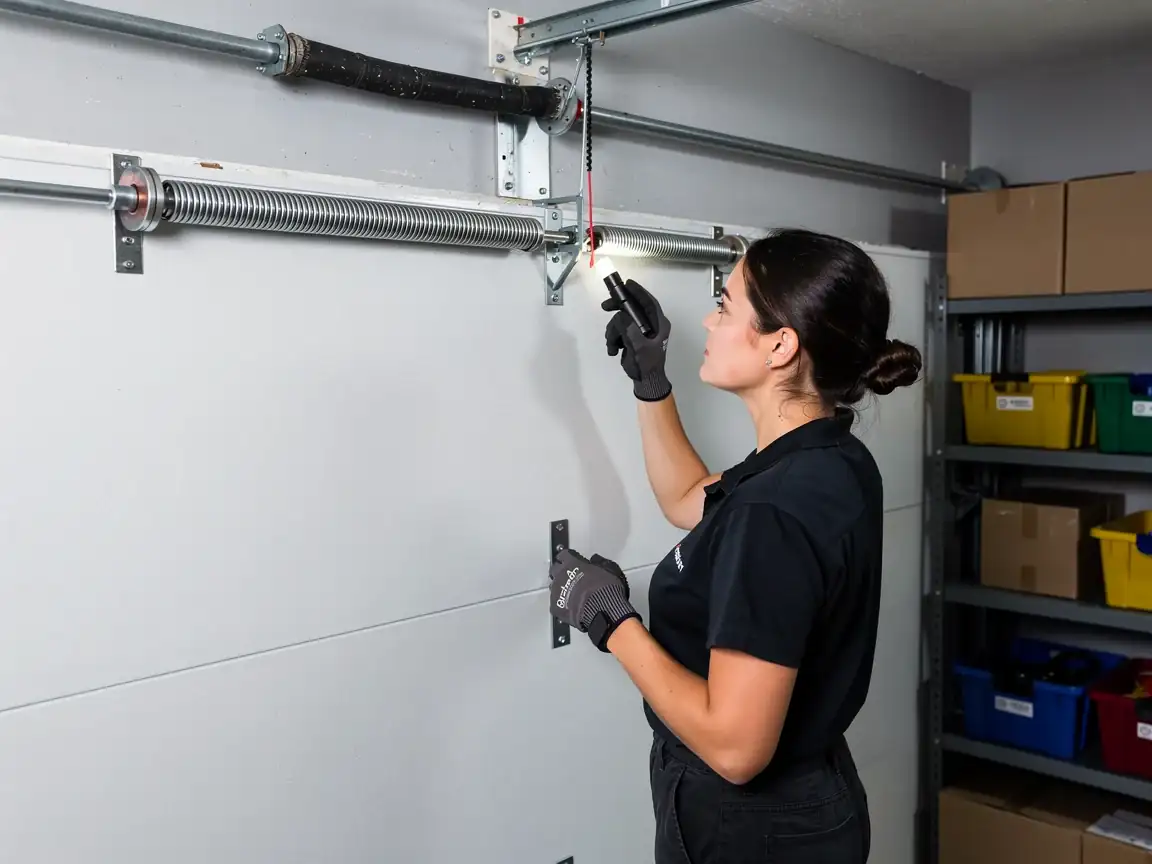
A technician tests the door under power and by hand and finds what actually failed.
3
Clear, up-front plan
You get the fix that’s needed and what drives the cost - before any work starts.
4
Repaired & tested
The repair is done, the door is set true and tested, and the work area left clean.
Not sure which repair your door needs in Cedar Hill, TX? Describe what it’s doing - every job starts with a diagnosis.
Are the garage doors in Highland Park older than other areas you cover?
Yes. Highland Park's housing centers on 1973, notably earlier than the roughly 1991 median across the wider service area. That means more original or once-replaced hardware, older opener types, and track dimensions sized for an earlier era of door.
Do you have a crew based in Highland Park?
No. We work out of Cedar Hill, about 19 miles away, and travel to Highland Park for both repairs and installs. There's no local depot here, so a visit means a truck making that drive, which we factor into scheduling.
Will a heavier replacement door work on my original opener and track?
Not always. A lot of Highland Park homes have upgraded to heavier insulated or composite doors while keeping older track and spring setups sized for lighter 1970s doors. That mismatch strains the system - worth having checked before or after a door upgrade.
What's the most common failure on an original 1973 door here?
Rusted or bent track sections and worn pulley hardware on older extension-spring systems are common, along with openers that predate modern safety-reversal sensors. Those openers typically need full replacement rather than a patch repair, since retrofitting old units isn't a safe option.
Ready to get your garage door sorted?
Tell us what it’s doing and where you are in Cedar Hill - we’ll take it from there.