When to Get Help
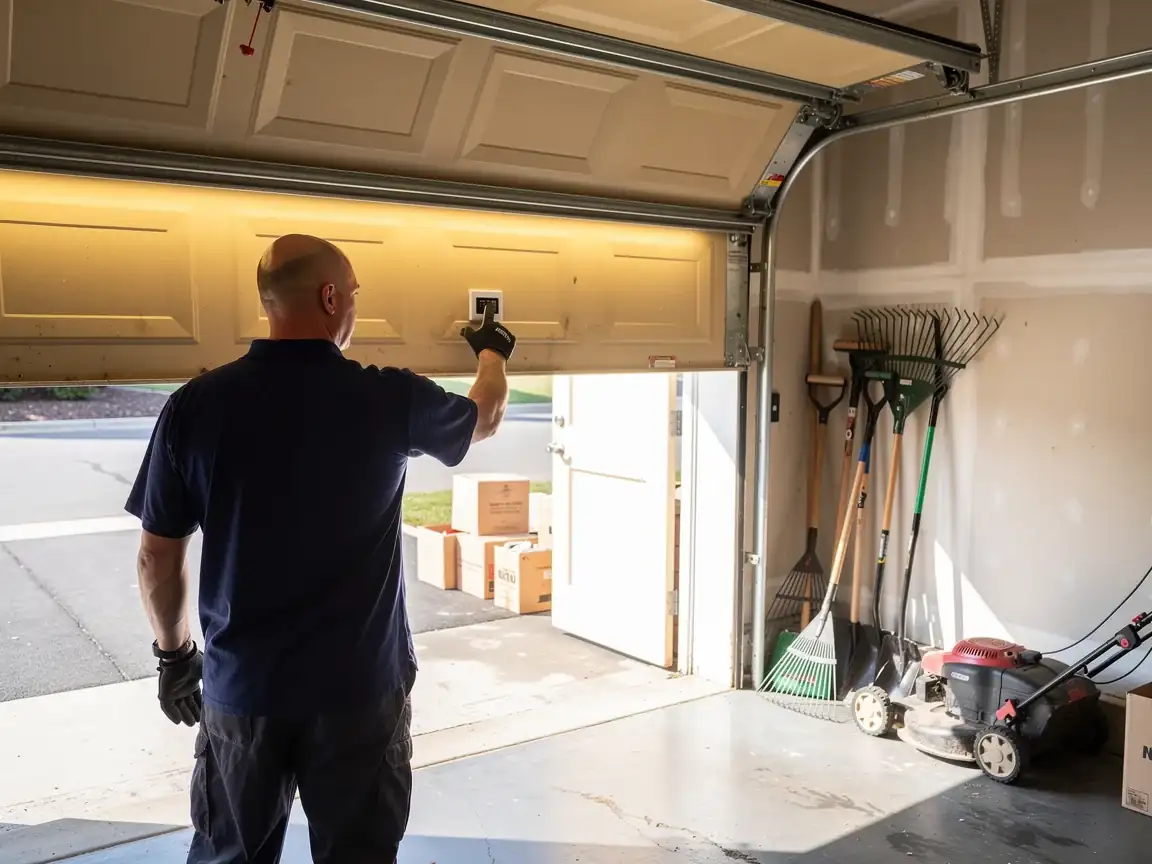
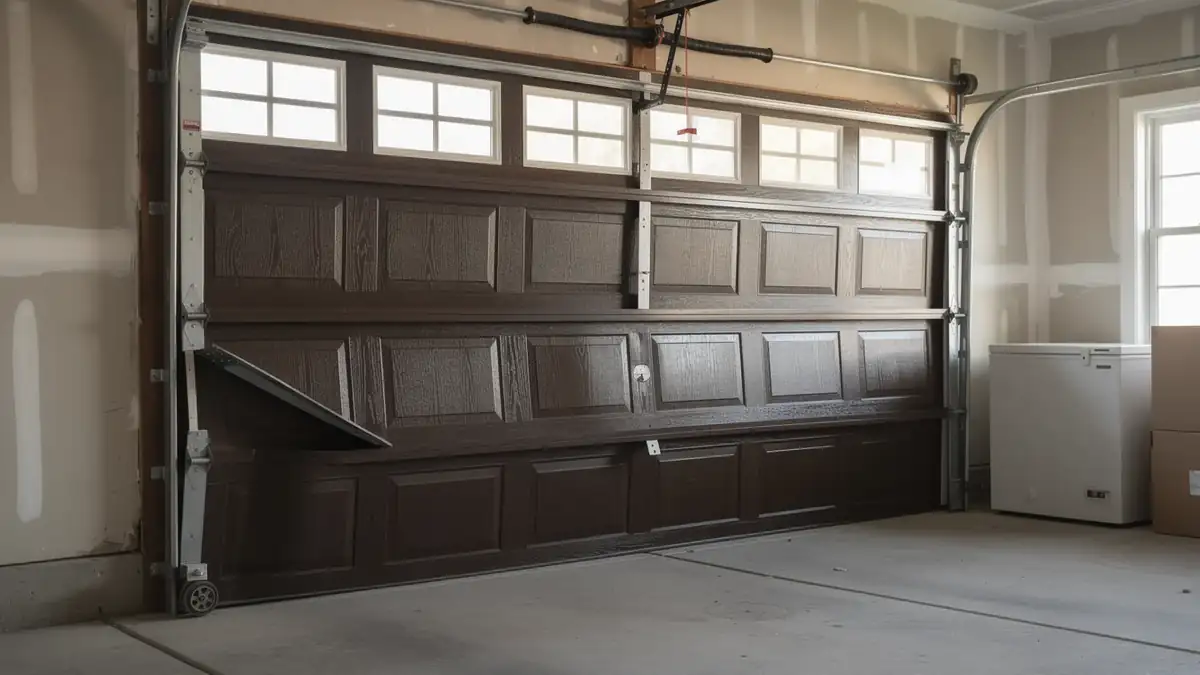
If the door is hanging crooked, if a roller has popped clean out of the track
Or if the door stutters and bangs partway up, stop running the opener. Running a motor against a door that's off track strips the gear inside the opener head, and now you've got two repairs instead of one.
Cedar Hill's service area covers roughly 60,496 households
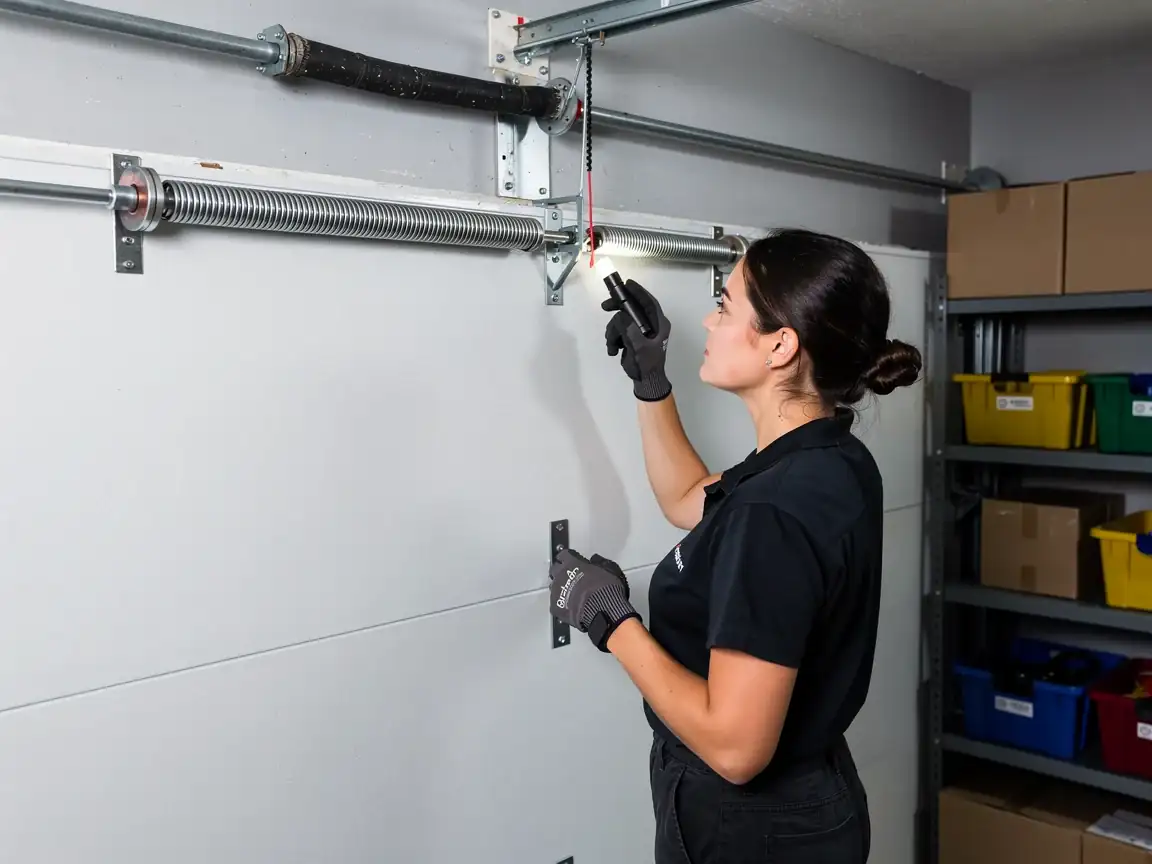
And a good share of the calls we take on this exact problem come from the older pockets of that stock - houses where the track brackets are original. If you can see daylight between the roller and the track, or the door looks tilted on one side, that's not a tighten-the-screws job. That's a bent track or a sheared bracket, and it needs a hand on it before the next cycle.
- 60,496 households
We don't straighten bent track
Once steel track kinks, it's lost its shape for good - it goes back true for a week and then kinks again at the same spot. On anything bent, we replace the section rather than fight it.
The Seasonal Bit
Cedar Hill sits in a moderate-heat climate band, not the brutal extremes some parts of Texas deal with, but still enough swing between a July afternoon and a January morning to work on steel and lag bolts over the years. Track brackets are lagged into wood framing, and wood framing moves with humidity and heat. Over two or three decades that movement backs lag screws out a thread at a time.
You won't notice it happening. You'll notice the result - a bracket that's holding by one screw instead of three, flexing every time the door passes, until one day it lets go and the track kicks out at the top. That's usually a quiet failure, not a dramatic one. The door just starts riding rough for a few weeks before it finally jumps.
This is a maintenance-interval problem more than a weather-event problem. Nothing here breaks in a single storm. It loosens, cycle after cycle, until it doesn't hold anymore.
The Situation
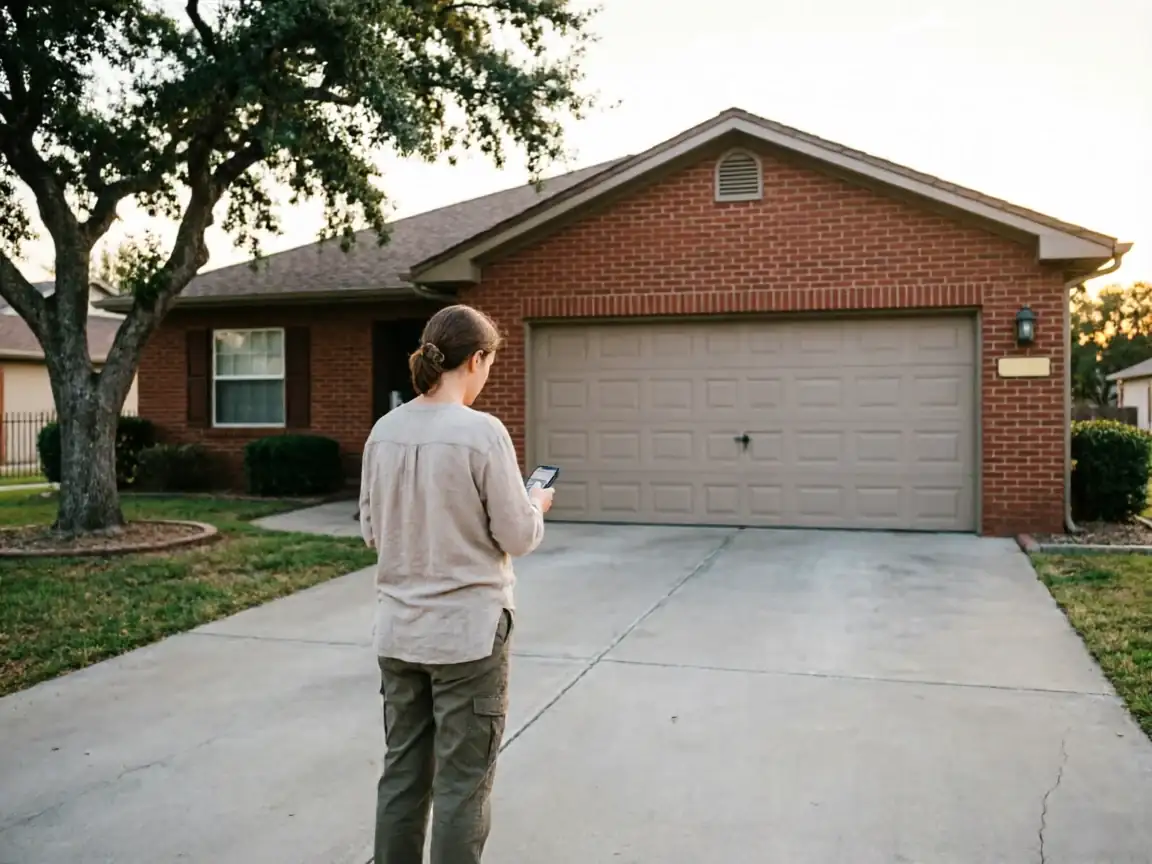
A lot of Cedar Hill's housing dates to 1969 through 2014, with the median build year sitting at 1991, and the bulk of that stock clustered in the 1980s and 90s. That matters here specifically because those two decades were the years builders moved to lighter-gauge steel track hung on stamped brackets - a cheaper setup than what you'll find in anything built after the mid-2000s.
Light-gauge track does the job for years, right up until a roller catches wrong, or someone backs a bumper into the bottom panel, or a cable lets go and the door drops unevenly on one side. Heavier track shrugs that off. The lighter stuff from that era bends, and a bent section is never truly round again - it rides rough from then on until it's swapped.
So if your house falls in that 1980s-to-90s window, which is most of this area, the track running your door is probably original. That's not a problem by itself. It's a problem the day something knocks it out of alignment.
How Local Conditions Play In
None of this is storm damage or a single bad day
It's thirty-plus years of ordinary use on hardware that was built to a lighter spec than what goes in new construction today. Across the roughly 36,958 owner-occupied houses in this service area, most sitting on that same 1980s-to-90s track, the failure pattern repeats: a bracket backs out, a roller wears down and starts binding, the door starts walking sideways a quarter inch at a time until it's off the rail entirely.
- 36,958 owner-occupied
With a median household income of $77,161 across the area
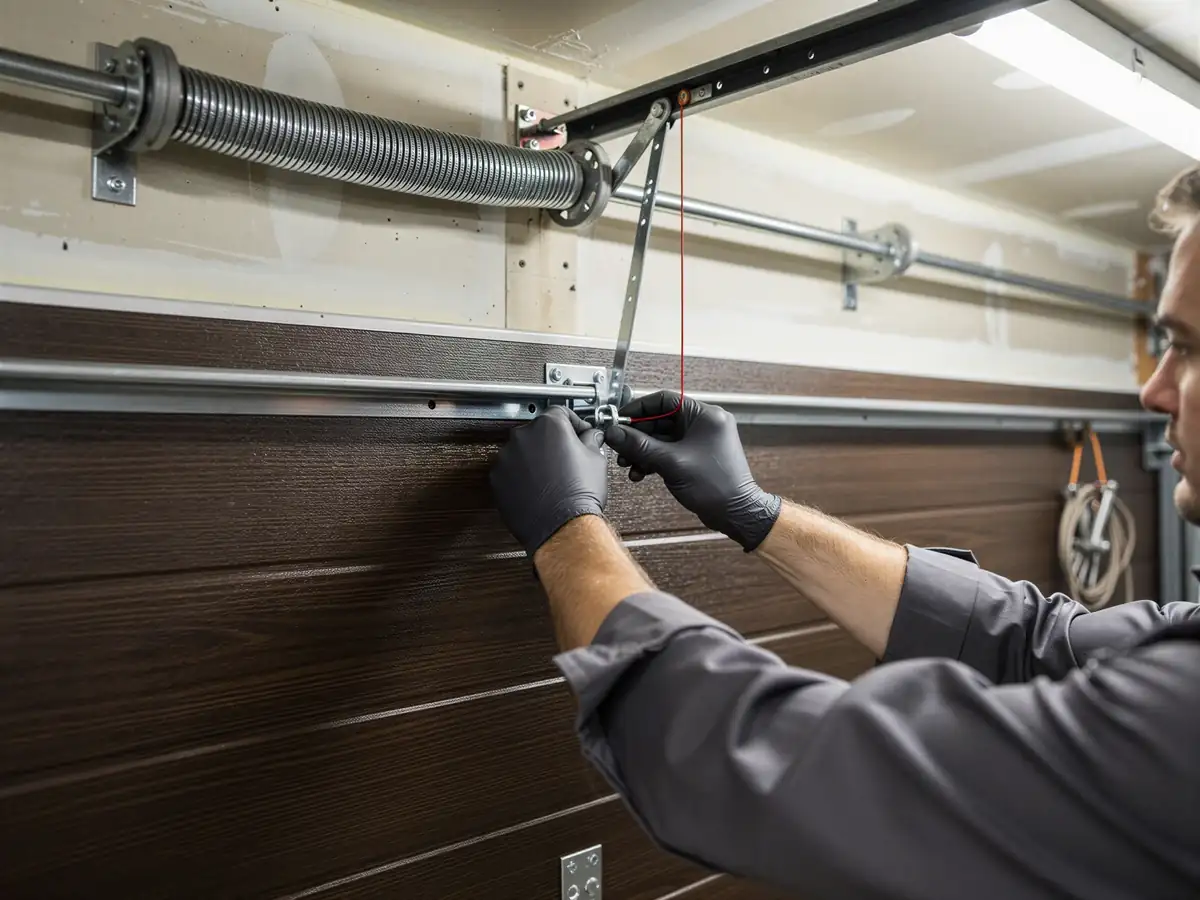
Most owners we talk to want the straight answer on repair versus replace rather than a sales pitch. On an off-track door, that answer depends on the track itself. If the rail is just loose - brackets backed out, no kink - that's a bracket and screw job, done in one visit. If the rail is bent where the roller jumped it, that section gets replaced, because bent steel never seats right again no matter how many times you muscle it straight.
- $77,161 median household income