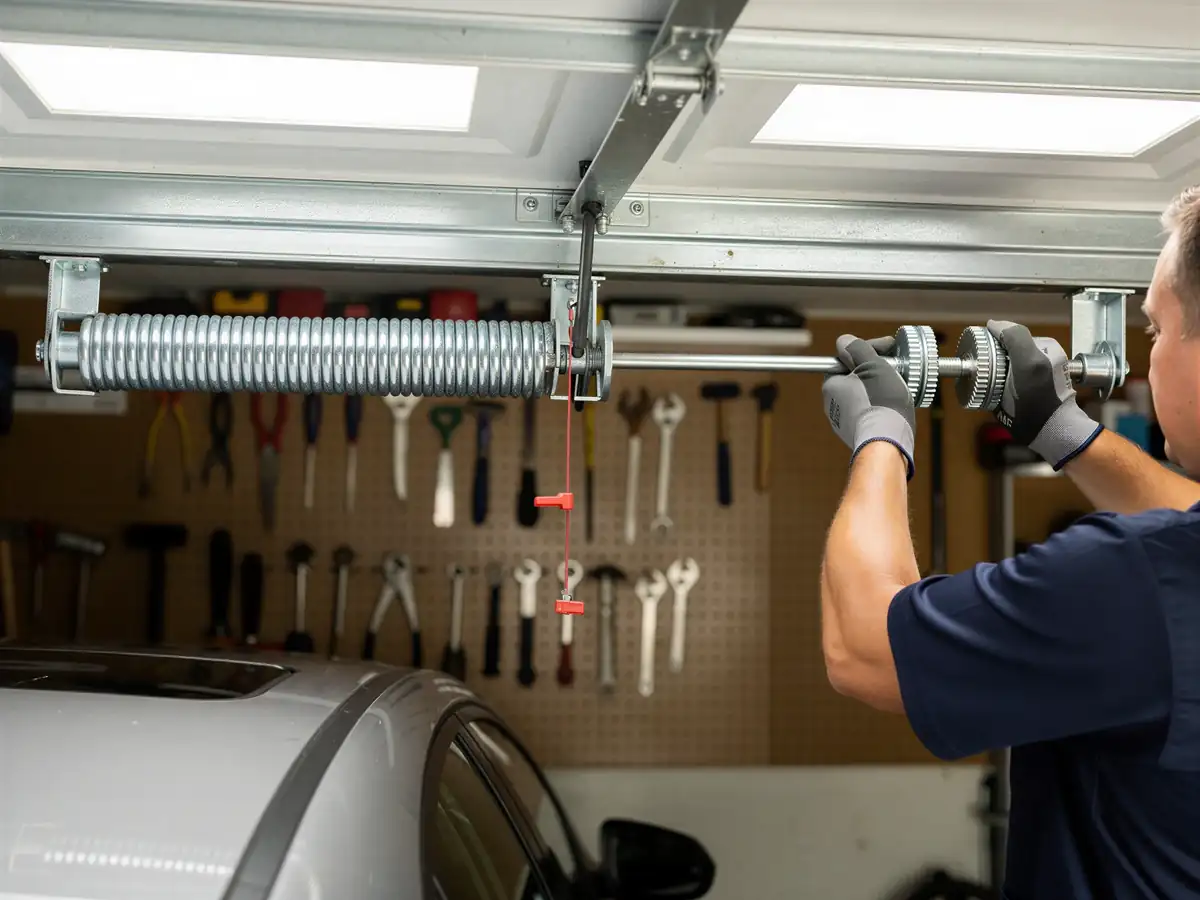
What Causes It Around Here
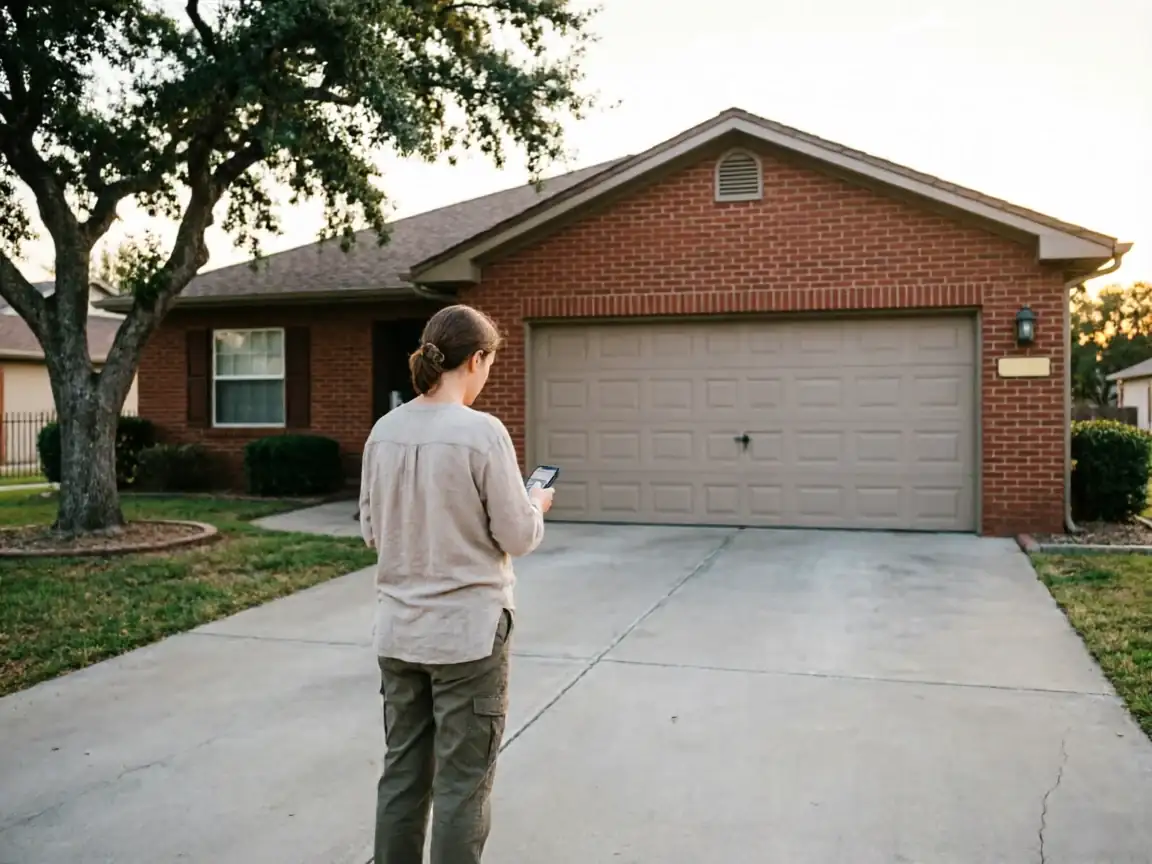
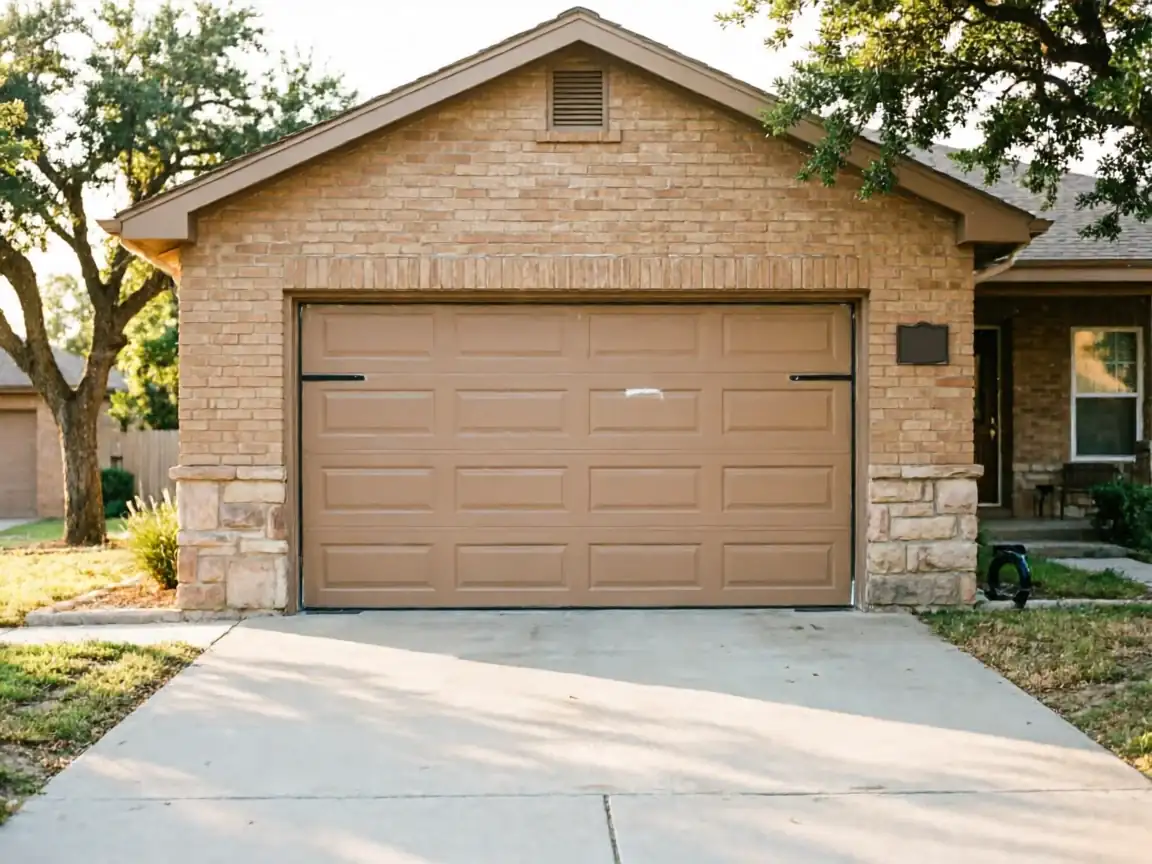
Most of the housing stock in this service area went up between 1969 and 2014
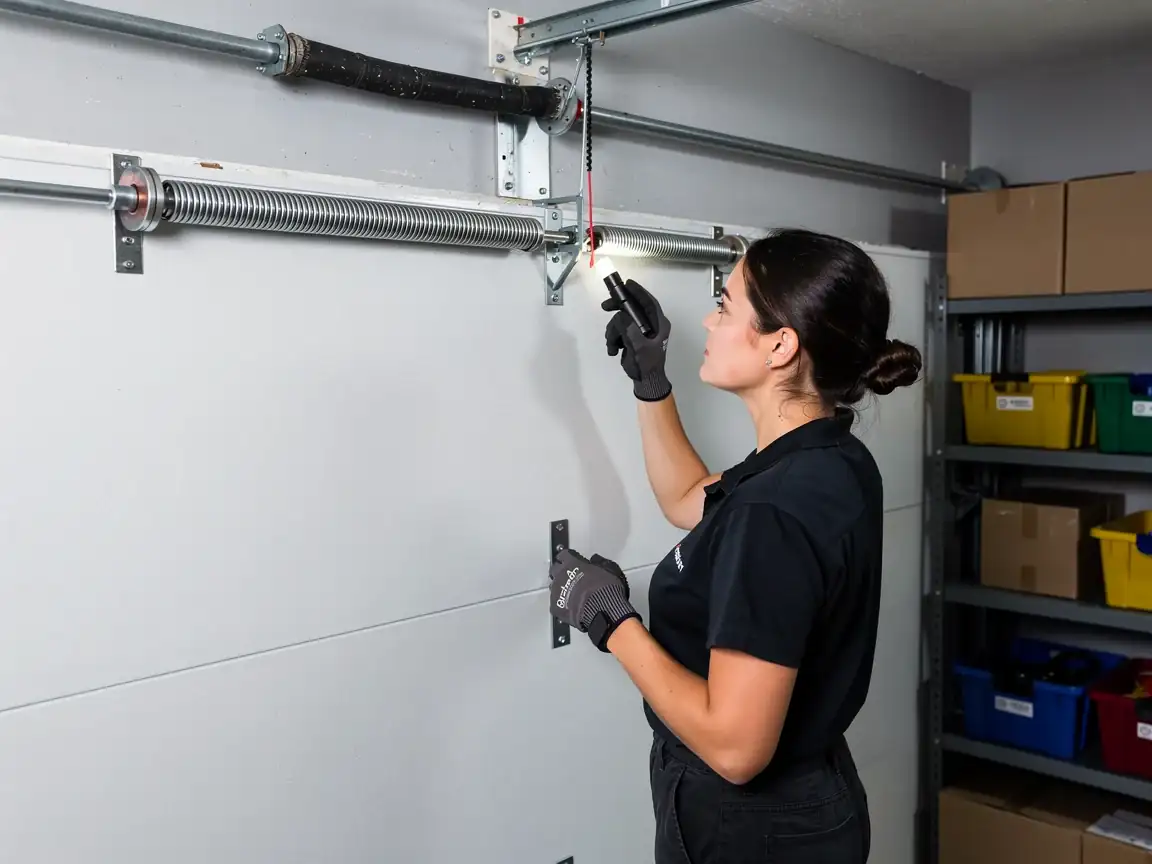
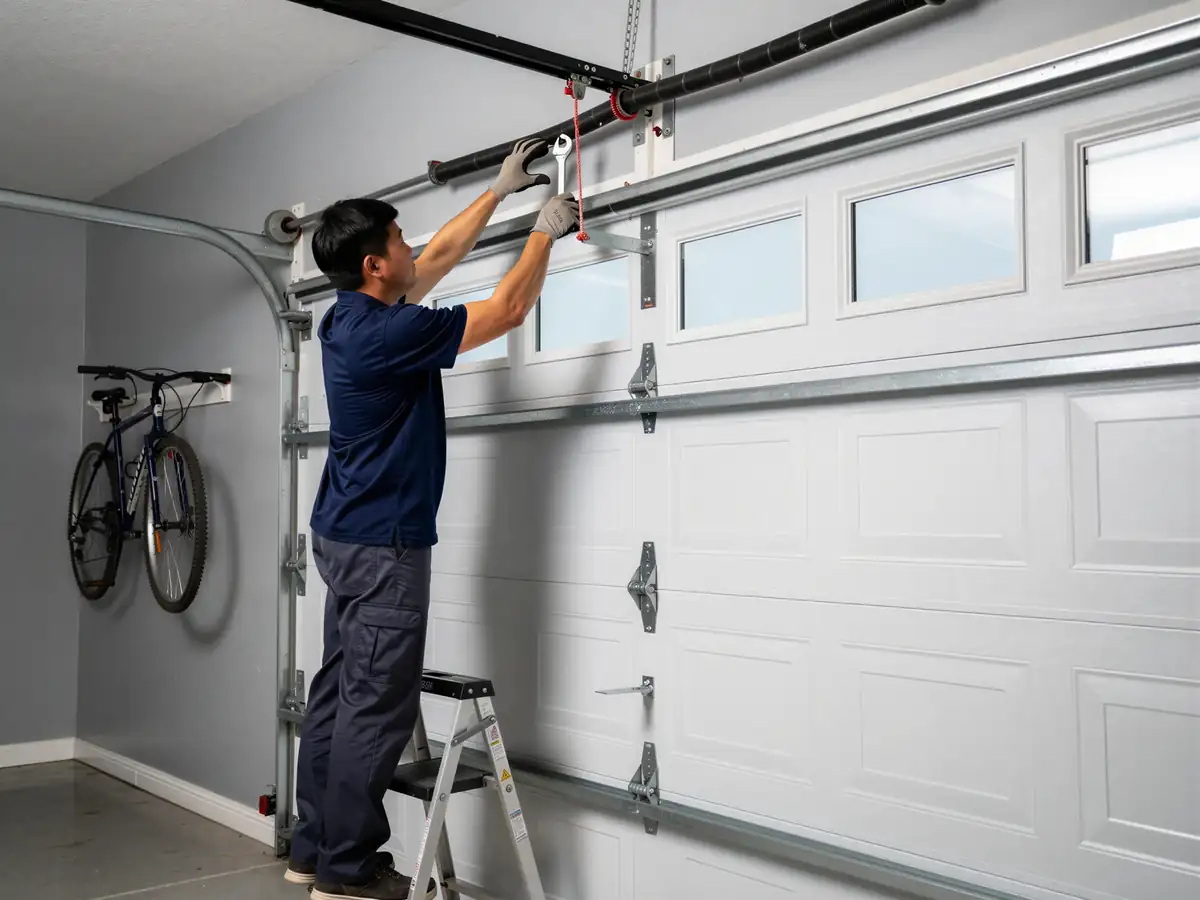
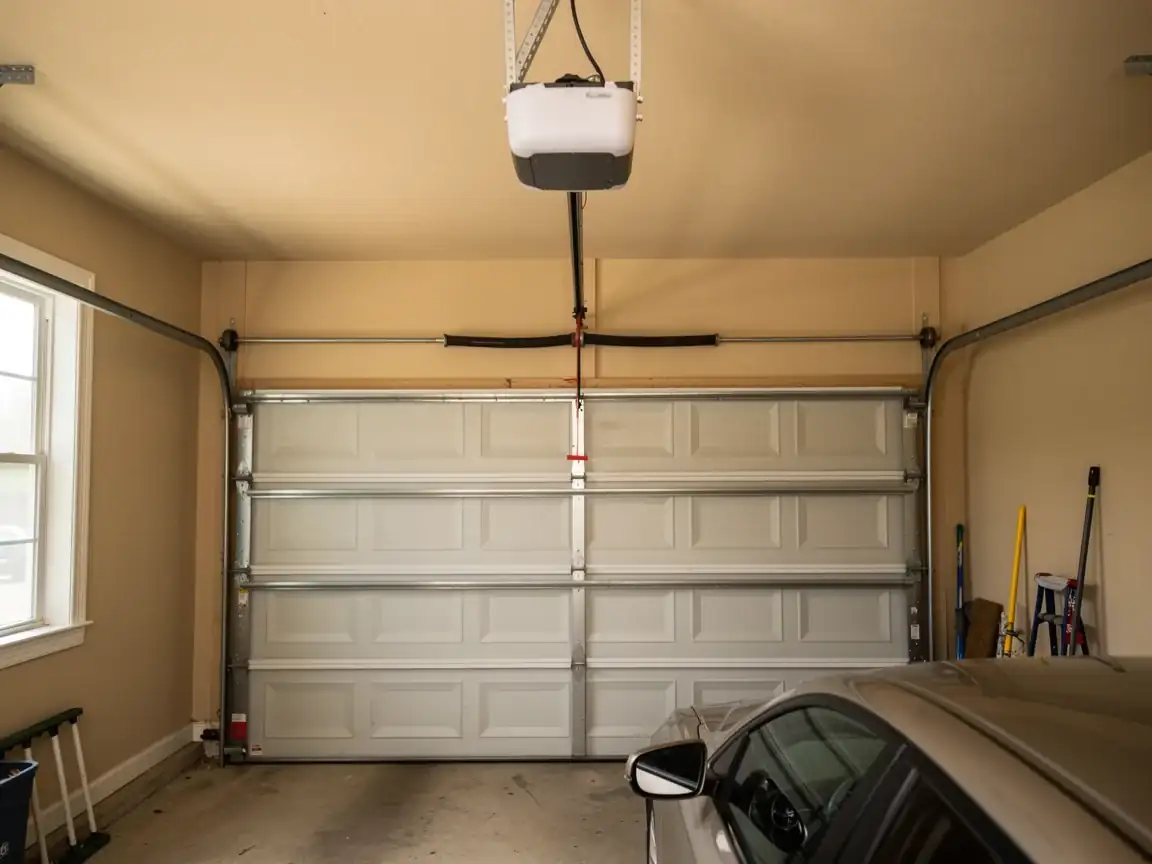
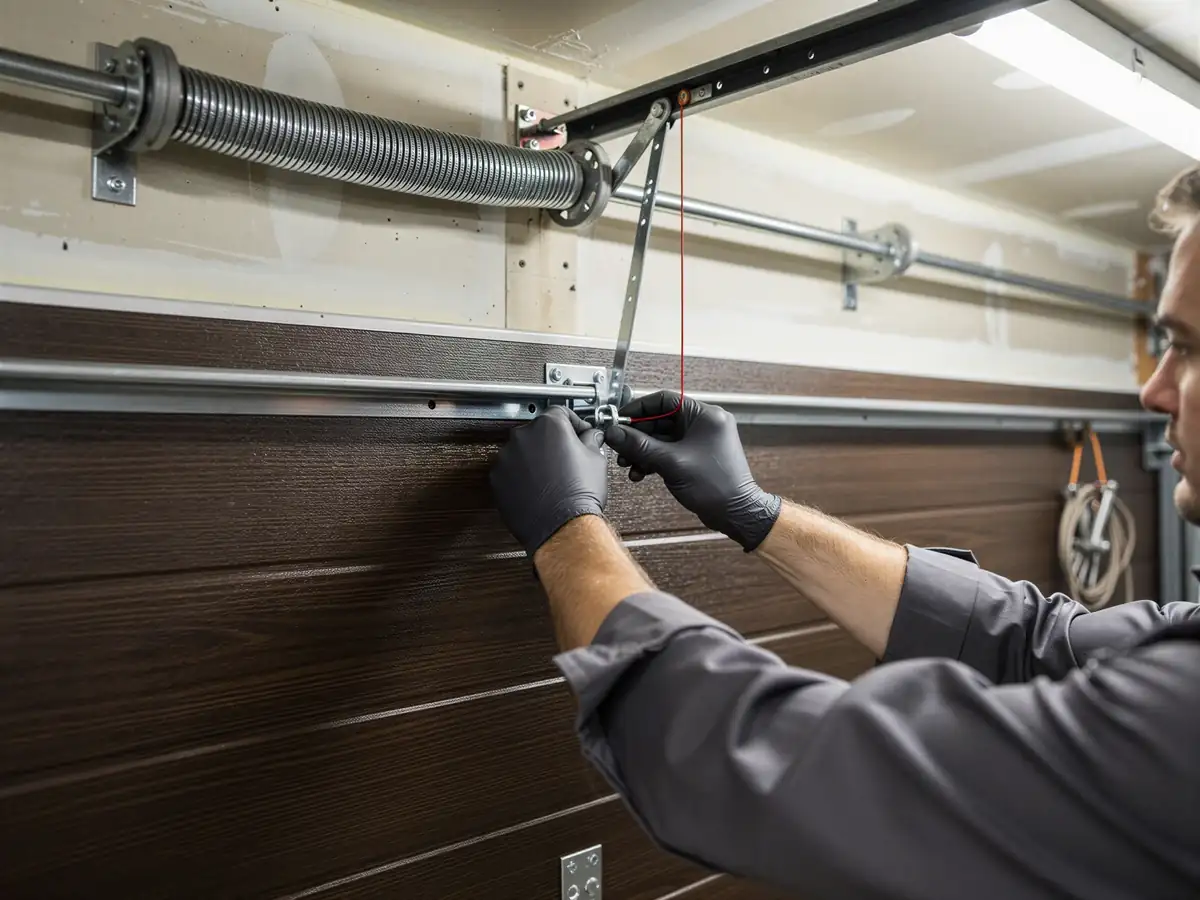
With the median build year landing around 1991. That means a lot of garages are still running on their original torsion springs, or a first replacement set that's now pushing two to three decades of cycles. Springs don't fail from one bad lift - they fail from fatigue, thousands of open-and-close cycles that slowly stretch the steel past where it can hold tension evenly.
The climate band here is moderate heat, not the brutal temperature swings that crack steel fast
But summer heat still does its part. Heat dries out the lubricant on the coils, and a dry spring under tension wears at a different rate than a lubricated one - it's the quiet reason a spring that looked fine in spring snaps in July. Combine 1980s-90s stock across the area's older neighborhoods with that heat cycle and you get a predictable failure window, not a random one.
We're not going to tell you every door in a 1991-built house is about to break
Plenty of owners replaced springs once already and are fine for years. But if nobody's touched the springs since the house was built, the odds catch up eventually, and usually without much warning.
The Symptom
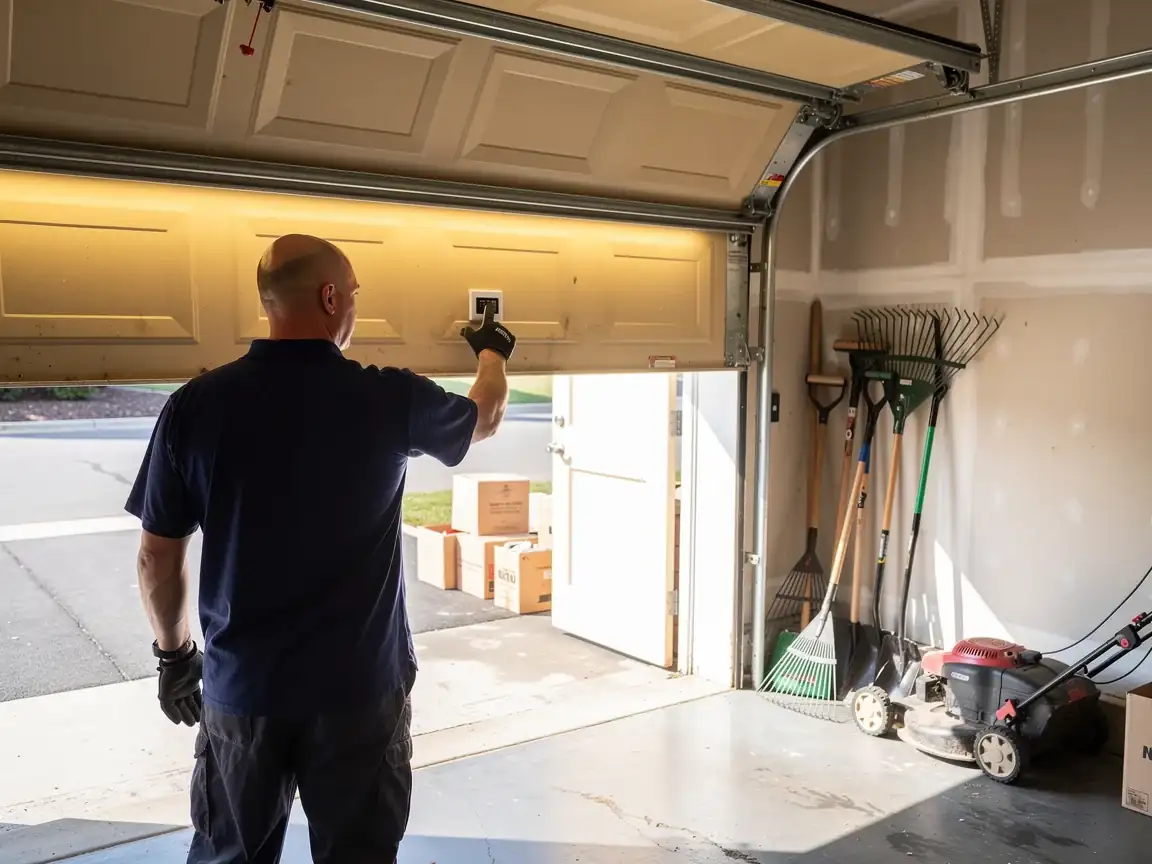
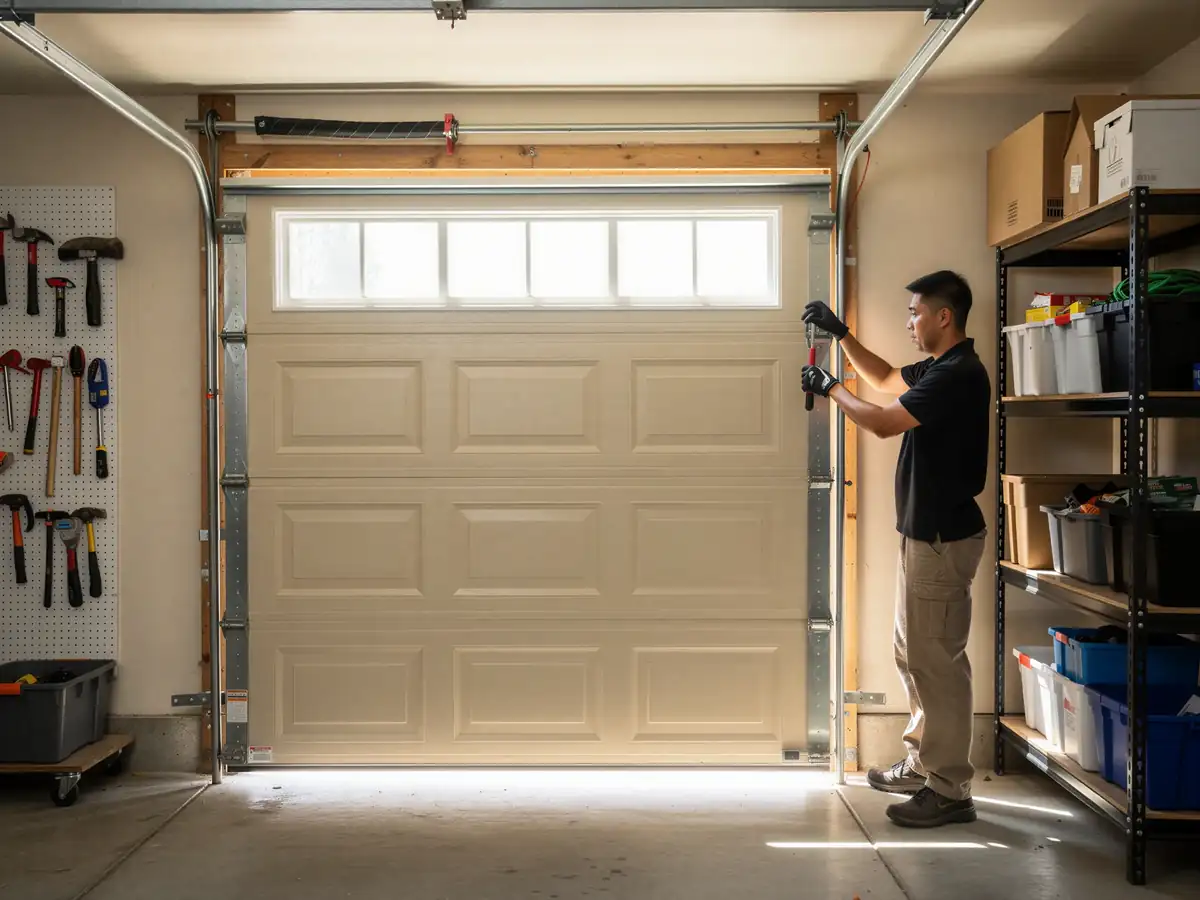
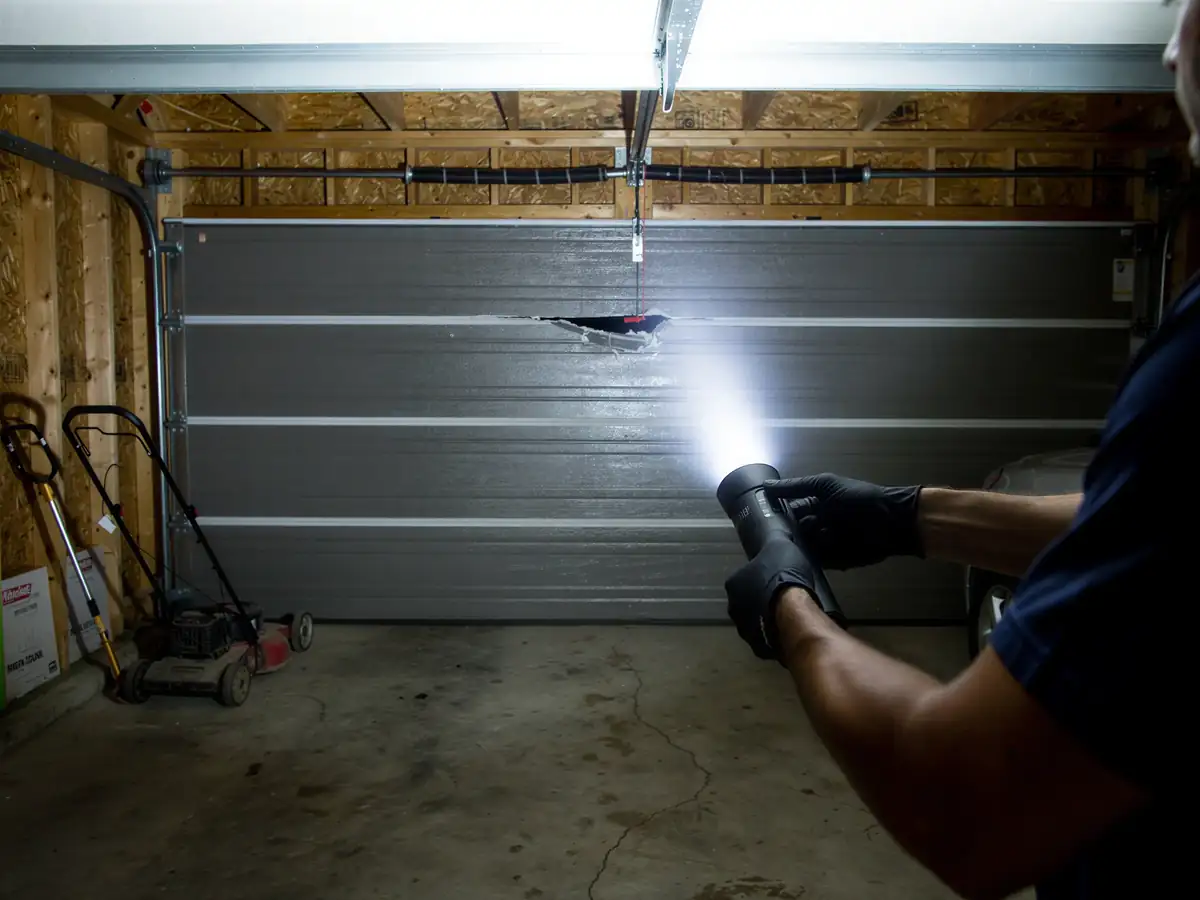
A torsion spring failure has a specific signature, and it's rarely subtle once it happens. The door feels heavy the moment you try to lift it by hand - noticeably heavier than it should, sometimes impossible to raise past a foot or two. If the opener is still trying to do the work, you'll hear it straining, maybe grinding, and the door may only make it partway up before stalling or reversing.
Some owners catch it earlier: a loud bang from the garage, like a gunshot, followed by the door working fine for a day or two before it doesn't. That bang is usually the spring itself giving out. Other times it's gradual - the door starts closing unevenly, one side dropping faster than the other, which points to one spring going while its pair is still holding.
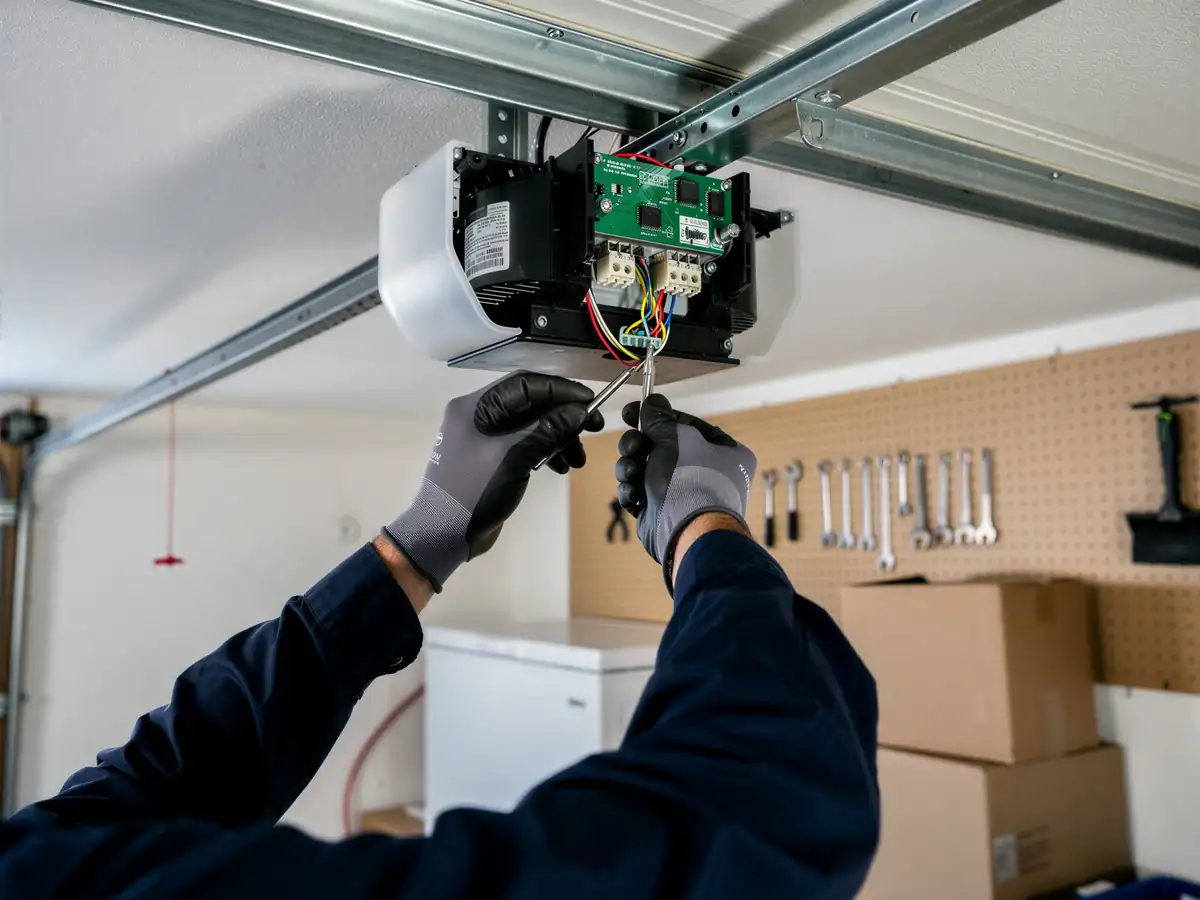
What it isn't: a door that's just slow to respond to the remote, or one that reverses right after hitting the floor. Those point to sensor or limit issues, not springs. If your door feels like deadweight the second you lift it, that's the spring talking.
Booking a Visit
You can request service through the site at /. When you call or submit the form, tell us whether the door still moves at all, whether you've already tried lifting it, and whether it's a single or double door - that affects which spring size and count we bring. Don't keep trying to force the door open or closed once a spring has gone. A door under uneven tension can drop hard or the cable can slip the drum, and that's a faster way to a second repair bill.
We'll ask basic questions up front so the truck that shows up has the right parts for a 1980s-90s build rather than guessing on site. That's the advantage of knowing the service area's housing is concentrated in that window - we're not starting from zero on hardware size and mount style for most calls.
What You Pay
We don't have a flat number to put on this page, and we're not going to make one up
Spring jobs vary by door weight, whether it's one spring or a pair, and whether the drums, cables, or bearings have also worn out - which is common on a spring that's been running dry for years. What we can tell you is that the median household income across this service area is $77,161, and most of the 36,958 owner-occupied houses here are the kind of standard single or double garage door setup we size parts for every day - not custom or oversized doors that run into specialty pricing.
- 36,958 owner-occupied
The honest limitation
If you ask for a price over the phone before we've seen the door, we're going to give you a range at best. Spring diameter and wire gauge aren't always visible from outside, and guessing wrong means showing up without the right part. We'll give you a firm number on site before any work starts.