The Seasonal Bit
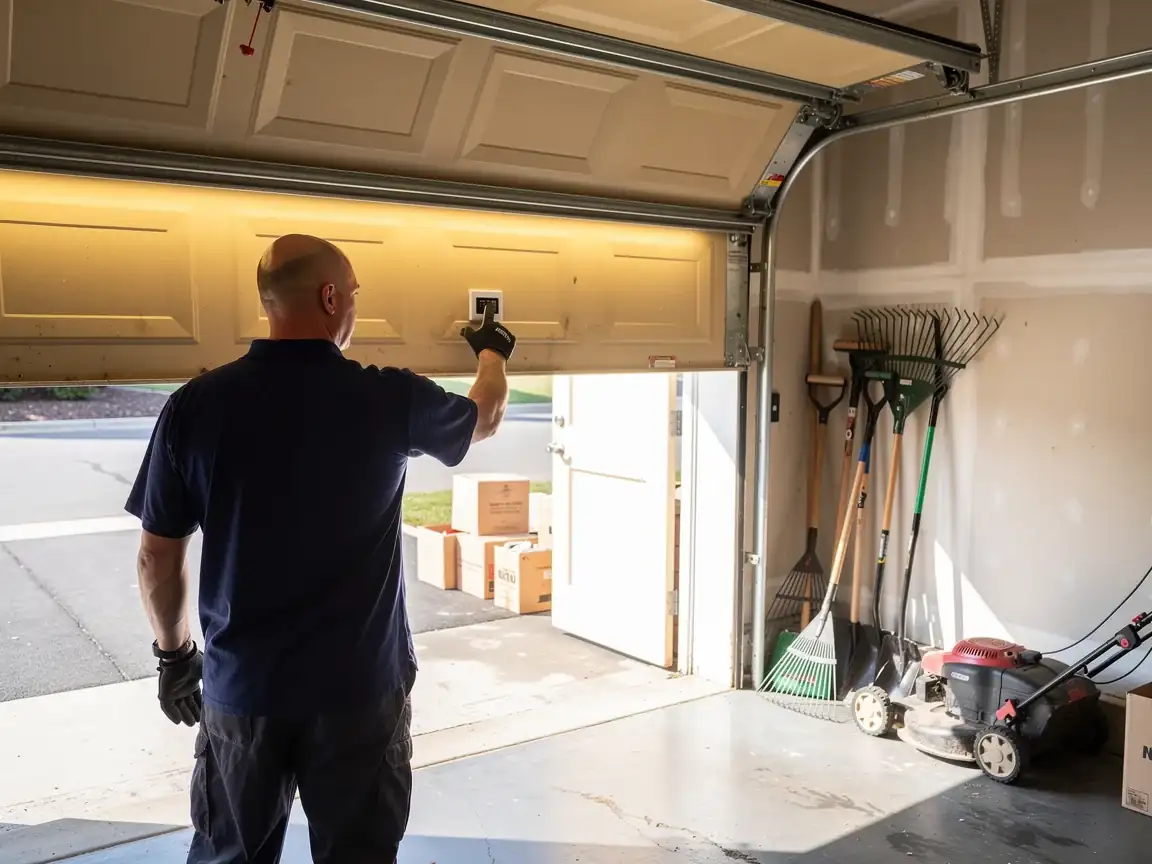
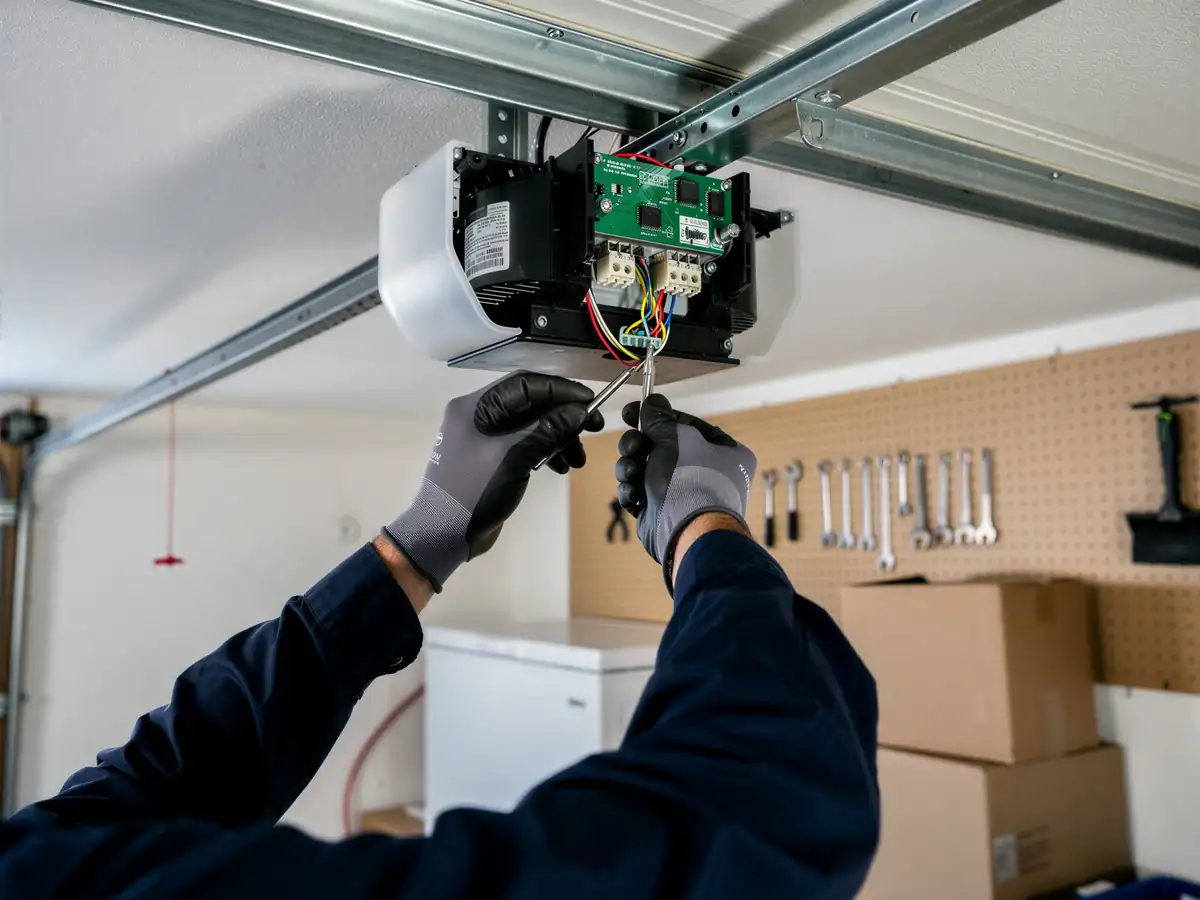
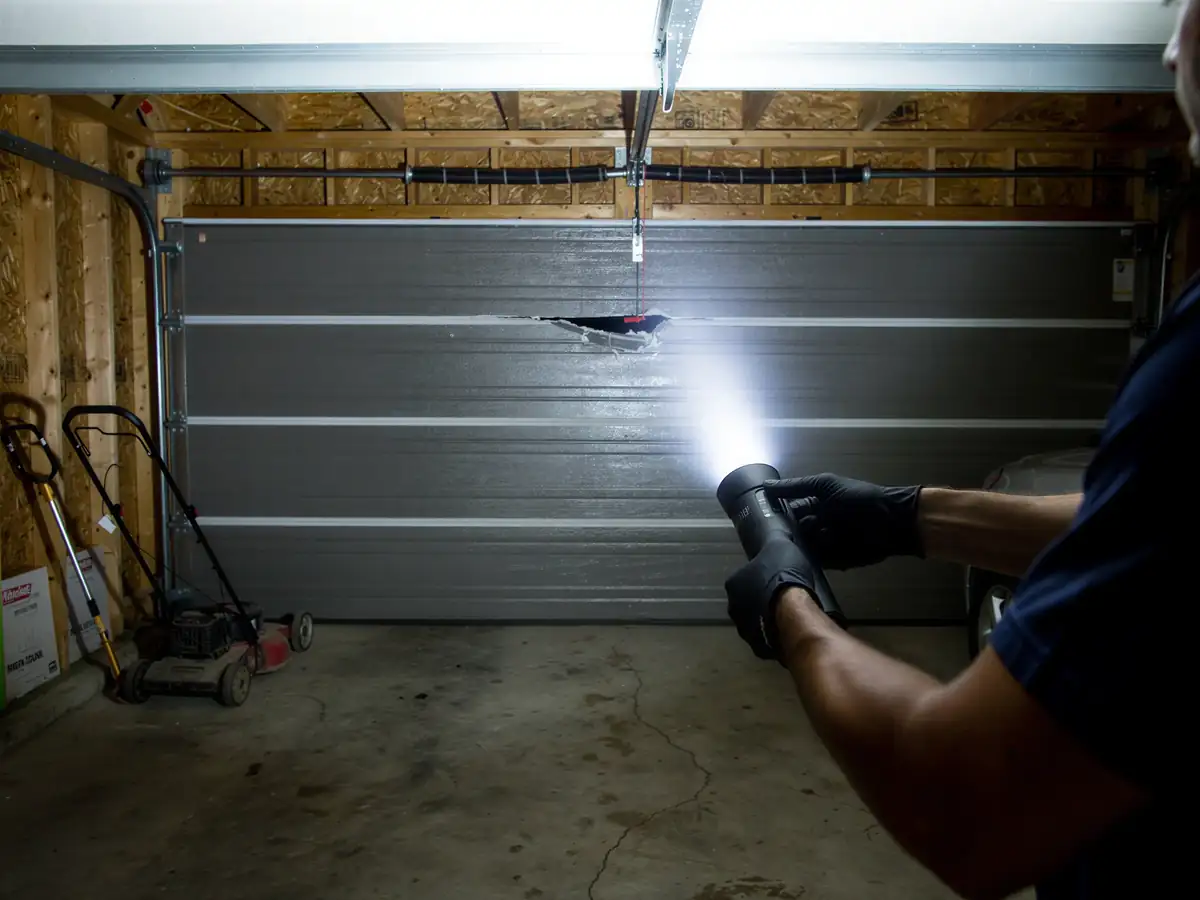
Cedar Hill sits in a moderate-heat climate band, not a hard-freeze one, so the failure pattern here looks different than it would somewhere that gets real winter. We don't see frozen torsion springs snapping on the first cold morning the way colder regions do. What we do see is lubricant on tracks and rollers drying out faster under sustained summer heat, and nylon rollers getting brittle a few years sooner than the spec sheet suggests. Opener logic boards mounted in an unconditioned garage also run hotter for more months of the year, which shortens the life of the capacitors inside them. None of this shows up as a dramatic failure - it shows up as a door that's slightly slower to close, or an opener that intermittently doesn't respond to the remote. A service call in late spring, before the heat really sets in, catches most of this cheaply. One honest limitation: we can't do much for a door that's already warped from years of sun exposure on a west-facing garage. At that point, straightening isn't a repair worth paying for, and we'll tell you that instead of charging for an attempt.
The Situation
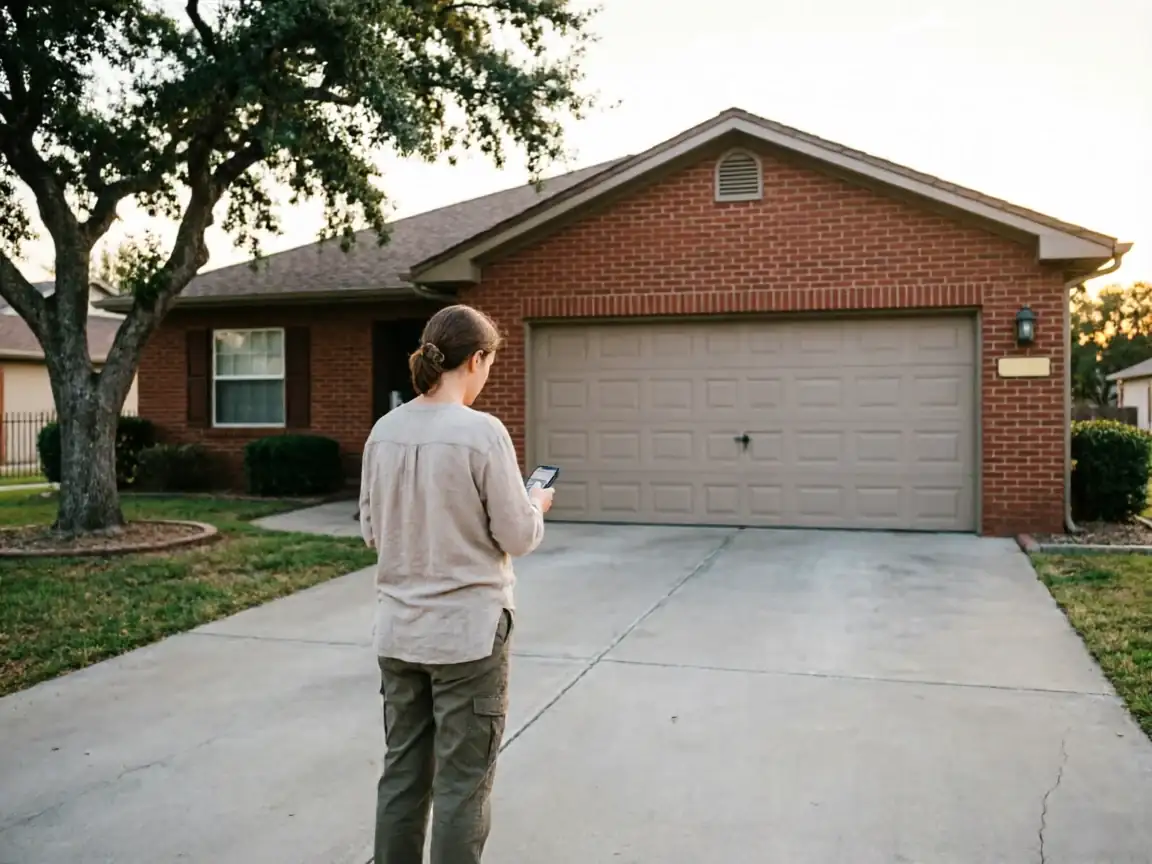
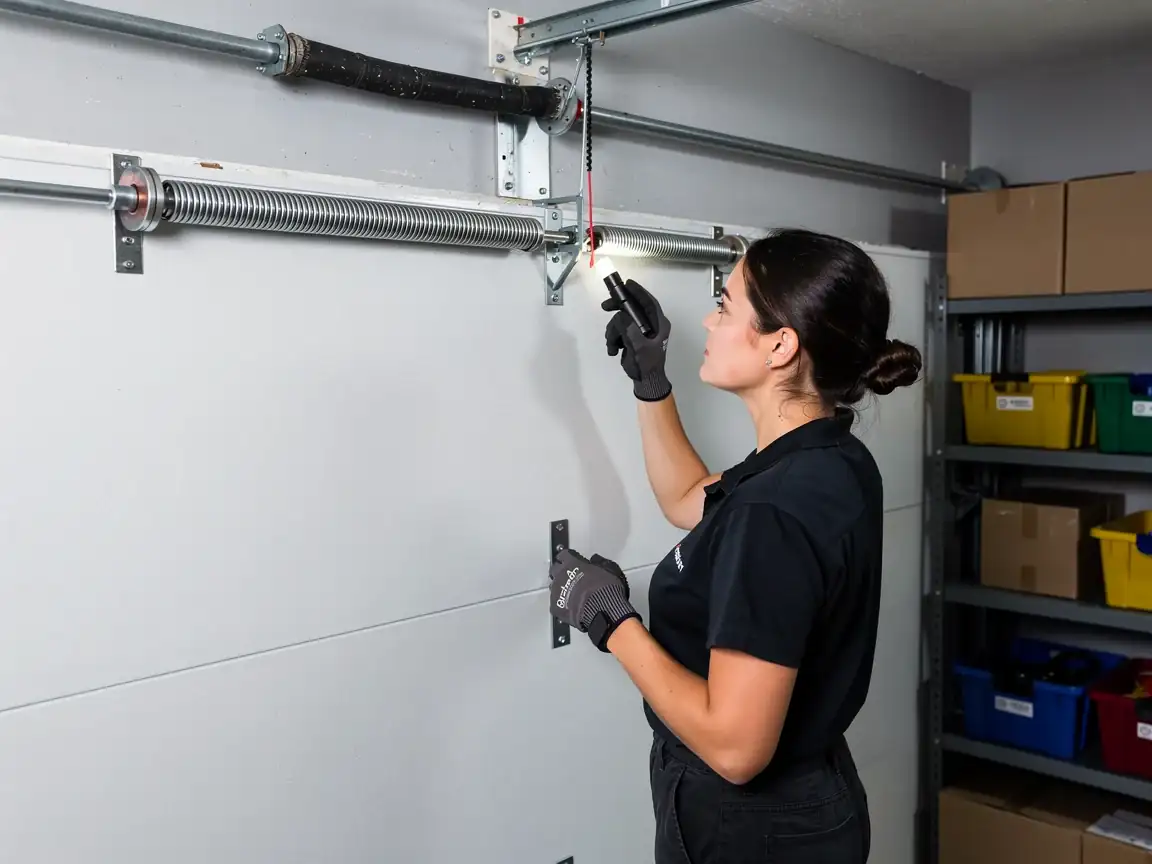
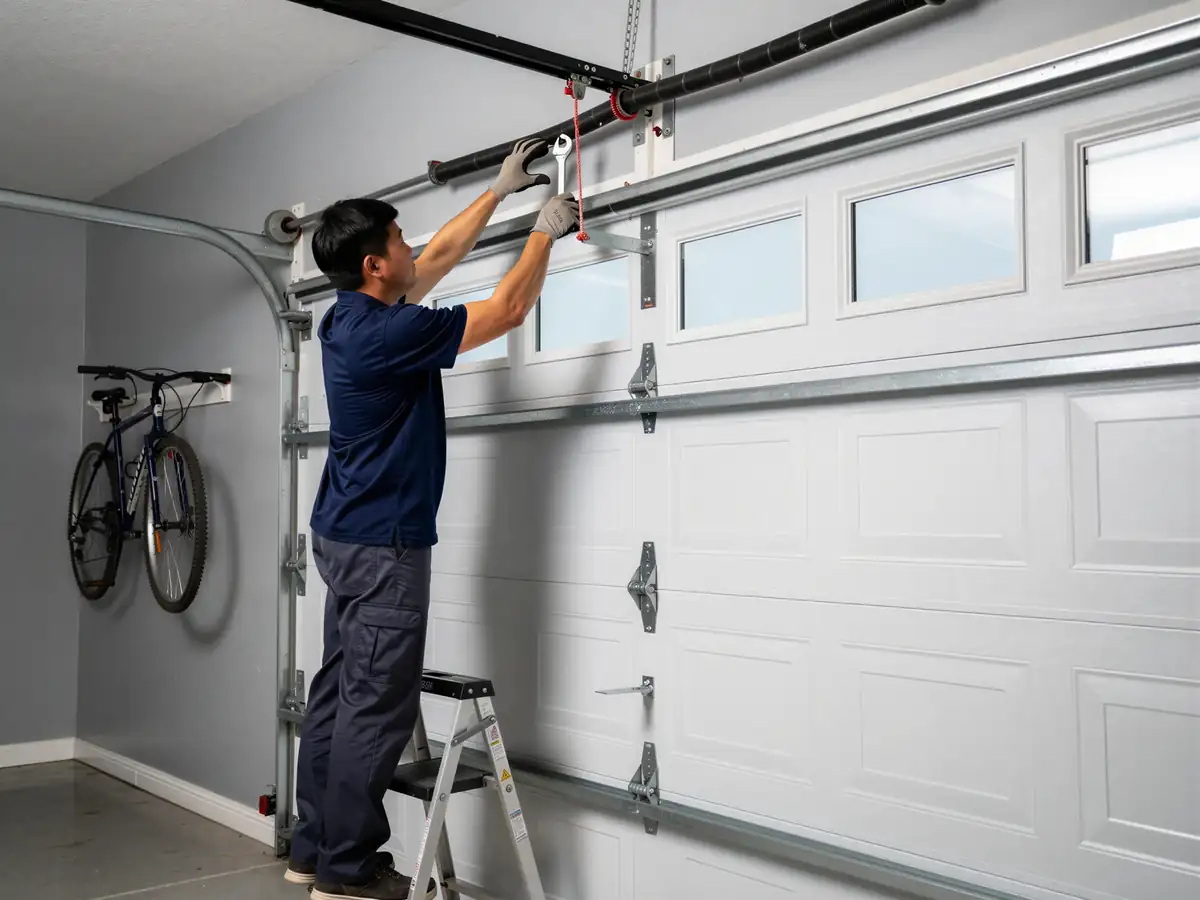
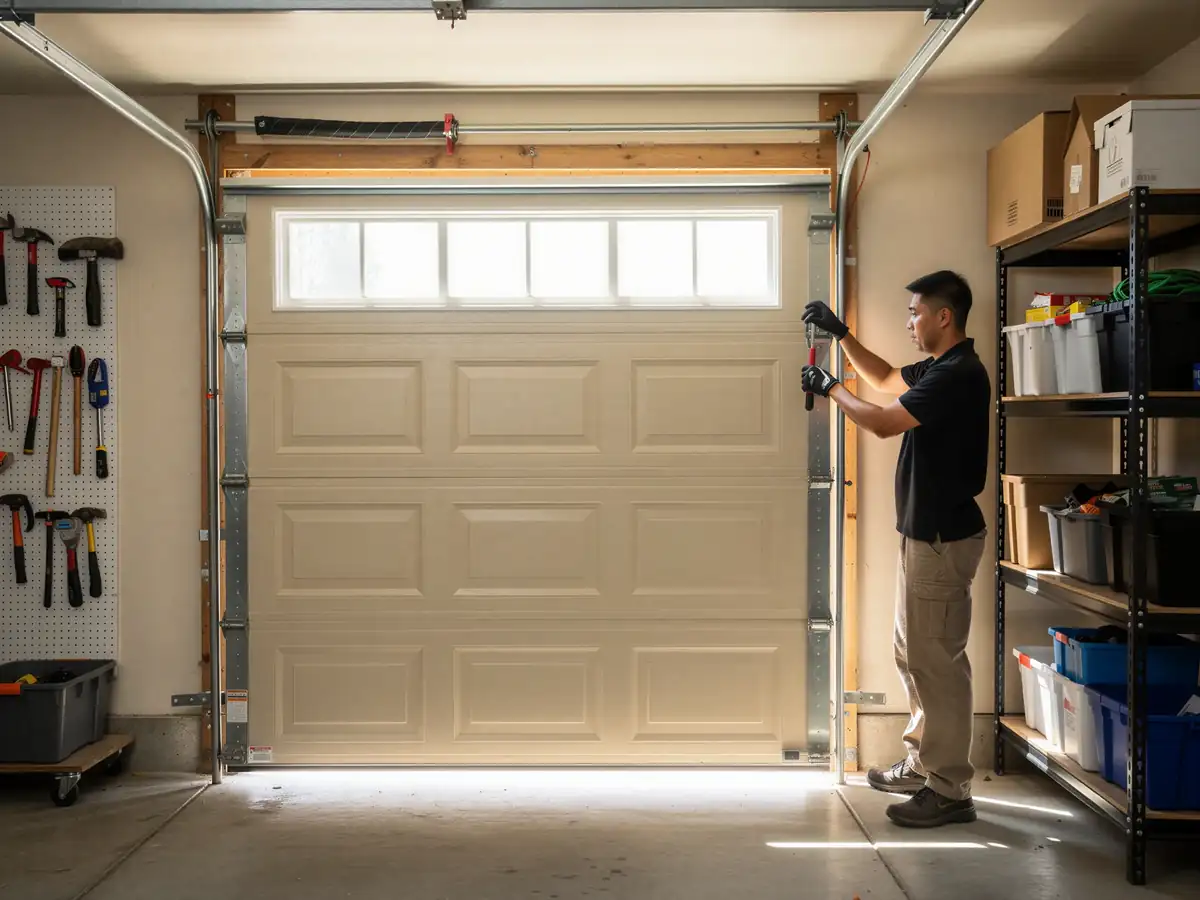
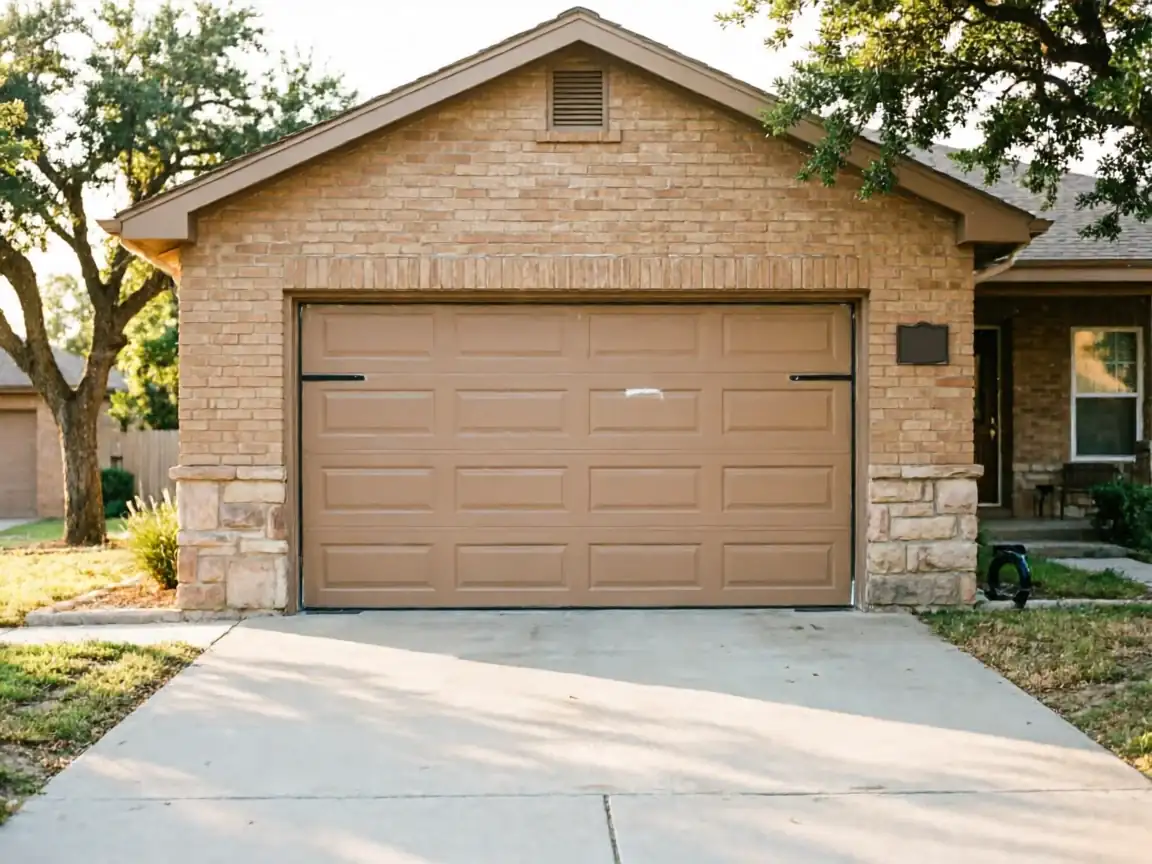
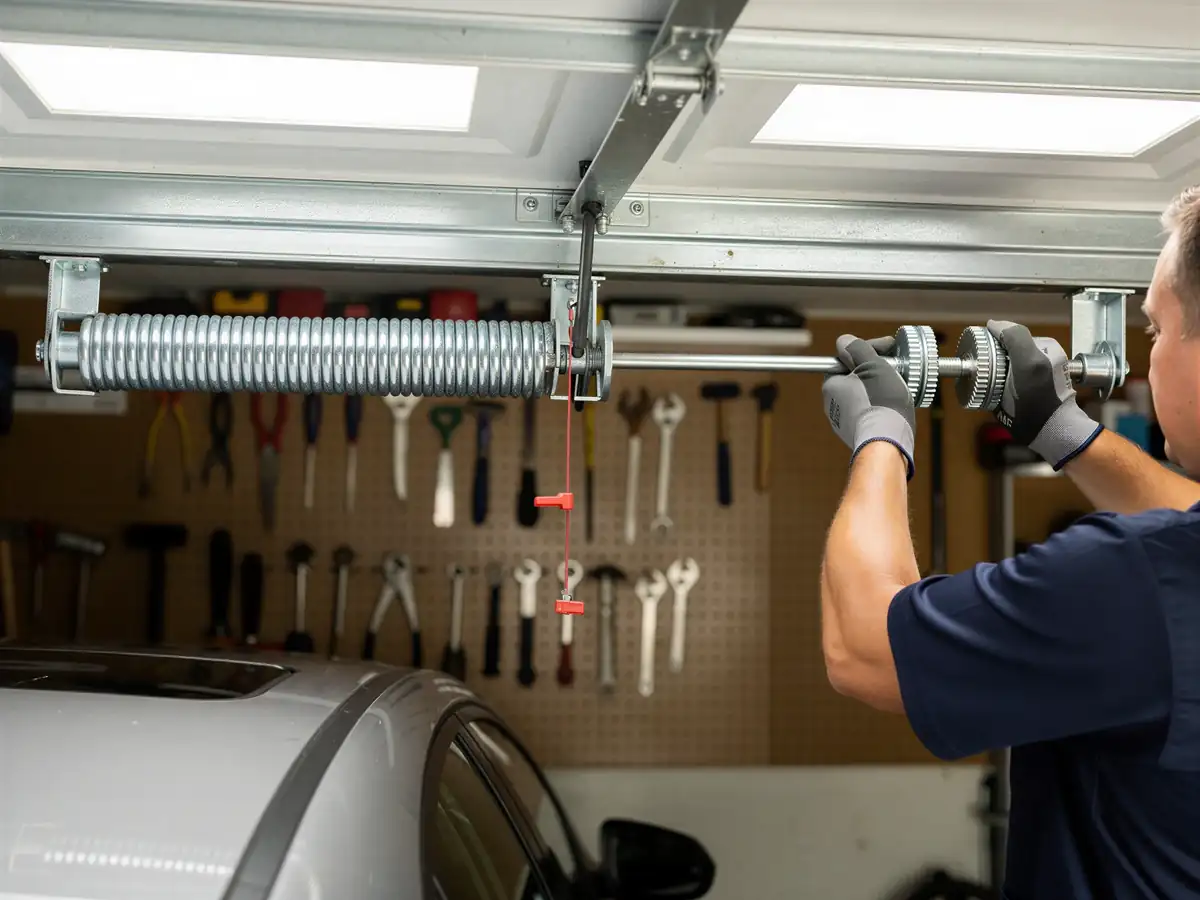
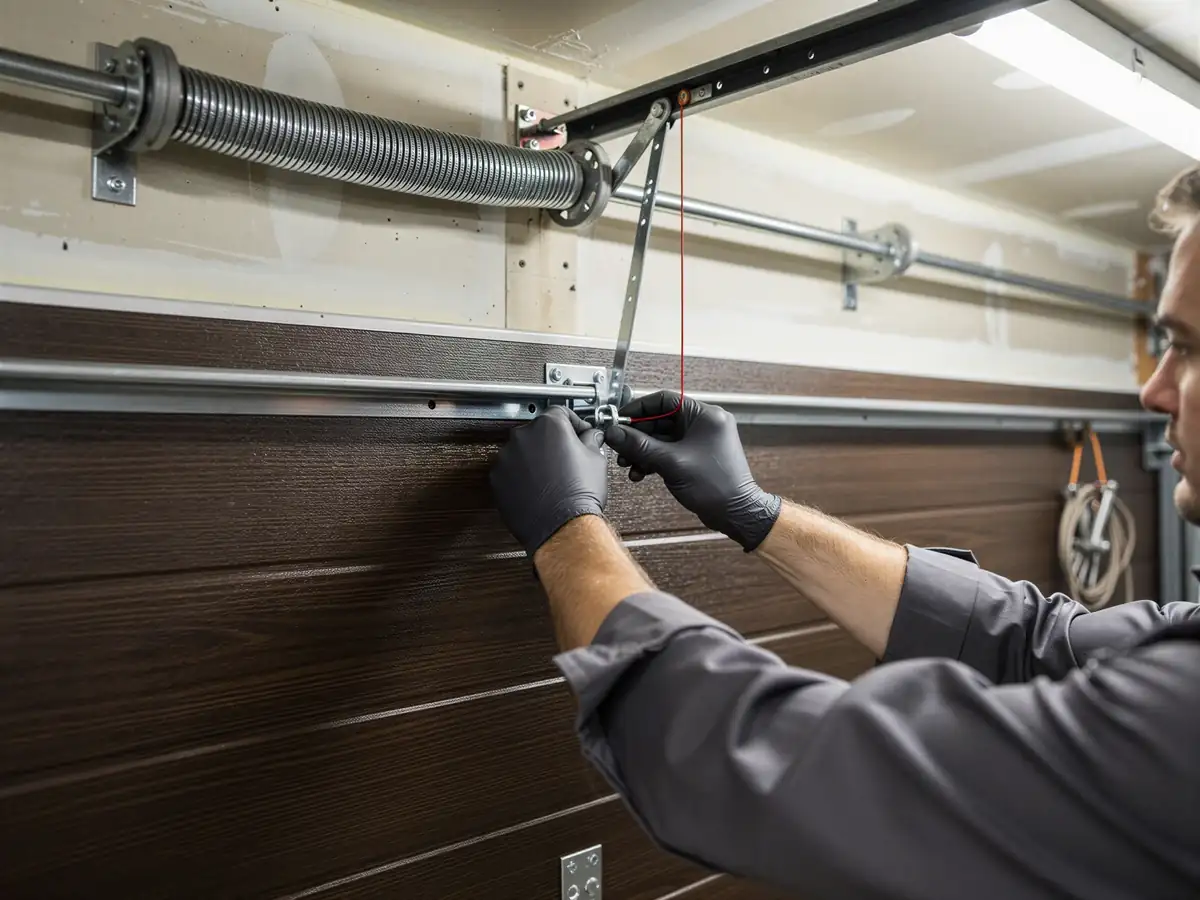
The housing stock in and around Cedar Hill was built mostly between 1969 and 2014, with the median landing in 1991, and the bulk of it falling into the 1980s and 90s build wave that covers all 16 named areas in this service territory. That means a lot of what we open up on a service call is original hardware: steel torsion springs sized for the lighter doors common to that era, openers from before modern safety-sensor requirements, and tracks mounted with hardware that's been painted over a few times since installation. A service call on a house from that wave often turns into replacing a spring that was undersized even when new, because the original door has since been swapped for a heavier insulated one without anyone upgrading the spring to match. We flag that mismatch when we see it, because it's a safety issue, not an upsell. Newer construction in the area, built closer to 2014, tends to have composite rollers and better-sealed track systems already, so those calls skew toward opener electronics rather than mechanical wear.