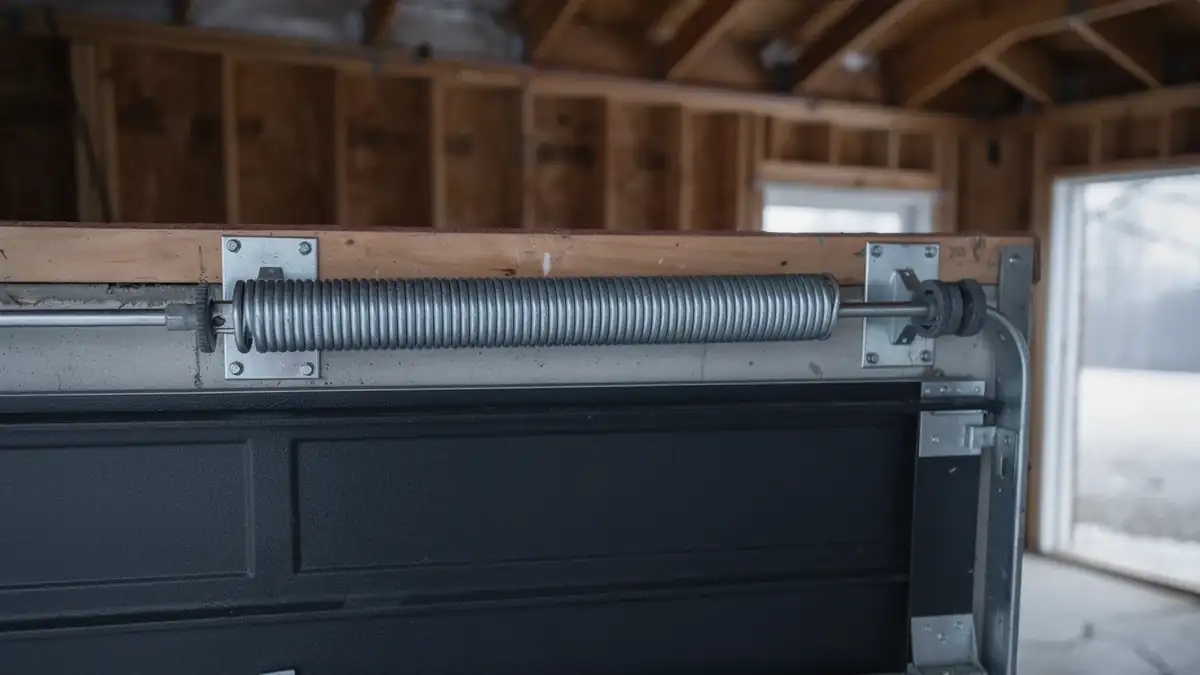
When to Get Help
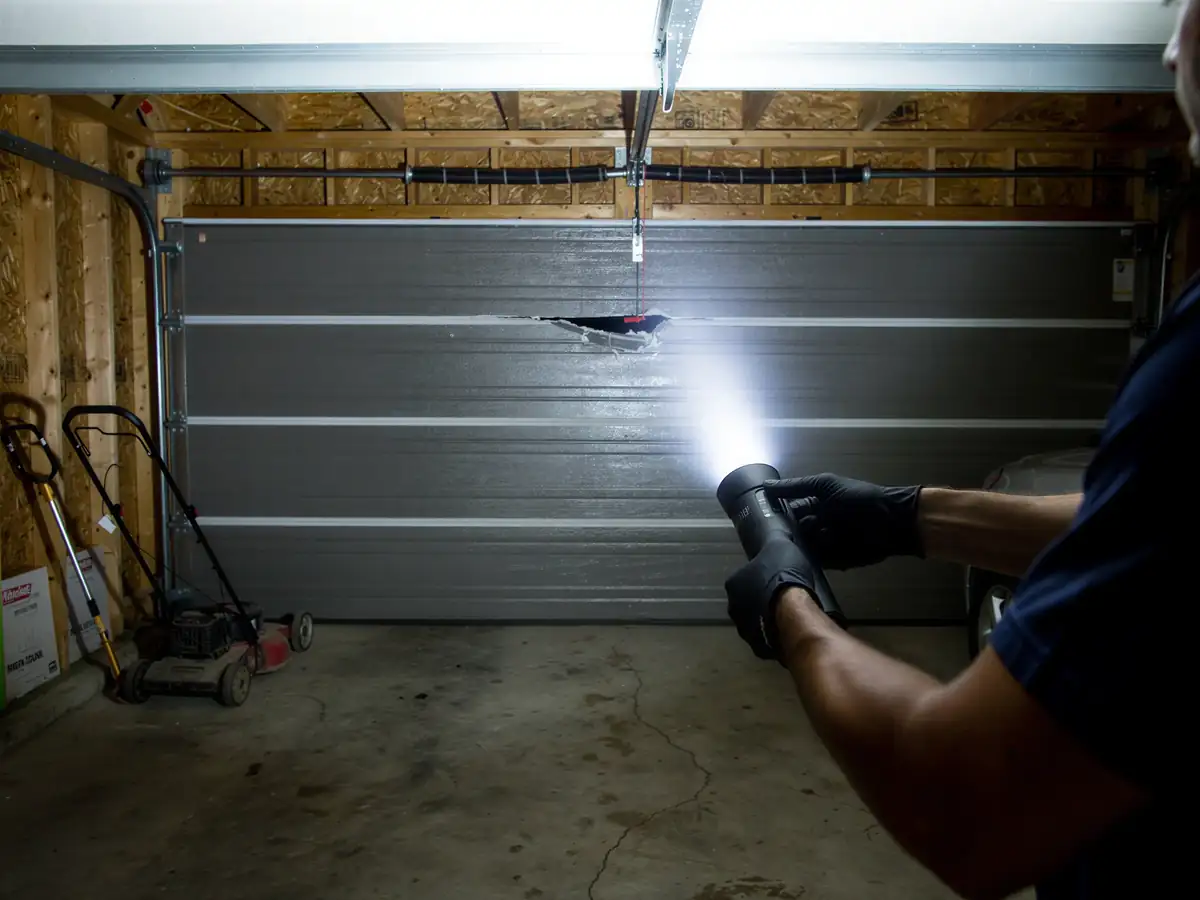
If the door won't budge, or it slams down instead of lowering slow and even, stop using it
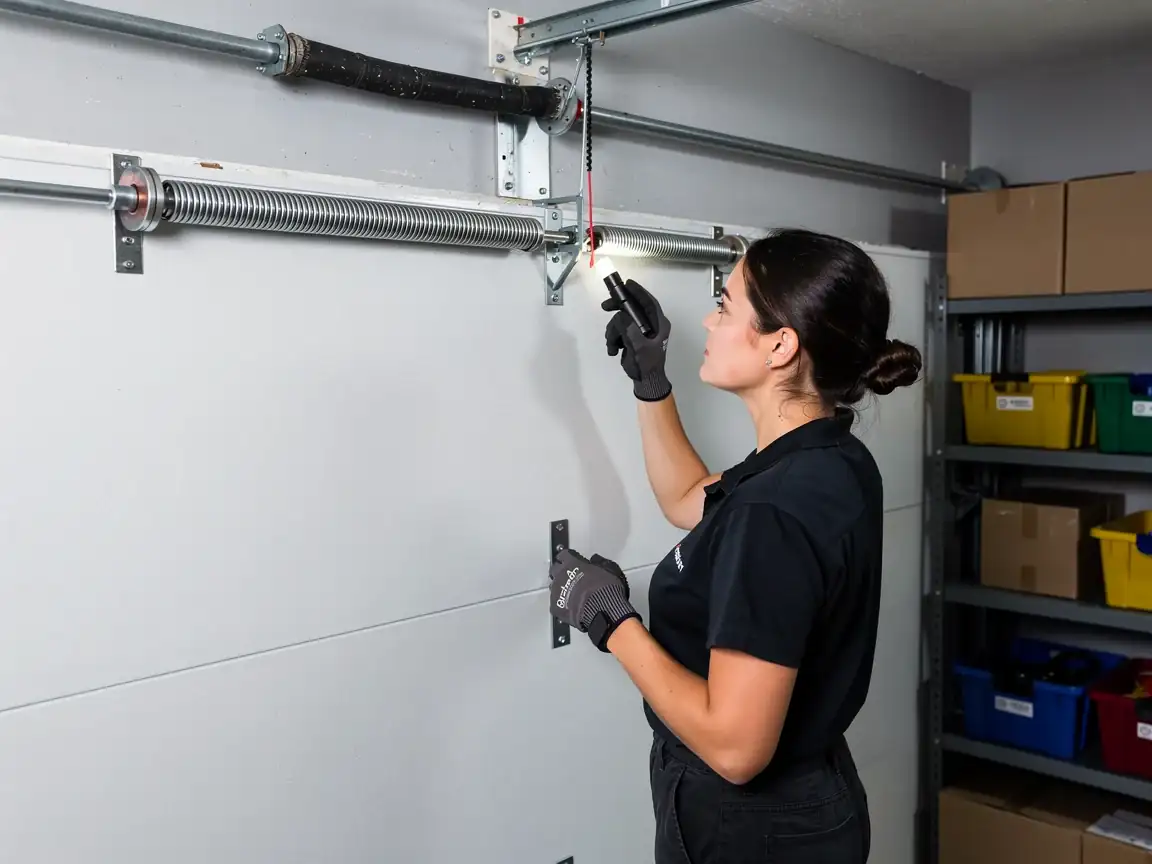
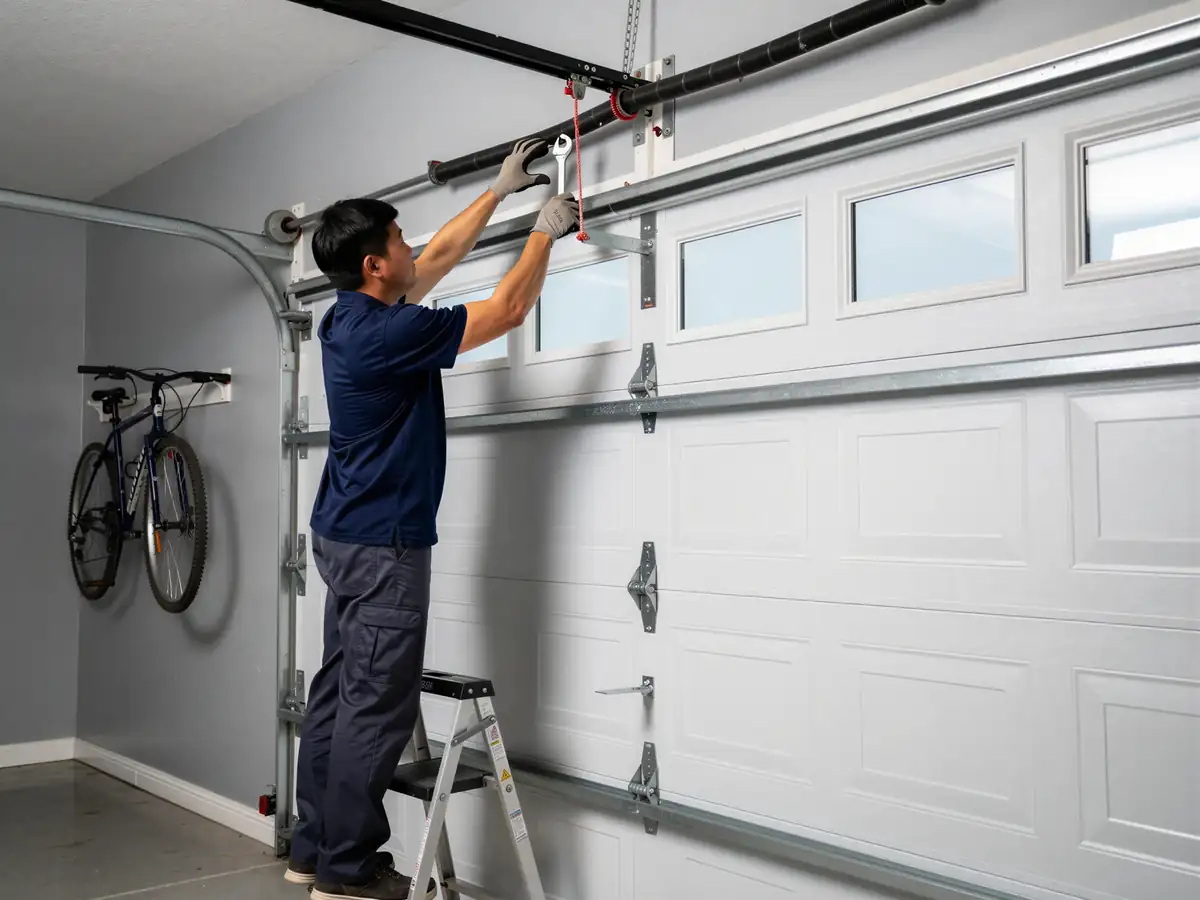
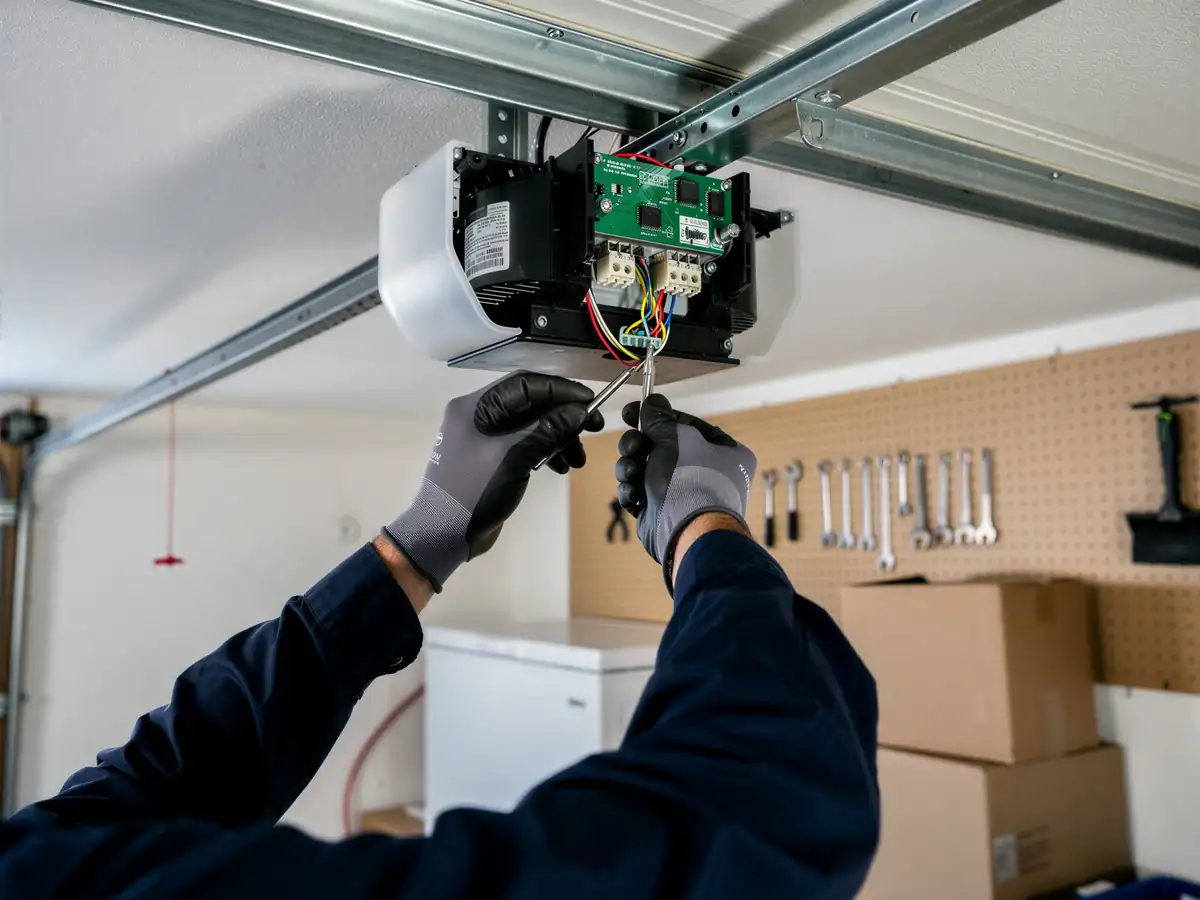
That's usually a torsion spring that's already gone, and the cable or the opener gear is taking load it was never built to carry. A door that lifts fine by hand but the opener struggles is a different problem, usually the opener itself, not the spring.
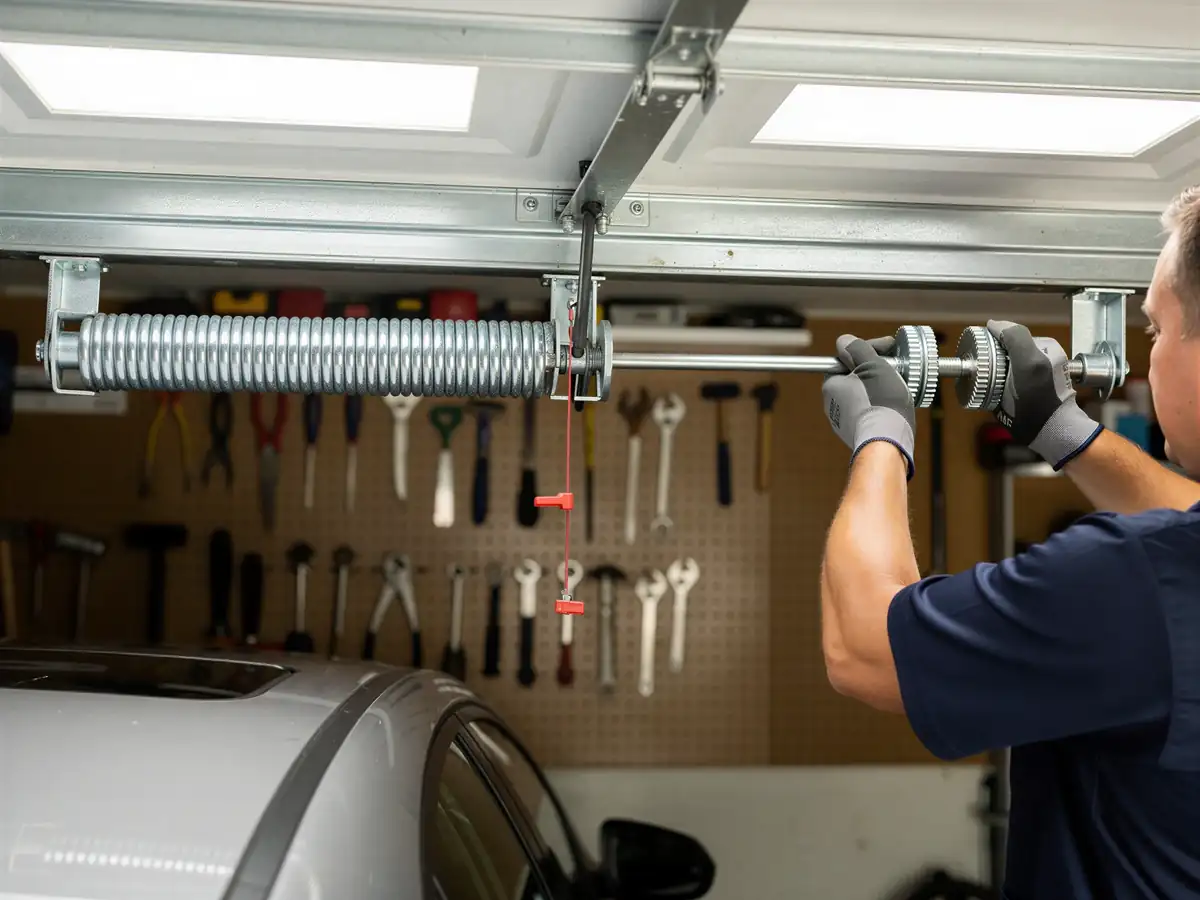
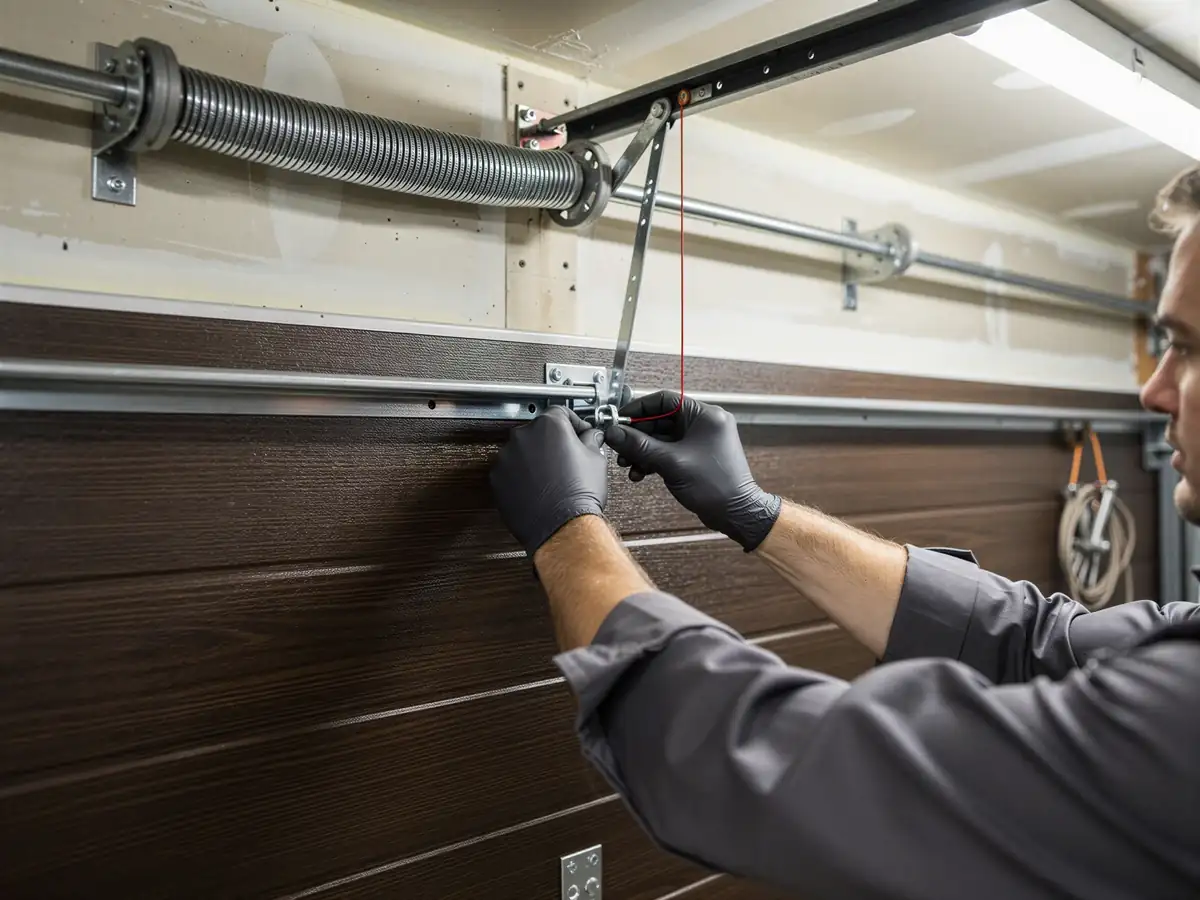
Call same day if the spring has visibly snapped
You'll see the gap in the coil above the door, or hear the bang when it let go. Don't try to open it with the opener again; that's how a cable frays or a track bends. If it's just stiff and slow, not broken, that can usually wait for a scheduled visit rather than an emergency call.
One honest limit: we don't carry every spring size on the truck
High-cycle springs for taller two-car doors, or anything non-standard, sometimes take a day to get in. We'll get the door safe and secured same visit either way, even if the full fix lands the next day.
The Seasonal Bit
Cedar Hill sits in a climate band that's rated moderate for heat, not extreme cold, which means hard freezes aren't the norm here. That's actually part of the problem. A spring that spends most of the year cycling through long, hot stretches doesn't get the kind of steady cold that would make an owner think about winterizing anything. Then one morning in January the temperature drops fast, the steel contracts, and a spring that was already fatigued from a summer of expansion and contraction finally lets go.
It's not that cold breaks springs on its own. It's that a sudden swing is harder on metal that's already near the end of its working life than a slow, steady cold would be. Because freezes here are occasional rather than constant, a lot of homeowners get caught off guard - the door worked fine in November and snapped in January with no warning in between. There's no dramatic ice storm behind most of these calls. Just an ordinary cold morning and a spring that had nothing left to give.
The Situation
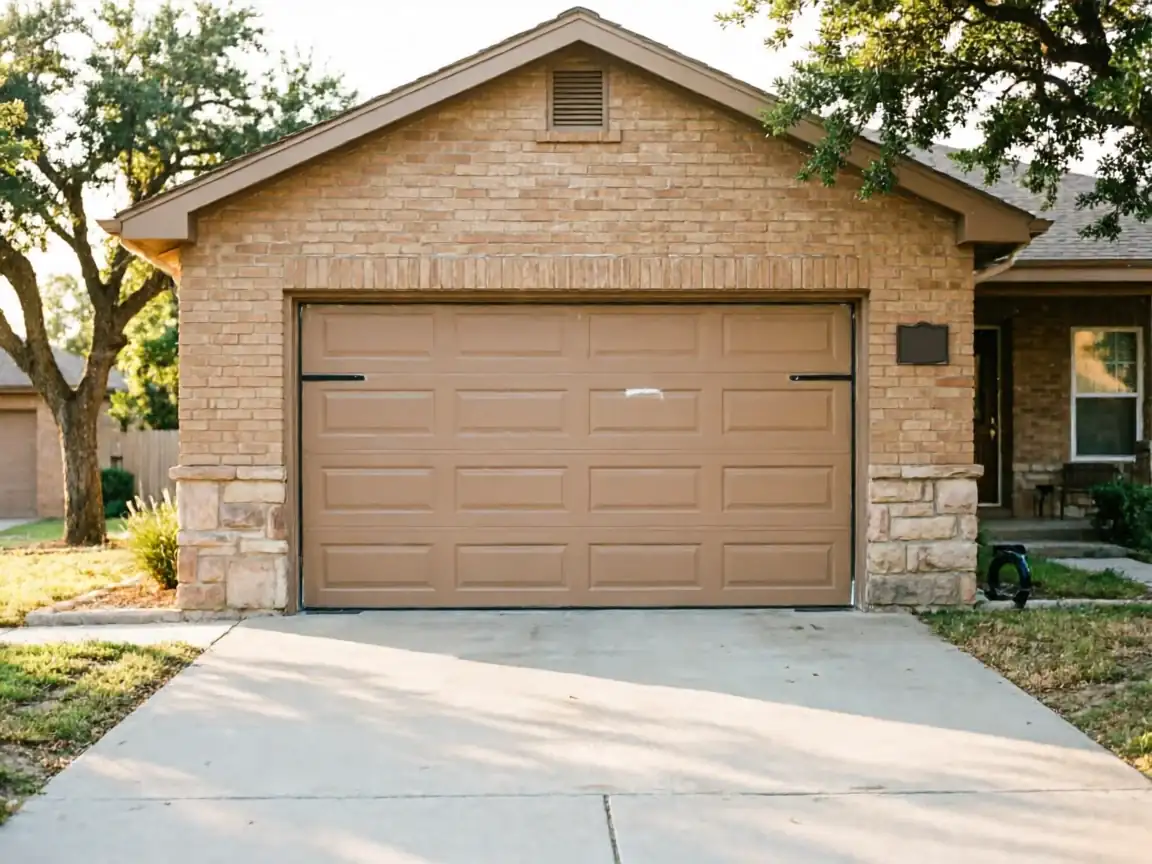
Housing stock through this area runs from 1969 up through 2014, with the median build landing around 1991. That matters more than people expect, because torsion springs have a rated cycle life, not a calendar one, and most original springs installed when these houses were built are now more than 25 to 45 years past their install date.
A big share of that stock, going by the mix across the named areas nearby, is concentrated in 1980s and 90s construction. That means a lot of doors in this part of town are running on hardware that predates the current owner, sometimes predates two owners back. Nobody replaces a spring on a schedule - they replace it when it breaks. So when a cold snap adds stress to a spring that's already decades into a life it was never going to get much past, that's usually when the phone rings.
This isn't a defect in the houses or the doors. It's just what happens when original hardware from a 1991-era build is still in service three decades later and finally meets a stretch of weather it can't absorb.
How Local Conditions Play In
Put the two things together and the pattern is clear
The service area covers roughly 60,496 households, with 36,958 of those owner-occupied, and most of that stock traces back to the same late-80s-through-90s building wave. That's not a small or unusual slice of houses - it's the majority of what's out there, which is why spring failures cluster the way they do once the weather turns.
- 60,496 households
- 36,958 owner-occupied
The moderate-heat climate band means those springs spend most of the year under heat stress
With only occasional sharp cold mornings layered on top. It's that combination - decades of summer cycling, then a sudden cold snap - that tends to be the final push, not the cold by itself. We see the same pattern whether the call comes from inside Cedar Hill or from the closer edges of the service footprint, out toward Ovilla five miles off or Glenn Heights six miles out. Same housing era, same hardware, same weak point.
If your door is original to a house built anywhere in that 1969-2014 window
The spring is older than most people assume, and a cold morning is just as likely a trigger as anything else.