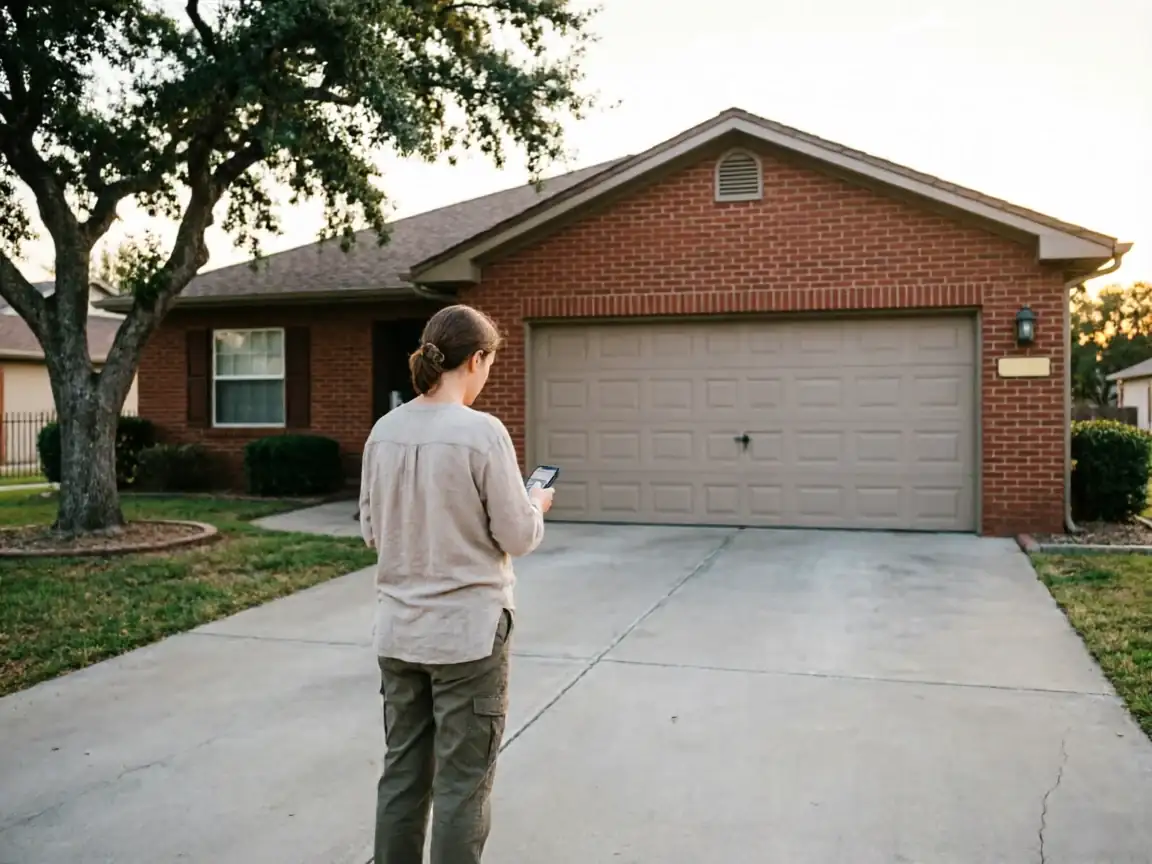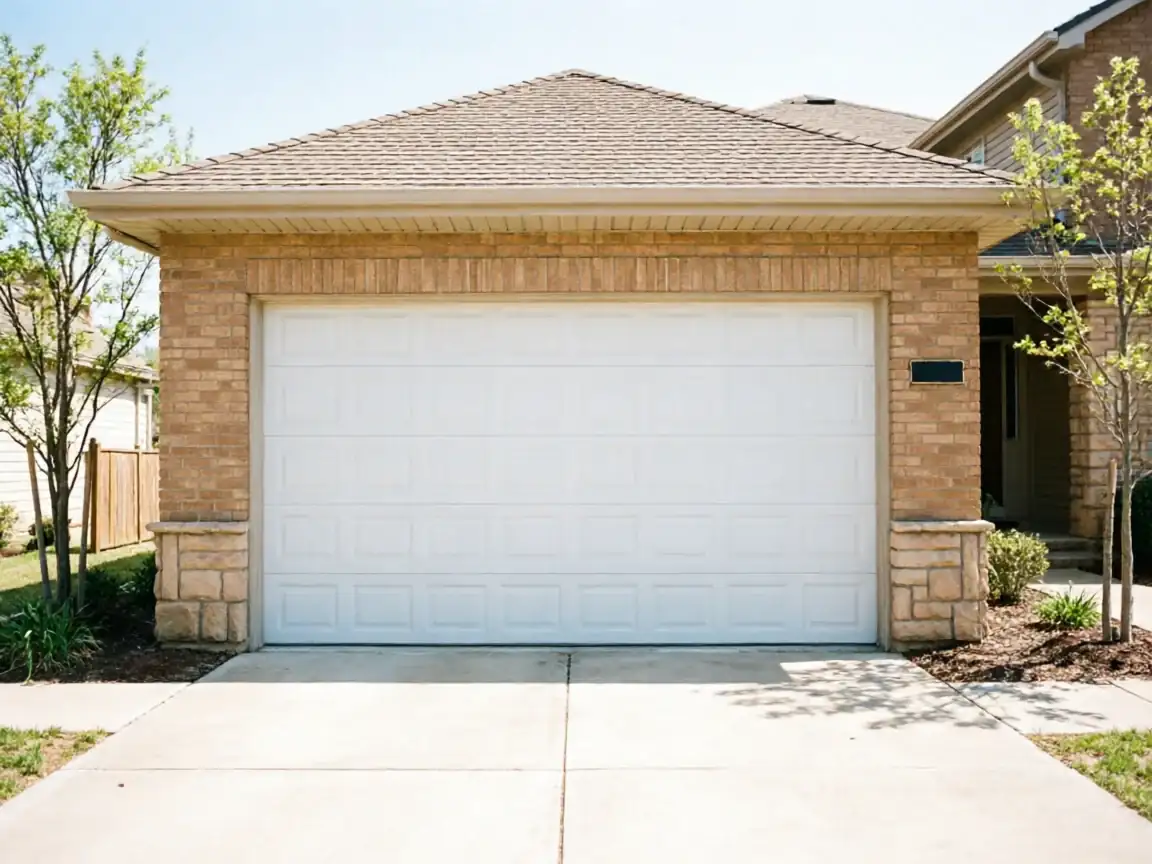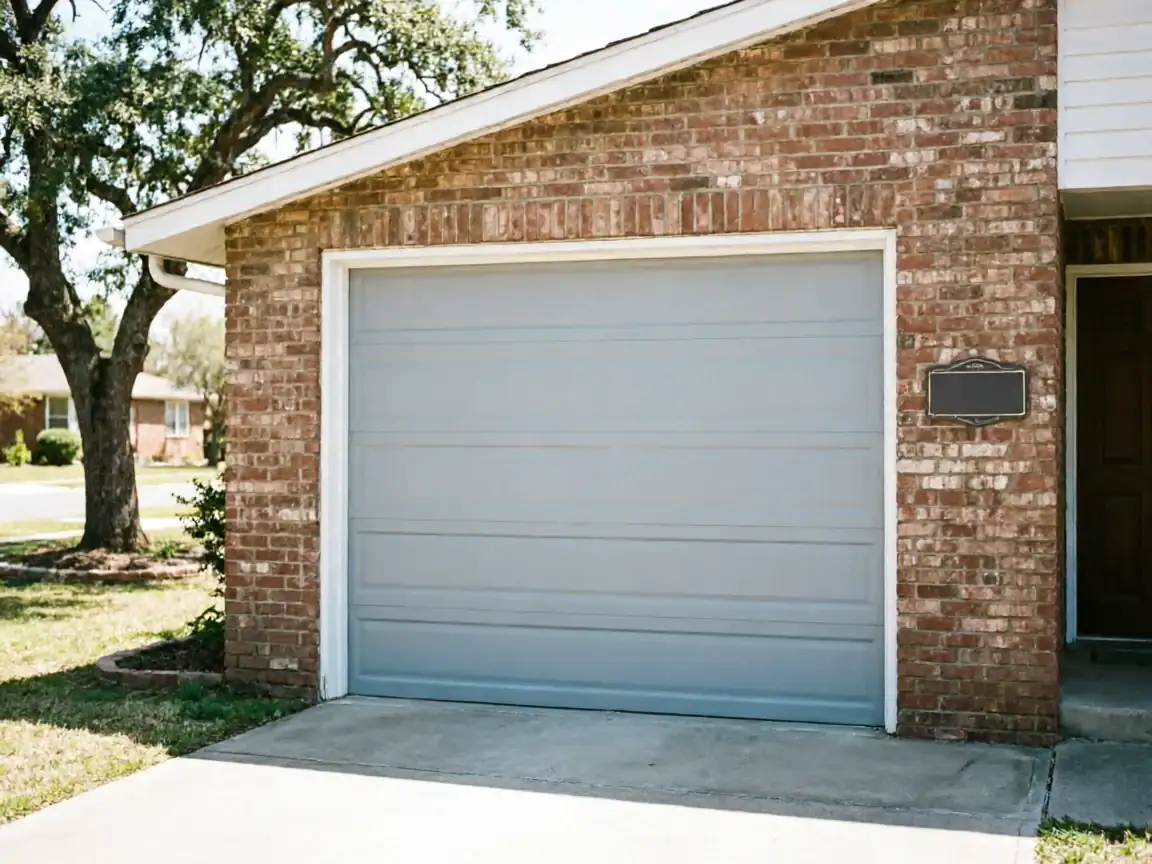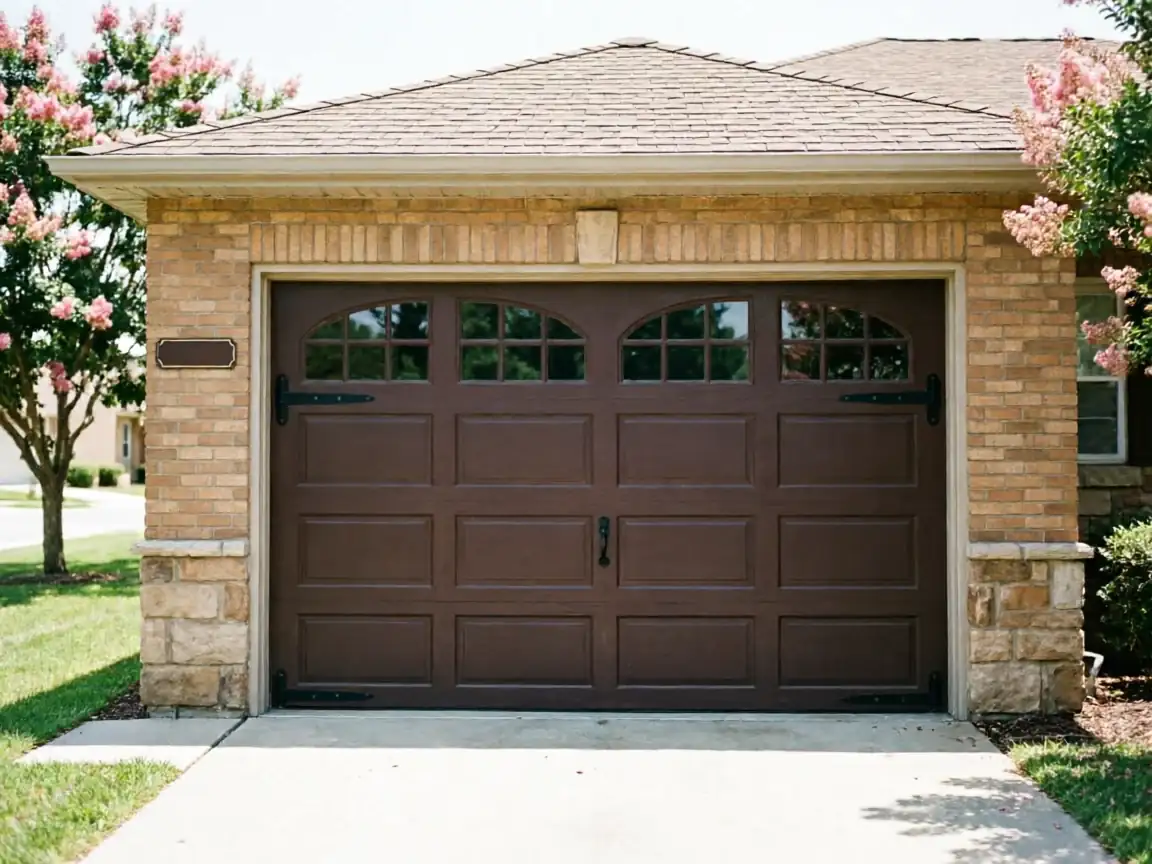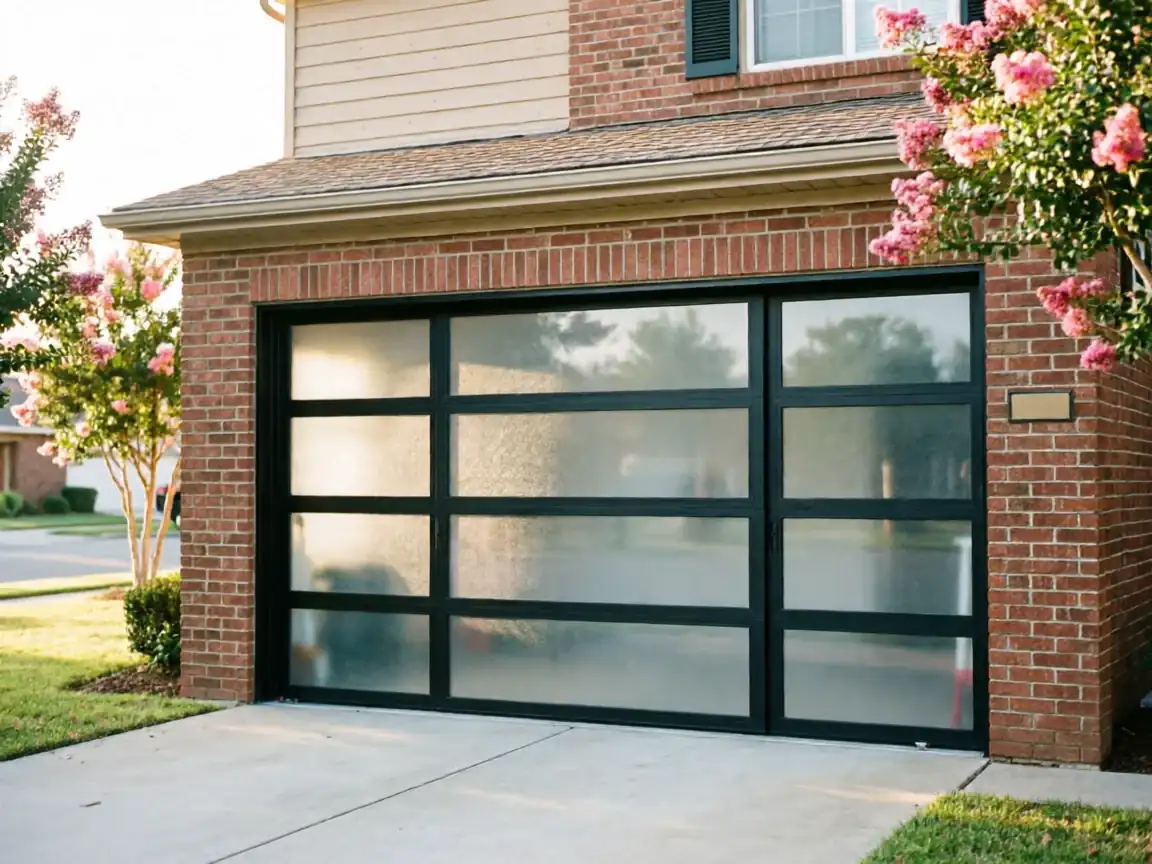
The Symptom
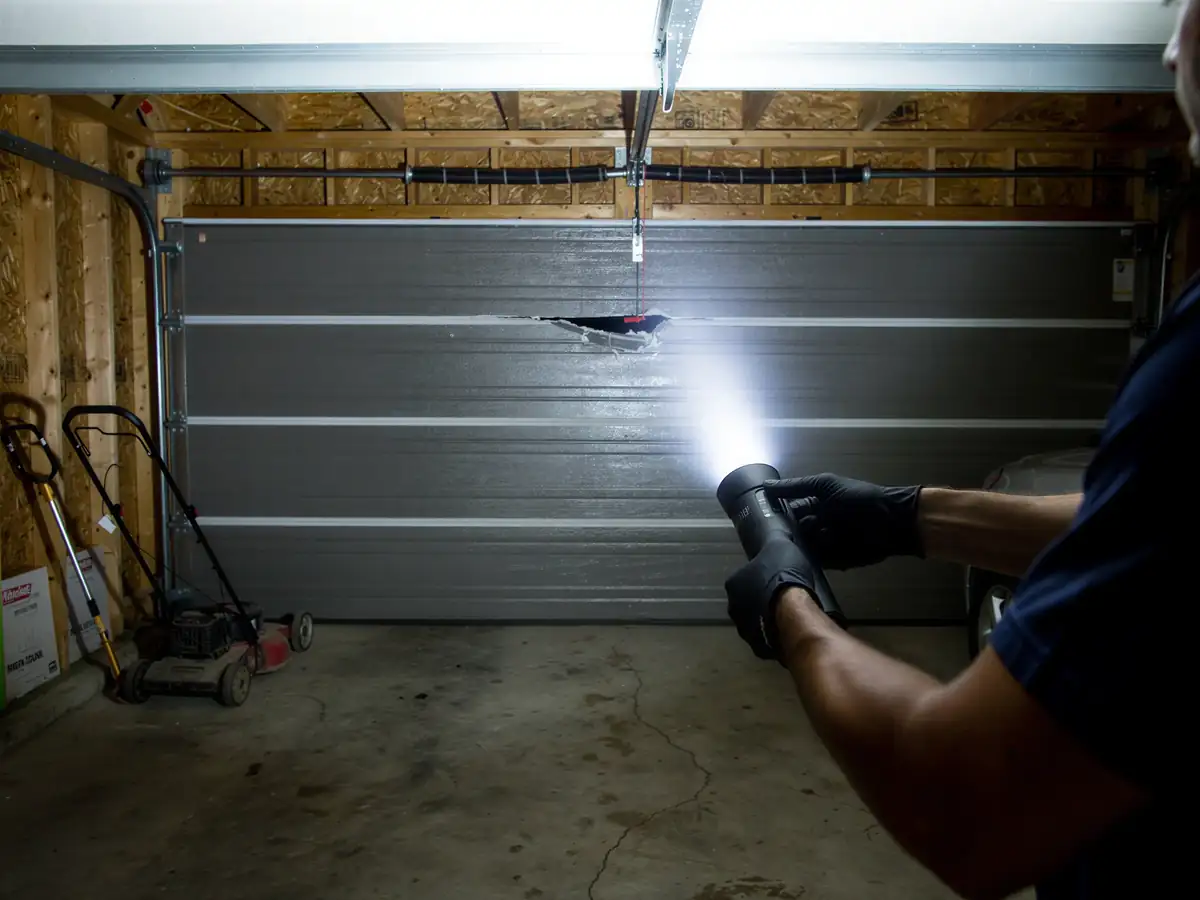
The call we get most from Rendon is a door that groans or jerks partway up, then stalls
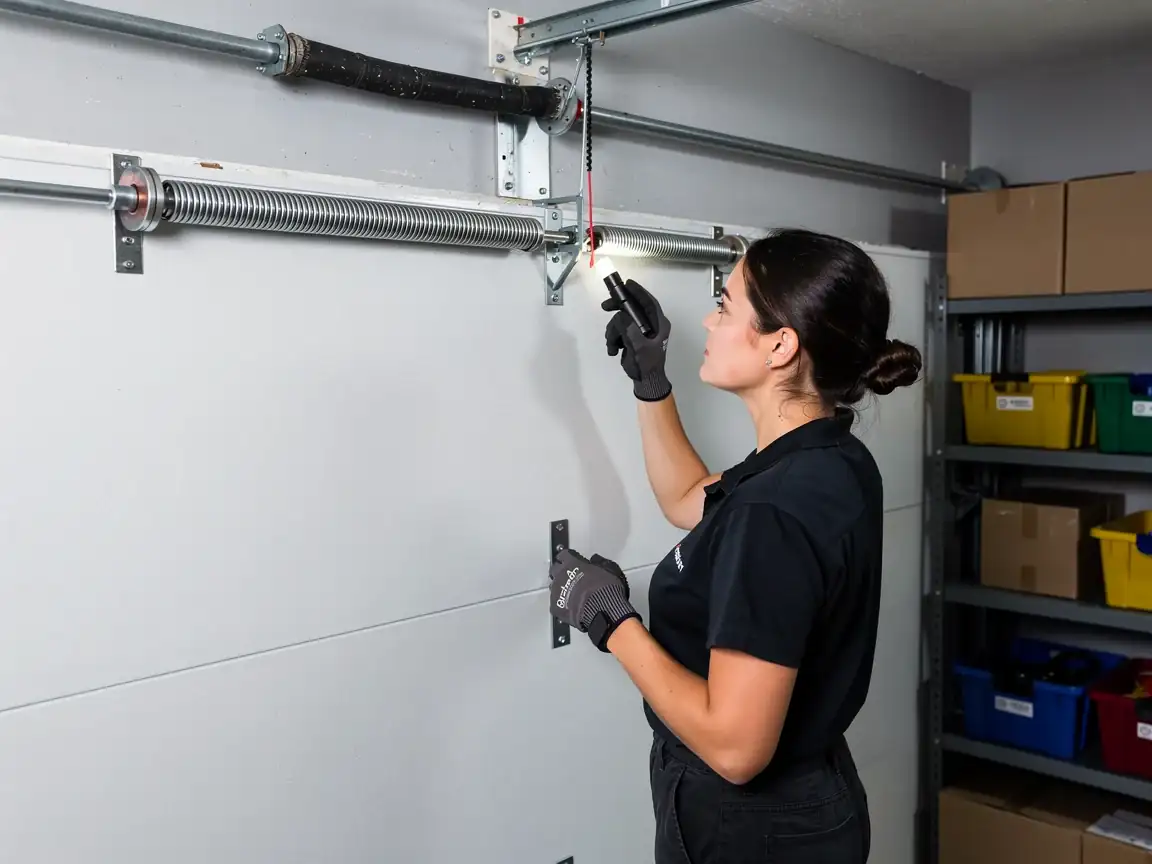
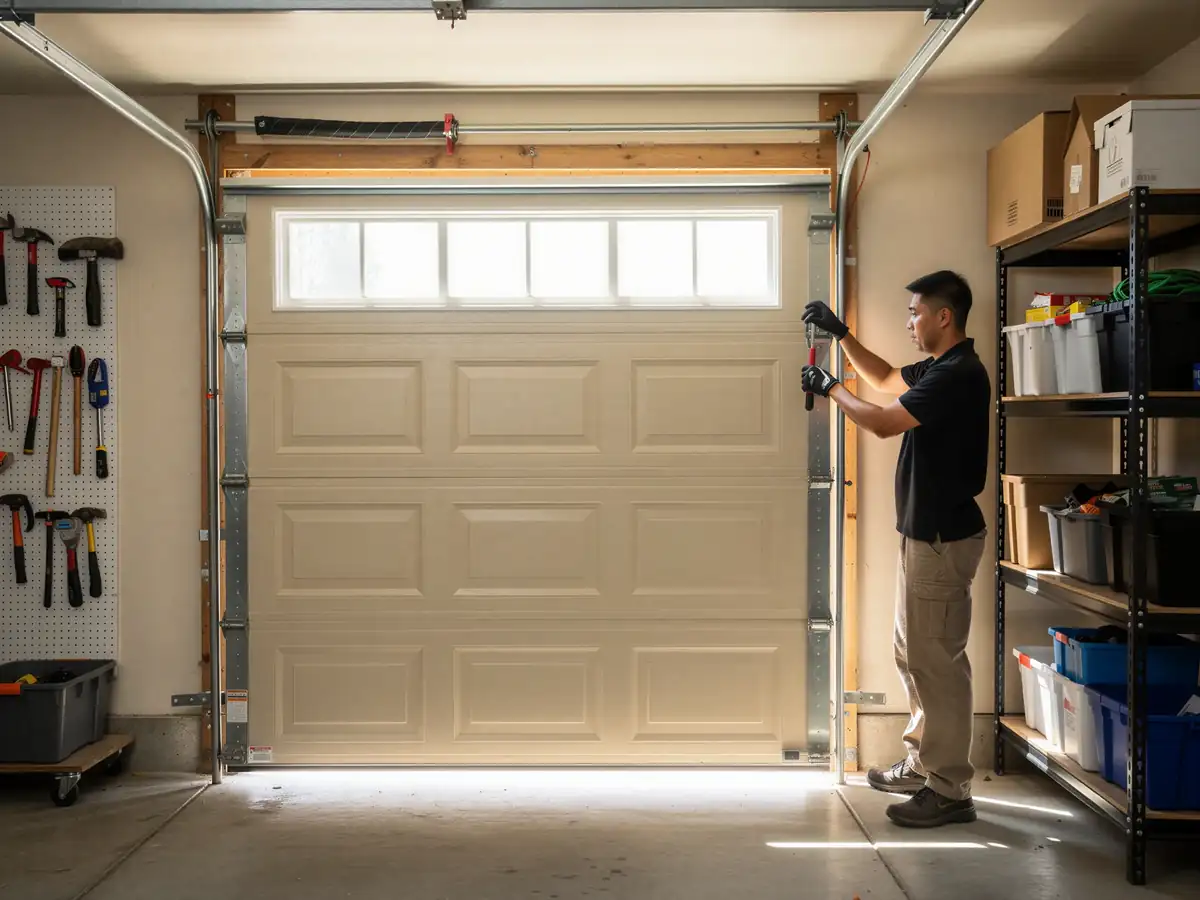
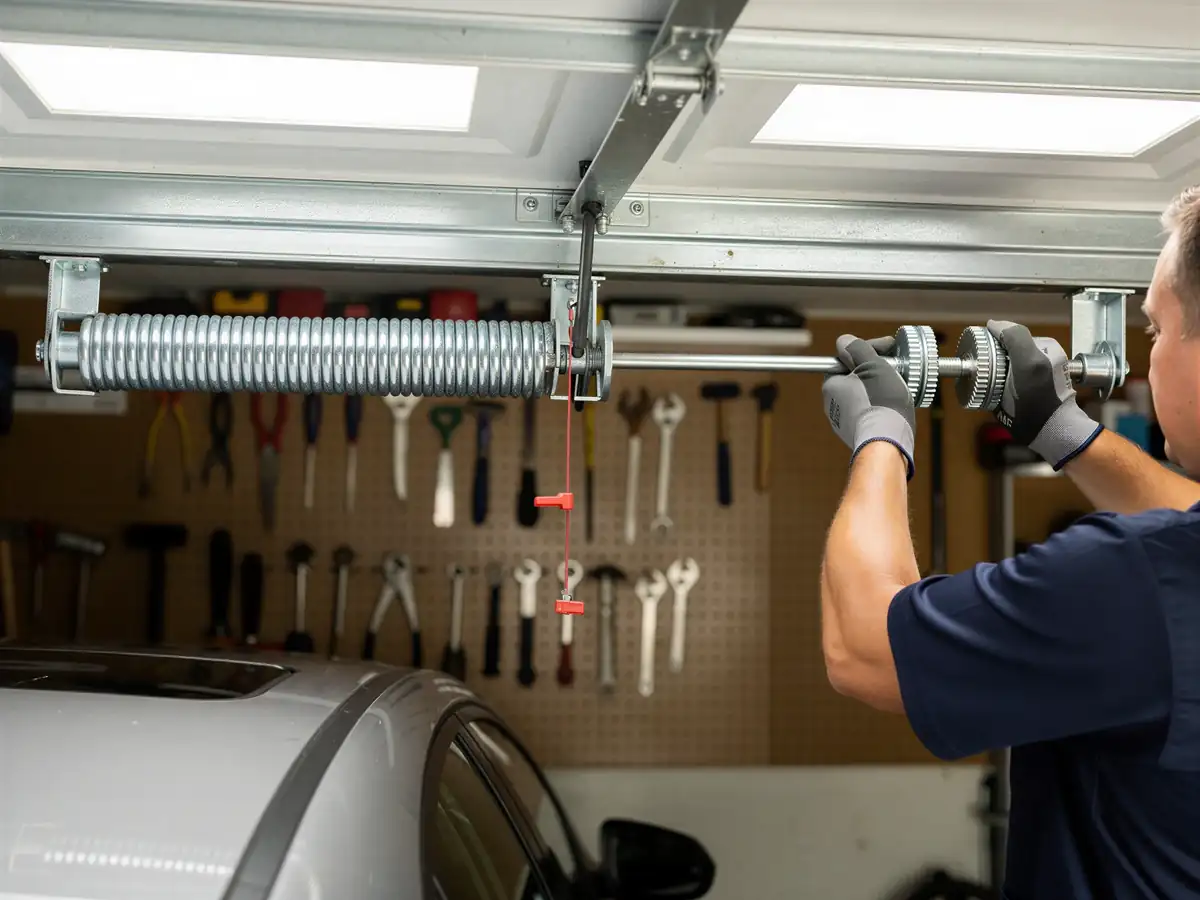
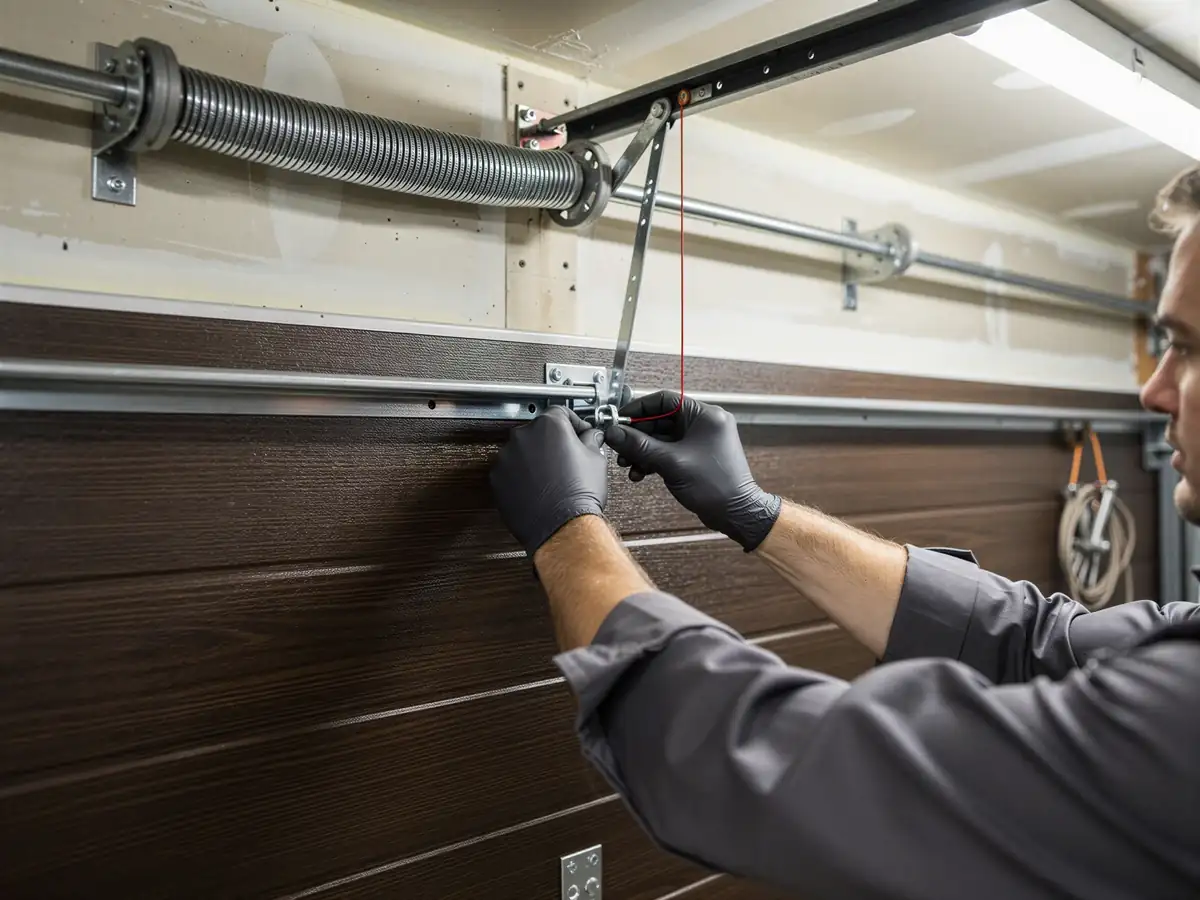
Nine times out of ten it's a torsion spring that's lost its temper, or a roller track that's worked loose from decades of use. The opener itself tries to force the door the rest of the way, the gears strip a little more, and the whole thing gets worse each time someone hits the button.
That pattern lines up with what's actually out there
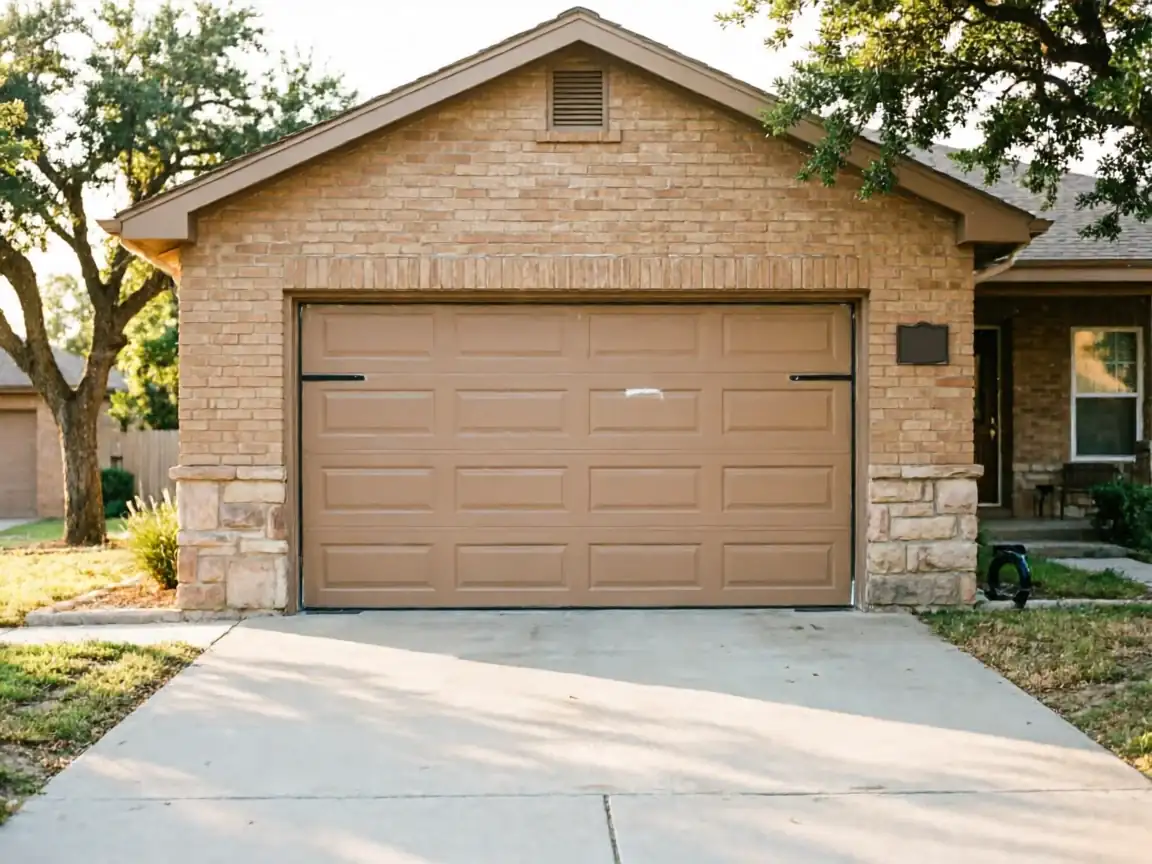
Rendon's housing stock centers on 1992, which means a lot of garage doors and openers are pushing thirty years old - right at the edge of where torsion springs fatigue out and where the chain-drive openers from that era start losing their logic boards. A door built to spec in 1992 wasn't built to run forever; it was built to run about 10,000 cycles before the spring gives out, and most of these houses have blown past that number without anyone replacing anything.
We don't see much of the newer foam-core
Insulated-panel trouble here that you'd find in houses built after 2010. Rendon's stock skews older, so the failures skew mechanical: springs, cables, rollers, and tired openers - not weatherstripping or insulation seals.
What Is on the Truck
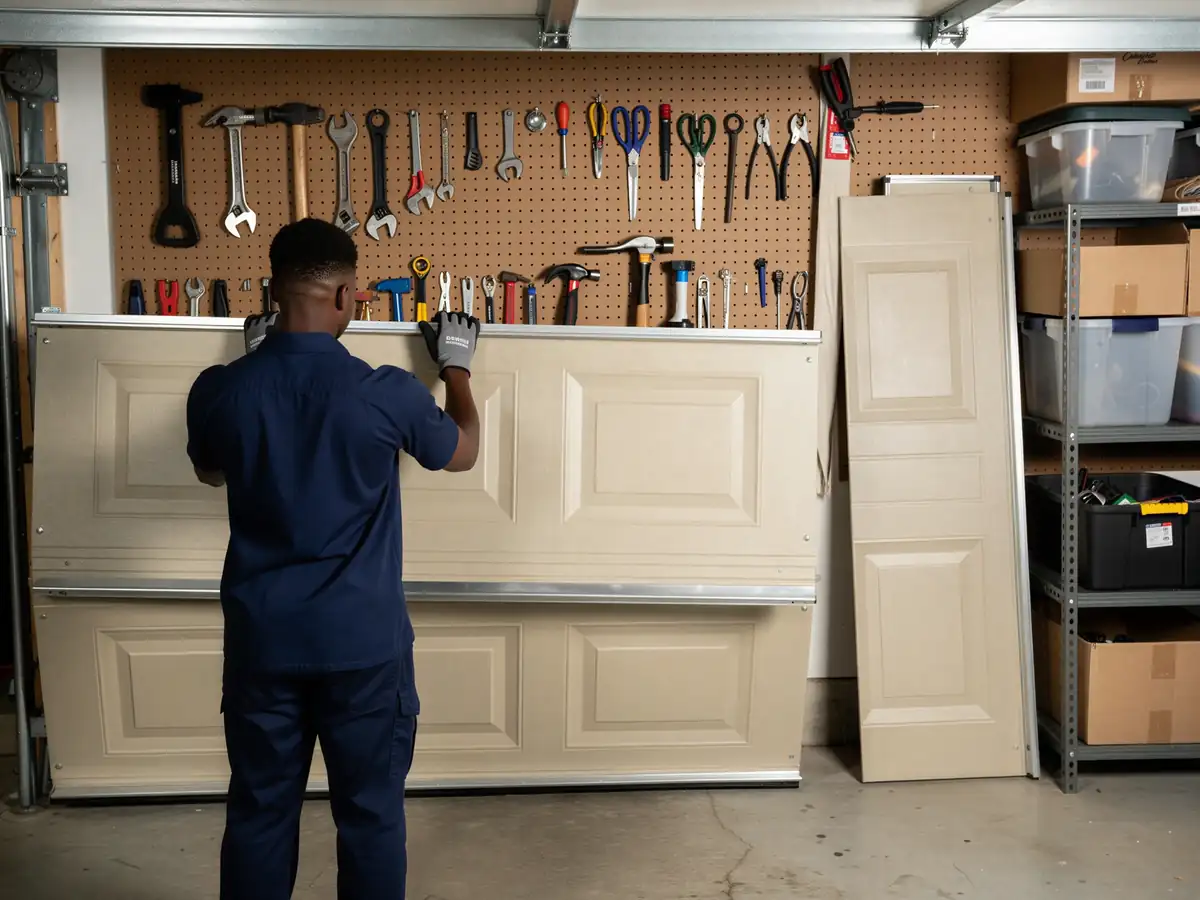
Because we're driving in from Cedar Hill, about 16 miles out, we load the truck before we leave rather than guess once we're on site. For a neighborhood built mostly around 1992, that means torsion springs sized for the heavier steel sections common to that era, galvanized lift cables, and steel rollers rated for daily cycling rather than the nylon rollers found on newer installs.
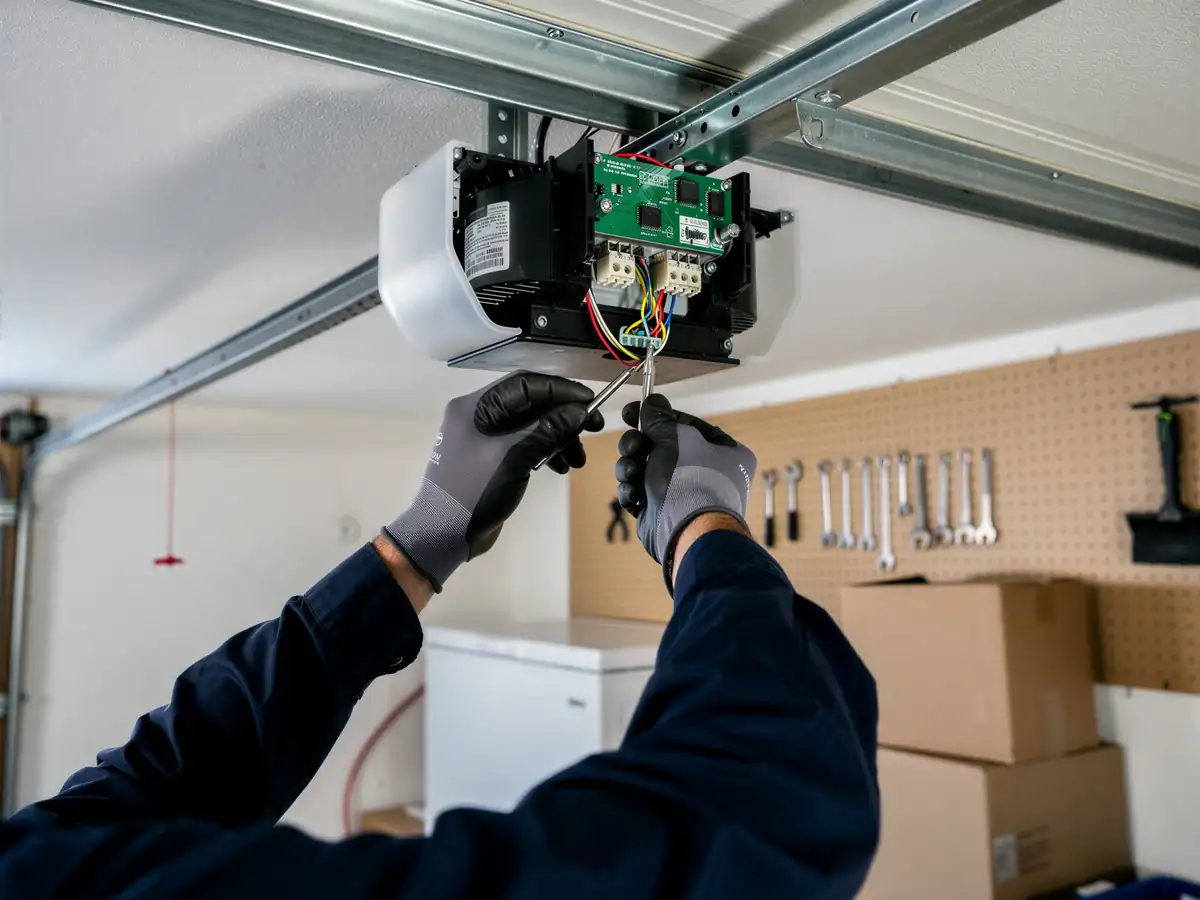
We also carry logic boards and drive gears for the chain and screw-drive openers that were standard through the 1990s, since those parts fail on a schedule you can almost predict once a door hits its third decade. What we don't carry on every run is a replacement for every obscure opener remote from that period - if your opener is an older discontinued model, we may need to order a compatible replacement rather than pull one off the shelf, and we'll tell you that up front rather than string you along on site.
The moderate heat band this area sits in doesn't put the same strain on rubber seals and lubricant that you'd see in a harsher climate, so we're not loading up for weatherstripping failures. The wear here is mechanical fatigue from age and use, not heat damage, and that's what the truck is stocked for.
How We Fix It
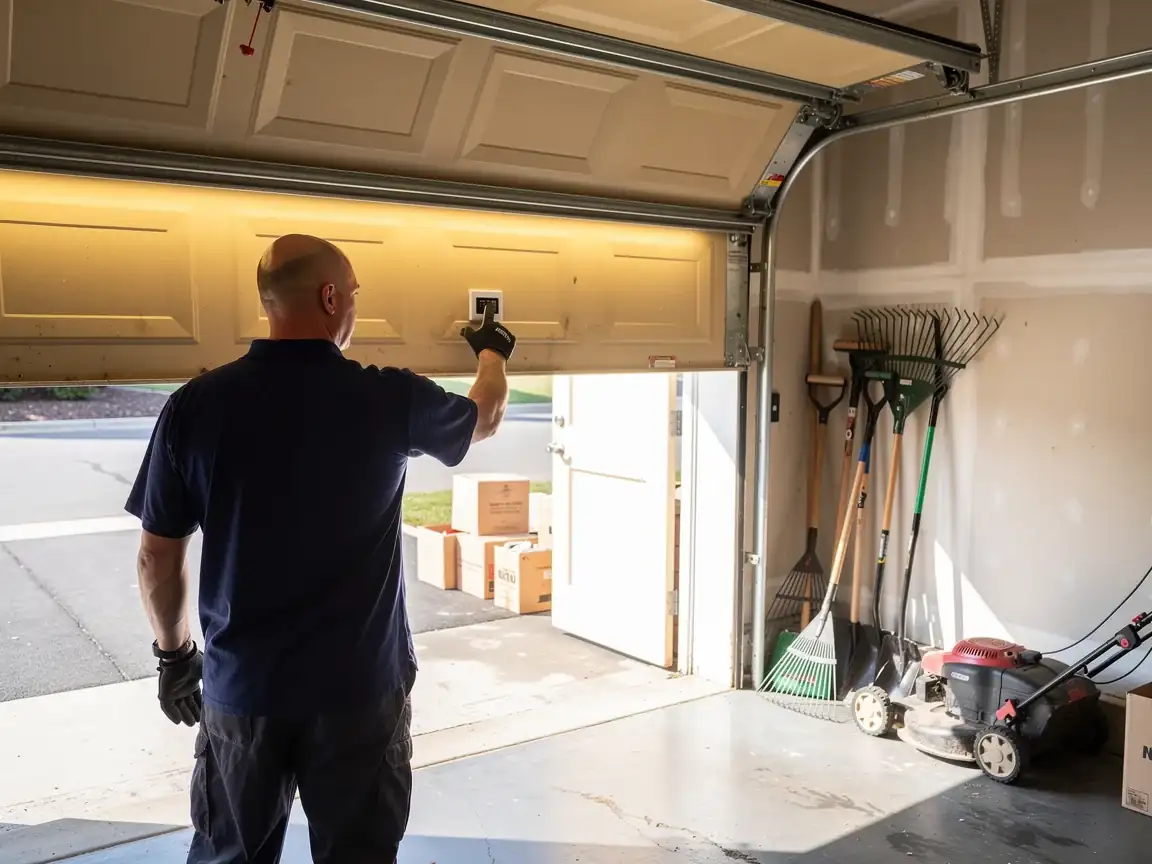
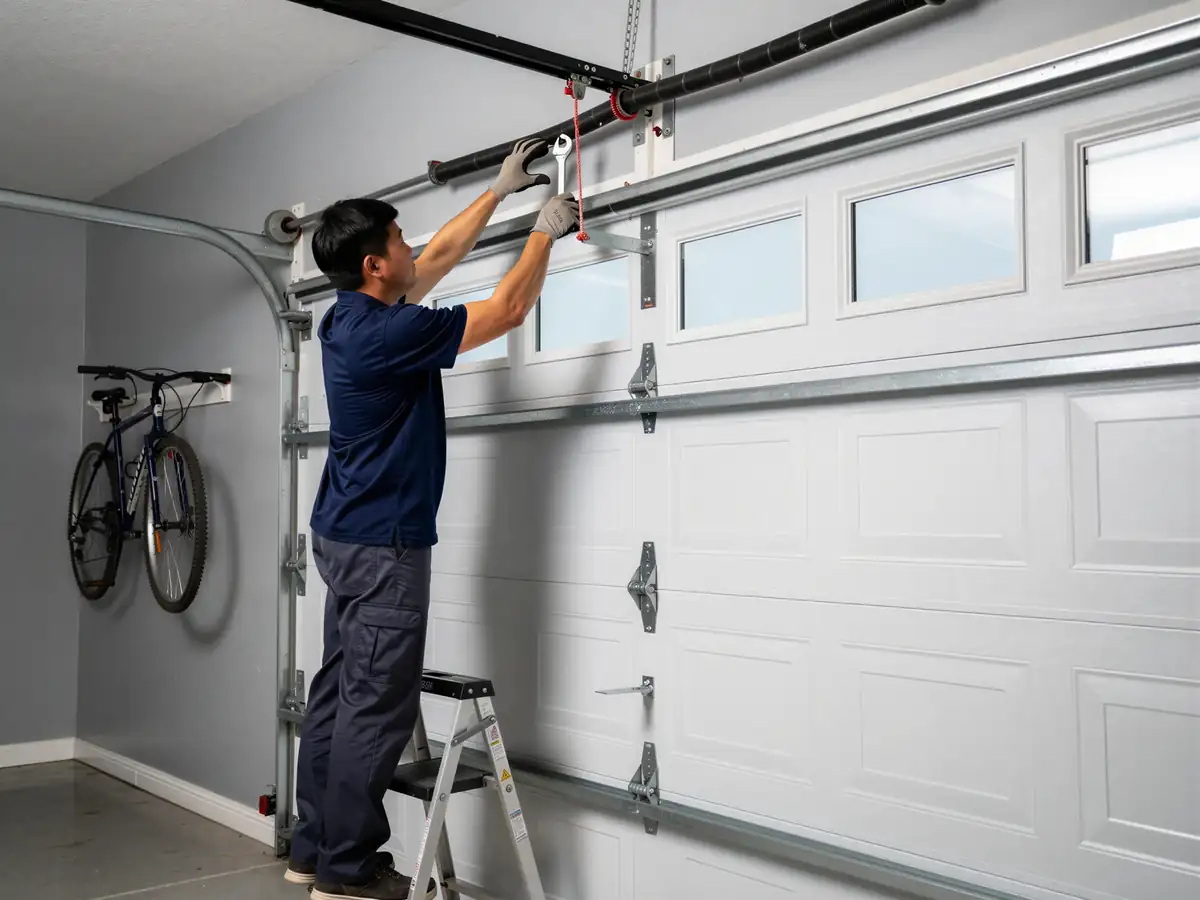
First thing on site is isolating whether the spring or the opener is doing the work it shouldn't be. A door that's heavy to lift by hand, even with the opener disconnected, points to the spring. A door that lifts fine by hand but won't respond right to the opener points to the gears or the board.
For a stuck or grinding door in a house from the early 1990s, that usually means pulling the old torsion spring and replacing it with one matched to the door's actual weight - not just swapping in whatever's closest, since an undersized spring just fails again in a year. If the rollers are original, we'll generally recommend replacing them in the same visit, since separating that job from the spring job means a second truck trip for something we were already standing in front of.
We're straight about when a repair isn't worth it. If the opener is the original unit from when the house was built, and the logic board has failed along with worn gears, the parts cost on an obsolete model can run close to the cost of a new opener - at that point we'll tell you replacement is the better money, not talk you into a patch job.
Booking a Visit
We serve Rendon out of Cedar Hill
So booking is the same whether your street is near the center of town or out toward Kennedale or Forest Hill. We ask what the door is doing - stuck, loud, off track, opener dead - and load the truck based on what we know about the housing stock in this part of the service area before we head out.
With household income here running higher than the broader service area average
We get more calls asking us to replace rather than patch, especially once a door's original spring and opener are both near the end of their service life. We're fine either way - we'll tell you honestly which one makes sense for your door, not just the one that's easier to sell.