How Long You Are Without the Door
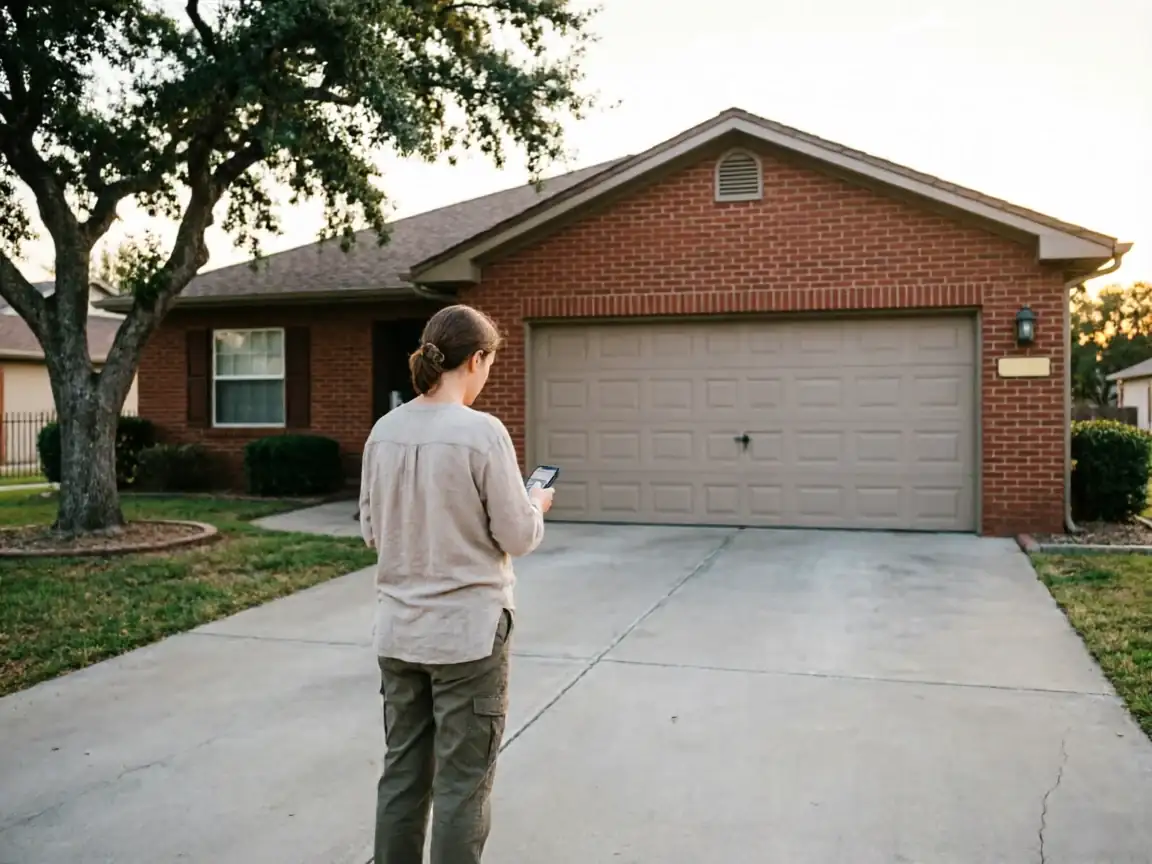
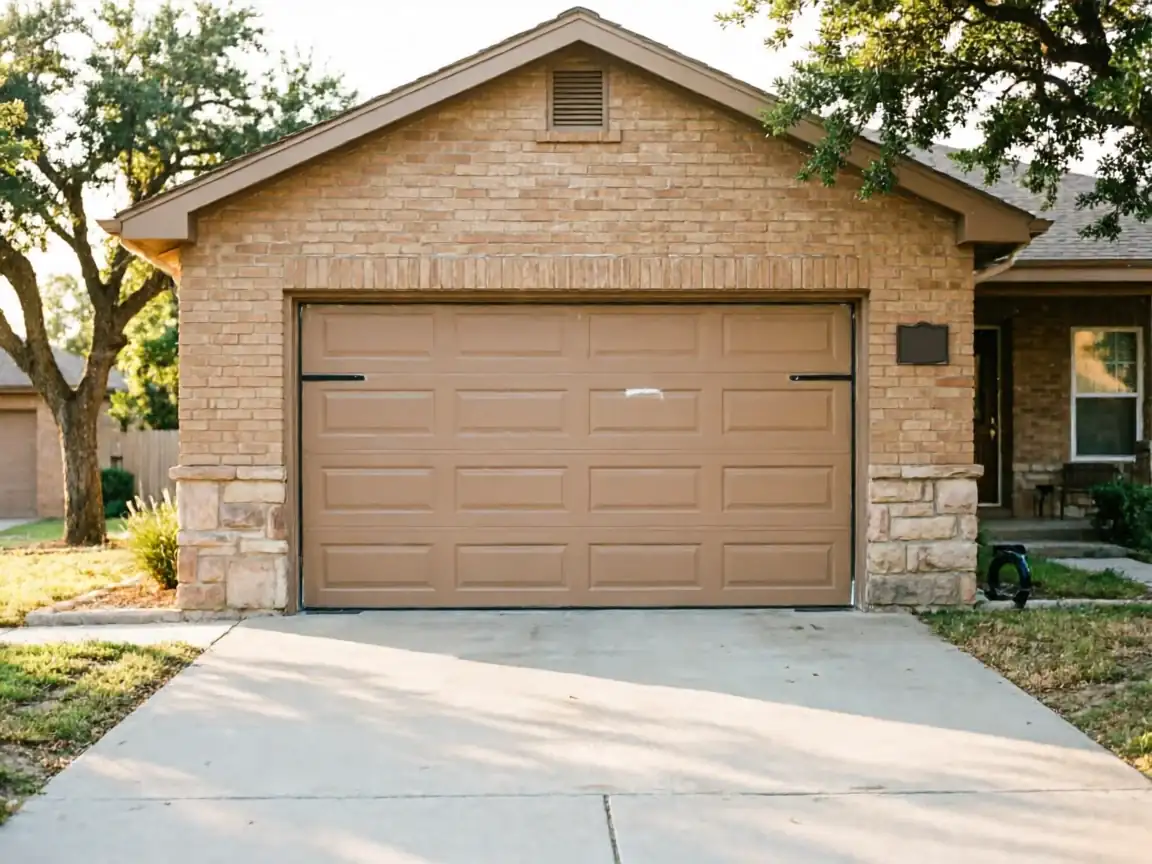
Most houses in Glenn Heights went up around 2000
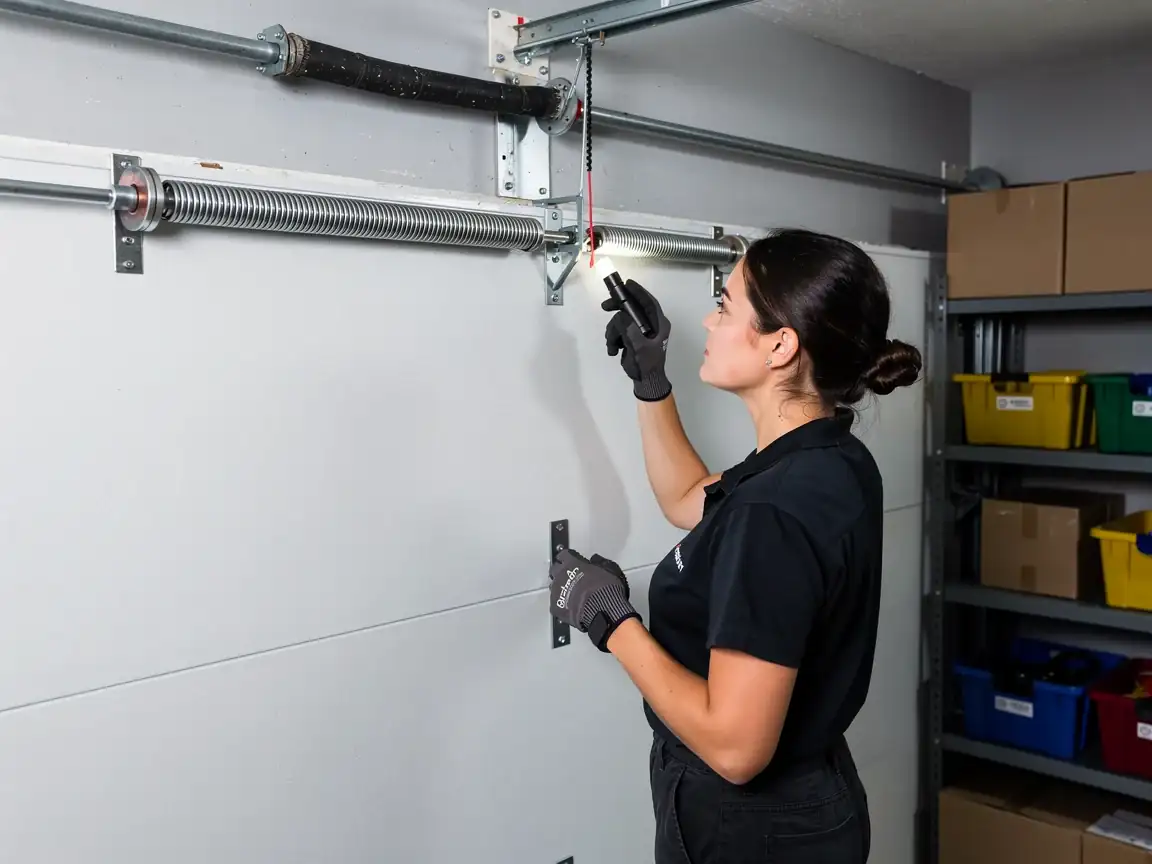
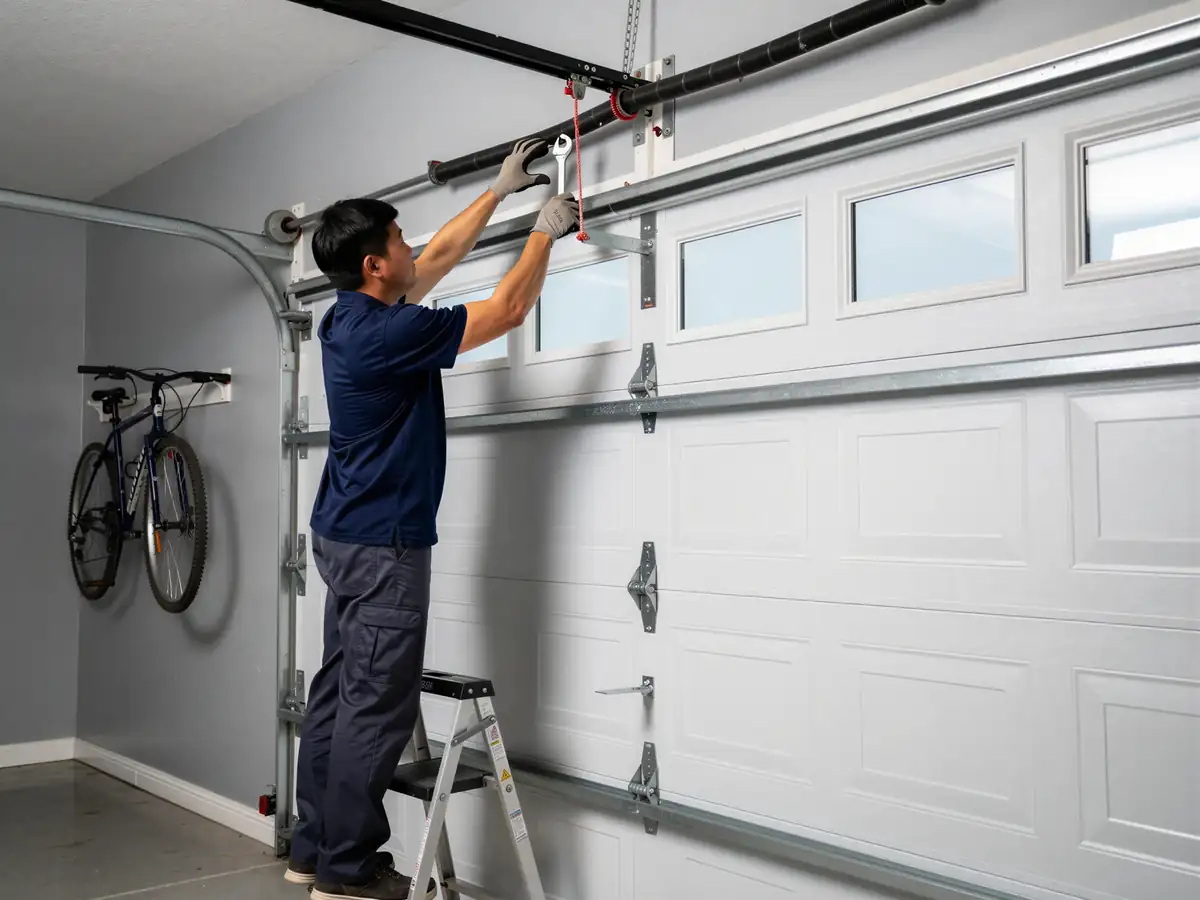
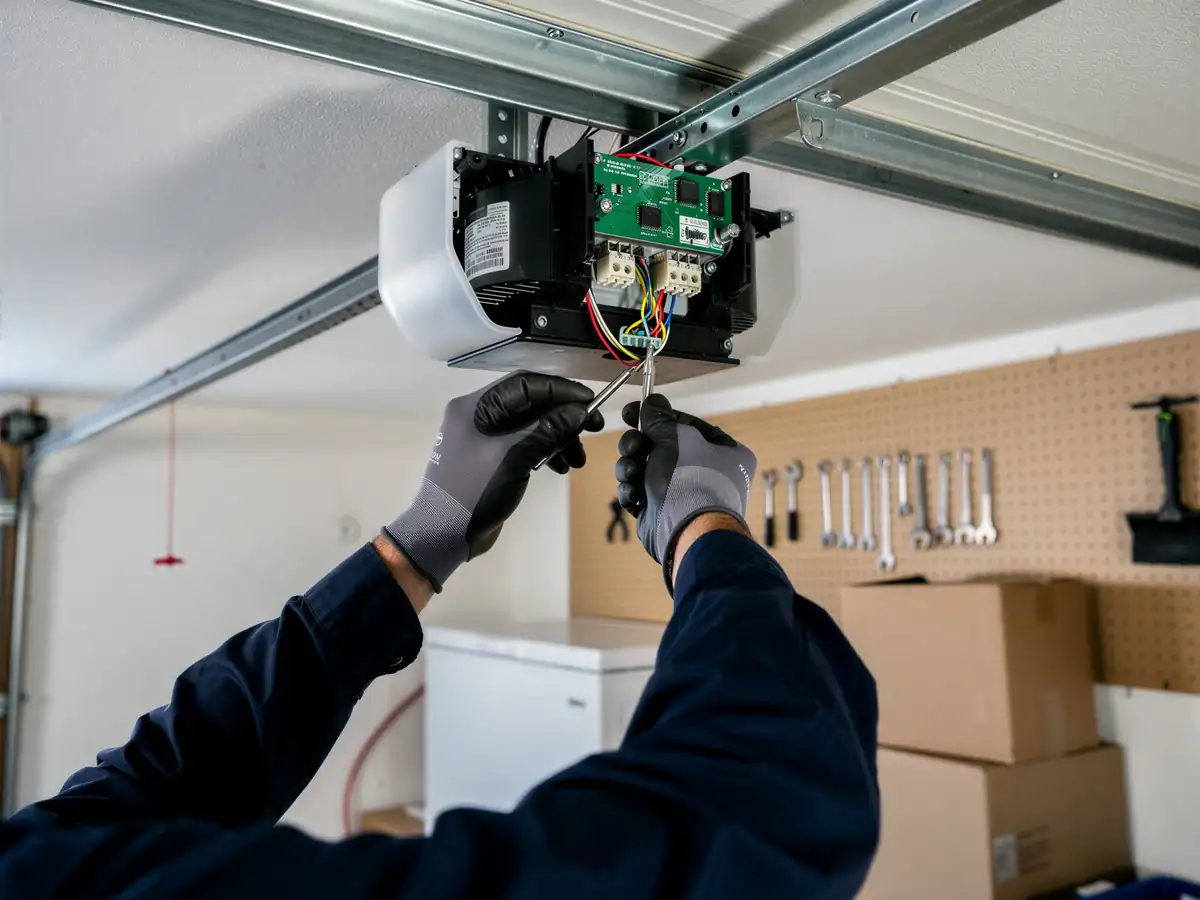
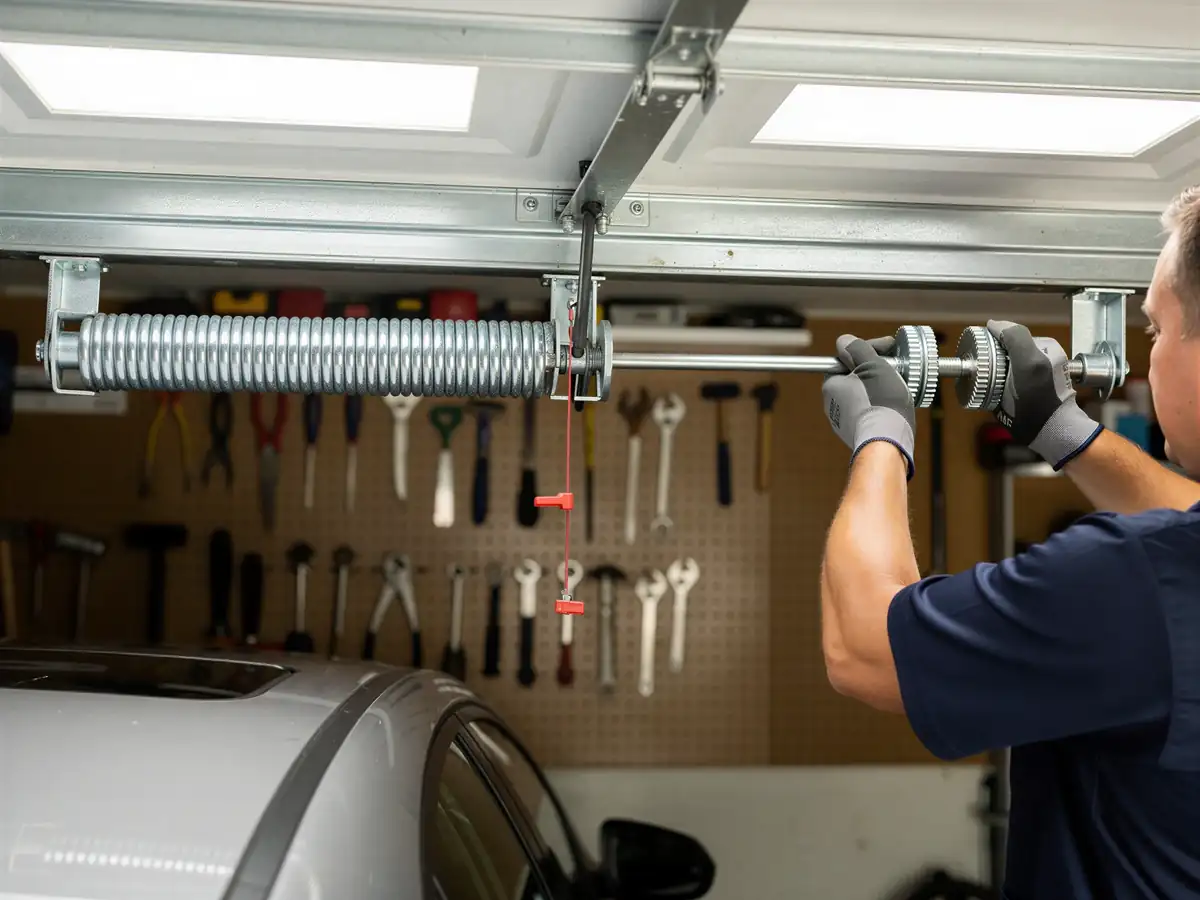
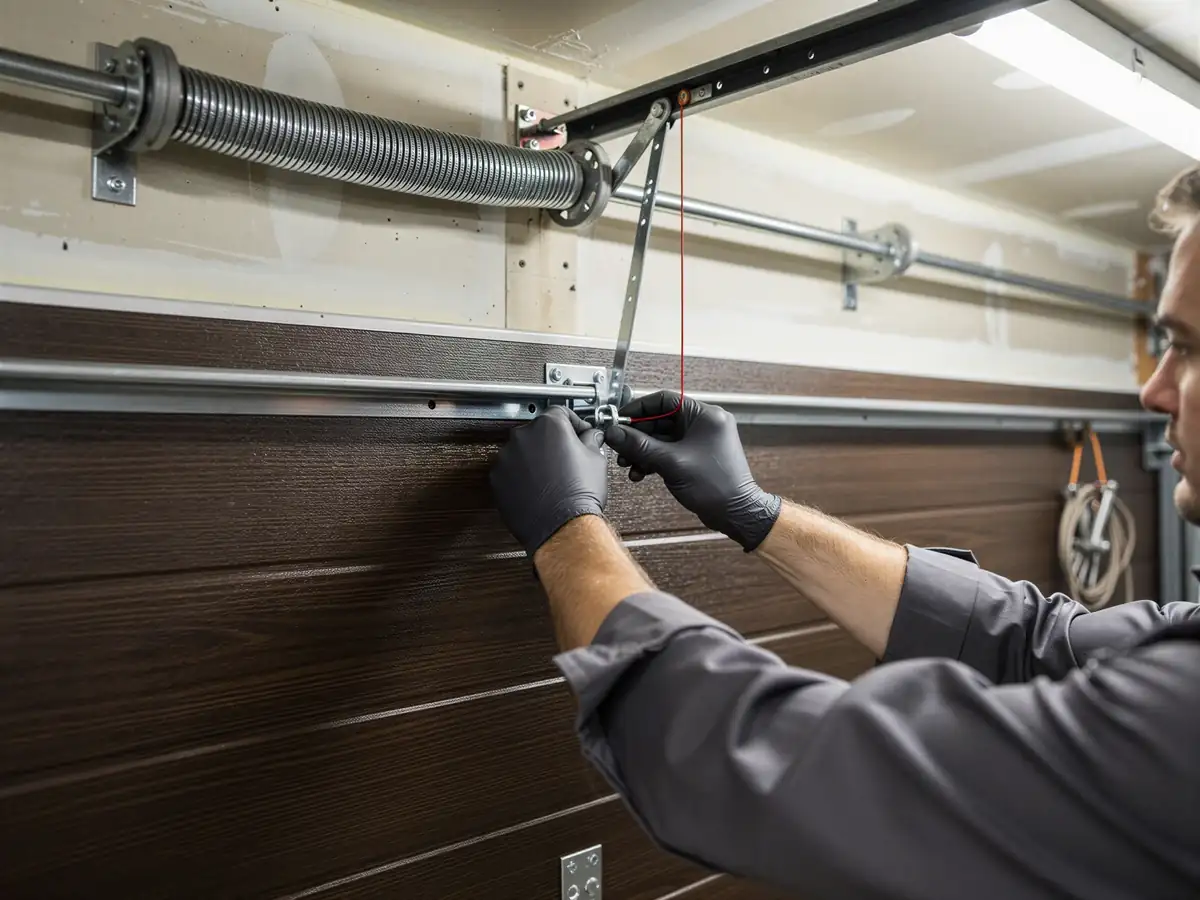
Which puts the original opener and the original torsion spring at roughly the same age right now. That matters because both tend to fail in the same window - openers from that era are logic-board units, not the older relay switches, and when the board goes it usually goes without warning. The spring, meanwhile, is rated for a set number of cycles, and a door opened twice a day for twenty-plus years is well into the zone where one more cold morning is enough to snap it.
We come from Cedar Hill, about 6 miles away
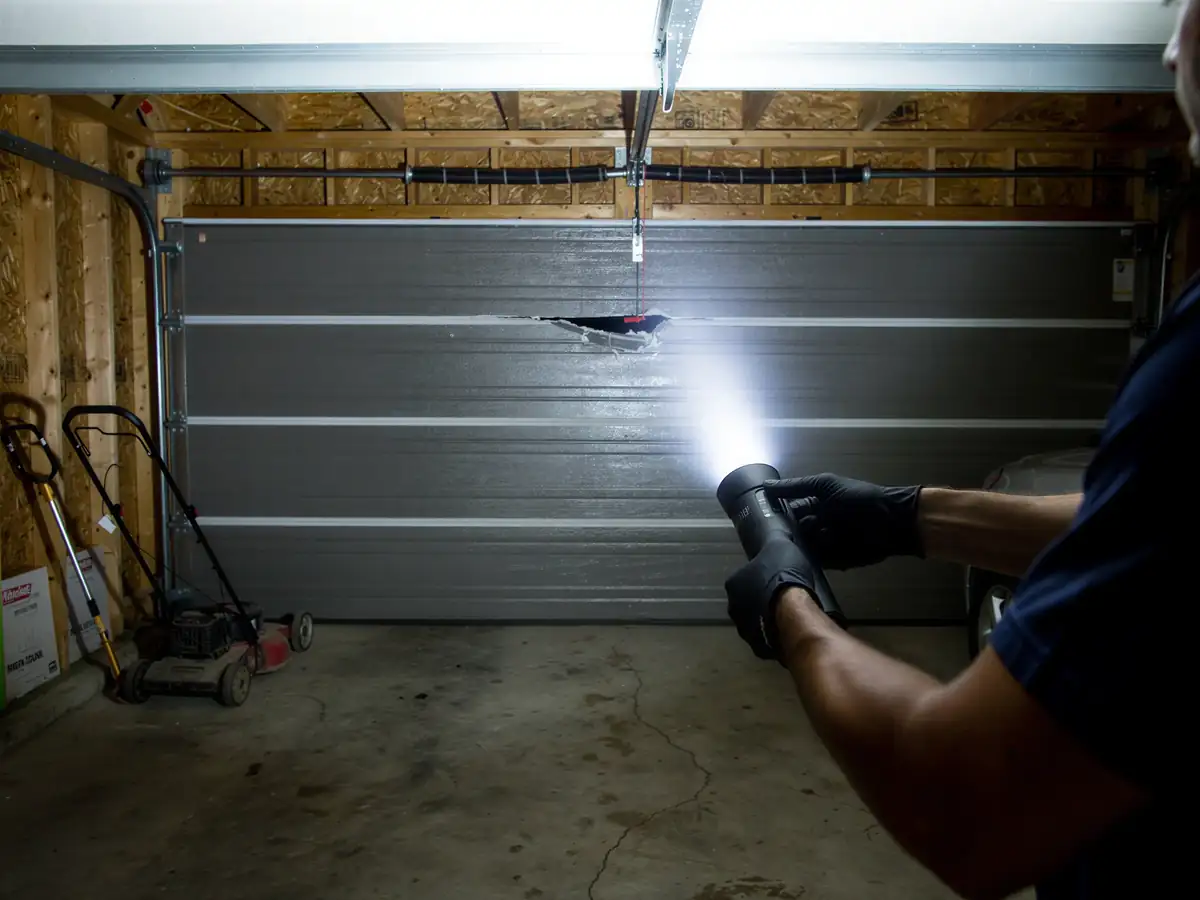
So we're not quoting a same-day guarantee we can't back up on every call - traffic on a Friday afternoon is traffic on a Friday afternoon. What we can tell you is that a stuck door in a neighborhood built in this window is almost always one of two things: a fatigued torsion spring or a failing logic board, and we carry parts for both before we leave the shop.
- 6 miles
What Is on the Truck
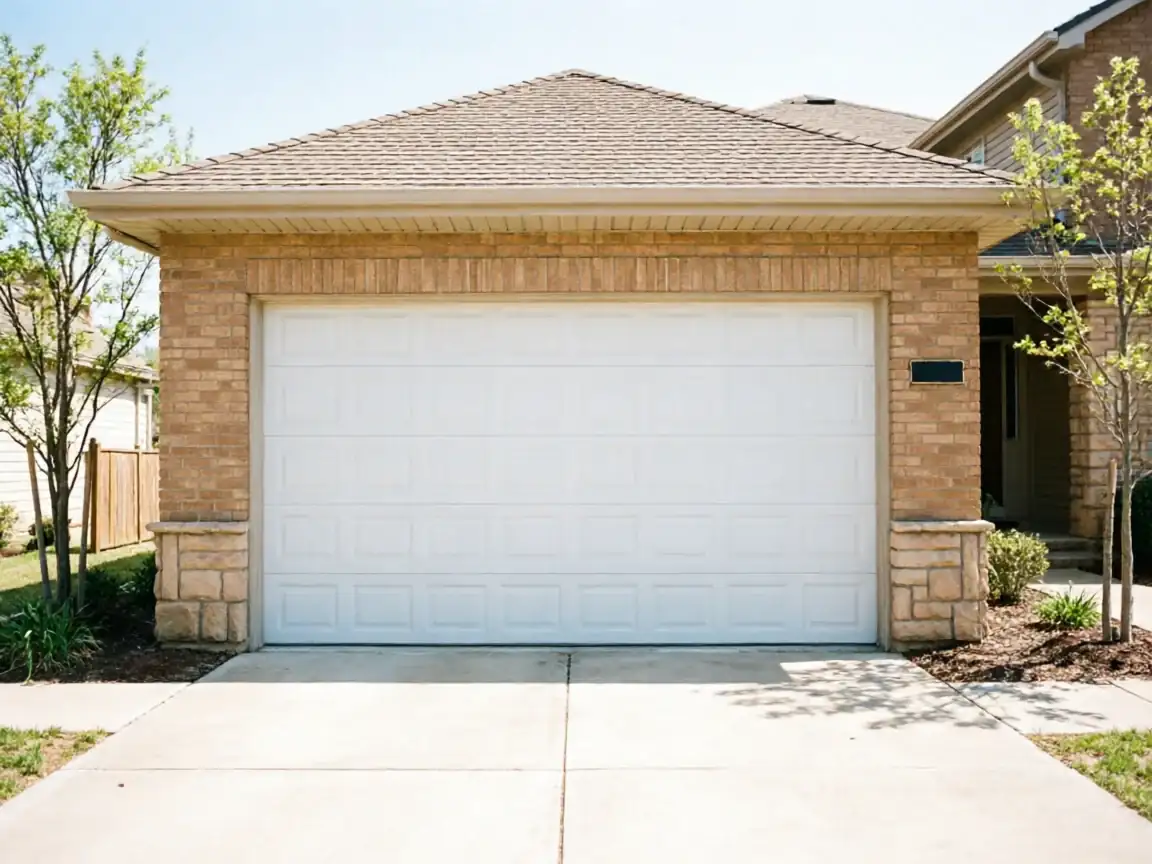
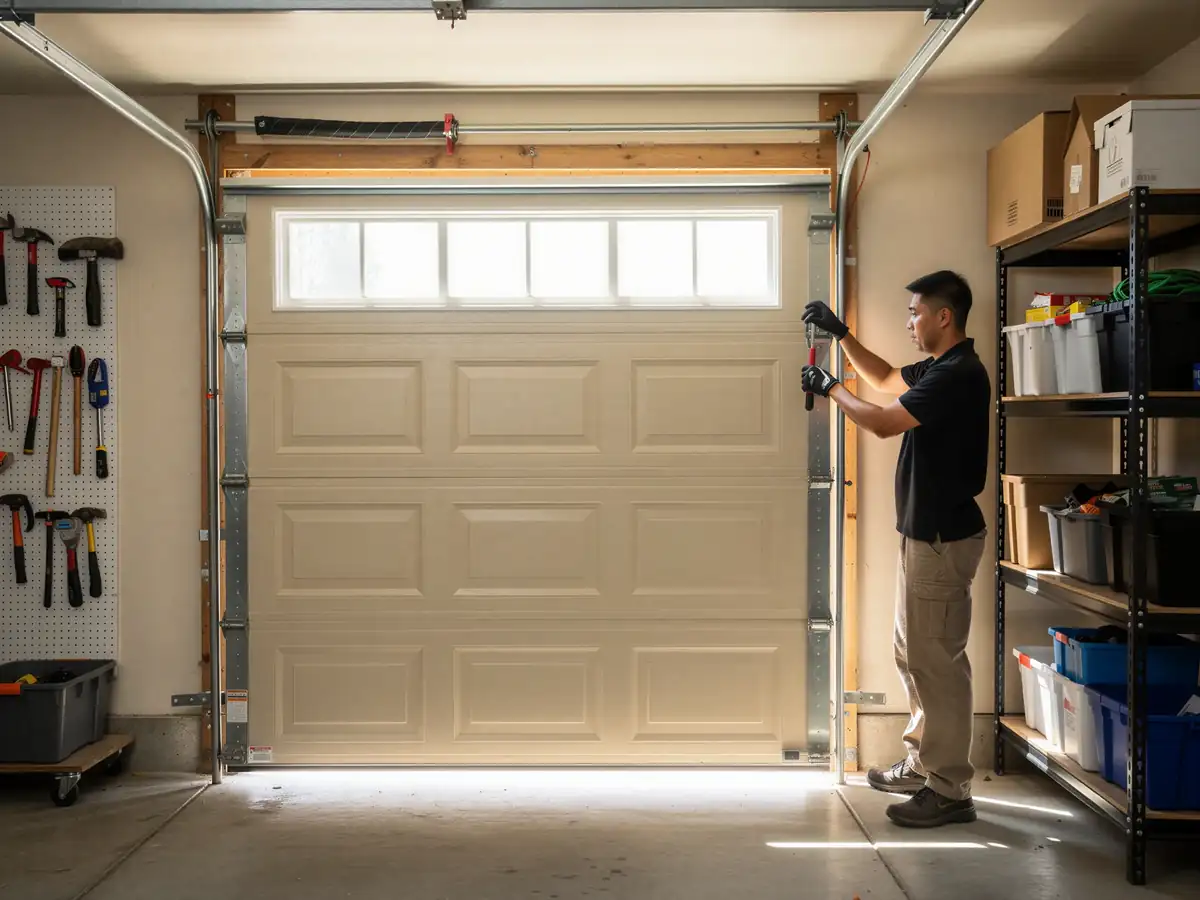
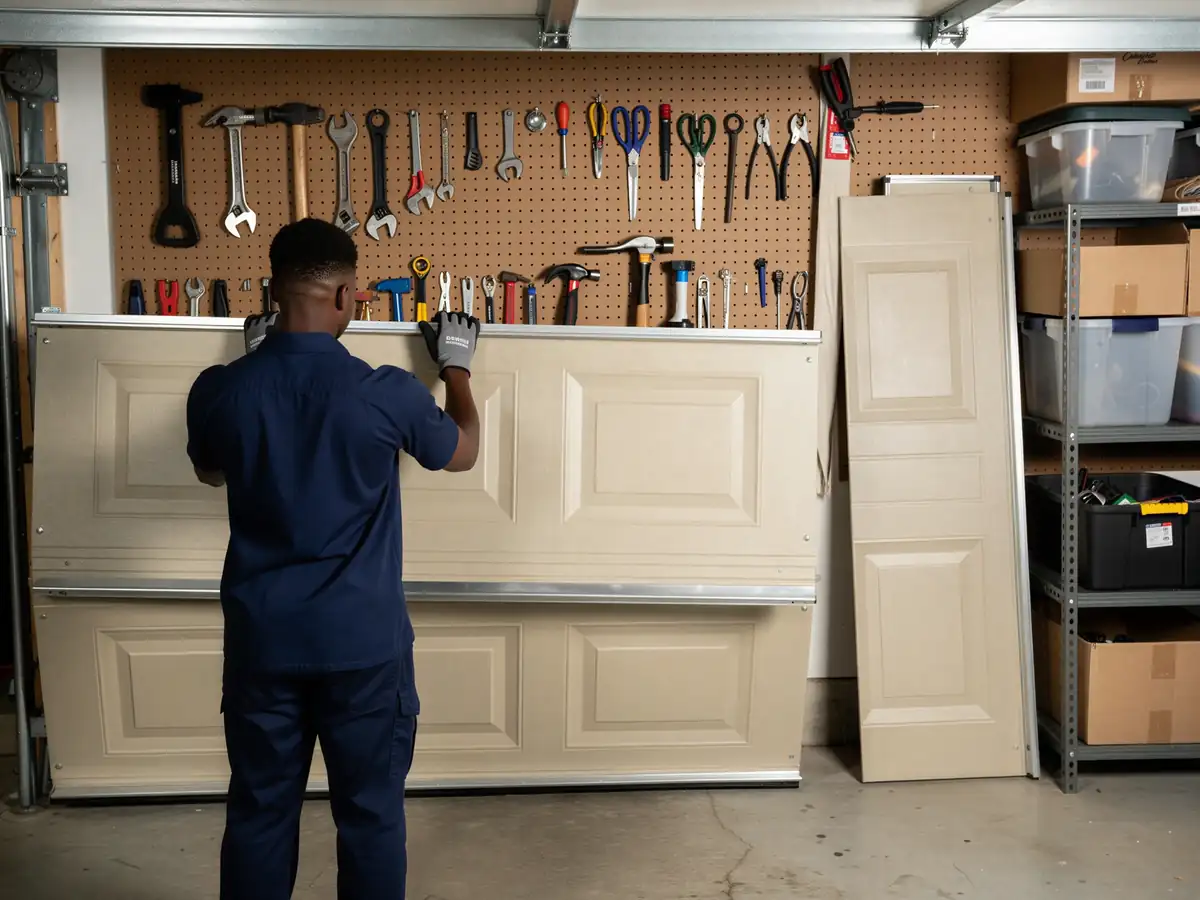
Because the housing stock here clusters tightly around 2000, we stock torsion springs sized for the standard 7-foot sectional doors that builders used through that period, plus the steel rollers and galvanized cable that typically show wear first on a door pushing 24 years old. We also carry logic boards and circuit-board-style receivers that match openers from that generation, since a lot of the original units are chain-drive models that are now past their practical service life.
What we don't carry is parts for doors or openers outside that build range - if your house is one of the newer builds or an older outlier, we may need to order a part rather than pull it off the truck. That's an honest limitation, not a sales pitch: we'd rather tell you a part needs a day to arrive than pretend every door in the service area is identical.
Can You Do This Yourself
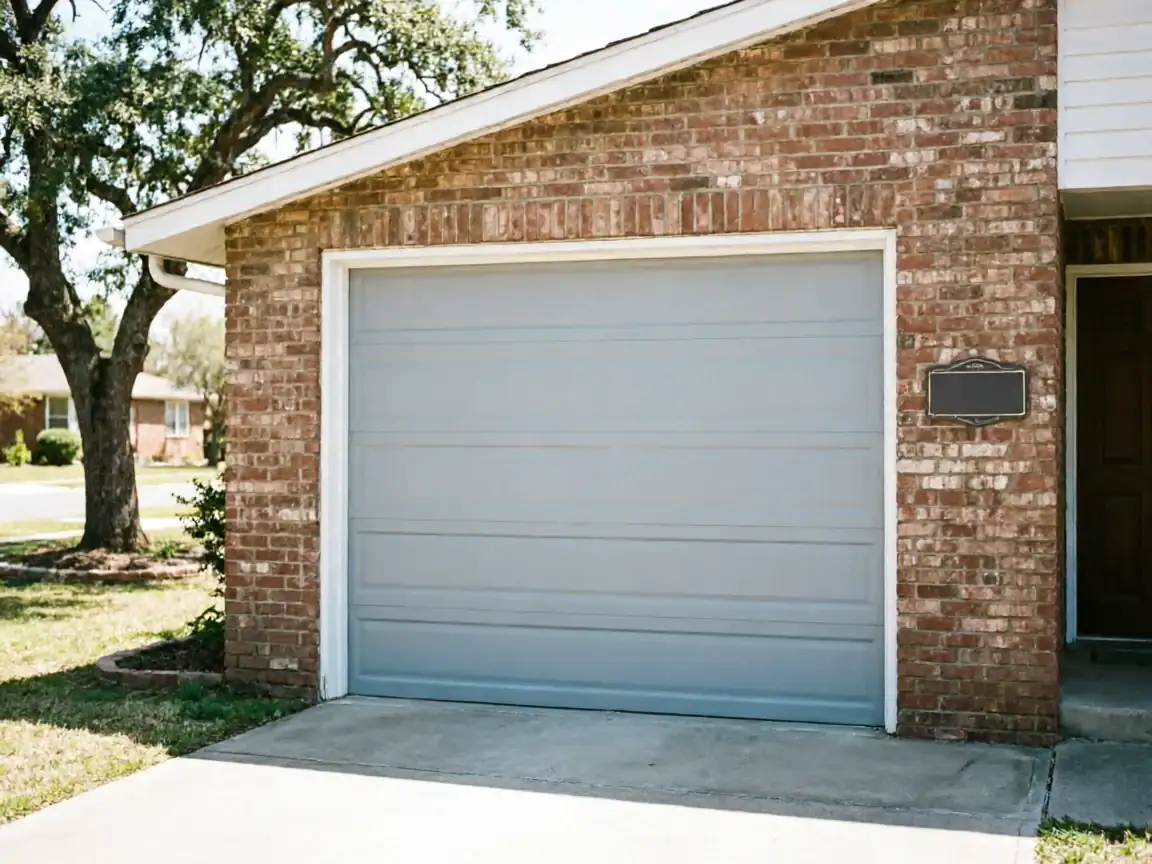
A torsion spring job on a door this age is not a do-it-yourself project - the spring is under enough tension to cause real injury, and on a 2000-era door the winding cones and anchor bracket have usually corroded enough that they don't turn the way a fresh install would. Swapping a remote battery or re-aligning a safety sensor, sure, that's homeowner work.
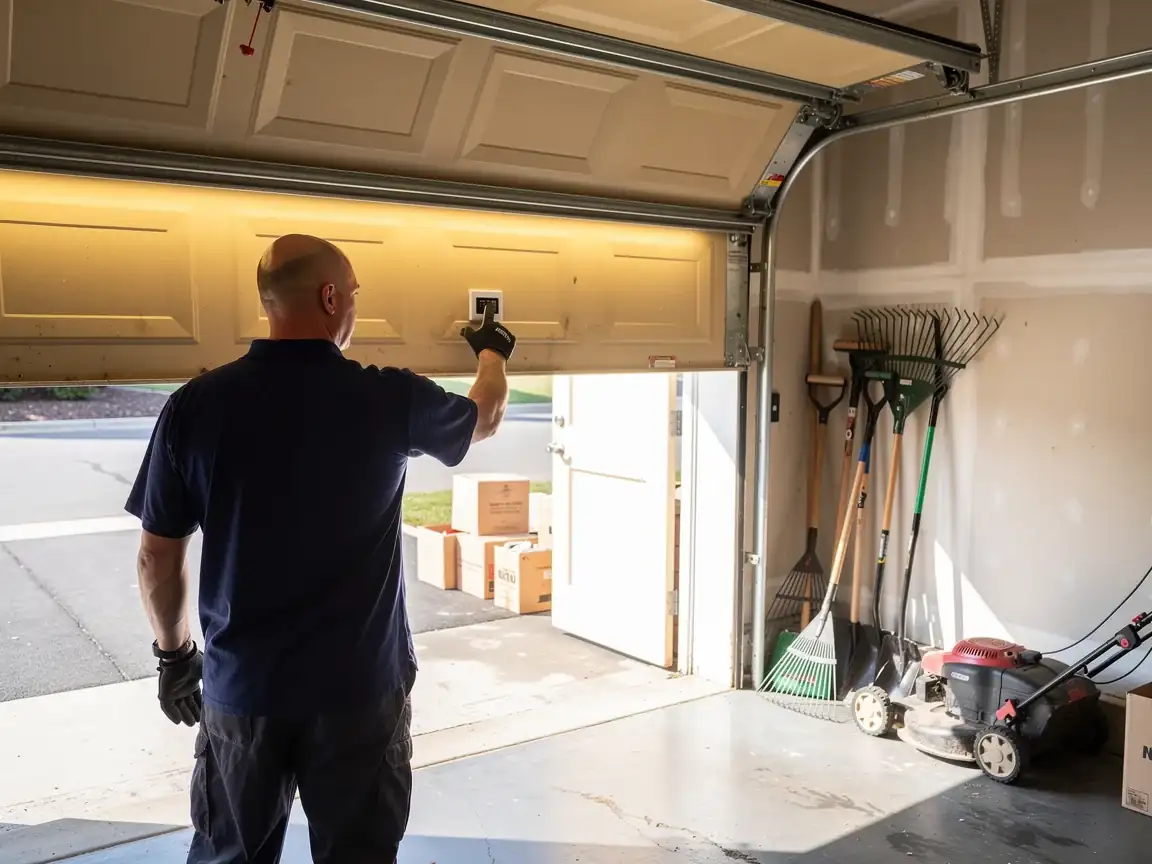
Where people get into trouble is deciding a chain-drive opener from this build era is still worth repairing piece by piece. At some point - and with openers now in their mid-twenties, a lot of Glenn Heights households are past that point - a board replacement, a new logic unit, and a new drive chain adds up to more than a new opener costs outright. We'll tell you straight when that math doesn't favor the repair.
What You Pay
Glenn Heights households run a median income around $79,739
A bit higher than the wider Cedar Hill service area's $77,161, and most of the roughly 5,734 households here own newer construction than what you'd find in the older pockets of Cedar Hill proper. That doesn't change what a spring or an opener costs, but it does mean the typical call here skews toward opener-board and drive-system work rather than the structural rot or warped panel jobs you see in 1970s stock.
- 5,734 households
We price the job after we look at it, not before
A spring-only repair and a full opener swap are different numbers, and quoting blind over the phone does nobody any favors. If a part needs to be special-ordered because your door falls outside the common 2000-era range, we'll say so before we start, not after.
Booking a Visit
We cover Glenn Heights out of Cedar Hill, about 6 miles up the road, along with the rest of the area - see the area page for the full list of nearby towns we reach. For the broader rundown of everything we do out of Cedar Hill, that's covered on the Cedar Hill service page, not here - this page is just about the door in front of you.
When you call, tell us roughly when the house was built if you know it. For Glenn Heights that's usually right around 2000, and that one detail tells us whether to bring a spring, a board, or both before we even leave the shop.