How We Fix It
Cedar Hill's housing stock runs 1969 to 2014, with the median landing around 1991
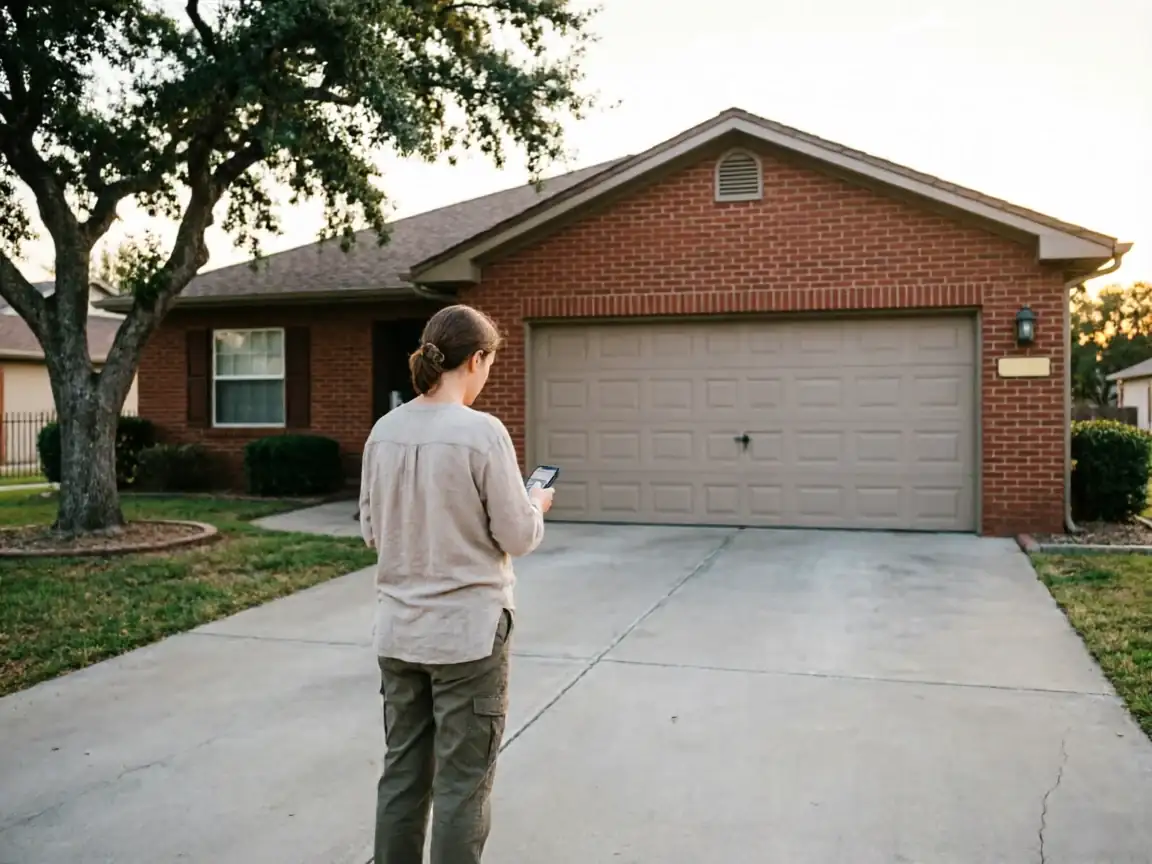
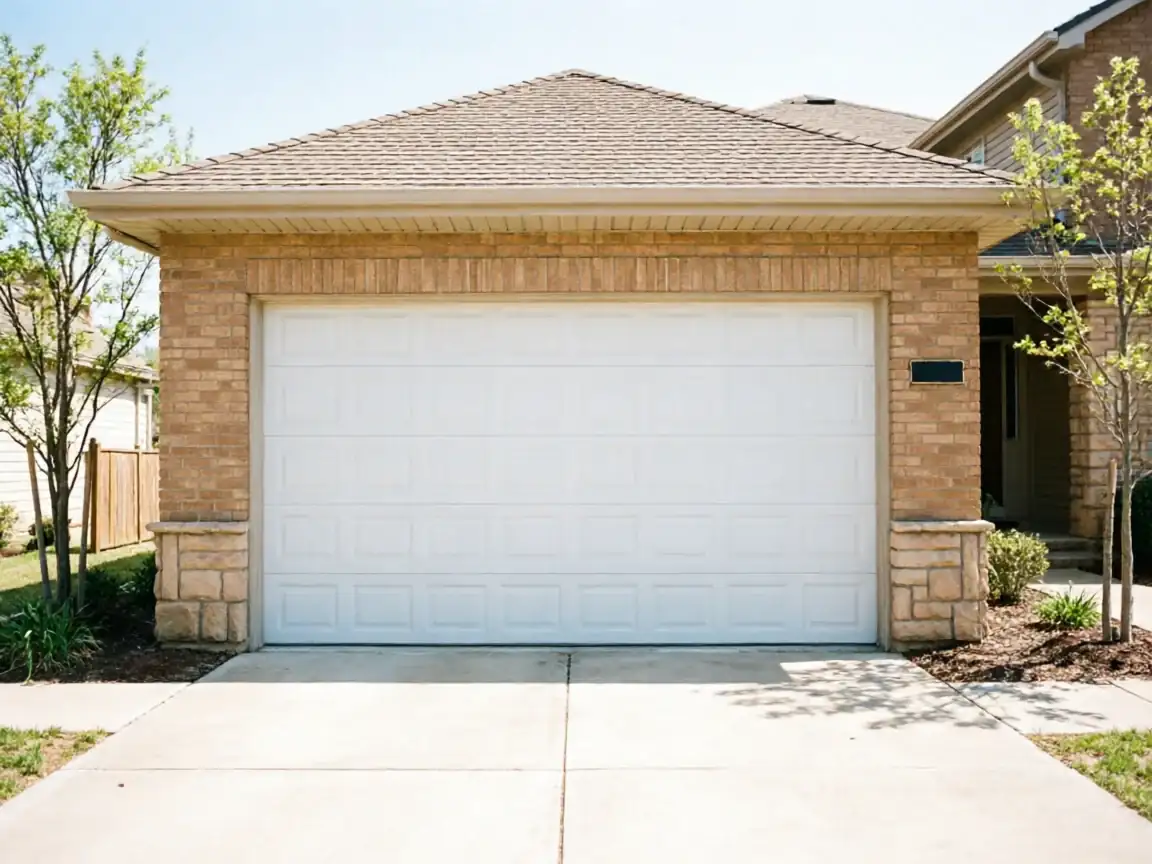
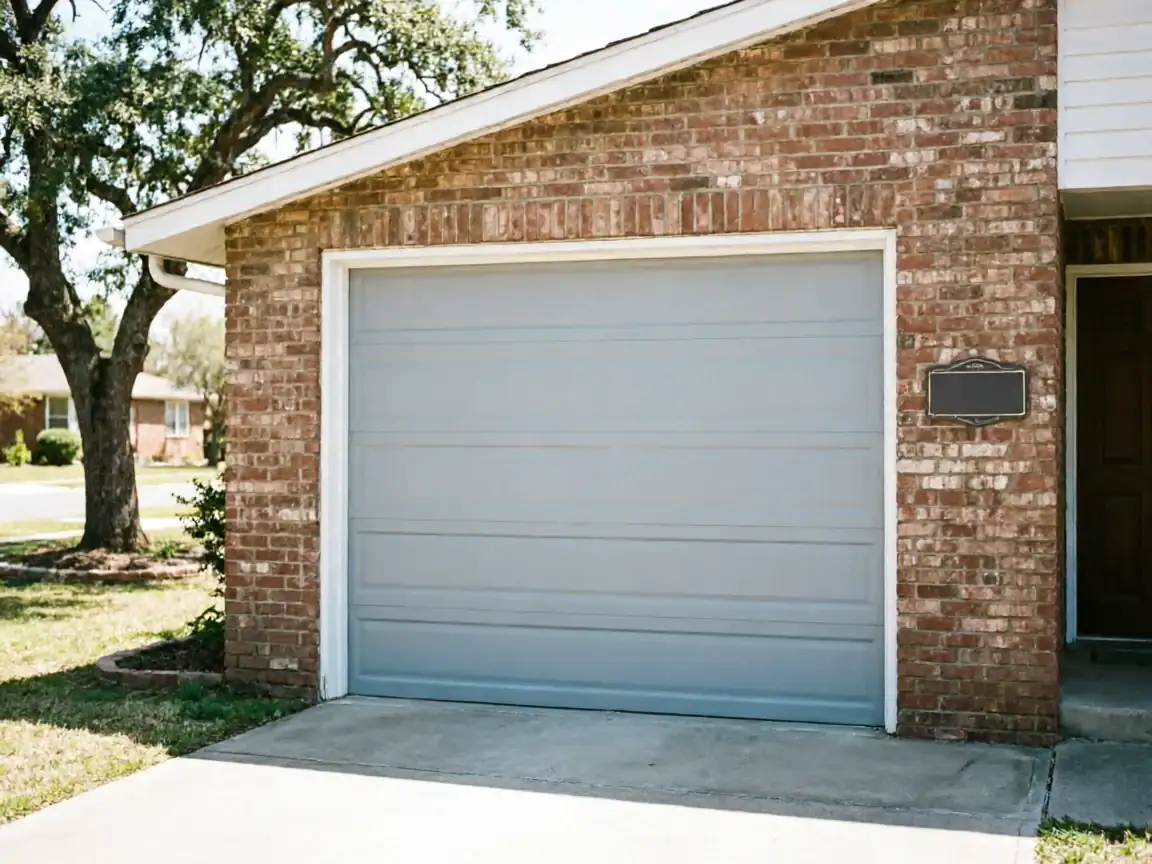
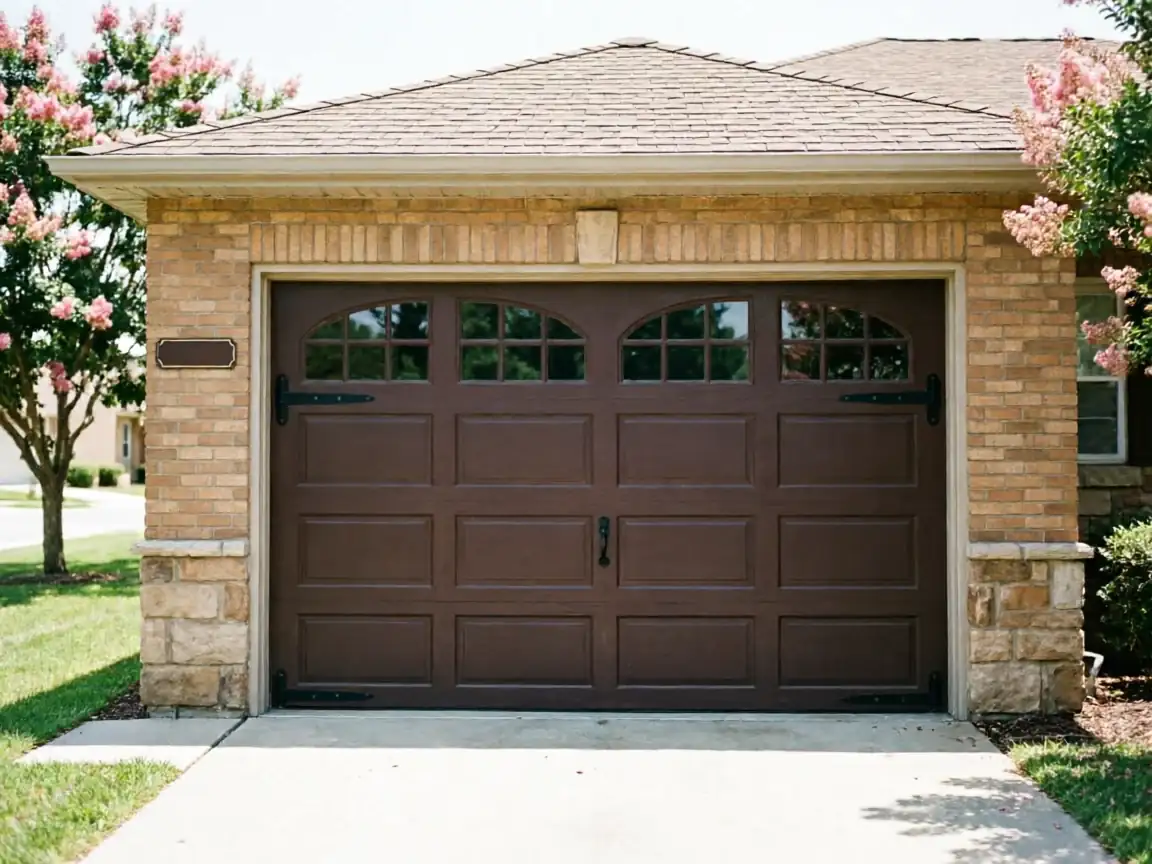
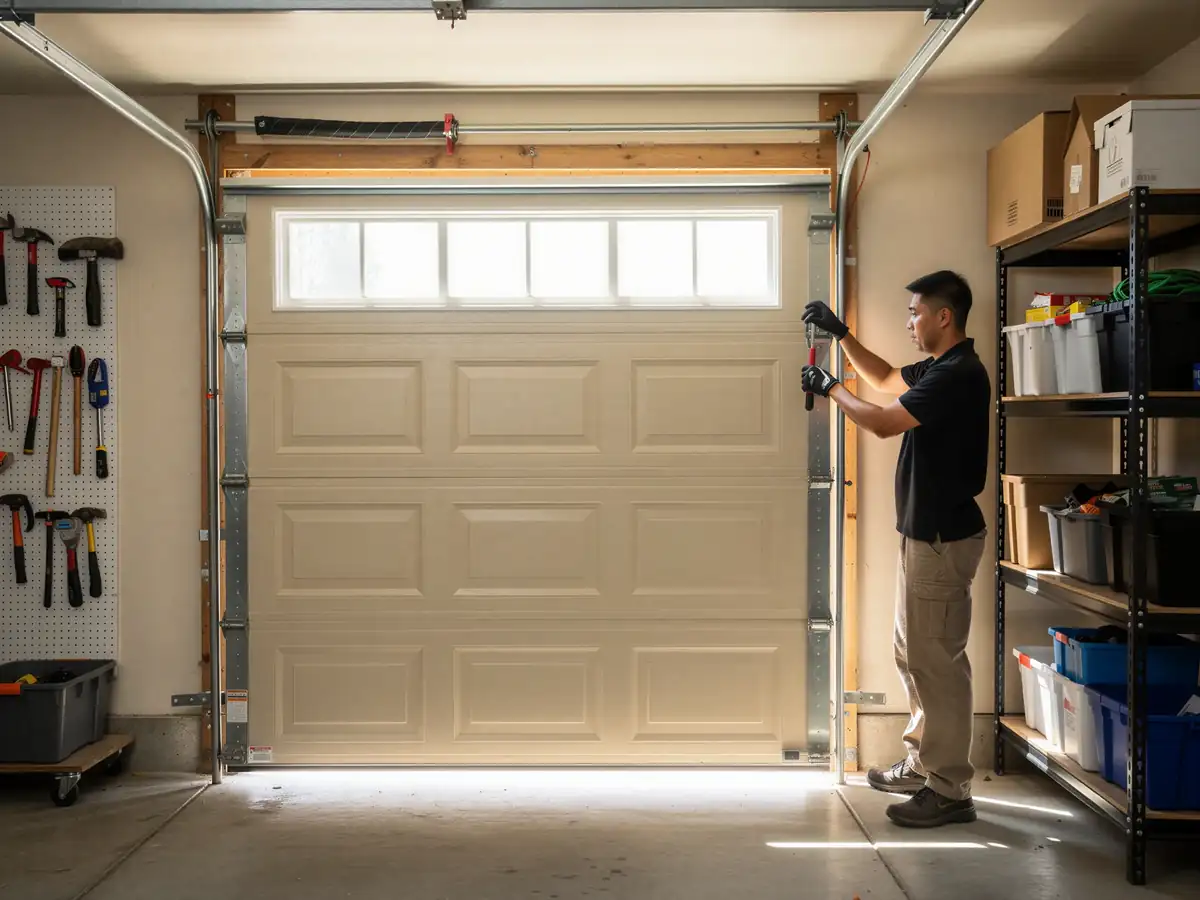
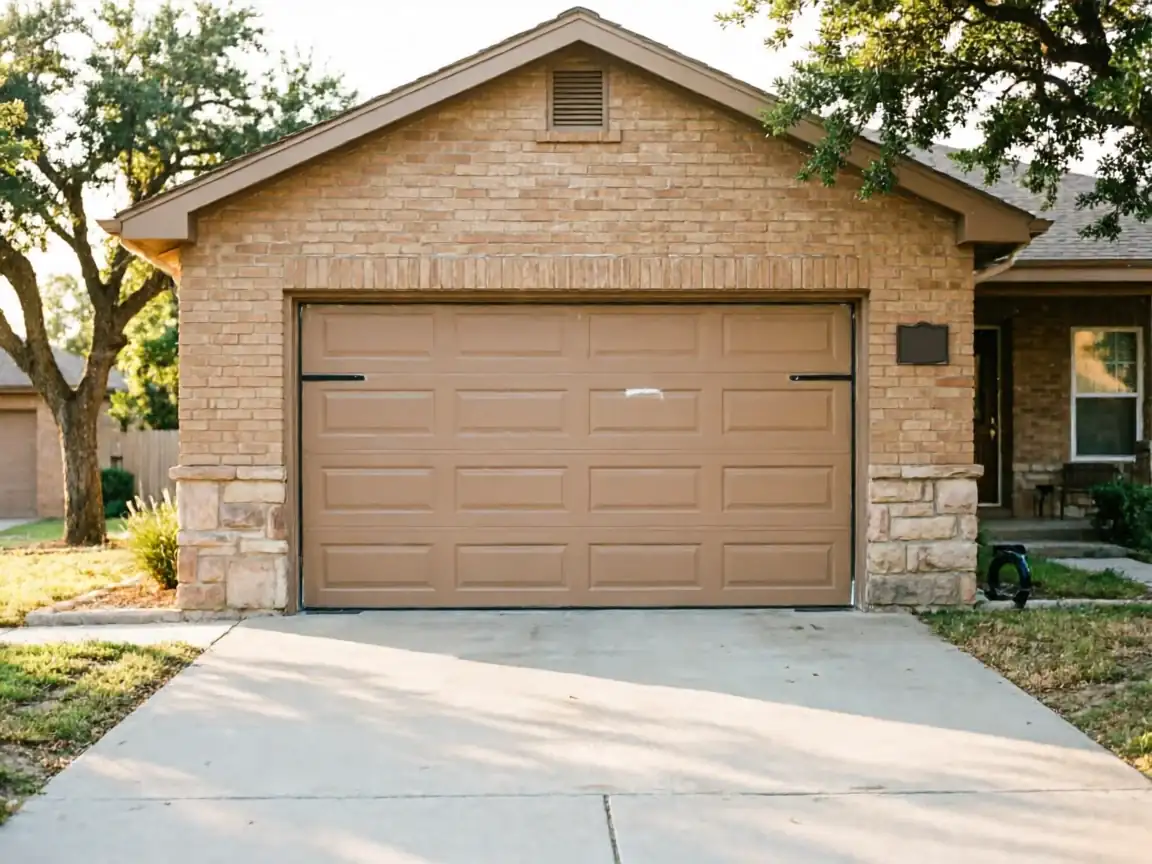
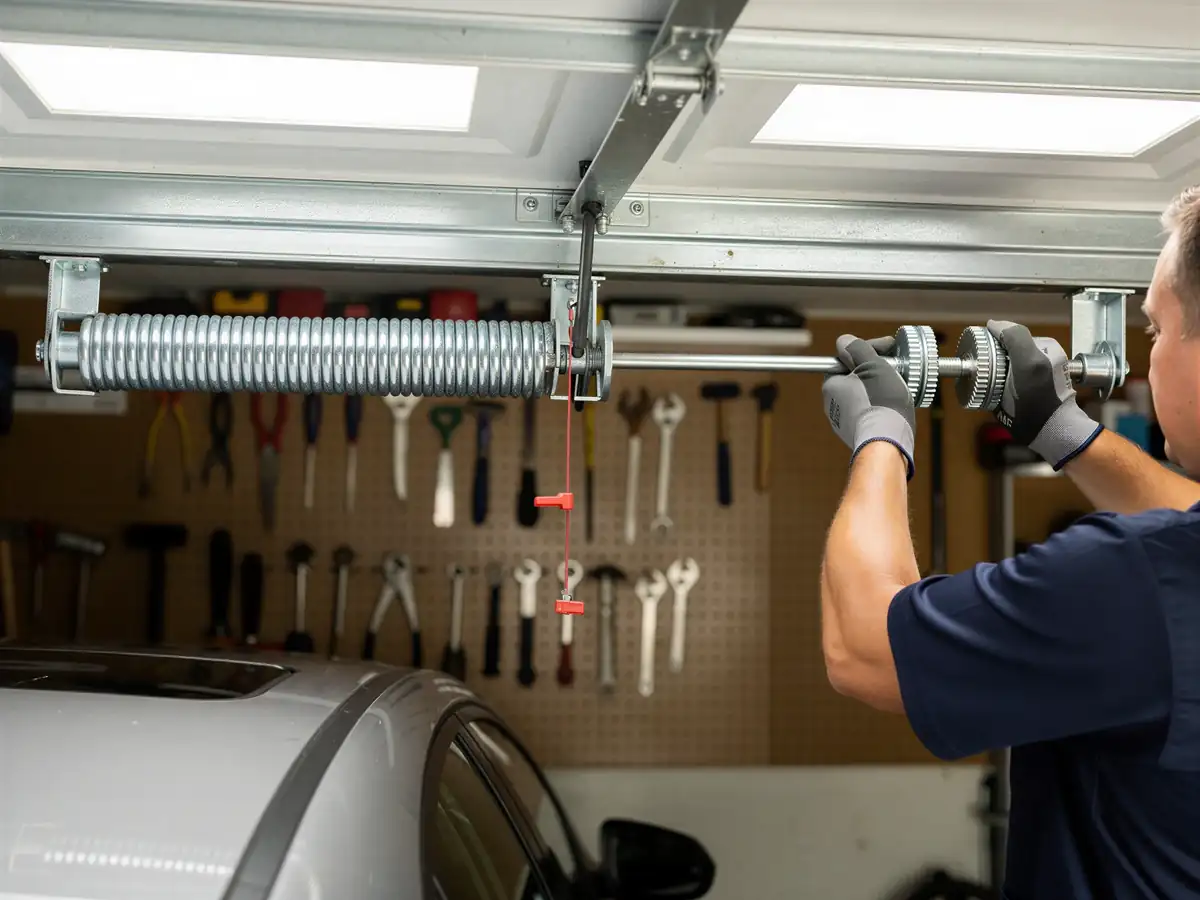
Highland Park sits apart from that pattern - most of its houses went up closer to 1973, nearly two decades earlier than the Cedar Hill median. That gap matters on a broken-door call. A 1991-era garage usually has a lighter steel door on a chain-drive opener with plastic idler pulleys that crack. A 1973-era garage is more likely to still carry its original heavy wood or early steel door, often on a torsion spring sized for weight nobody manufactures that heavy anymore. We diagnose by the house's age first, because guessing from a newer-stock playbook on an older door gets you the wrong spring.
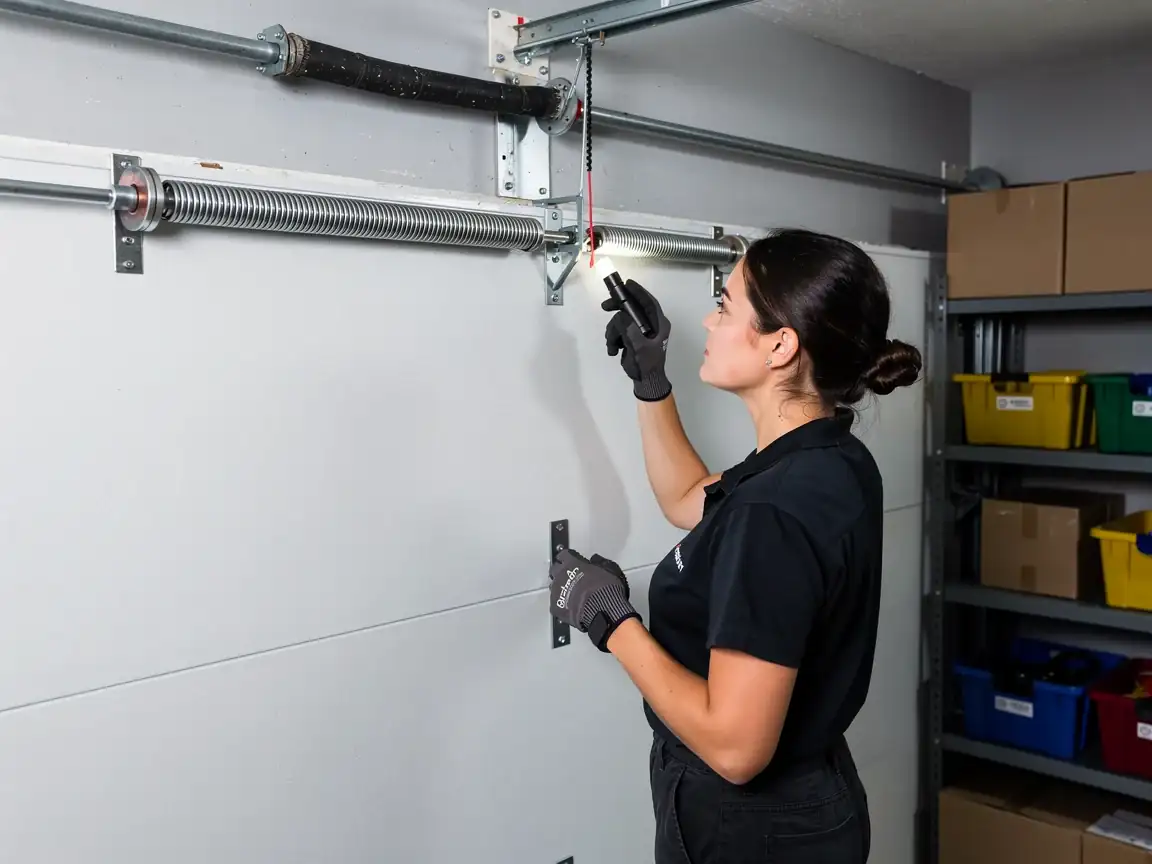
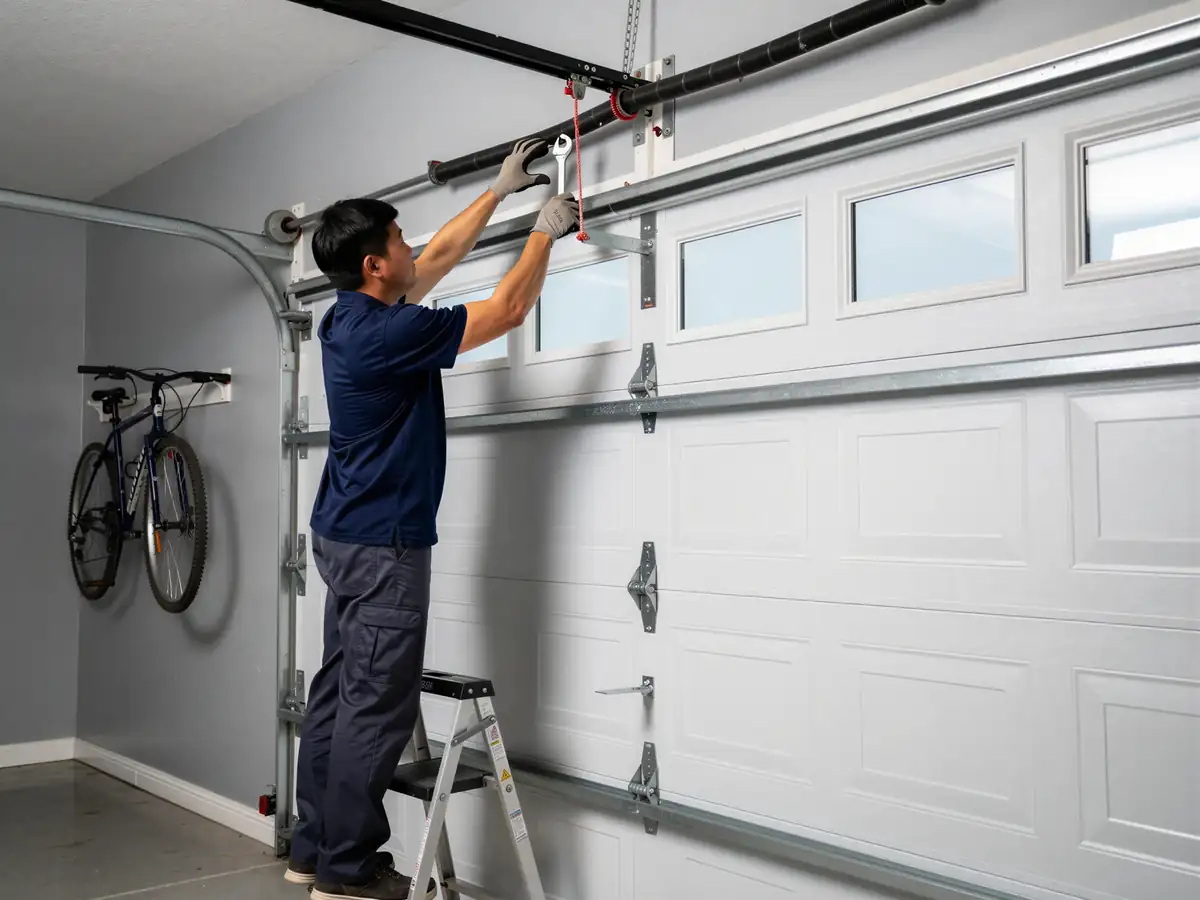
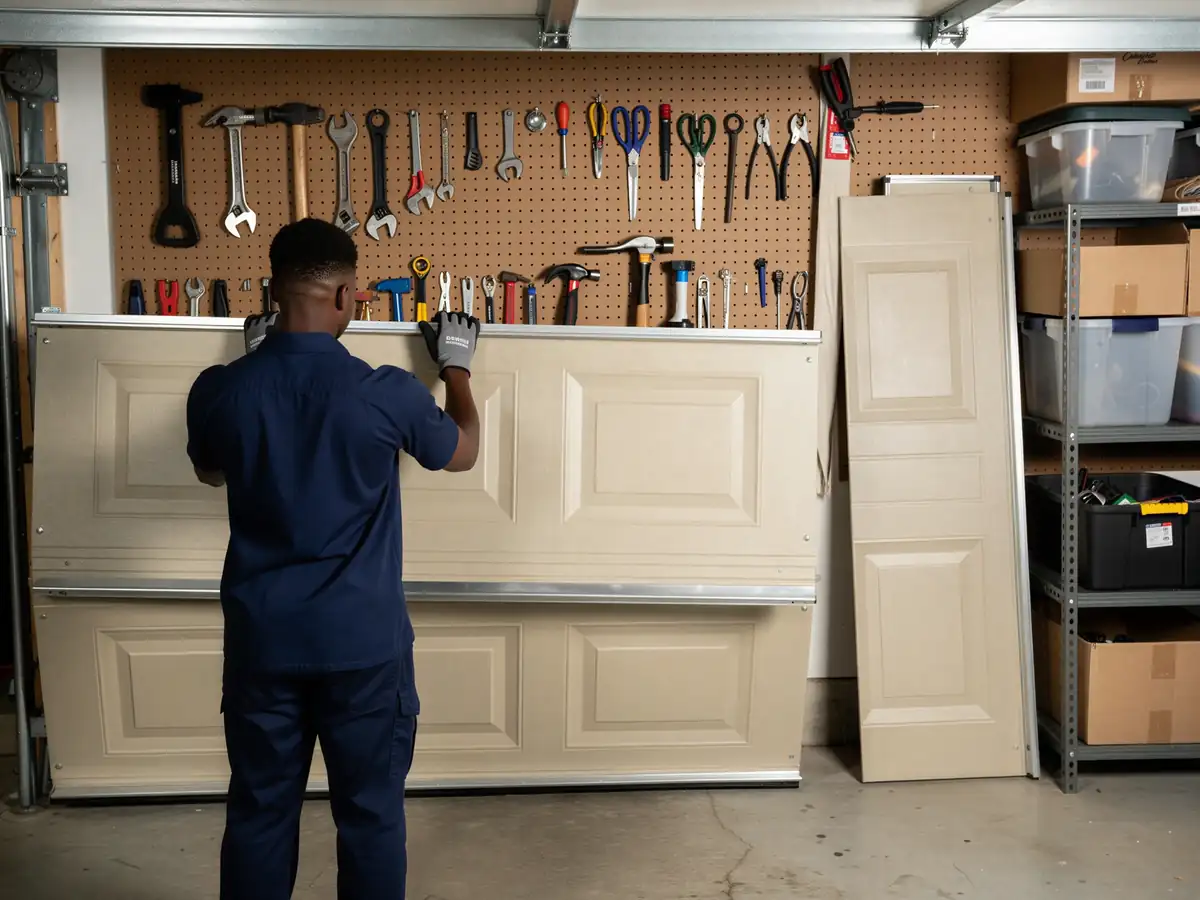
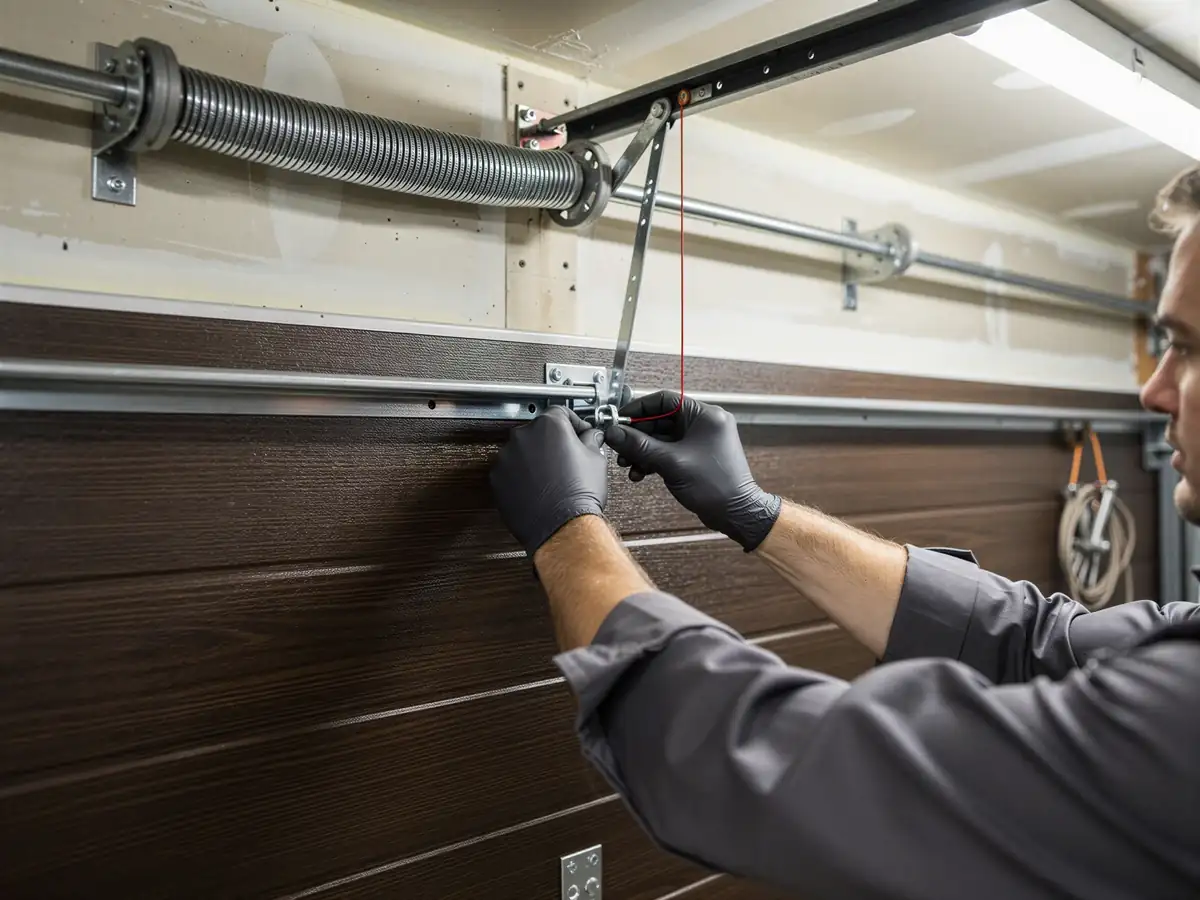
We pull the broken part, match it against what's actually on the shaft or track
And replace only what failed. If the opener itself is original to a 1973 build, we'll tell you straight that a repair might outlast its own motor by a week. That's not a pitch for a new unit - it's what we see when a door this old finally lets go.
Booking a Visit
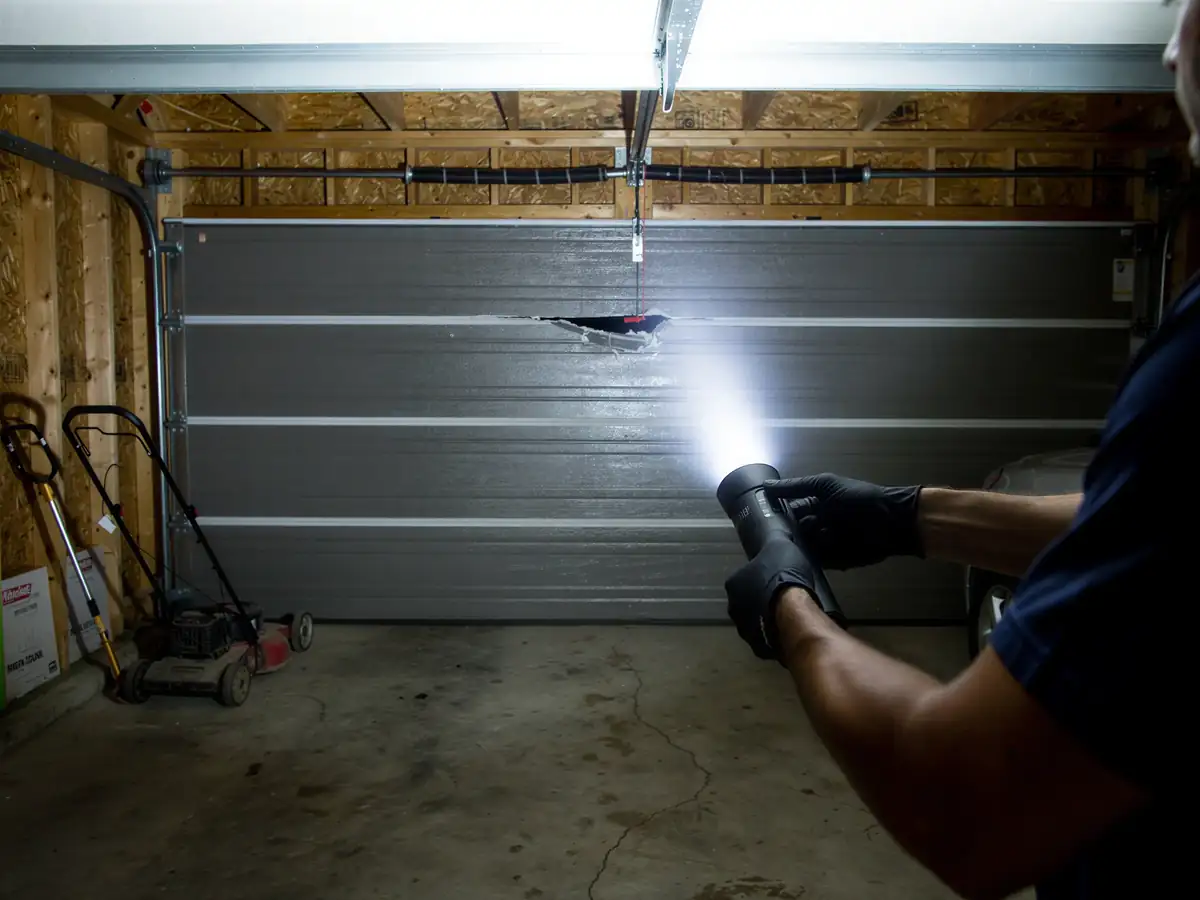
We run this call out of Cedar Hill, about 19 miles from Highland Park. That distance is part of the quote conversation up front - we'll tell you honestly where you sit in the route before you commit, rather than promise a window we can't hold from that far out. Call and describe what the door is doing: off the track, spring snapped, opener dead, or just stuck shut. That description decides which parts ride on the truck, and parts availability is the real variable on a 1973-era door, not drive time.
What Can Go Wrong
On the older end of Highland Park's housing - homes close to that 1973 median - the usual failure is a torsion spring that's simply outlived its wind count, sometimes paired with a track that's bowed from decades of a heavier door swinging through it. Cables fray at the same rate. Rollers on original hardware are often steel-on-steel, no nylon, which means more noise and more wear on the track itself.
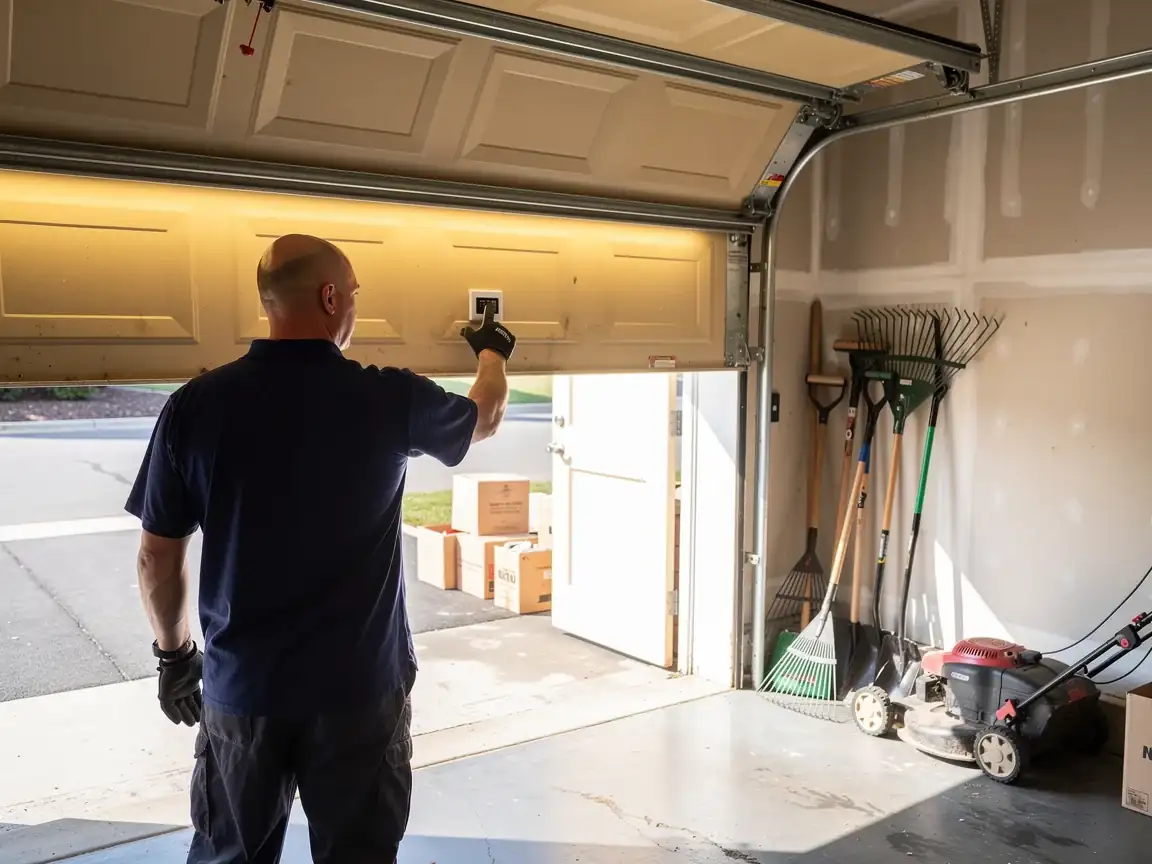
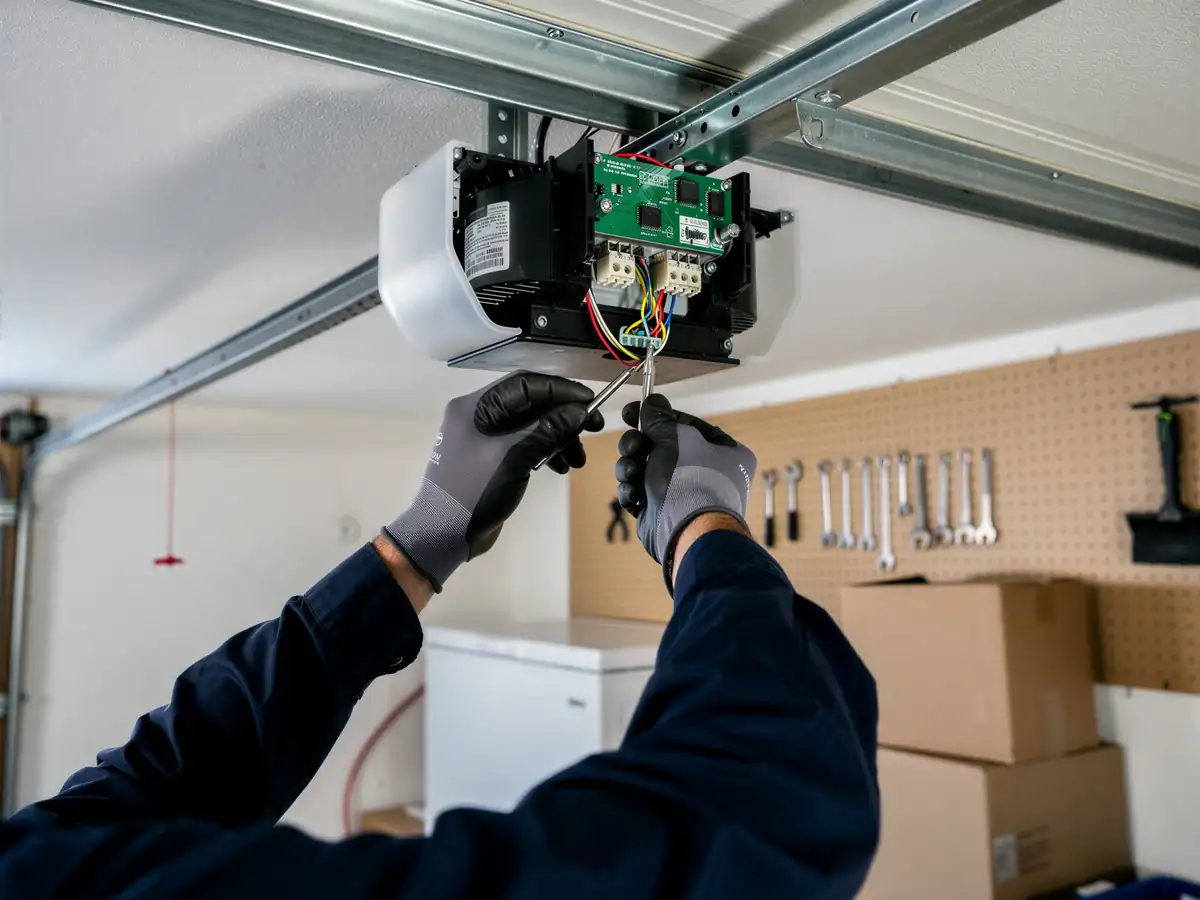
On the opener side, a unit installed alongside a 1973 door has likely been replaced once or twice already, so the failure there tends to be a newer part - a worn gear, a burnt circuit board - behaving on old hardware it wasn't built with. Either way, the fix starts with figuring out which era you're actually troubleshooting, because a part that fits a 1991 door won't necessarily fit a 1973 one.