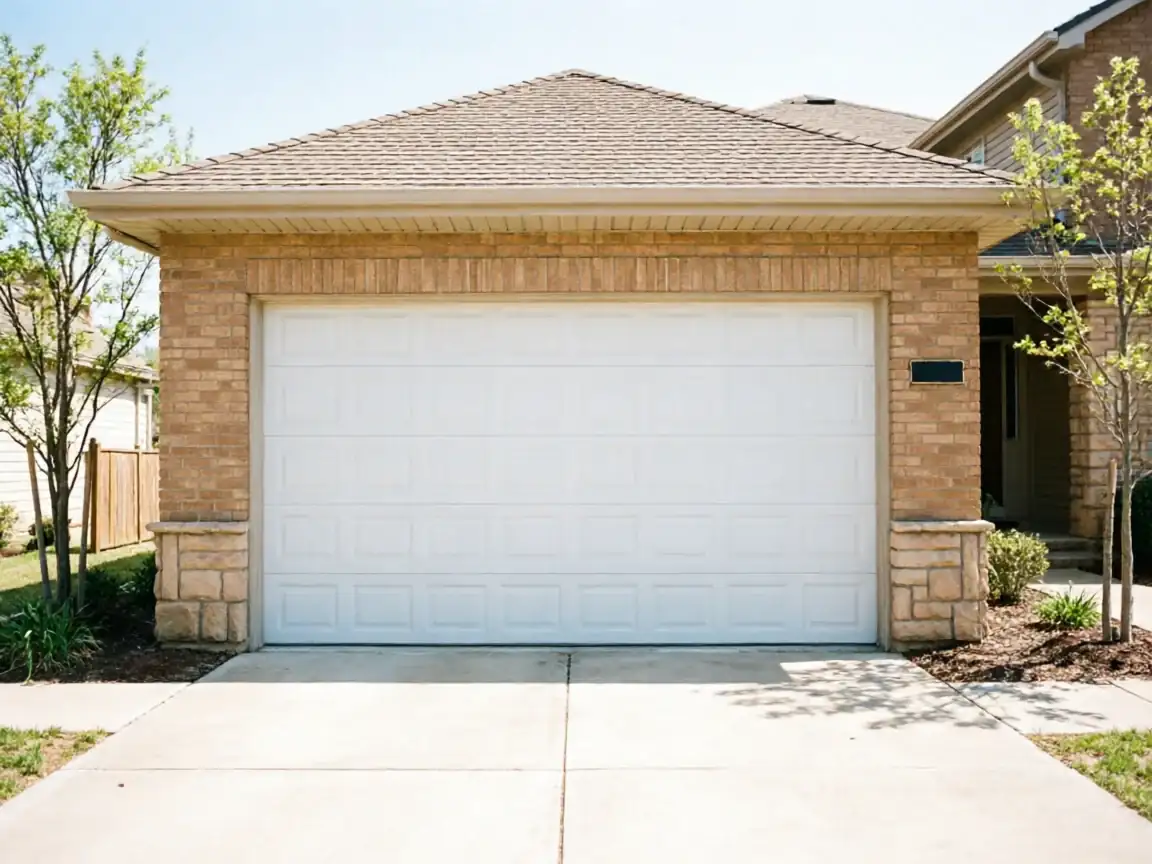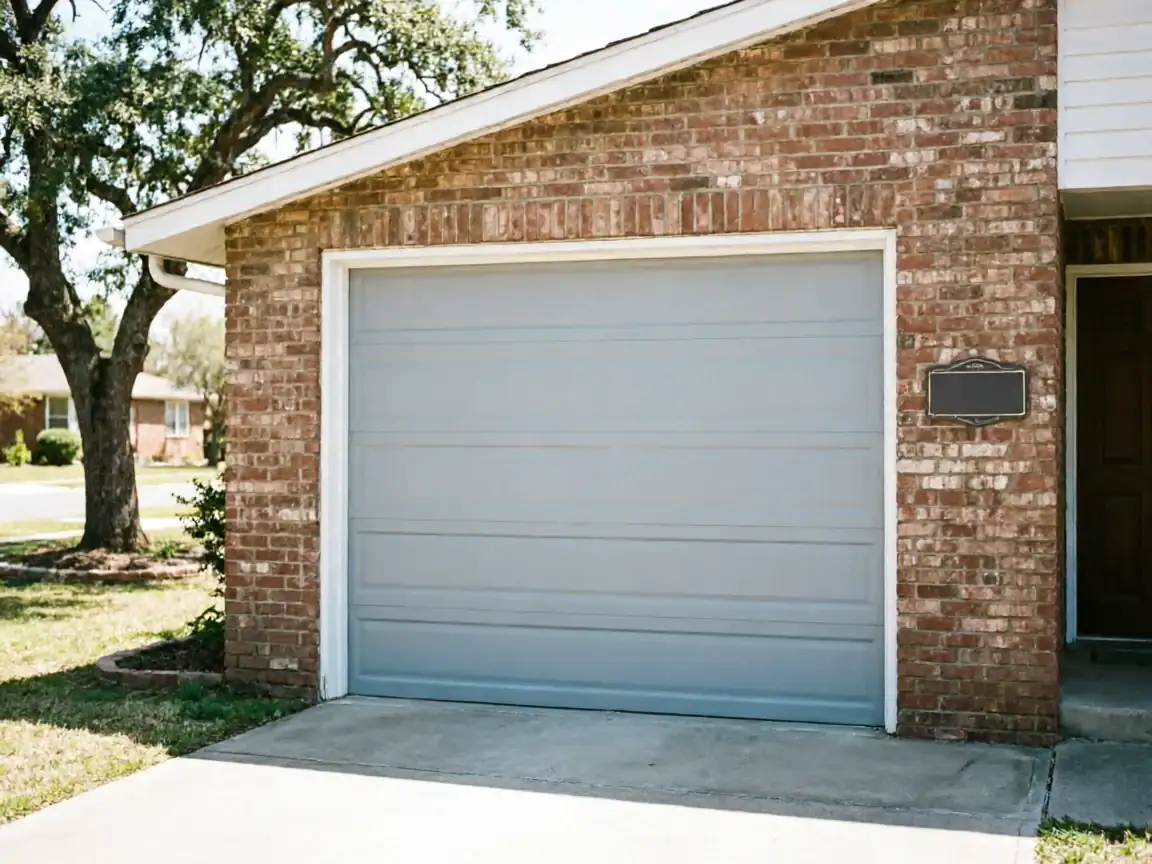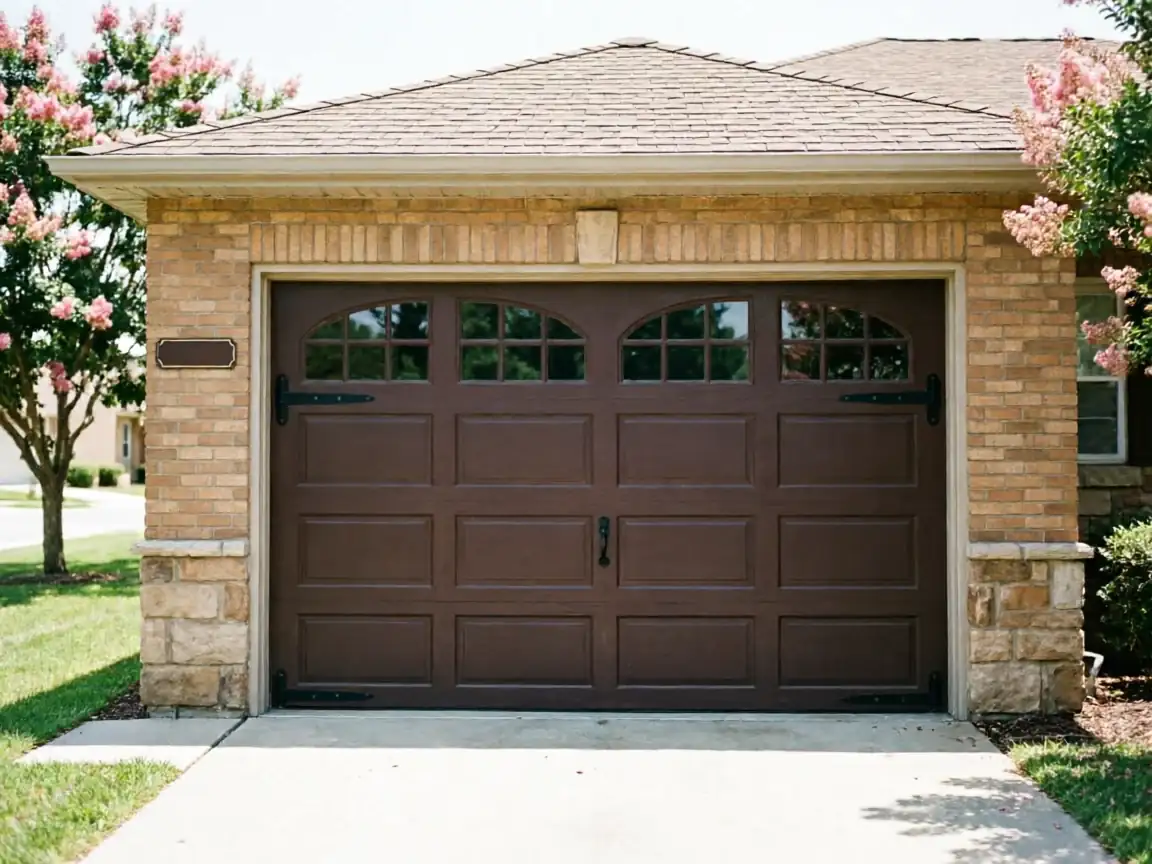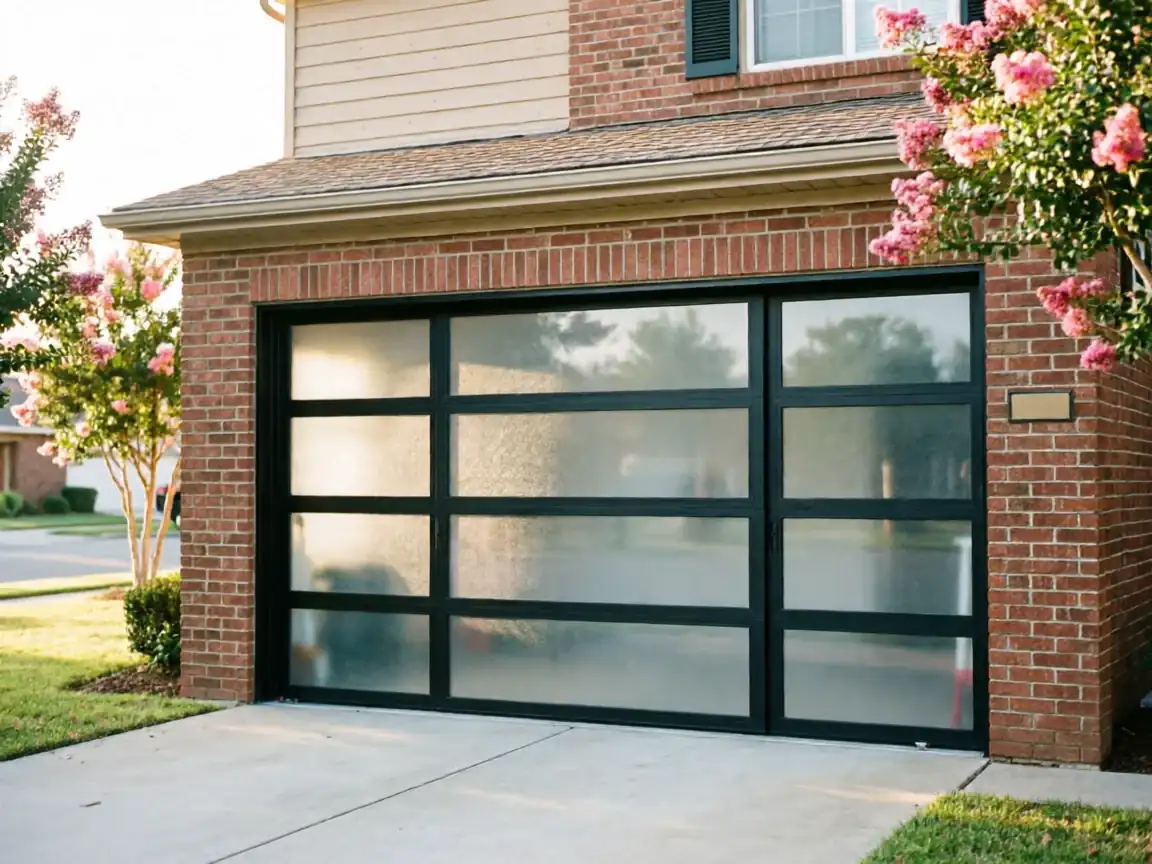
How We Fix It
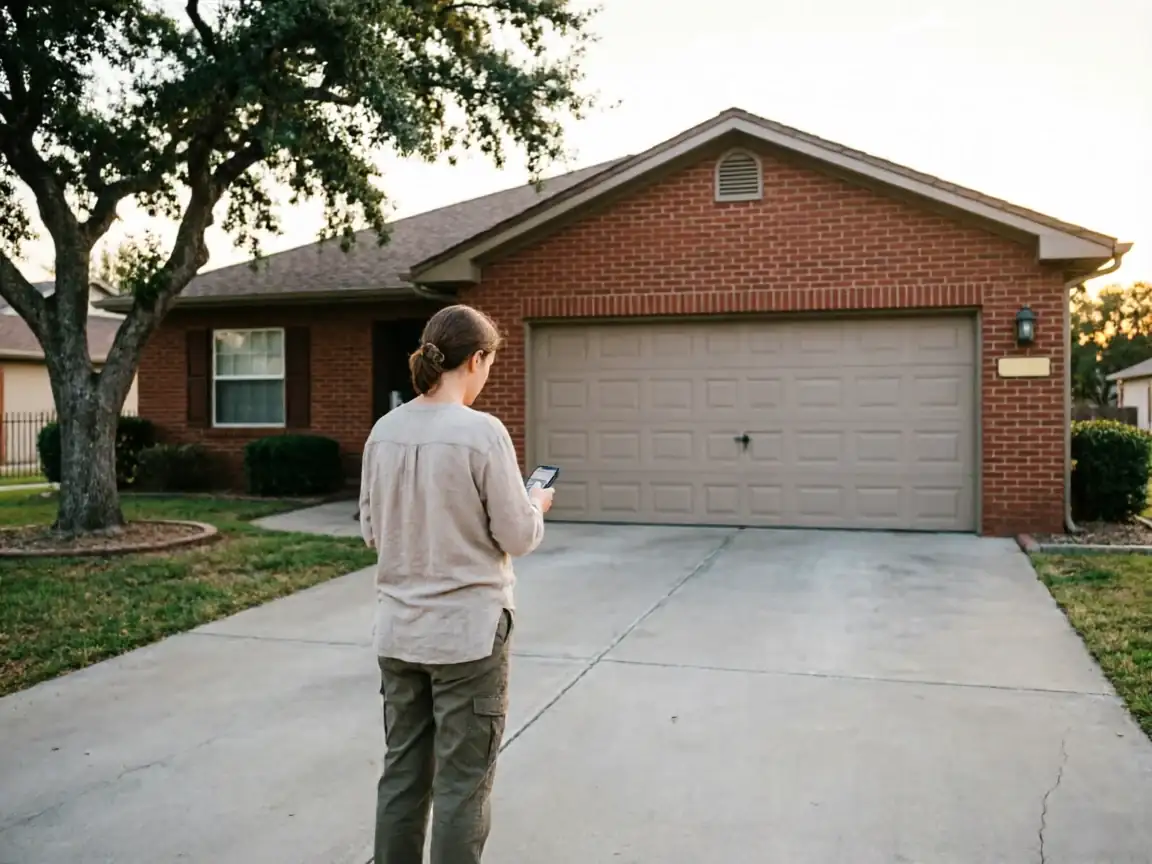
Most of the maintenance calls we take in Highland Park trace back to the same root cause
The house is older than the hardware was ever meant to outlast. A lot of this suburb went up around 1973, well before the service area's overall median of 1991, which means original torsion springs, worn roller tracks, and first-generation openers are more common here than in the newer pockets we cover. A spring built for a specific door weight and cycle count doesn't know it's gotten old - it just gets weaker, and nobody notices until a cable snaps or the door starts sagging on one side.
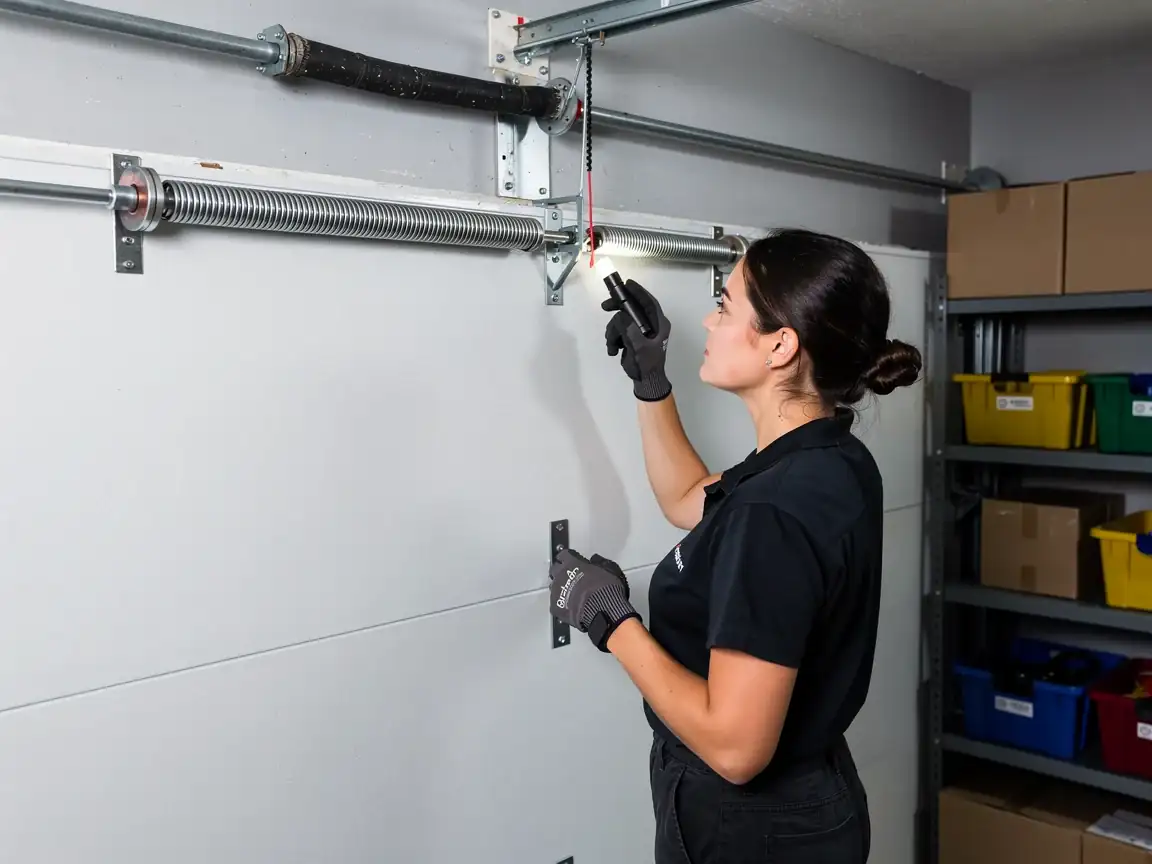
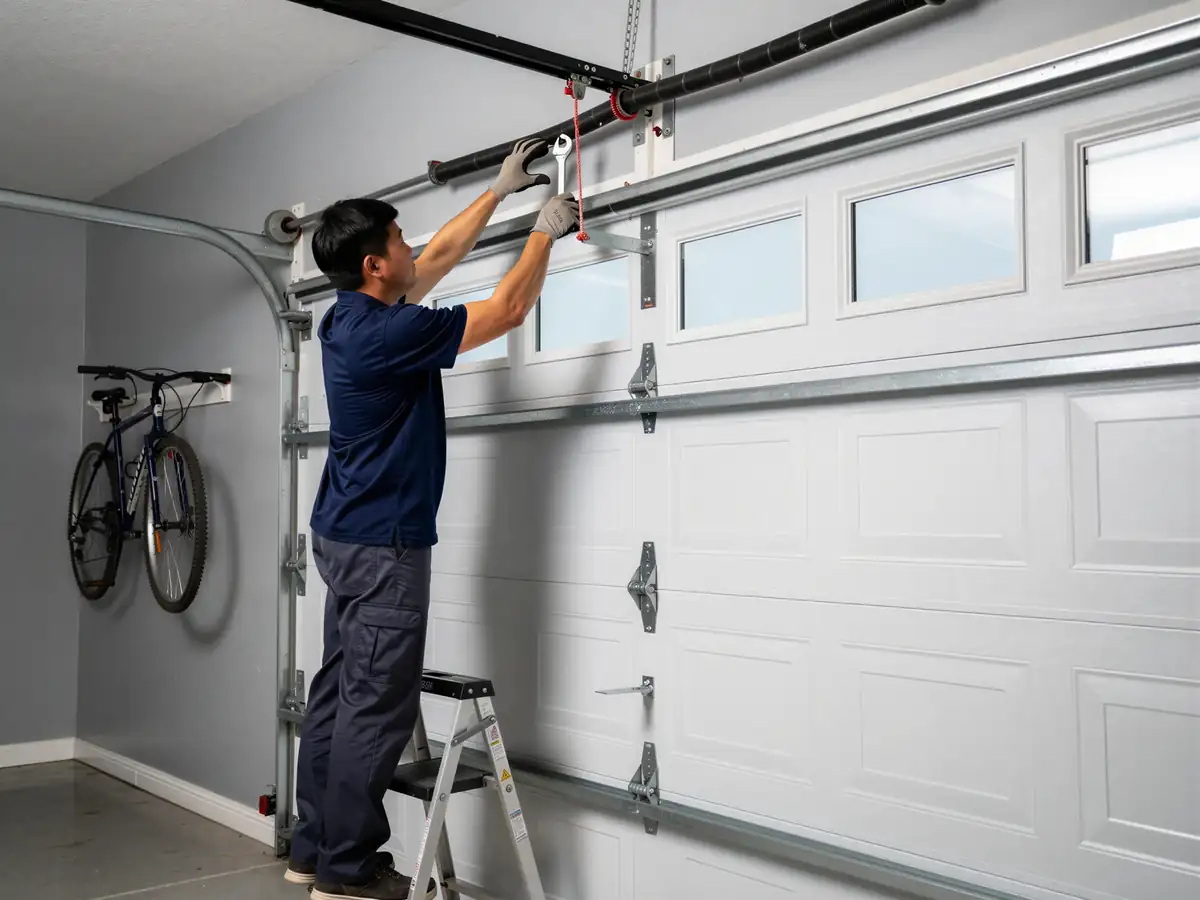
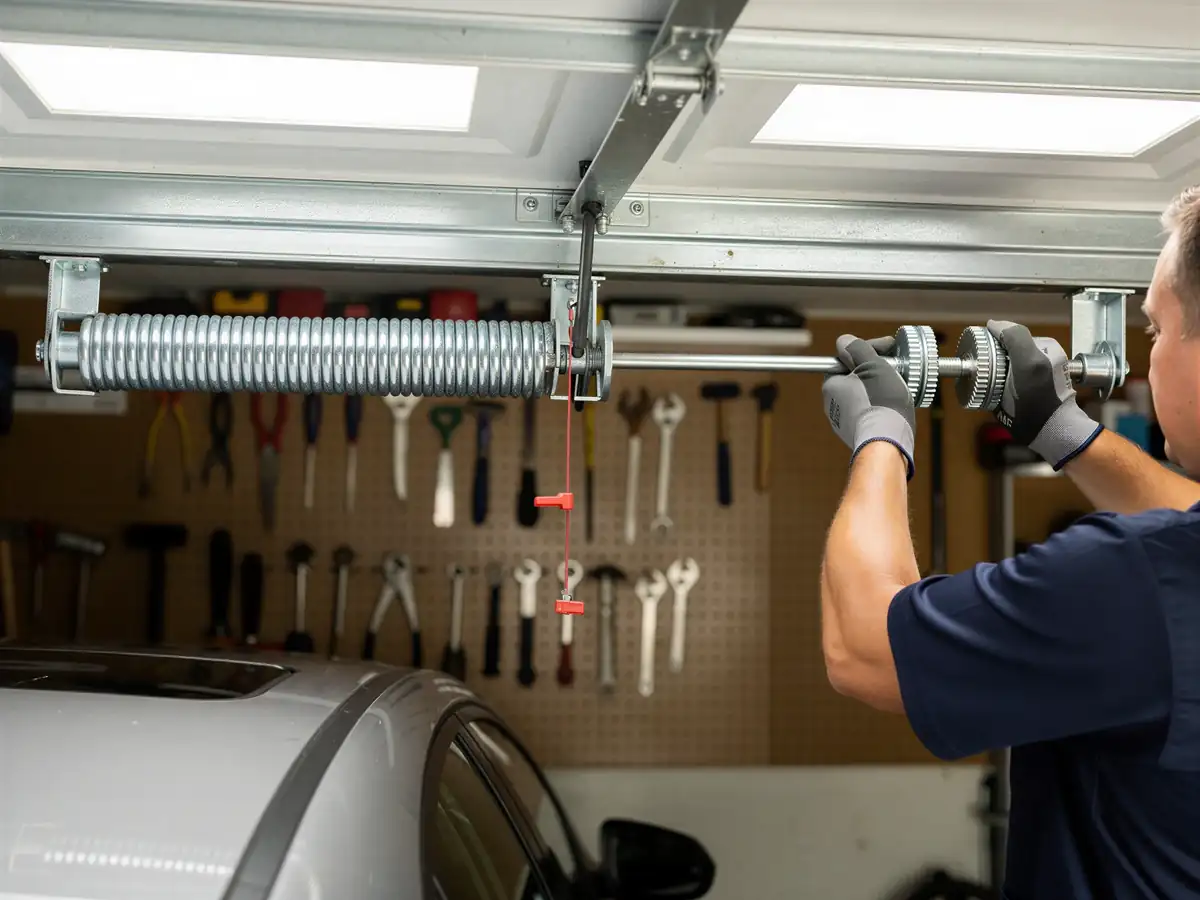
Our maintenance visit starts with the springs
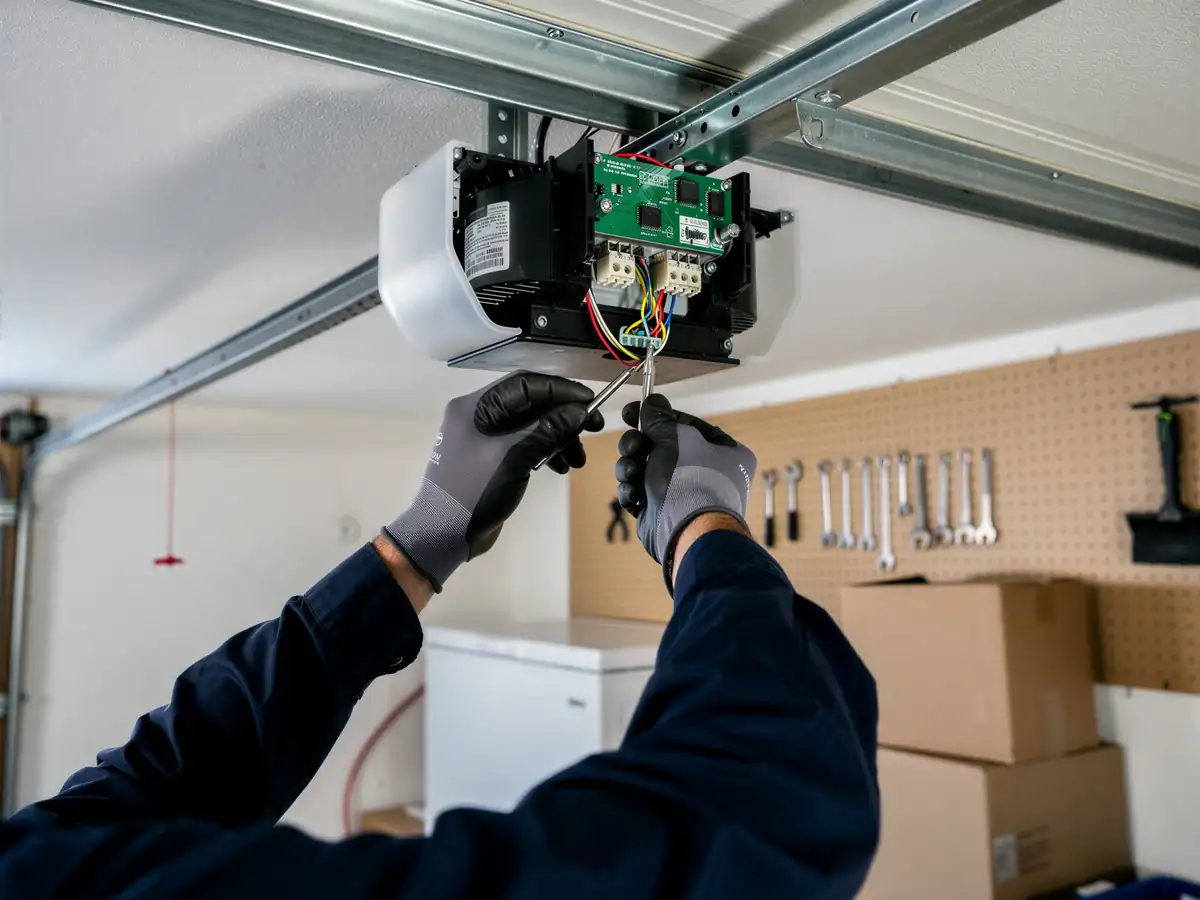
Since that's where failure usually begins, then moves to track alignment, roller condition, cable fraying, and the opener's force settings. If a previous owner swapped in a heavier insulated door somewhere along the way - common in a neighborhood with the income to afford it - the spring tension often never got adjusted to match, and that mismatch wears out rollers and openers faster than it should. We check for that specifically instead of assuming the door and the springs were installed together.
We don't replace parts that aren't failing
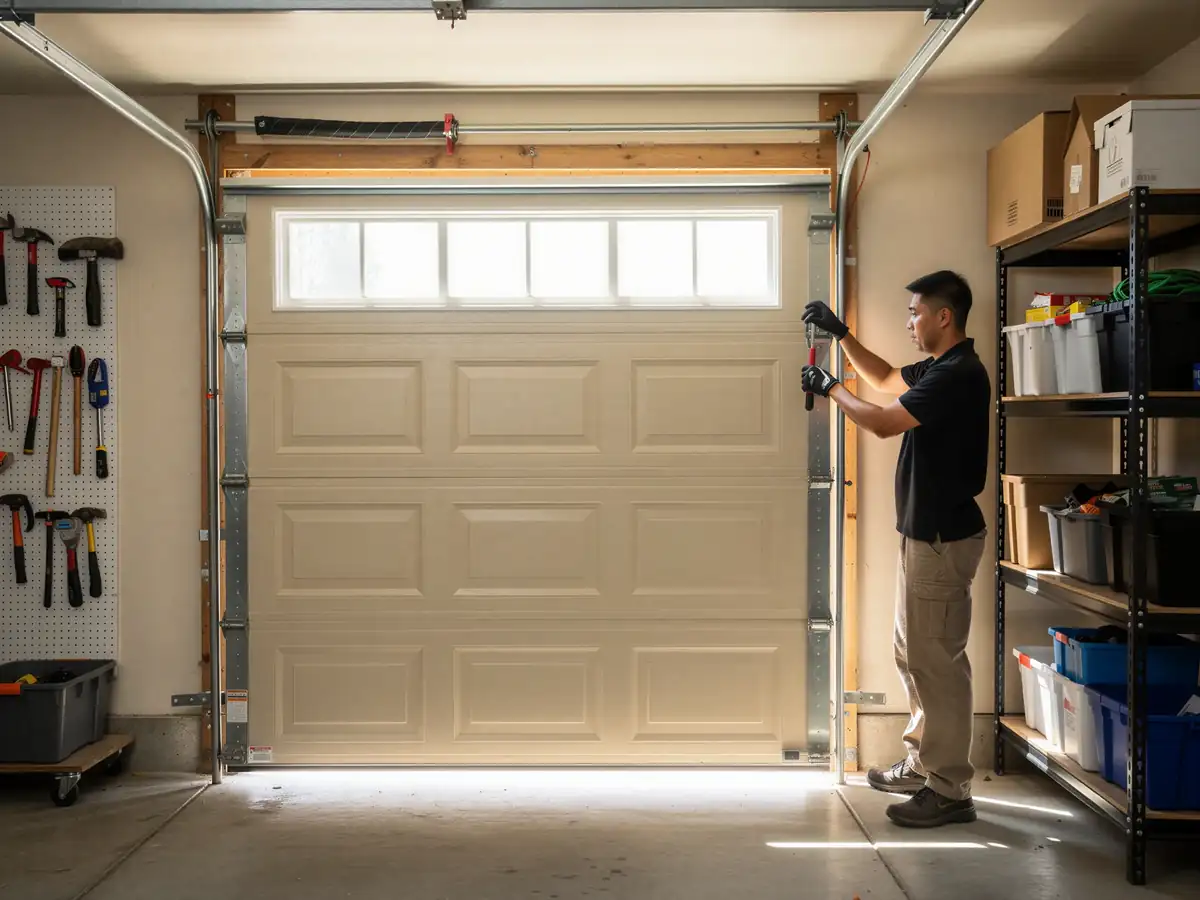
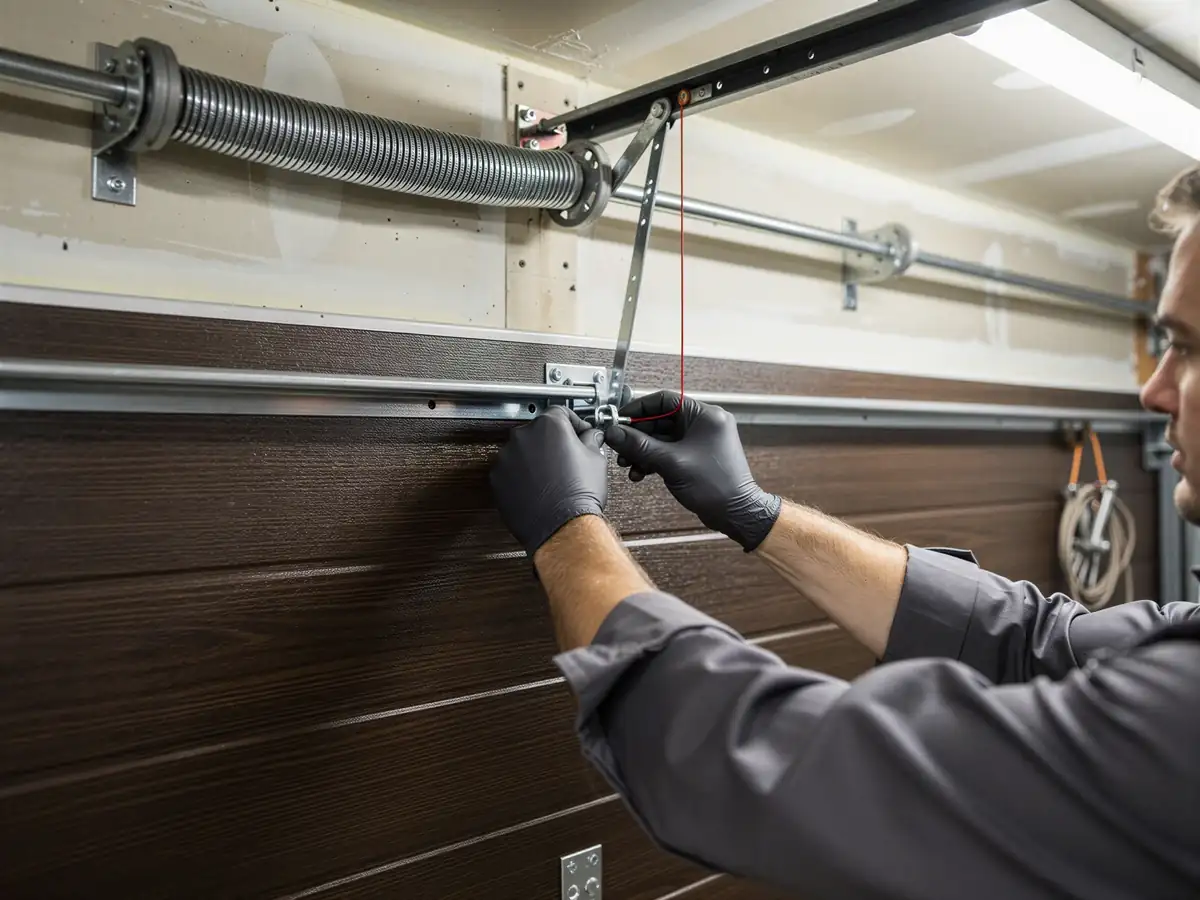
A maintenance visit means lubrication, tightened hardware, balance testing, and an honest list of what's close to the end of its life, not an upsell on a new door.
Booking a Visit
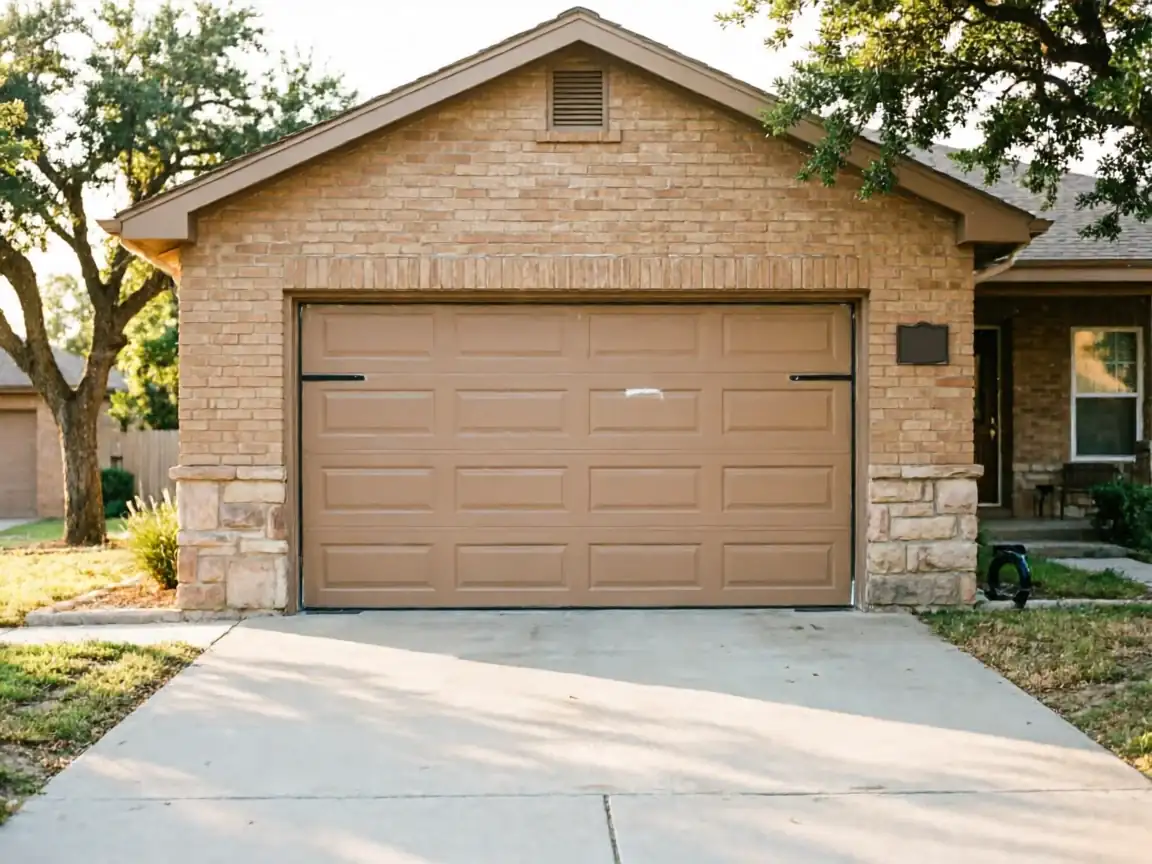
We run out of Cedar Hill, about 19 miles from Highland Park, so visits here are scheduled rather than same-day drop-ins. That distance isn't a problem for maintenance work - it just means we plan the route in advance instead of squeezing in a walk-up appointment.
With roughly 3,249 households in Highland Park, it's a smaller pocket of our overall service area than some of the neighboring suburbs we cover, so we don't keep a truck stocked and idling just for this stretch of road. What that means practically: book ahead, especially if you want a specific day, and we'll bring the parts most likely needed for a house of this era rather than guessing on site.
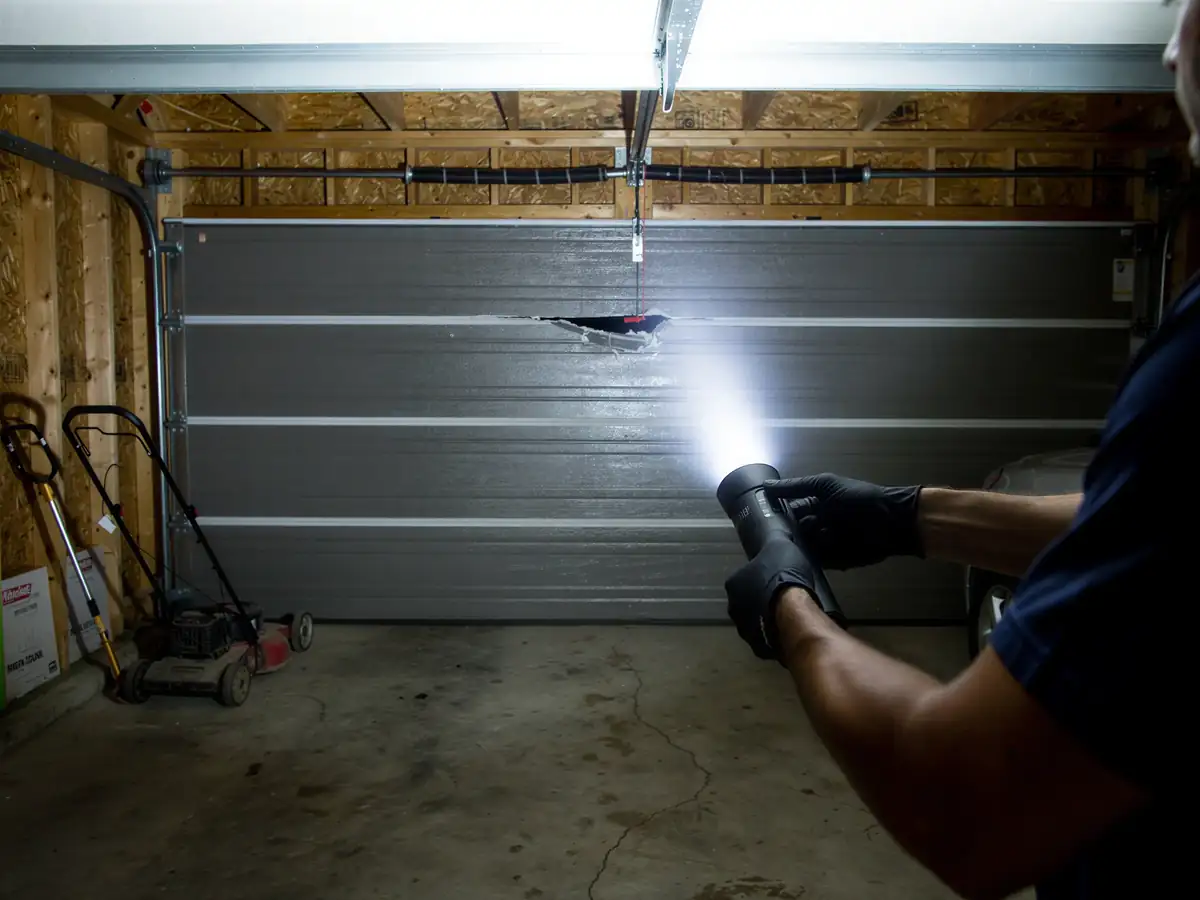
If something breaks outright - a spring lets go, a cable snaps - call and we'll tell you honestly where that falls in the schedule relative to a routine maintenance booking.
What Can Go Wrong
On a house built in the early 1970s, the list is fairly predictable. Torsion springs rated for a certain number of cycles are well past that count by now if they've never been replaced. Steel rollers that came standard on builder-grade doors from that era wear grooves into the track over decades, which throws off alignment even if nothing has technically broken yet.
There's also the mismatch problem: if the original door was swapped for a heavier insulated model at some point - and with a median household income of $250,001 in this area, that upgrade is more common here than in lower-income pockets - the spring tension from the old lighter door often never got recalculated. That shows up as an opener straining to lift a door it was never balanced for, which shortens the opener's life along with the springs'.
The moderate heat band this area sits in doesn't put the kind of extreme thermal stress on hardware that hotter climates do, but fifty years of ordinary expansion and contraction still loosens lag bolts, hinges, and track brackets. None of this is dramatic. It's just slow wear that a yearly check catches before it becomes a dead spring on a Saturday morning.
How Long You Are Without the Door
A maintenance visit itself doesn't take the door out of service
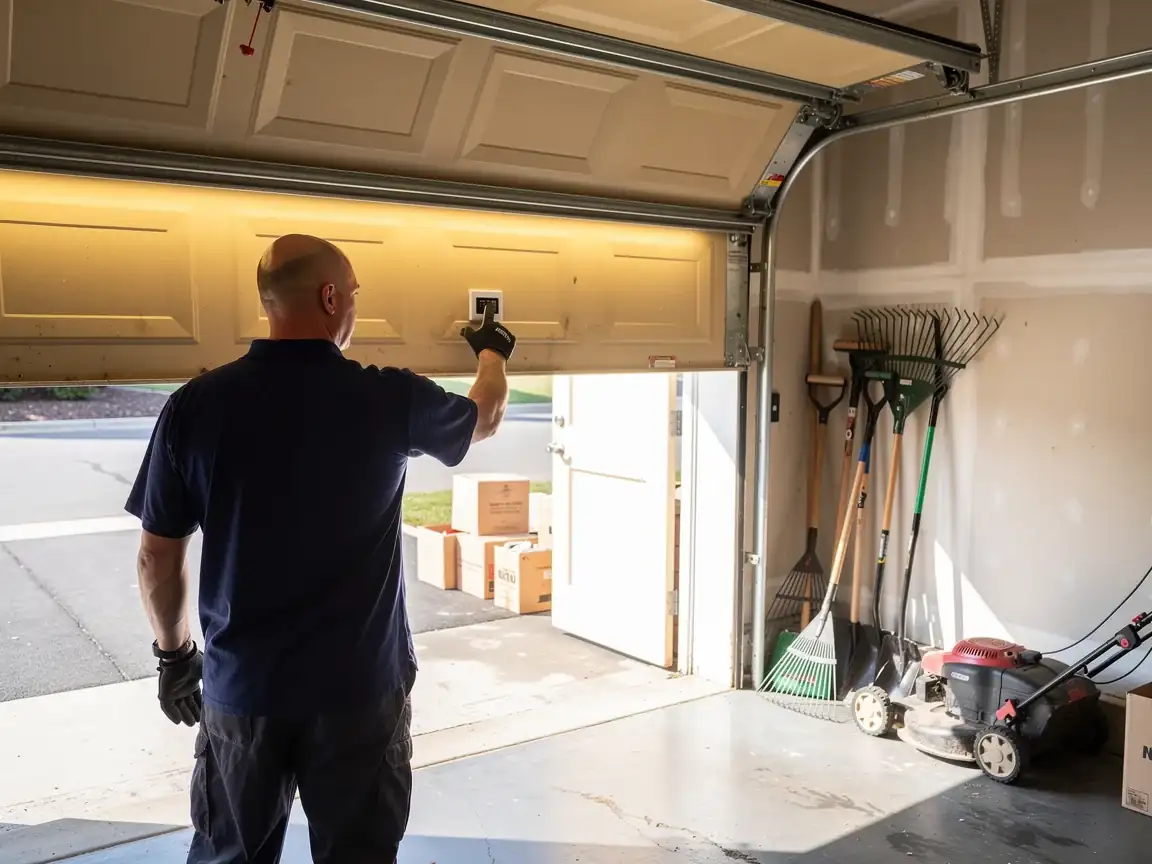
We're lubricating, adjusting, and testing balance while the door stays operable the whole time, apart from a few minutes per check.
If we find a spring or cable that's close to failing and needs replacing on the spot
That's a different conversation with a different timeline, and we'll tell you before we start rather than after. We don't carry every part size on the truck for every door configuration, so a repair that needs an unusual spring size sometimes means a second visit. We'd rather say that upfront than pretend otherwise.
What Is on the Truck
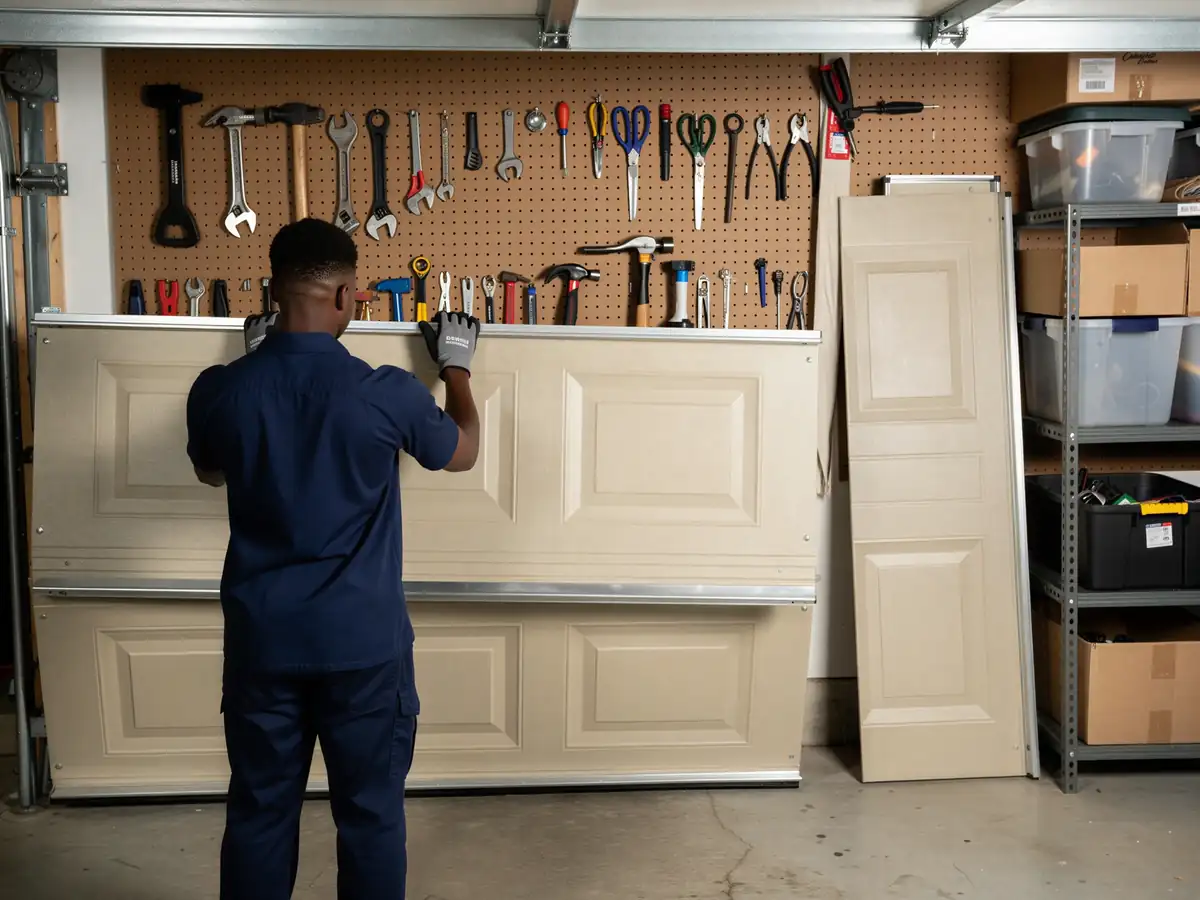
For maintenance calls in an area with homes from this period, we bring the spring sizes and roller types that show up most often on doors from the early 1970s through the 1990s, along with standard track hardware, lubricant rated for the moderate heat conditions here, and basic opener diagnostic gear.
We don't stock every spring size for every door width and weight - garage doors from this era came in enough variations that no truck carries all of it. If your door turns out to need a less common part, we'll note it during the visit and schedule the install once it's in hand, rather than making you wait around while we track it down on the spot.
Can You Do This Yourself
Some of it, yes. Wiping down and lubricating rollers and hinges, checking that the track bolts are snug, and watching the door's balance by disconnecting the opener and lifting it by hand are all things a homeowner can do without special tools.
What you shouldn't do yourself is touch the torsion spring. It's under enough tension to cause a serious injury if it releases wrong, and on a door from this era, that spring has likely been load-bearing for decades without ever being adjusted for a door weight change. If you notice the door is harder to lift by hand than it used to be, or one side looks lower than the other, that's a sign the spring tension is off - and that's a call, not a DIY job.