What Can Go Wrong
Most of what we get called out for in Midlothian isn't the same failure we see on the older streets closer to Cedar Hill
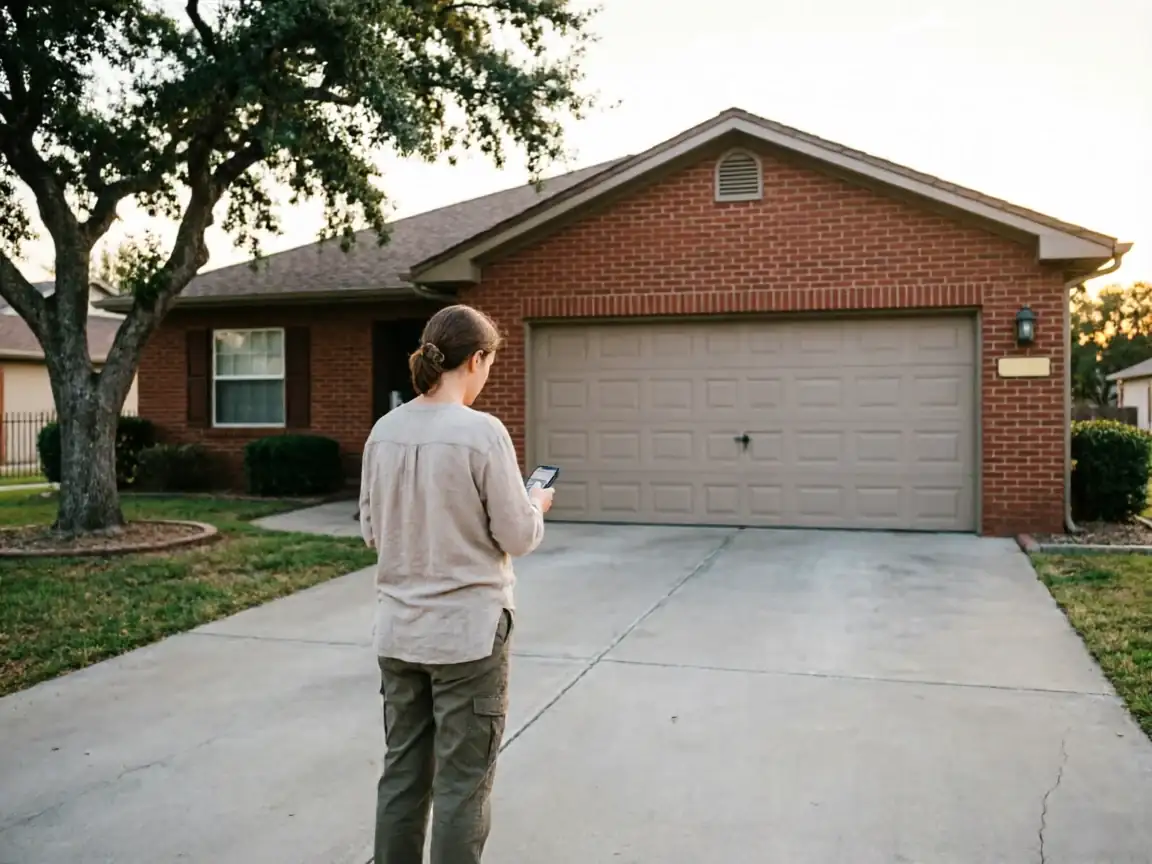
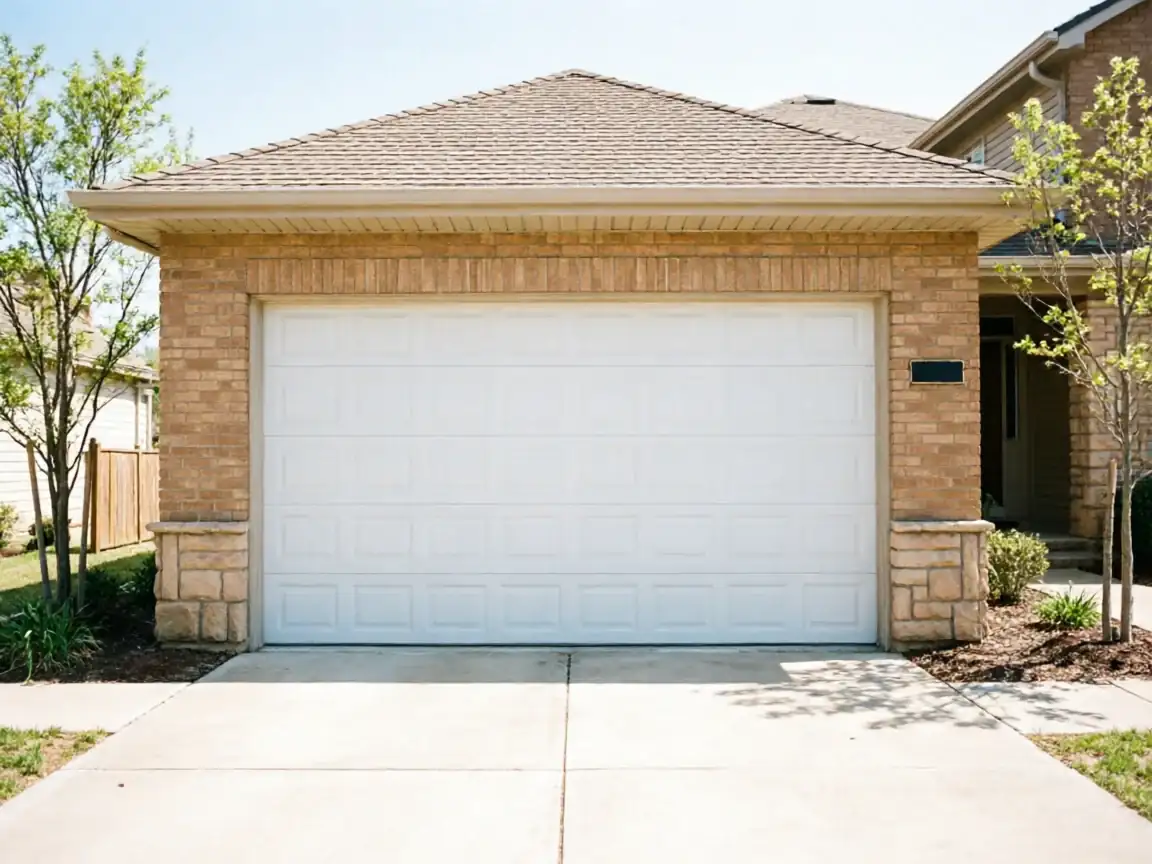
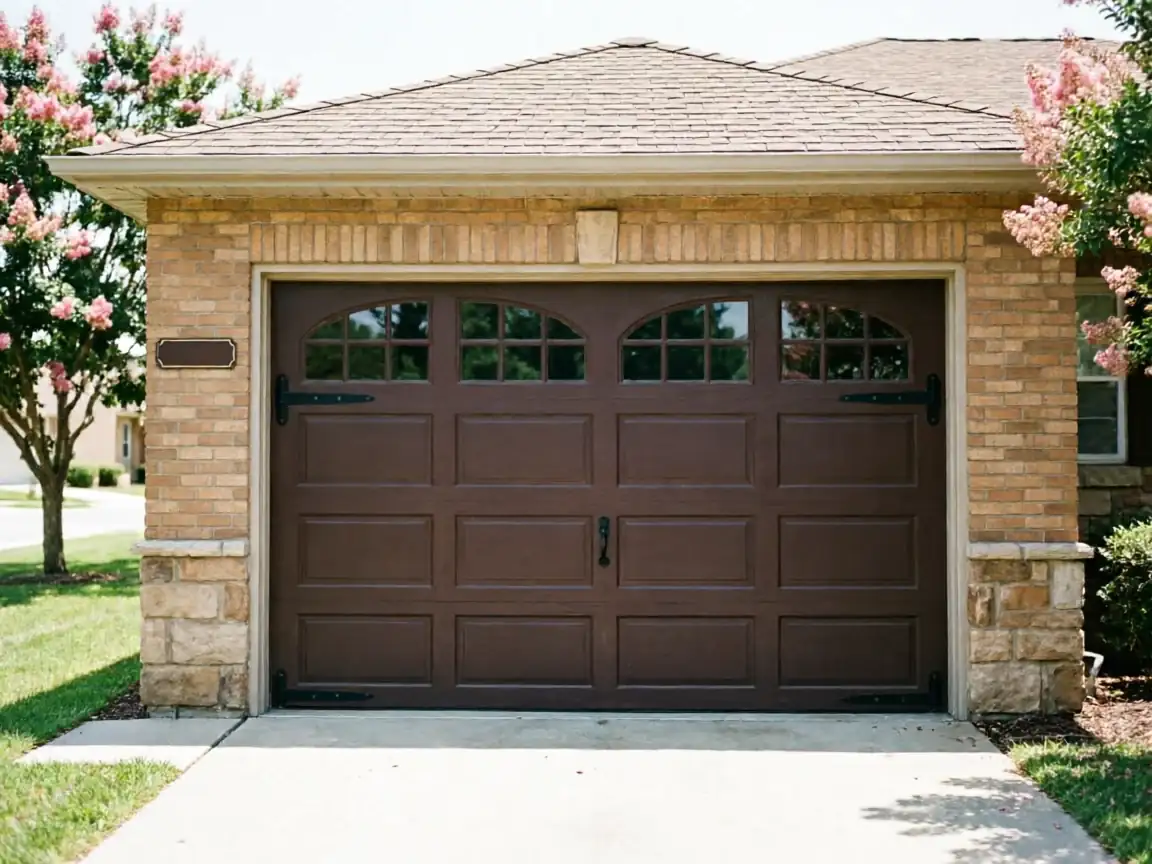
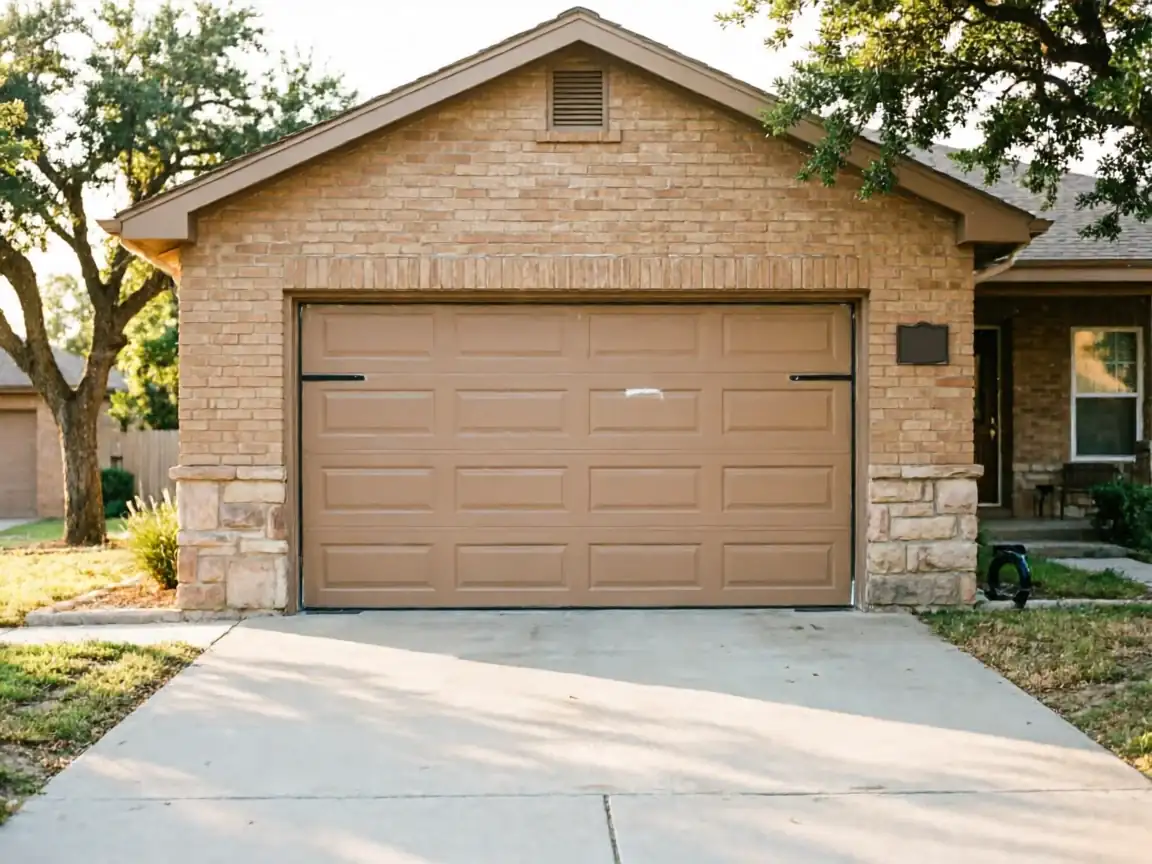
Midlothian's housing stock runs newer - a lot of it built around 2006 - so the doors are steel, insulated, and running on openers with circuit boards and photo-eye safety sensors rather than the stripped-down hardware you'd find on a house from the 1970s or 80s.
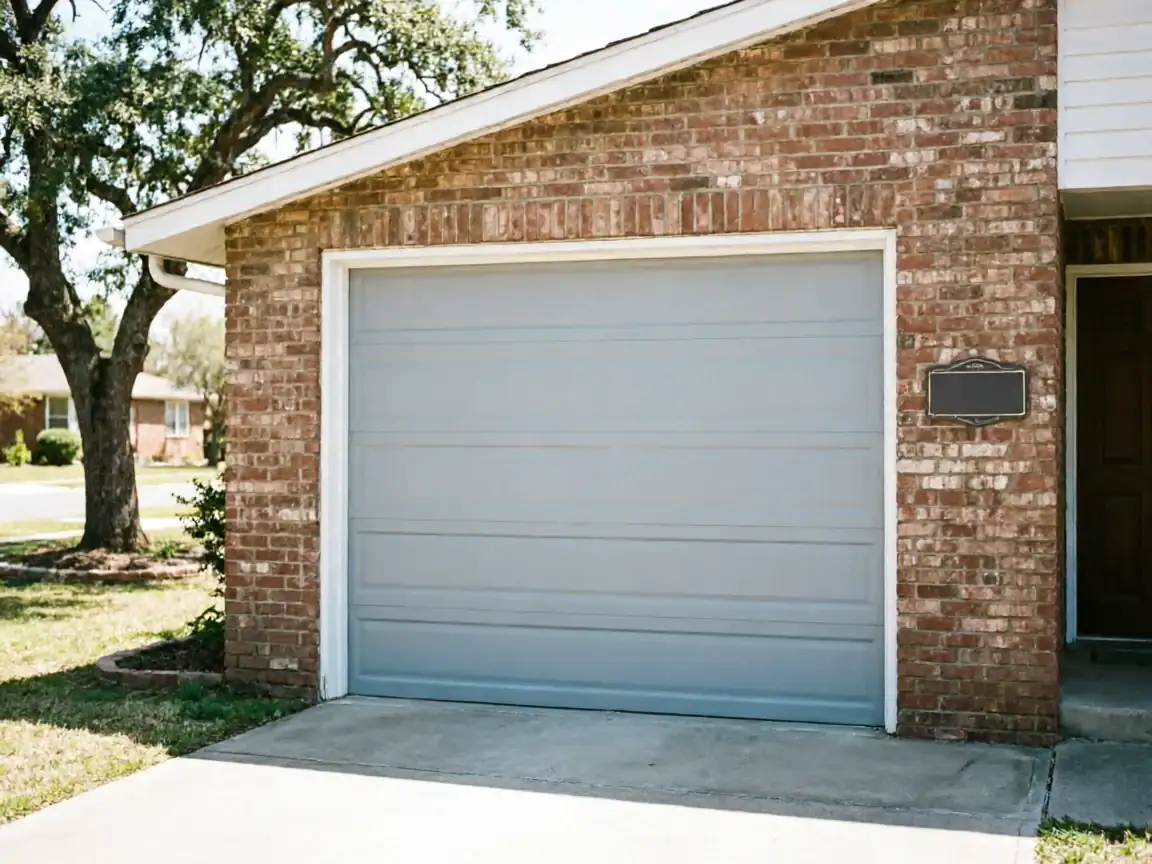
Across the wider service area, median build year sits closer to 1991
With homes going back to 1969 in places. Midlothian skews well past that. That matters because newer doors fail differently: a logic board burns out, a safety sensor gets knocked out of alignment by a bike or a trash can, or a wall console loses its signal to the opener. The door looks fine and still won't move, or it reverses halfway down every time. That's a different troubleshoot than a snapped torsion spring on an old door, and it's the call we get most from this side of our coverage area.
How We Fix It
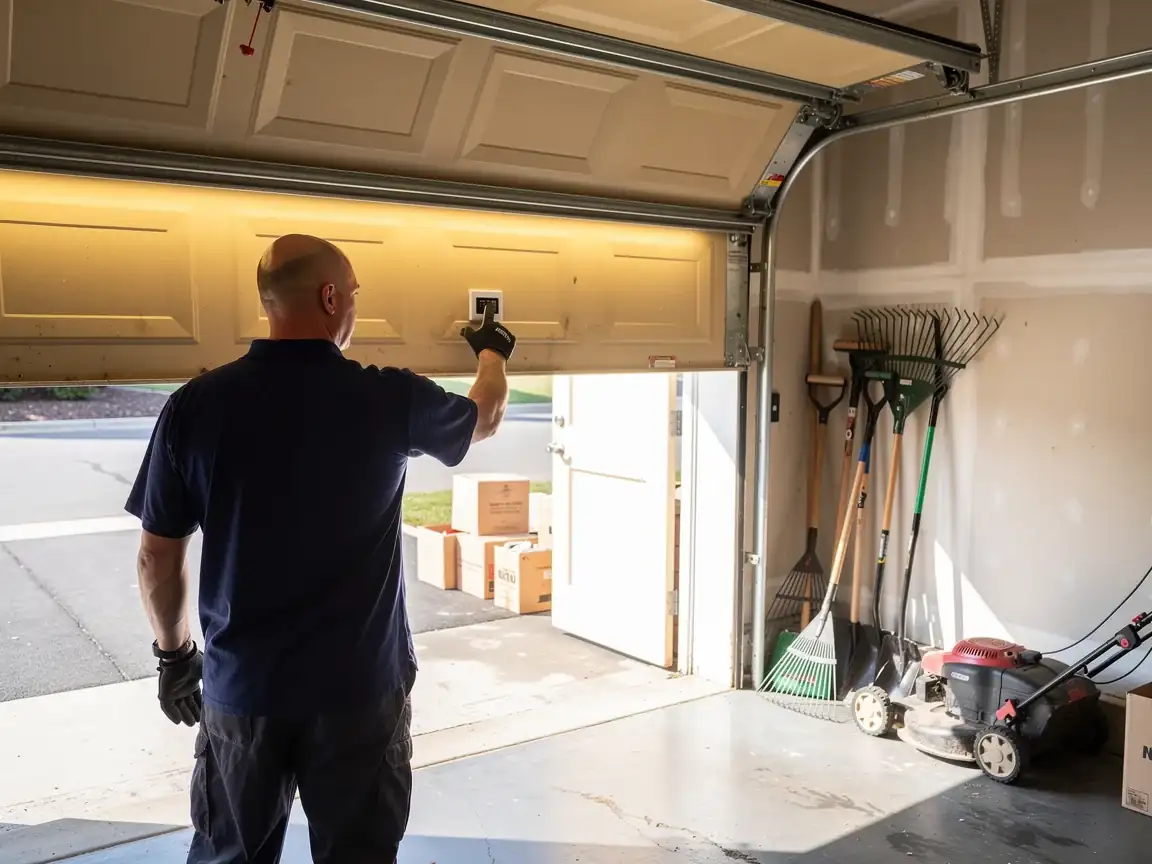
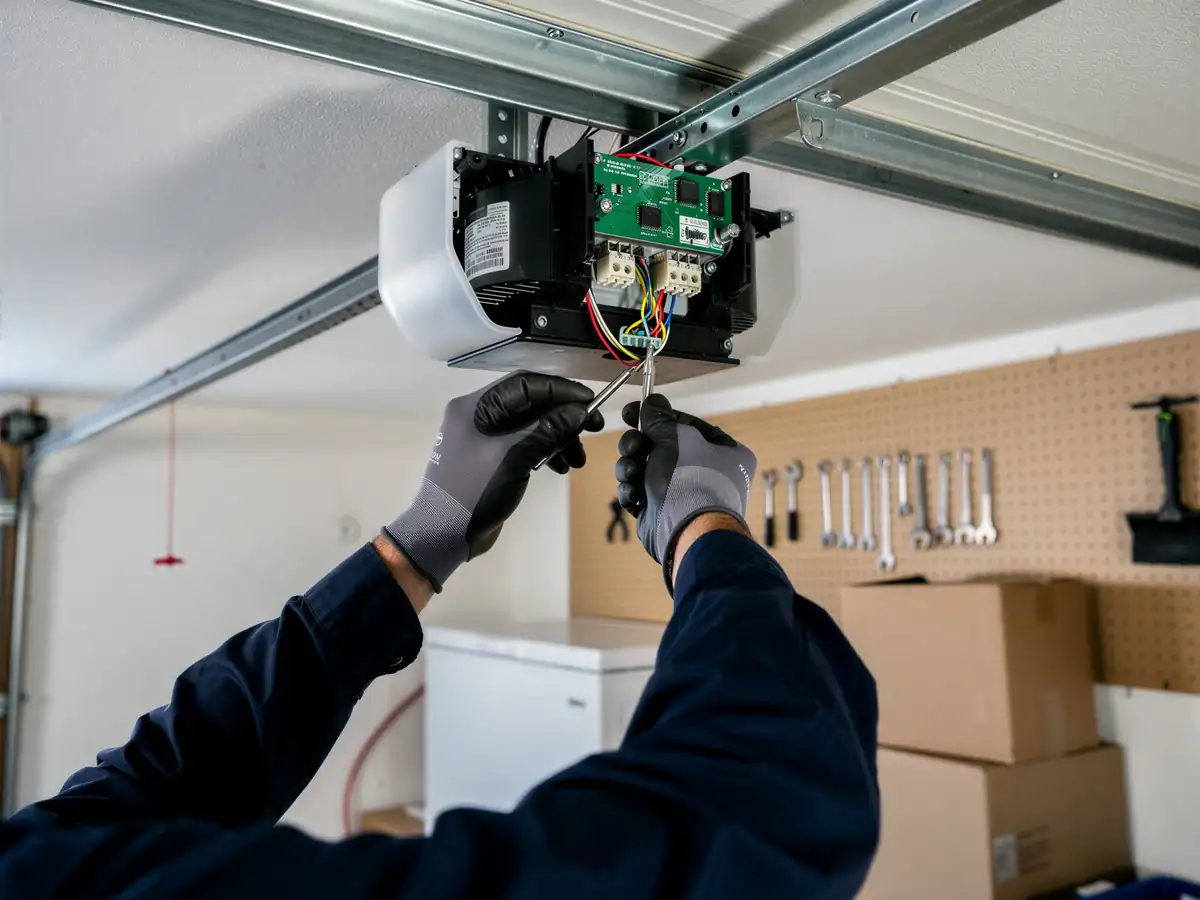
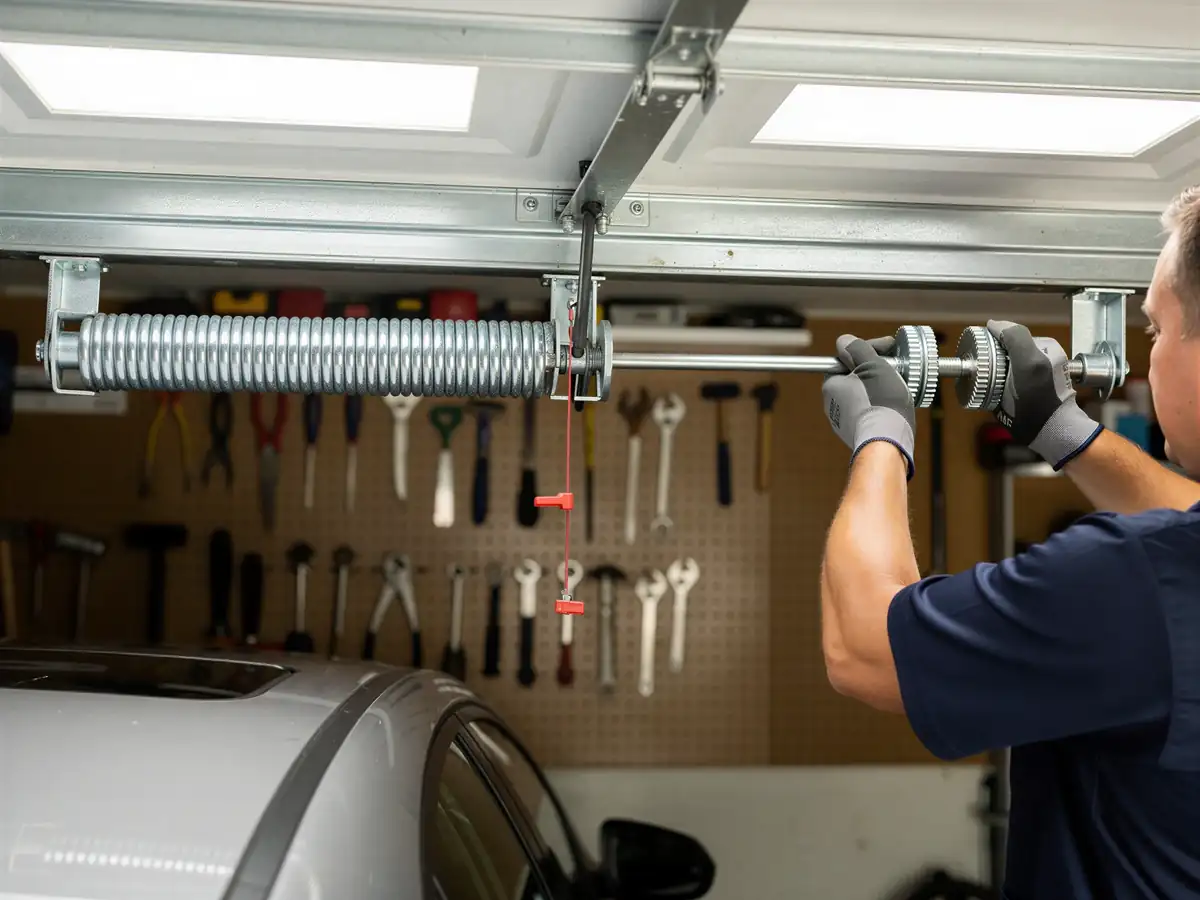
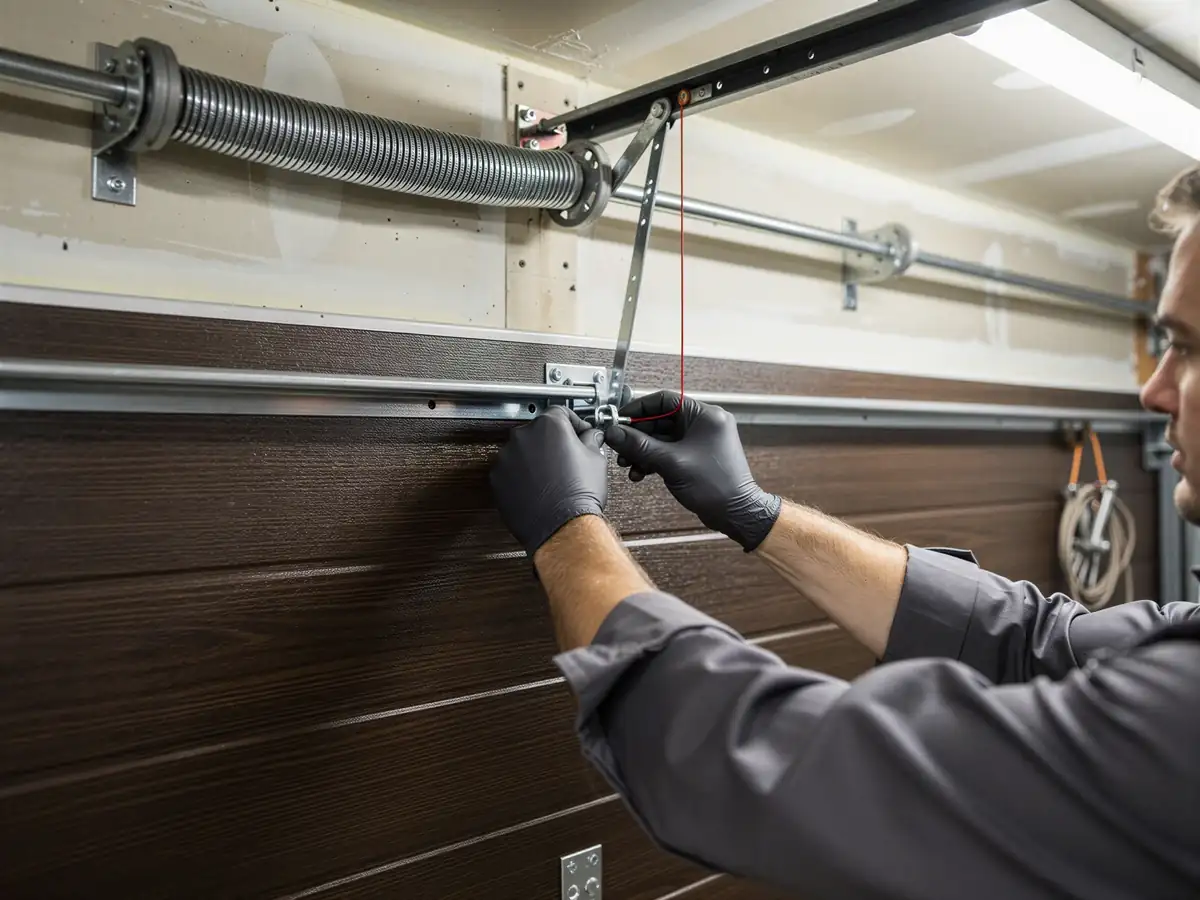
We start the same way regardless of what the dispatcher thinks it is: check the sensors first, because a misaligned photo-eye is the single most common reason a newer door won't close, and it's a five-minute fix once we're standing there. If the sensors check out, we're into the opener itself - logic board, circuit board connections, the trolley and chain or belt drive.
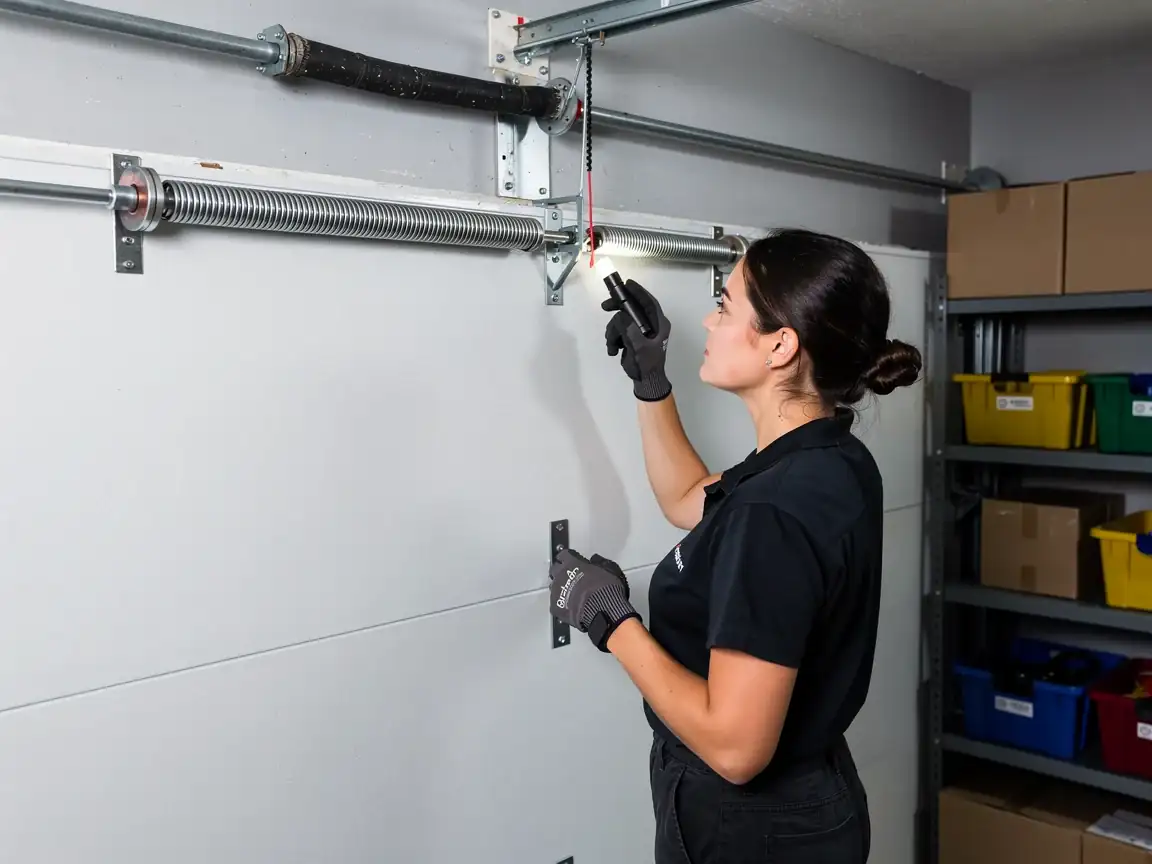
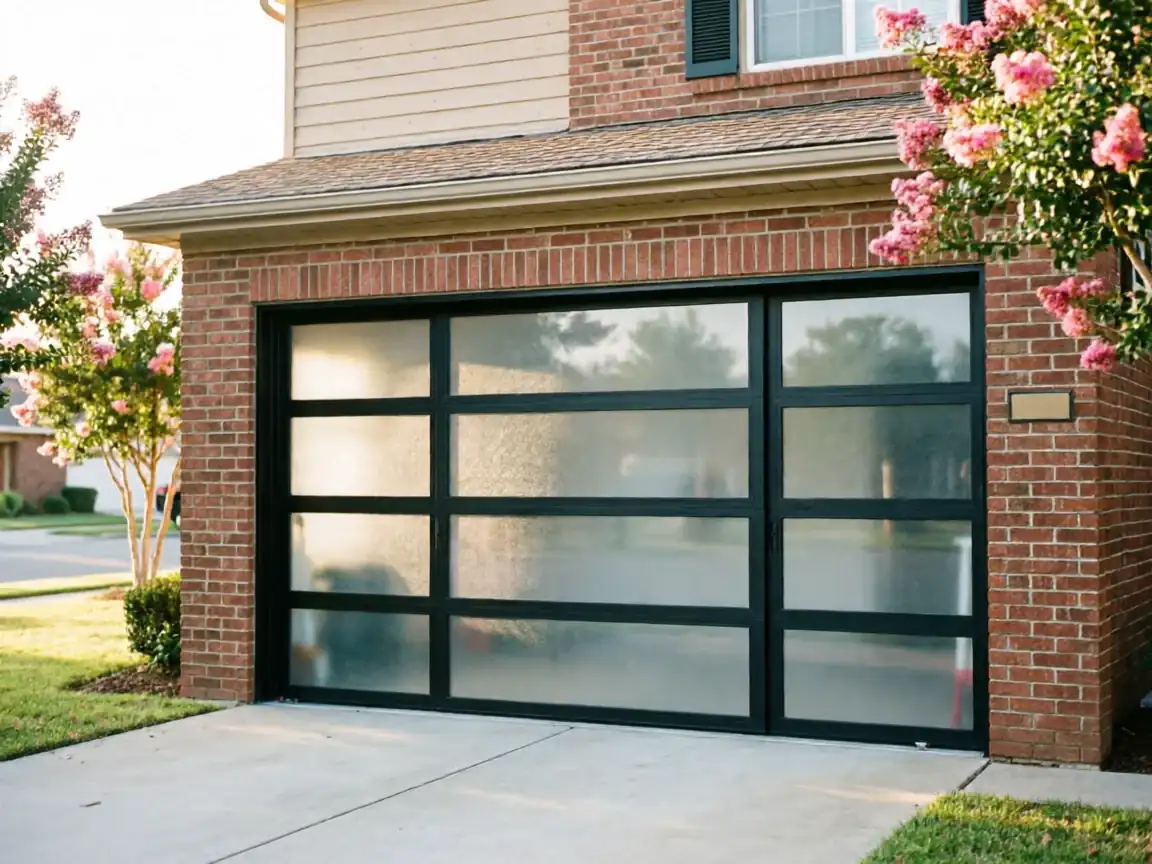
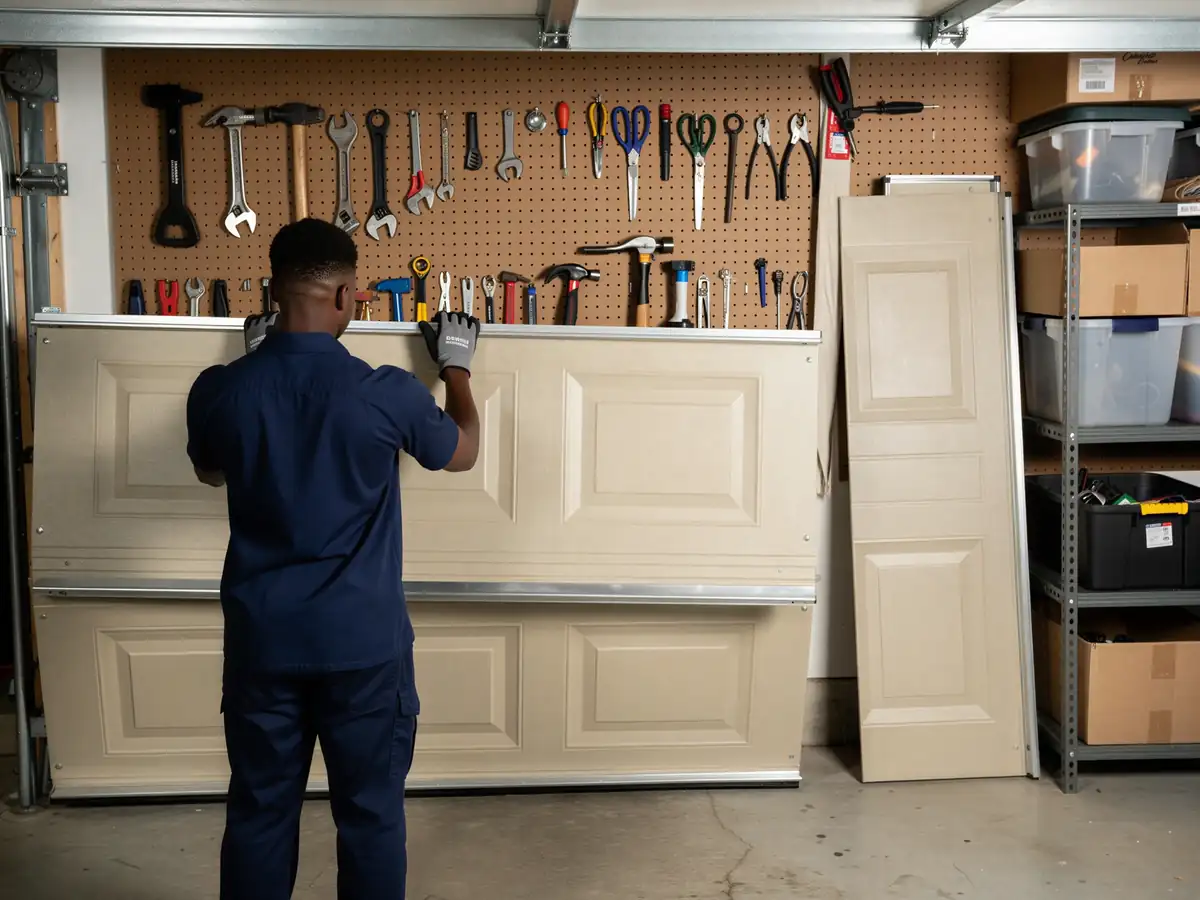
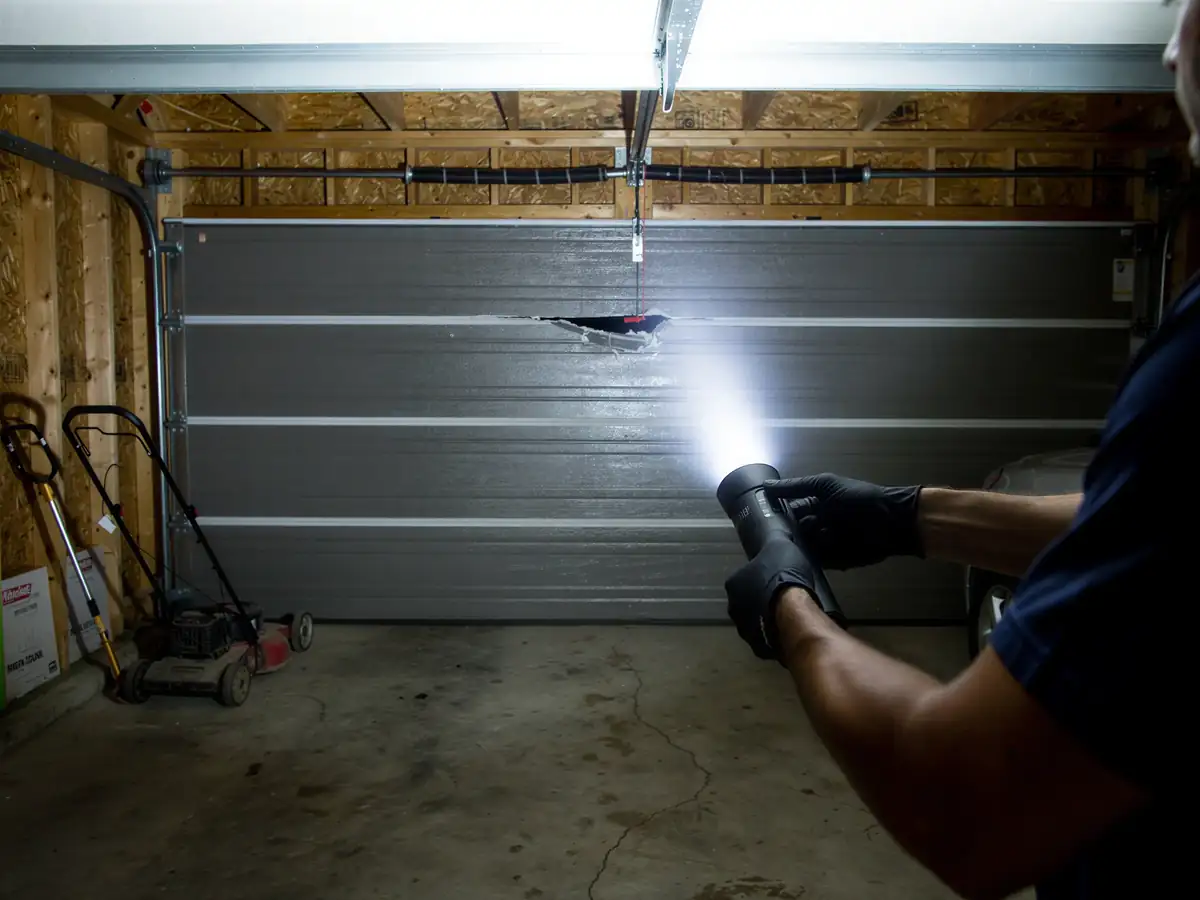
On the newer steel doors common in Midlothian, panel and track damage is usually isolated to one section, since insulated steel holds its shape better than older single-layer doors. We carry common opener parts and standard torsion springs on the truck, but a specific circuit board for a less common opener brand can be a special order - we'll tell you straight if that's the case rather than guessing at a fix that won't hold.
What You Pay
We don't have a fixed number to quote you here, and anyone who gives you one over the phone without seeing the door is guessing. What we can tell you is that Midlothian's median household income runs well above the service area's overall figure of $77,161, and we've found that newer opener and sensor repairs here tend to be quicker labor than the spring and hardware replacements more common on older housing stock closer to Cedar Hill. Parts cost is the bigger swing factor - a sensor realignment costs you almost nothing, a full opener logic board replacement costs more, and we'll give you the number before we start, not after.
The Symptom
The call we hear most from Midlothian is some version of: the door reverses before it touches the floor, or it won't respond to the remote but the wall button still works, or the opener motor runs but the door doesn't move. All three point away from spring and cable problems and toward the opener and its sensors - consistent with a newer door built on 2000s-era hardware rather than the older torsion setups more common elsewhere in our coverage. A door that simply won't budge at all, with the motor silent, is more often a tripped breaker or a disconnected trolley than anything structural.
What Causes It Around Here
Heat is the backdrop, not the headline - the climate here runs moderate on the heat scale we track, so it's not the extreme swings that crack hardware the way they might further south or west. The bigger factor is simply the age of the build. Homes going up around 2006 came standard with photo-eye sensors and keypad-capable openers, and fifteen-plus years in, those are exactly the parts starting to fail: dirty or knocked-out-of-alignment sensor eyes, aging circuit boards, and belt drives that stretch and need tensioning. It's wear on electronics and consumer-grade hardware, not the spring-and-cable fatigue you'd expect on an older door that's been cycling on the same torsion spring since the Reagan administration.