What Can Go Wrong
Midlothian has around 12,140 households, and that size matters for what kind of calls come in
It's not a huge town, but it's not a handful of streets either - enough houses that the opener and track problems we see repeat in patterns.
- 12,140 households
The bigger factor is age
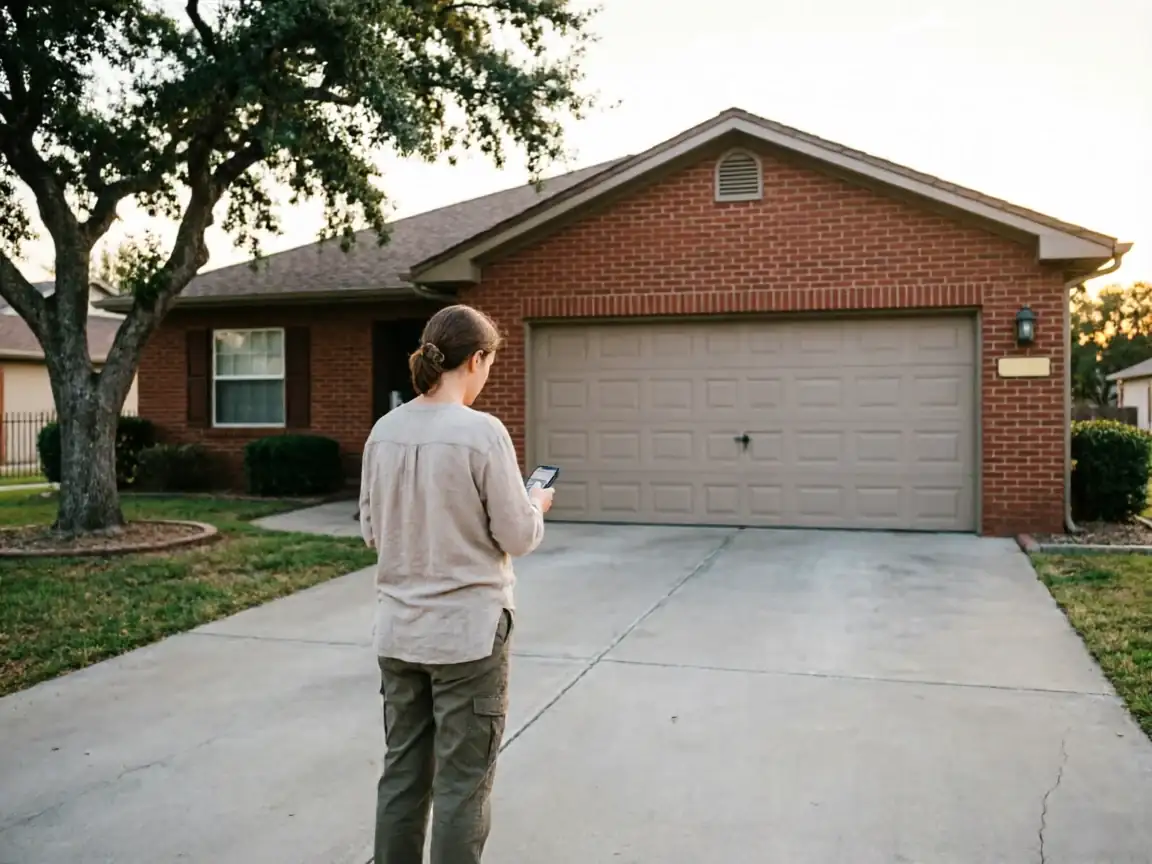
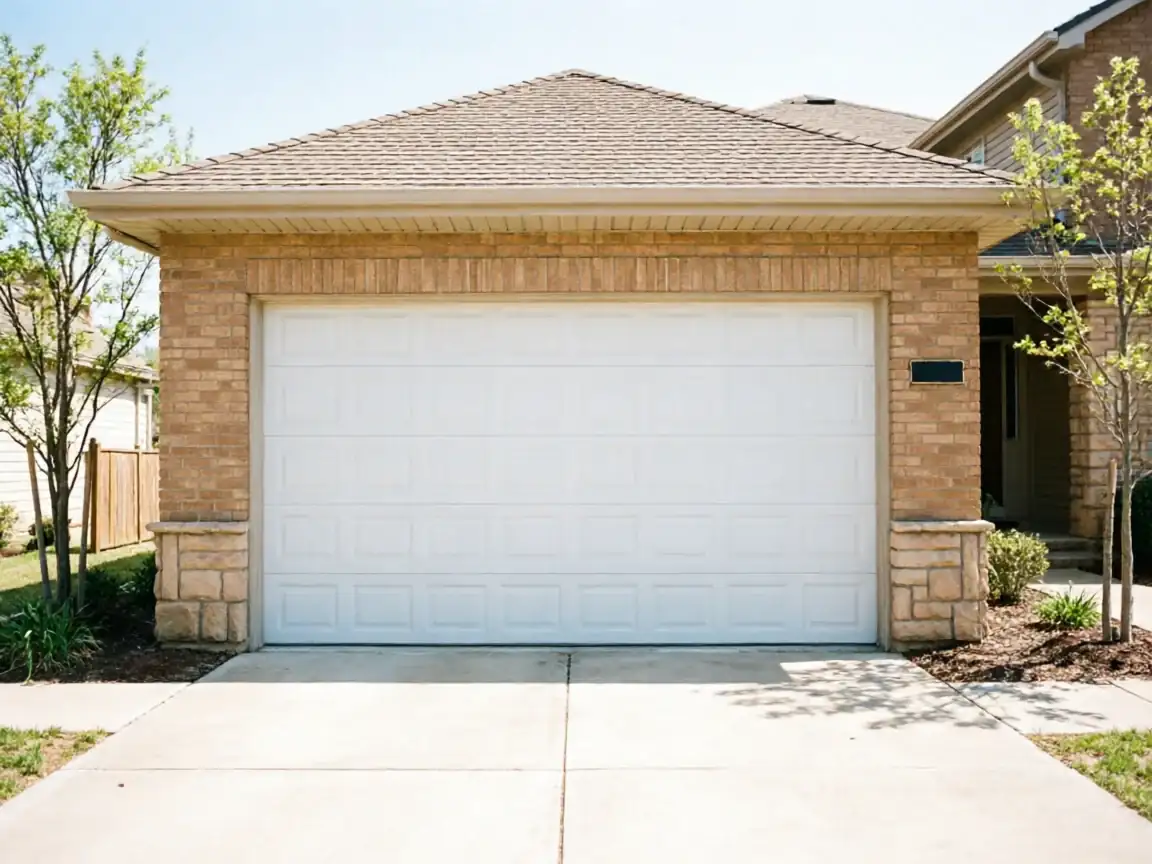
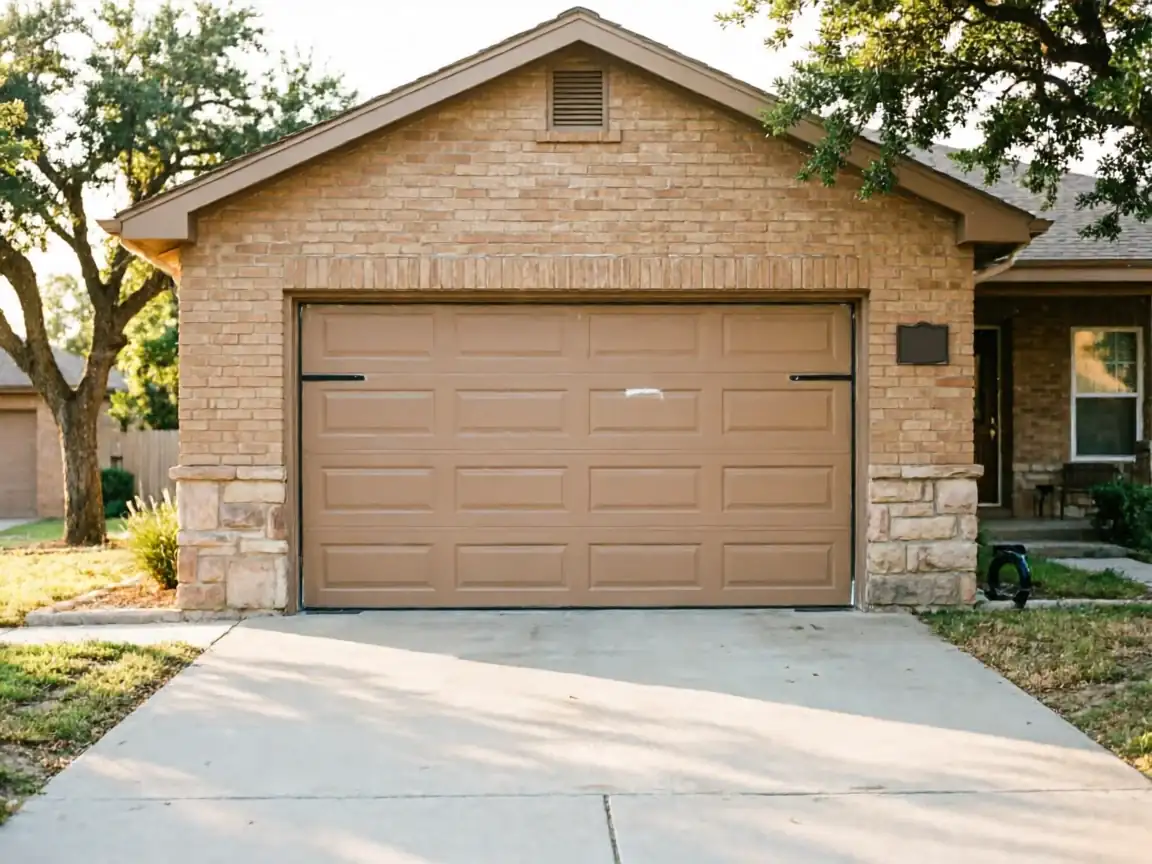
Midlothian's housing stock centers on a median build year of 2006, a good fifteen years newer than the service area's overall median of 1991. That changes what breaks. A 2006-era garage usually came with a belt or chain-drive opener with a circuit board, a photo-eye safety sensor pair, and a steel door on extension or torsion springs sized for a taller, wider opening than what you'd find on an older build.
So instead of the rusted-out torsion springs and brittle steel we deal with on older housing stock
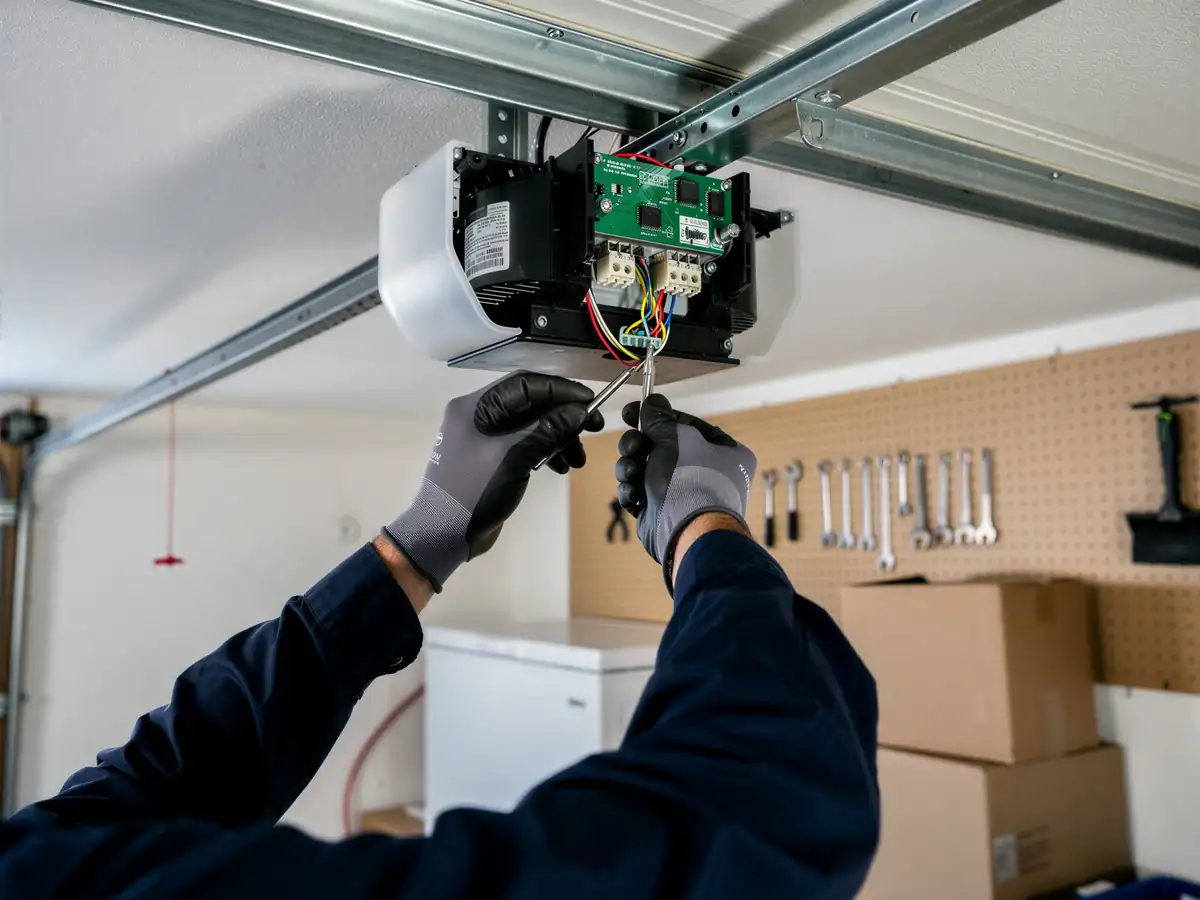
Midlothian jobs skew toward opener logic boards that've given out, belt drives that've stretched and started skipping teeth, and sensors knocked out of alignment by a bump from a bike or a ladder. Springs still fail here - nothing lasts forever - but they're usually failing from fatigue and cycle count, not age and corrosion.
How We Fix It
We drive out the 8 miles from Cedar Hill with a truck stocked for what actually breaks on 2000s-and-newer construction: belt-drive opener parts, circuit boards for the common consumer brands, photo-eye sensor pairs, and springs sized for taller openings rather than the shorter runs you'd see on older garages.
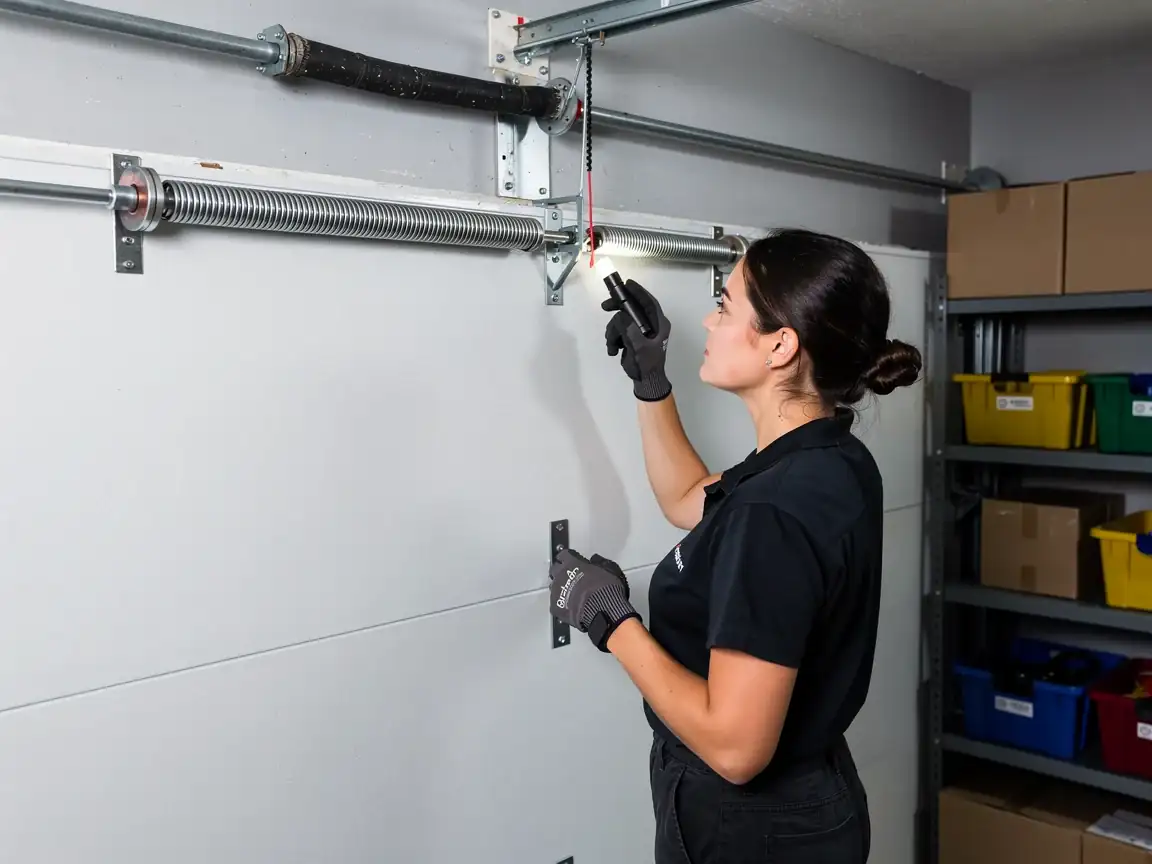
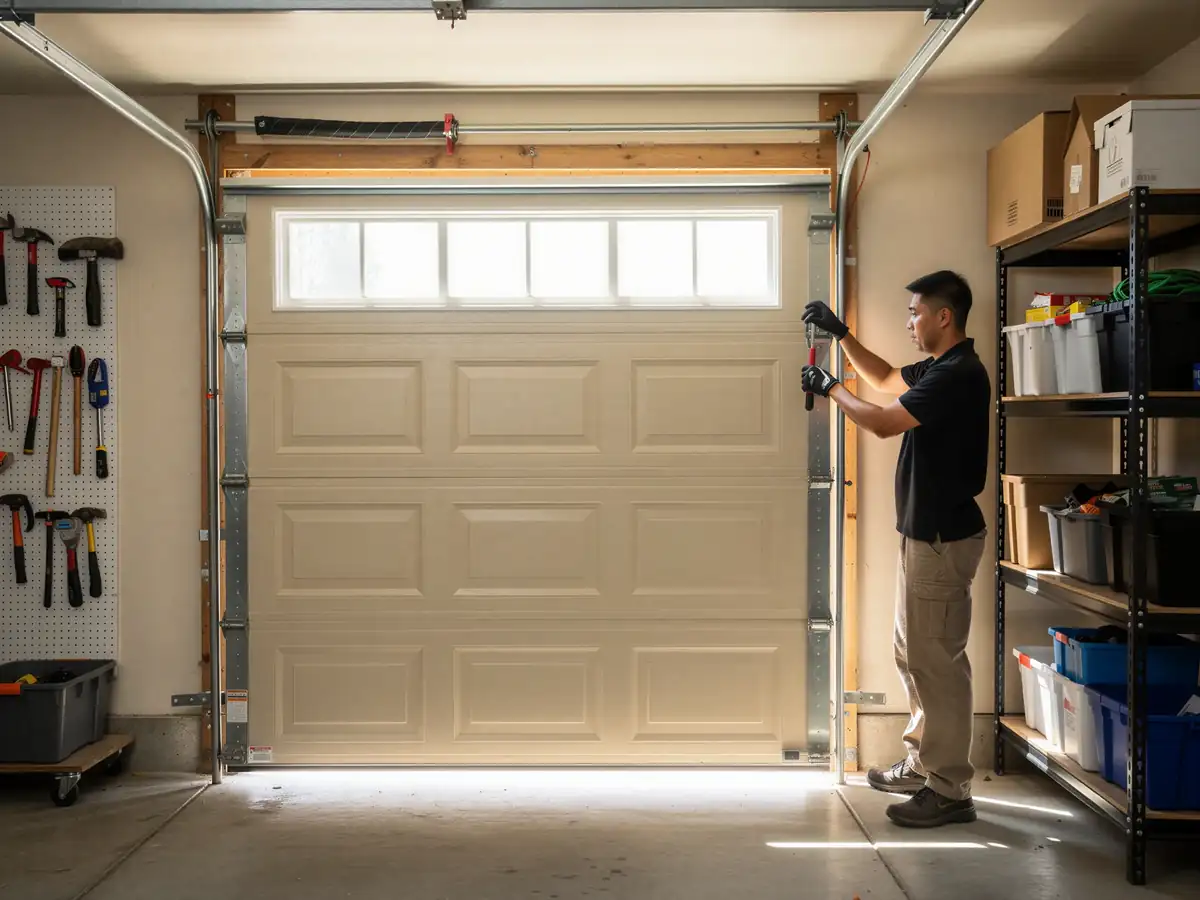
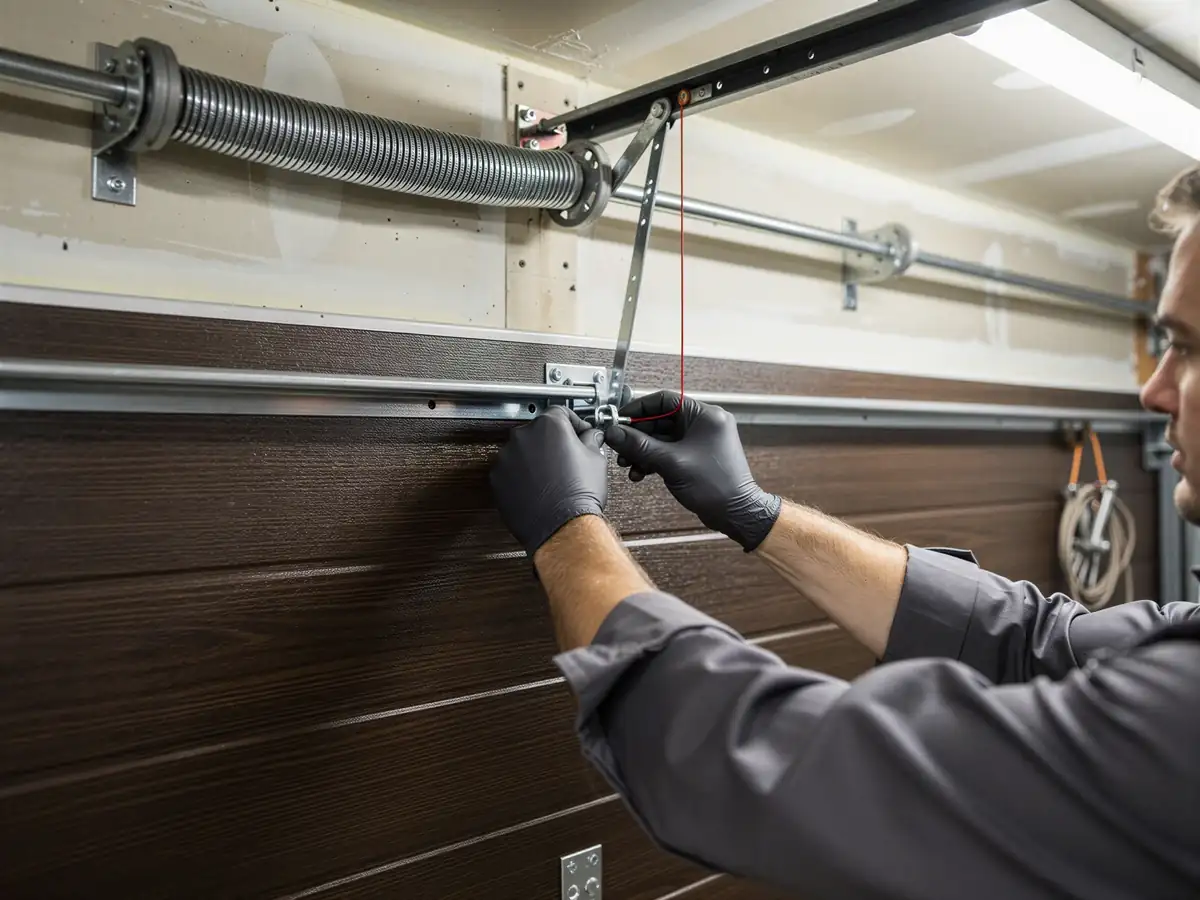
First call is always diagnosis - open the door manually, check the spring tension, run the opener through a cycle, check the sensor alignment with a level. Most Midlothian jobs we've worked turn out to be one of three things: a sensor that's drifted out of line, a worn drive belt, or a logic board that's stopped talking to the remote. Each of those gets fixed differently, and we tell you which one it is before we start charging for parts.
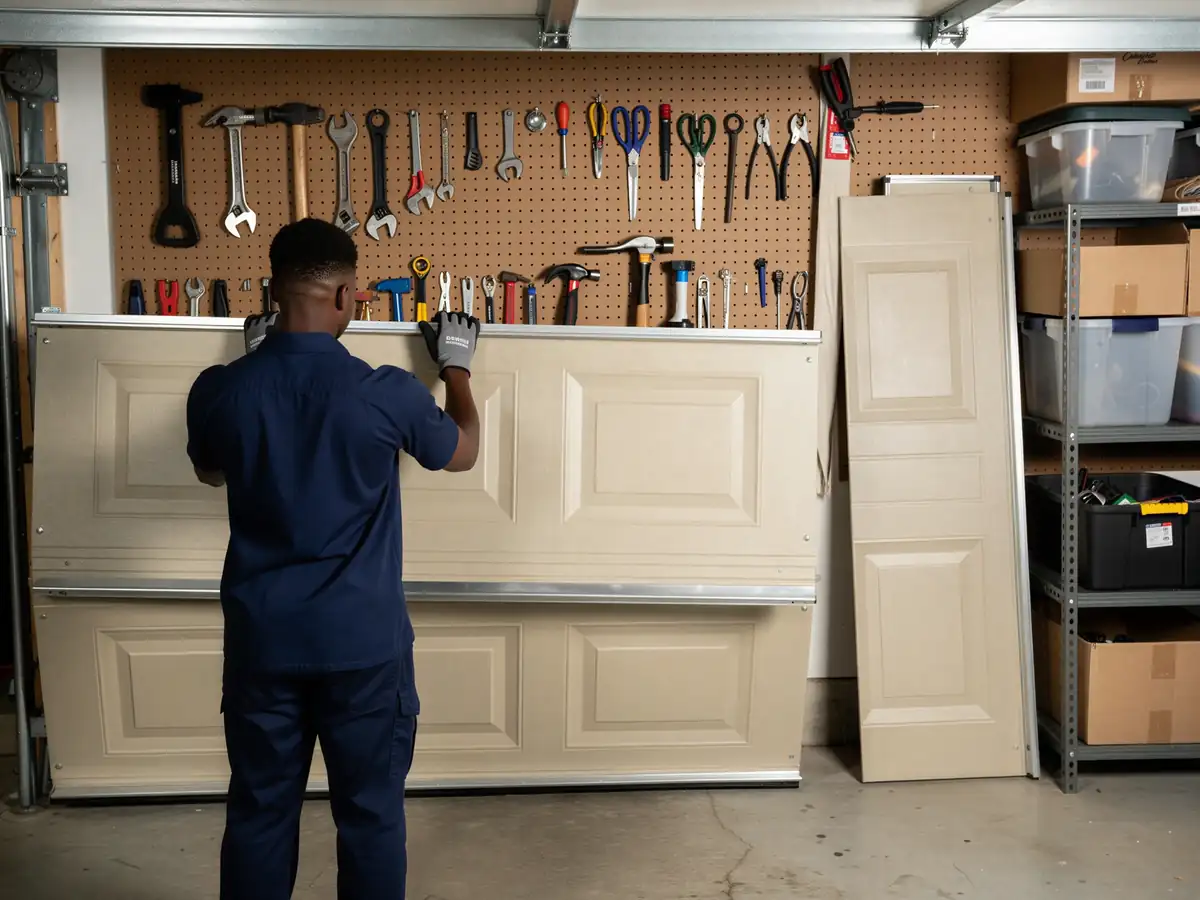
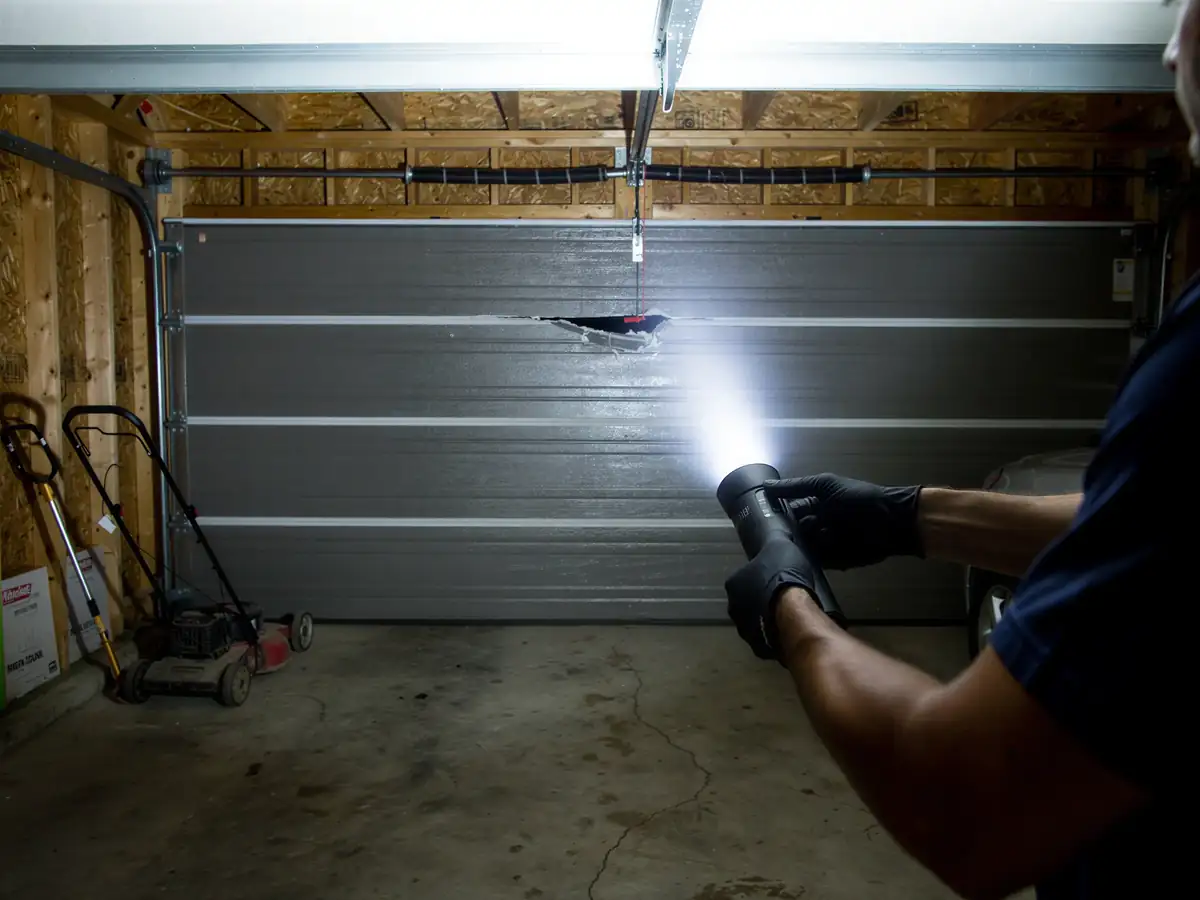
If it's something structural - a bent track, a cracked panel on an insulated door - that's a longer job, and we'll say so up front rather than try to patch it and have you calling again in a month.
What You Pay
We don't post a flat number here because what you pay depends on what's actually wrong, and that varies more in Midlothian than you'd think - a sensor realignment and a logic board swap are not the same bill, and neither is close to a full spring and cable job on a wider, taller door.
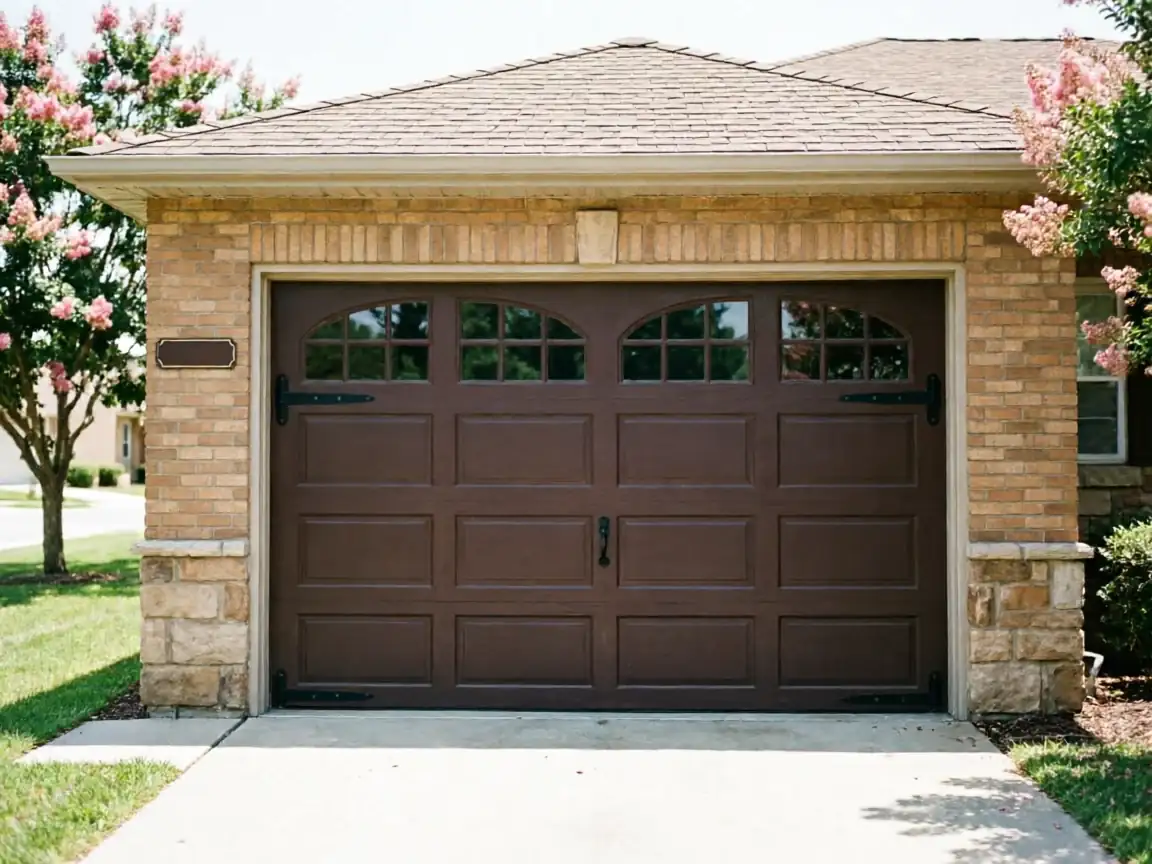
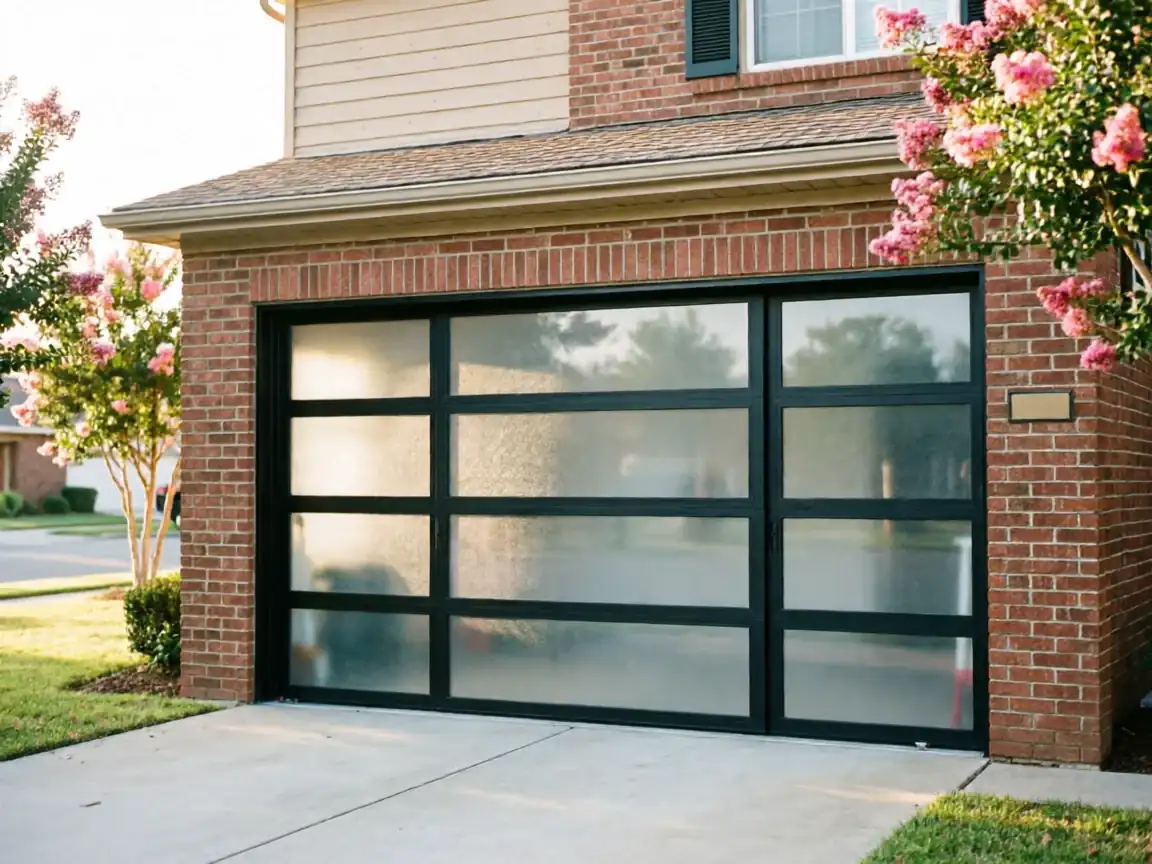
What we can tell you: Midlothian's median household income runs higher than the broader service area's $77,161 average, and that shows up in the doors themselves - more insulated steel, more battery-backup openers, more two-car doors with reinforced bottom panels. Those parts cost more than the basic single-layer doors common on older, lower-cost builds, and that's reflected in parts pricing, not in anything we add on for driving out from Cedar Hill.
We quote the repair after we've looked at the door, not before. If a part needs ordering because it's specific to a newer opener model, we tell you that cost before we order it.
How Long You Are Without the Door
Most of what we see in Midlothian
A misaligned sensor, a stretched belt, a dead remote - gets fixed in one visit if we're carrying the part on the truck, and we generally are, since belt-drive and board-based openers are what most of this housing stock runs.
Here's the honest limitation
If the fault turns out to be a board or a part specific to a less common opener brand, or an insulated panel that needs a special order, that's not a same-visit fix. We don't carry every manufacturer's proprietary board for every model year, and pretending otherwise just means a second trip and a frustrated homeowner. We'll tell you straight if we need to order something and roughly what that adds to the timeline.
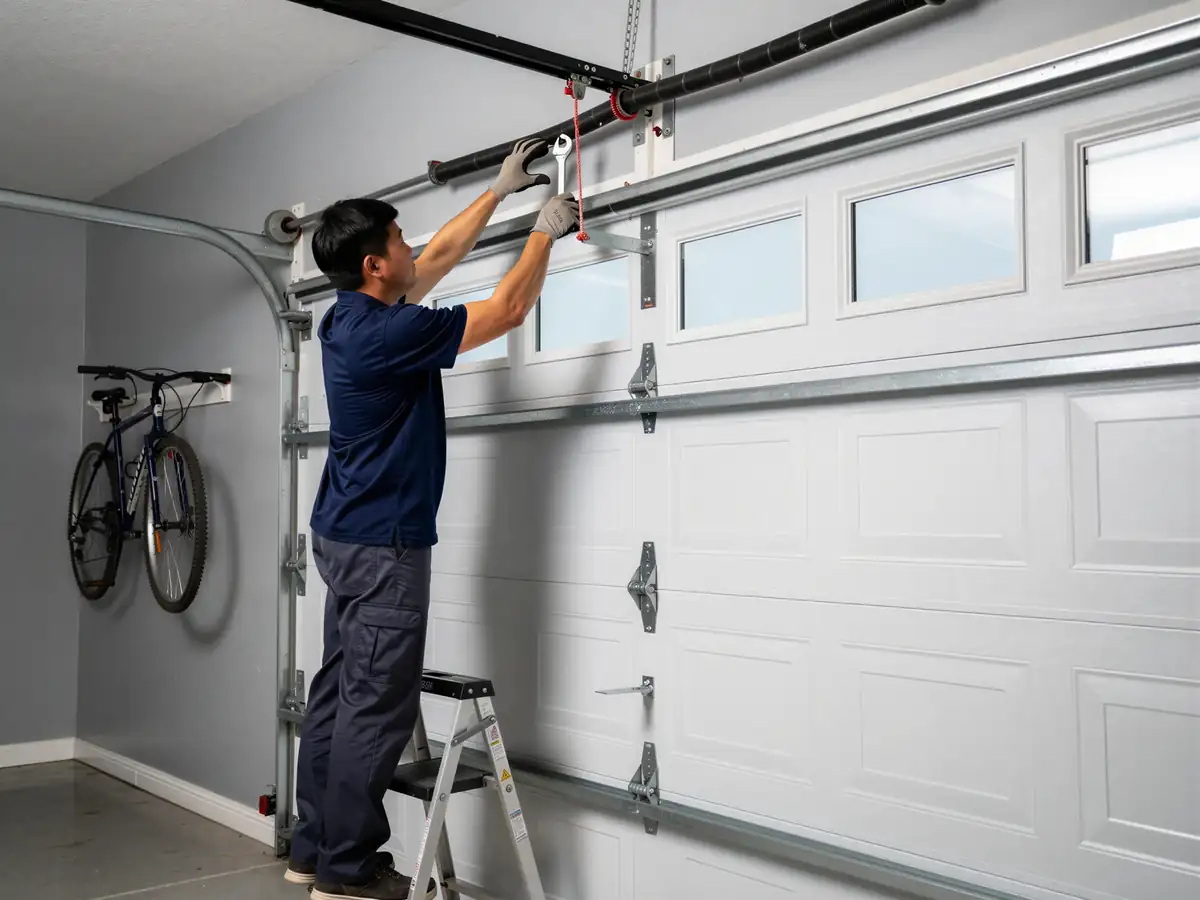
A straightforward spring replacement, even on the taller doors common here
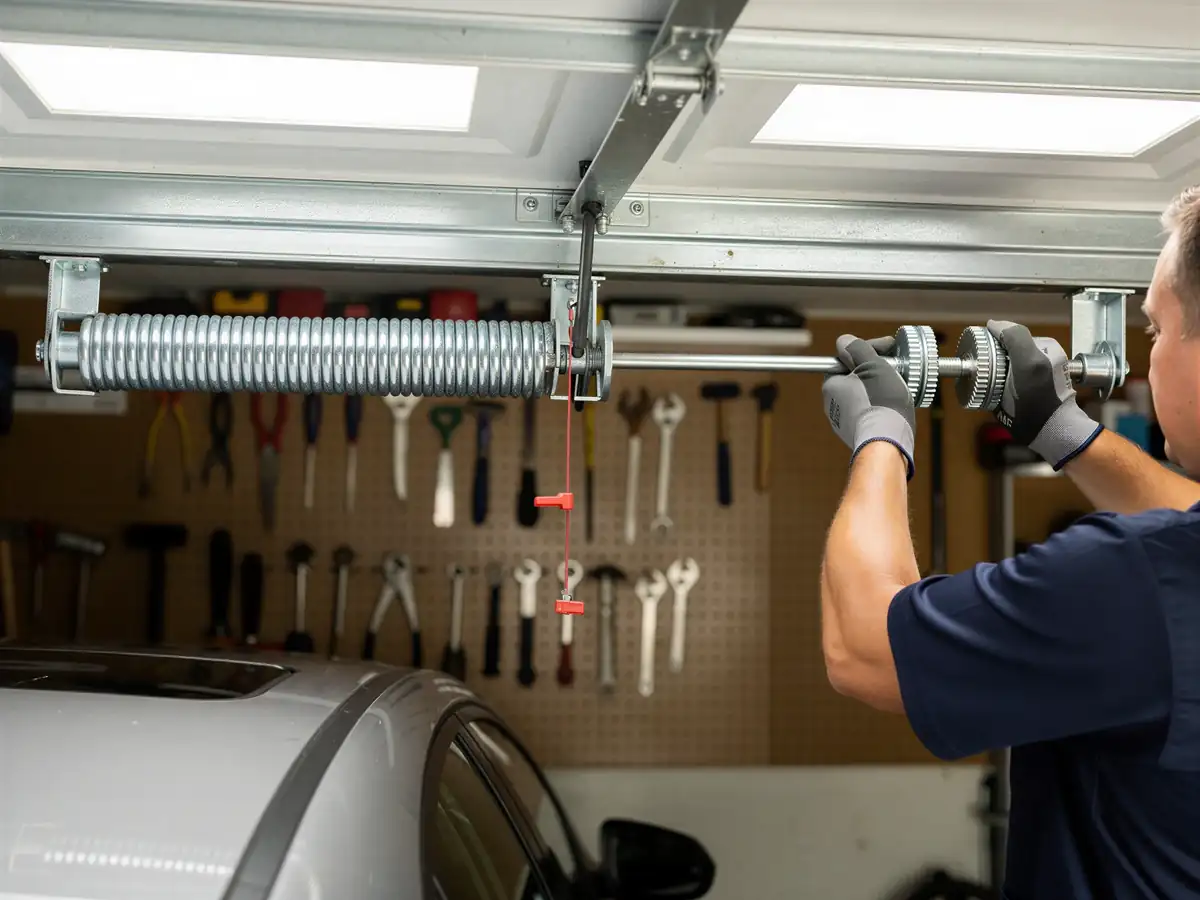
Is typically a same-visit job once we're on site - it's the electronics, not the springs, that occasionally require a return trip in this part of the service area.
The Symptom
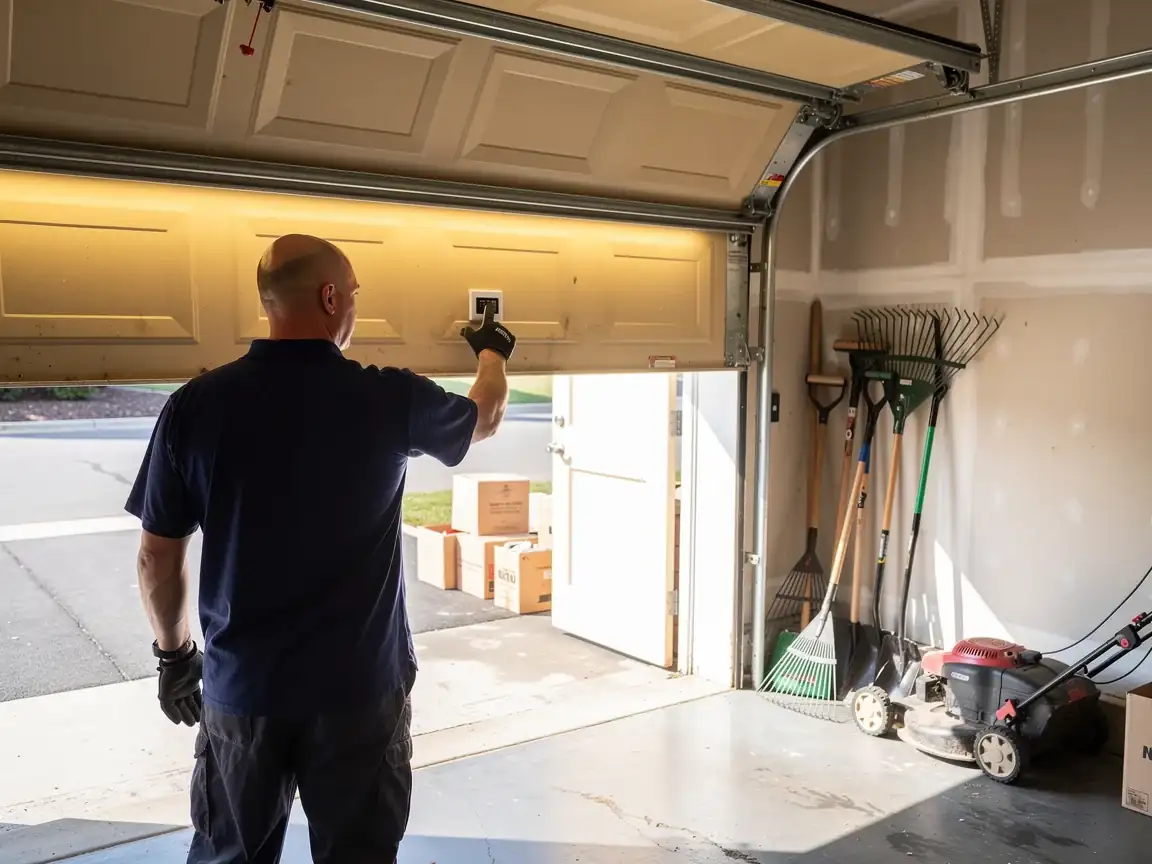
The complaint we hear most from Midlothian callers isn't "my spring snapped" - it's "the door won't close" or "it closes partway and reverses." That's the signature of a photo-eye sensor that's out of alignment, dirty, or wired loose, and it's common on newer installs because the sensors sit low near the floor where they get knocked.
The second most common complaint: the opener motor runs, you can hear it, but the door doesn't move, or moves then stops. That's usually a drive belt that's slipped off the track or stretched past its tension, not a dead motor - belt drives are standard on a lot of the openers installed in this housing stock since 2006, and belts wear even though they're quieter than chain drives.
A door that's fully unresponsive - no light, no sound - is more often a board or power issue than a mechanical one on a house this age.
What Causes It Around Here
The service area sits in a moderate heat climate band, and heat plays a different role on newer openers than it does on old spring-and-track hardware. Circuit boards and sensor electronics don't love long stretches of garage heat buildup, especially in an attached garage with no venting, and that's a factor in the board failures and sensor glitches we see on 2000s-and-newer builds more than on older torsion setups.
Belt-drive openers, which make up a good share of what's installed across Midlothian's newer housing stock, also degrade with heat cycling - the rubber compound stretches a little more each summer, and eventually it skips teeth on the drive gear or throws the door's travel limits off.
We don't have weather-event data specific to this town to point to beyond the regional heat band, so we won't invent storm damage or hail numbers we can't back up. What we can say is that consistent heat exposure, not age-related rust, is the more likely culprit on a garage built here in the last two decades.