How We Fix It
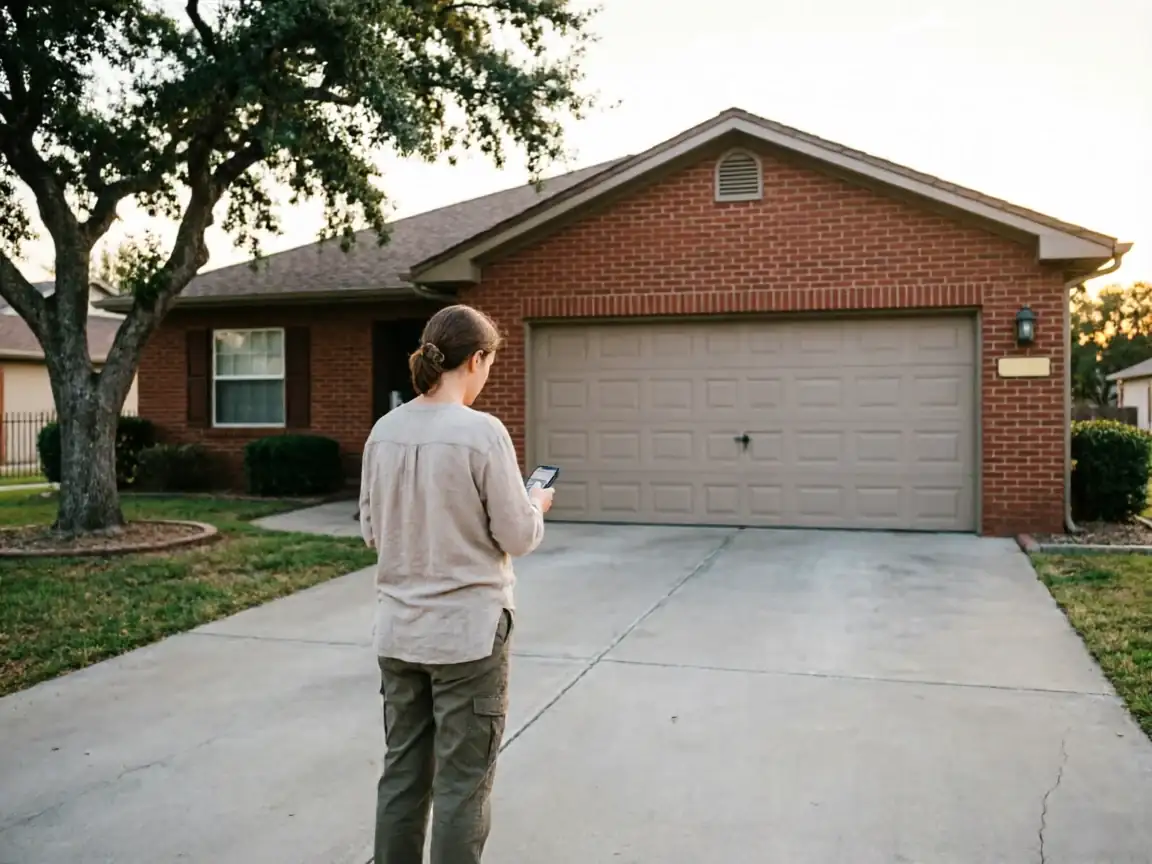
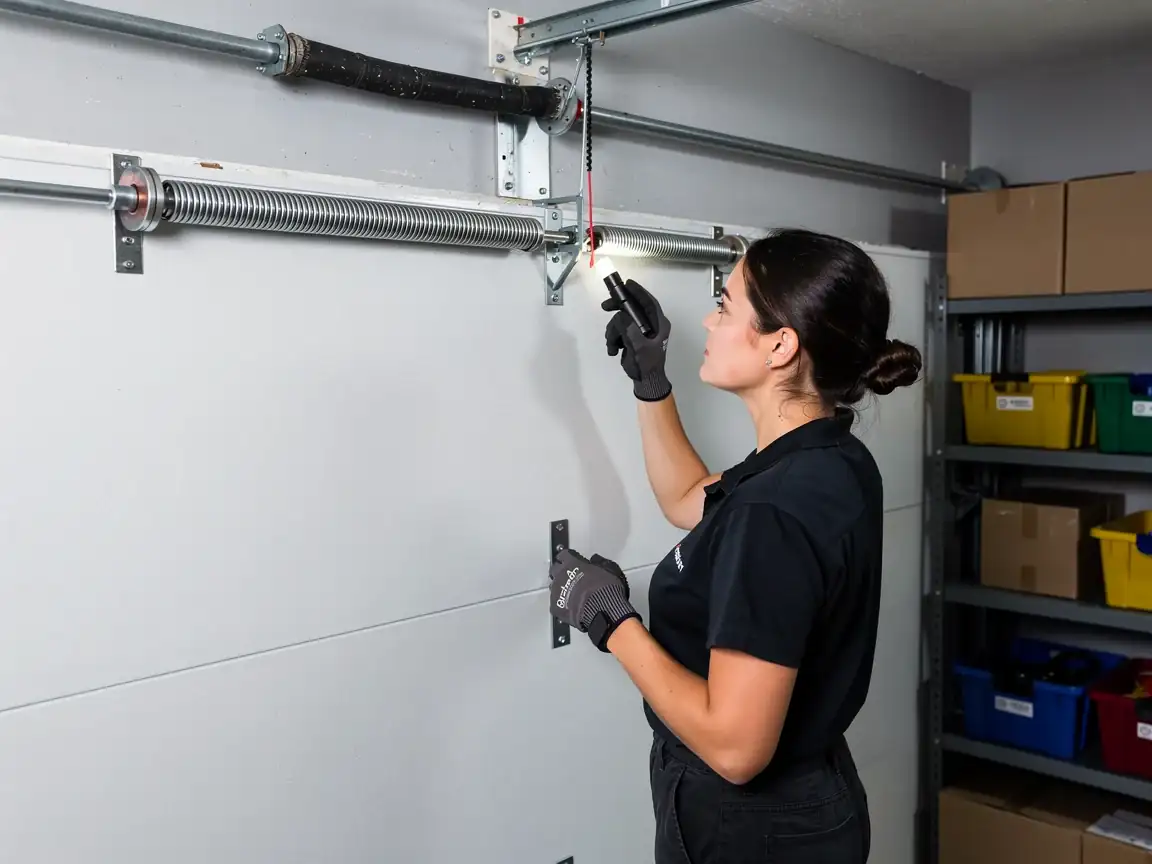
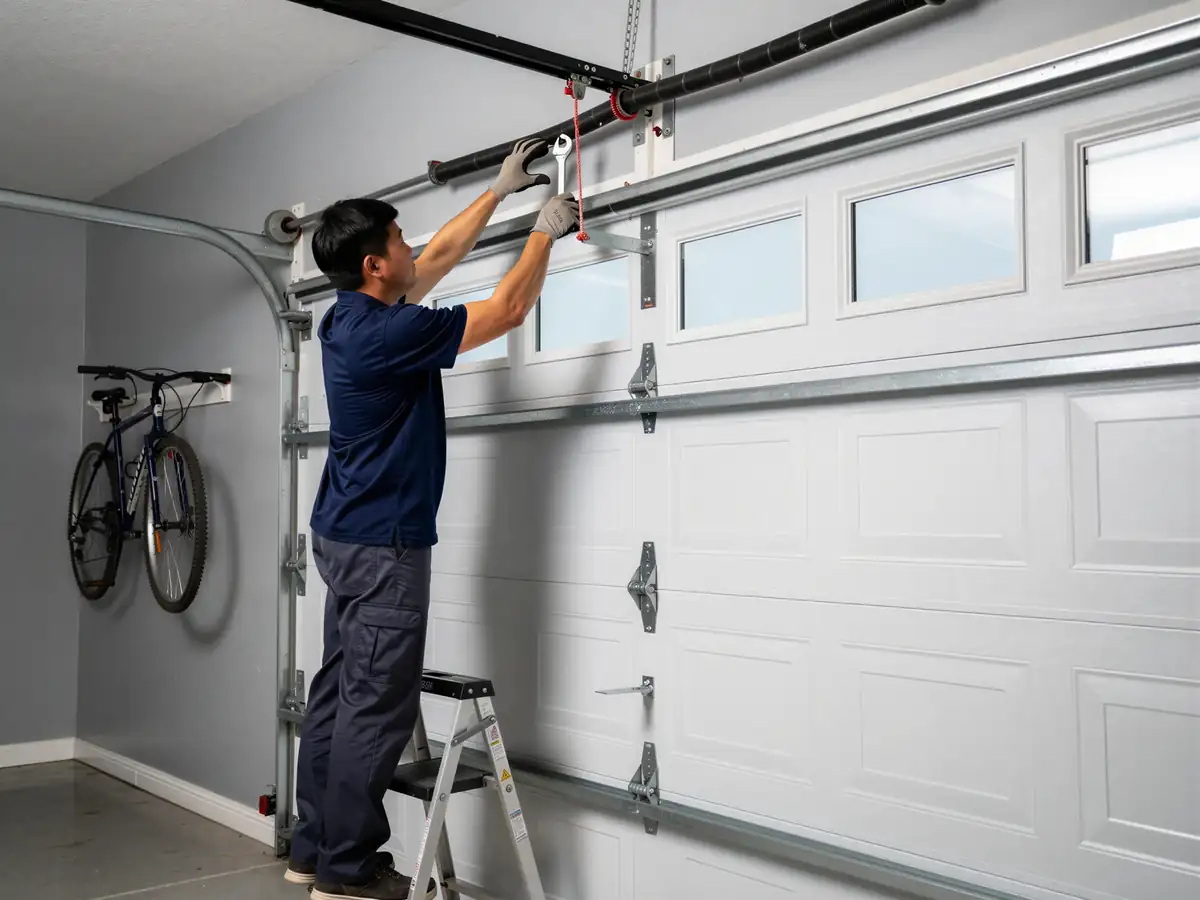
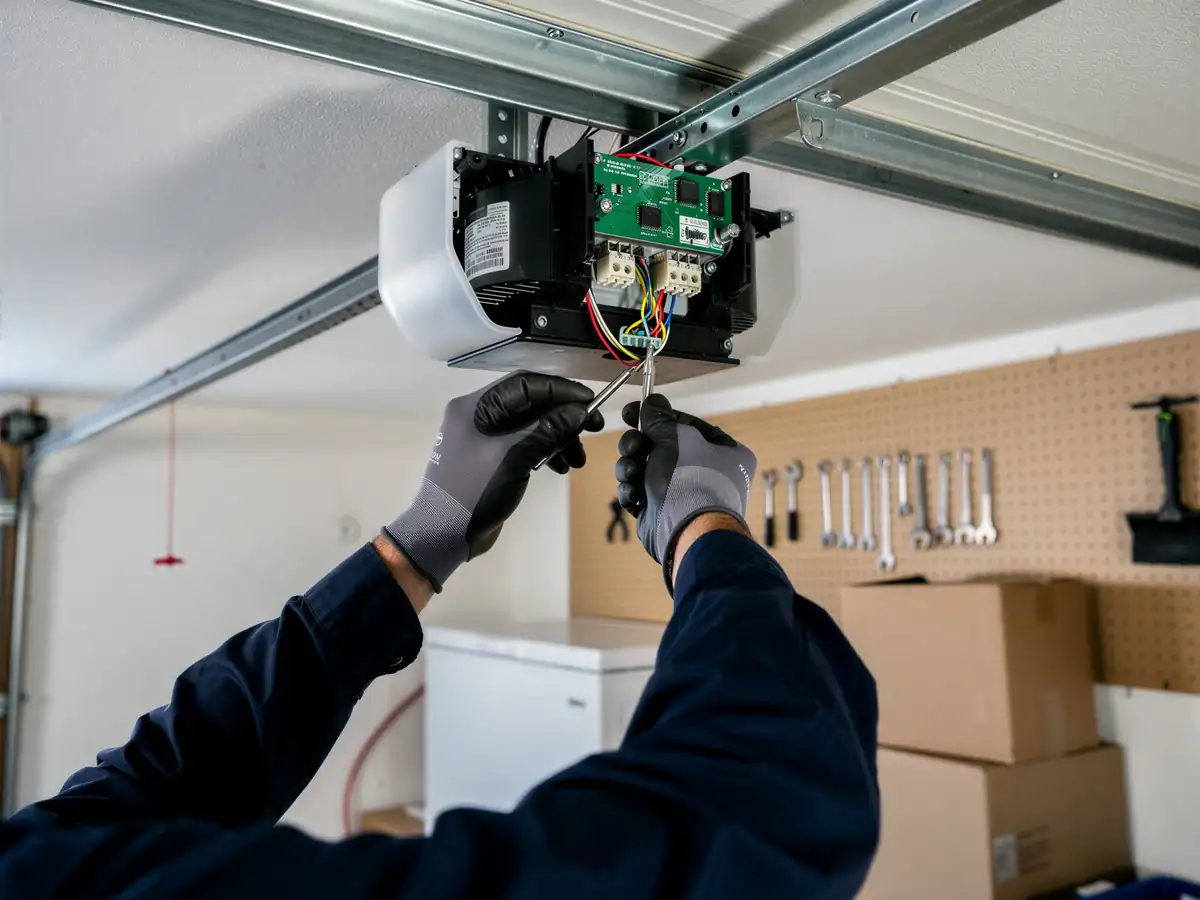
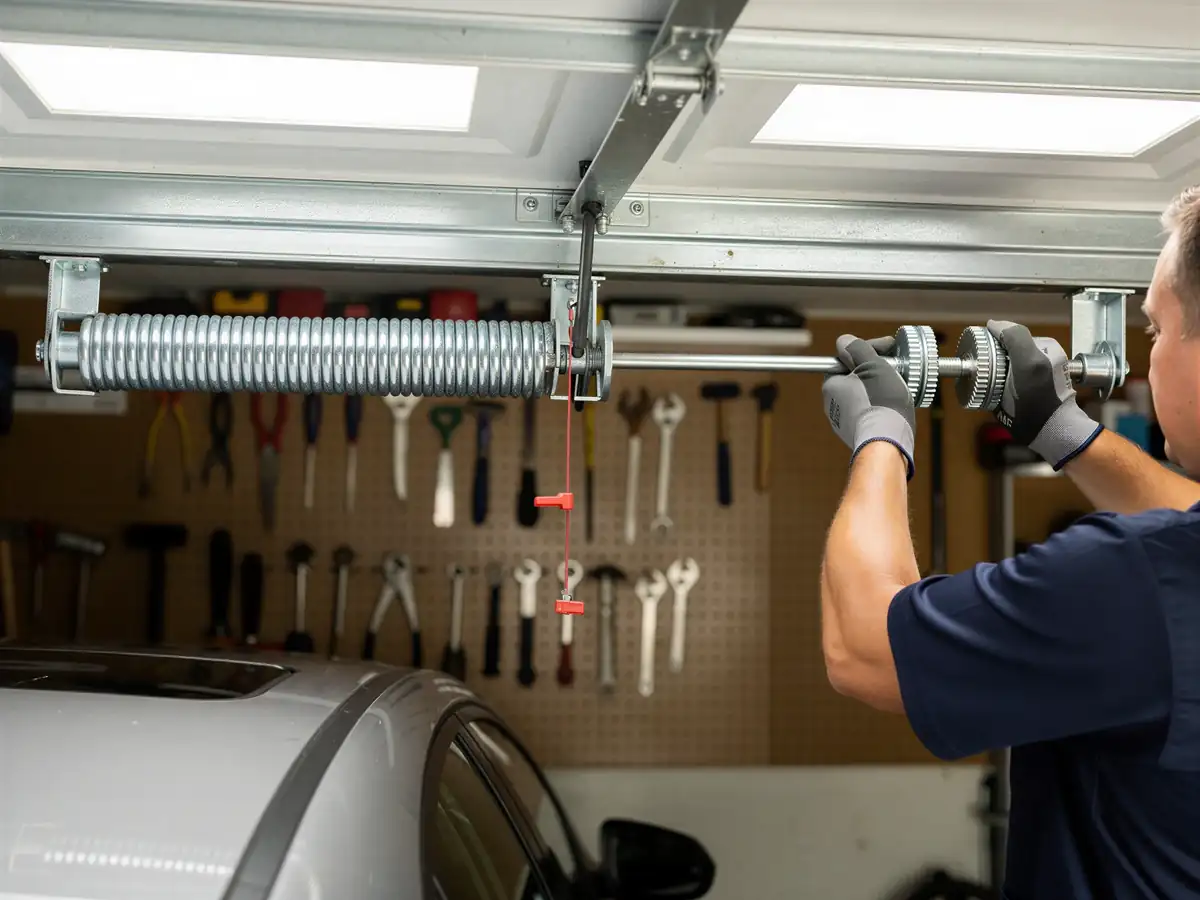
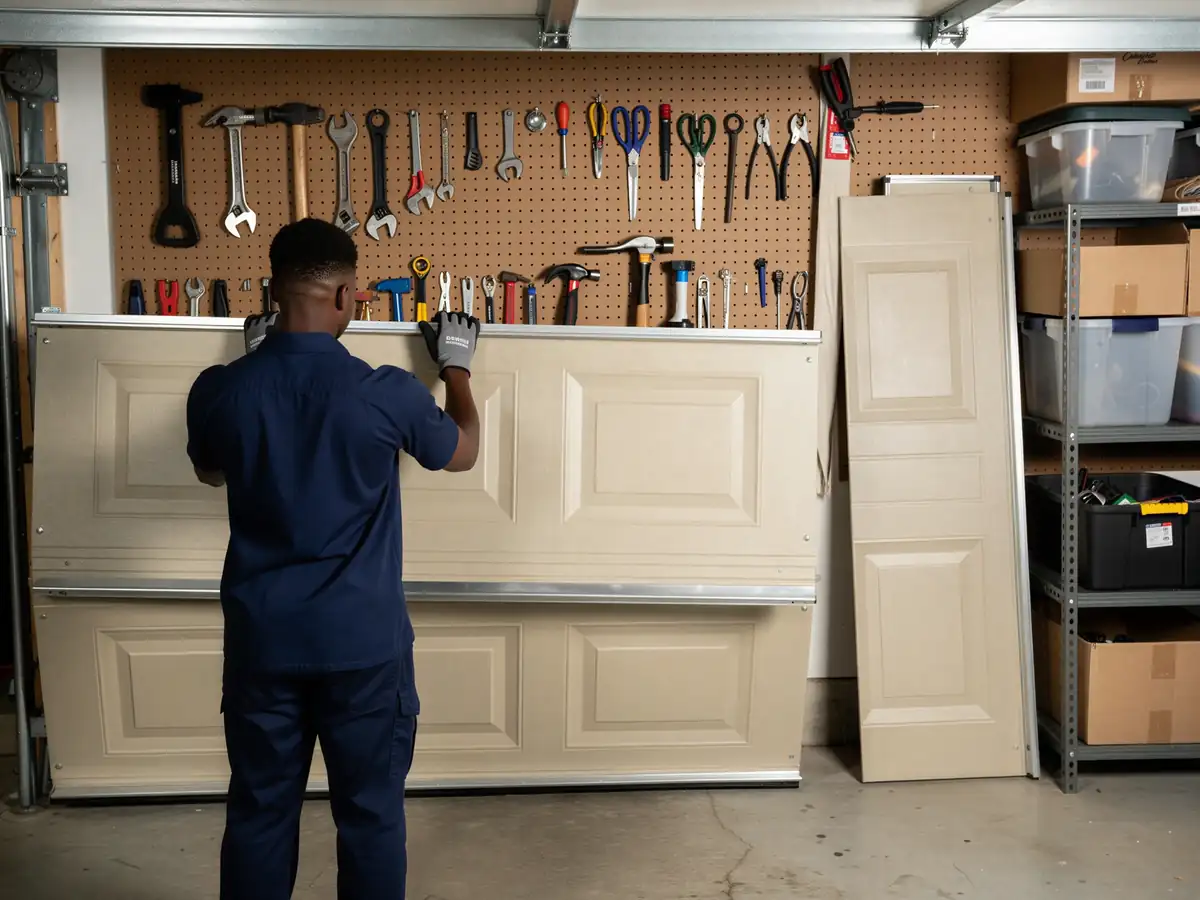
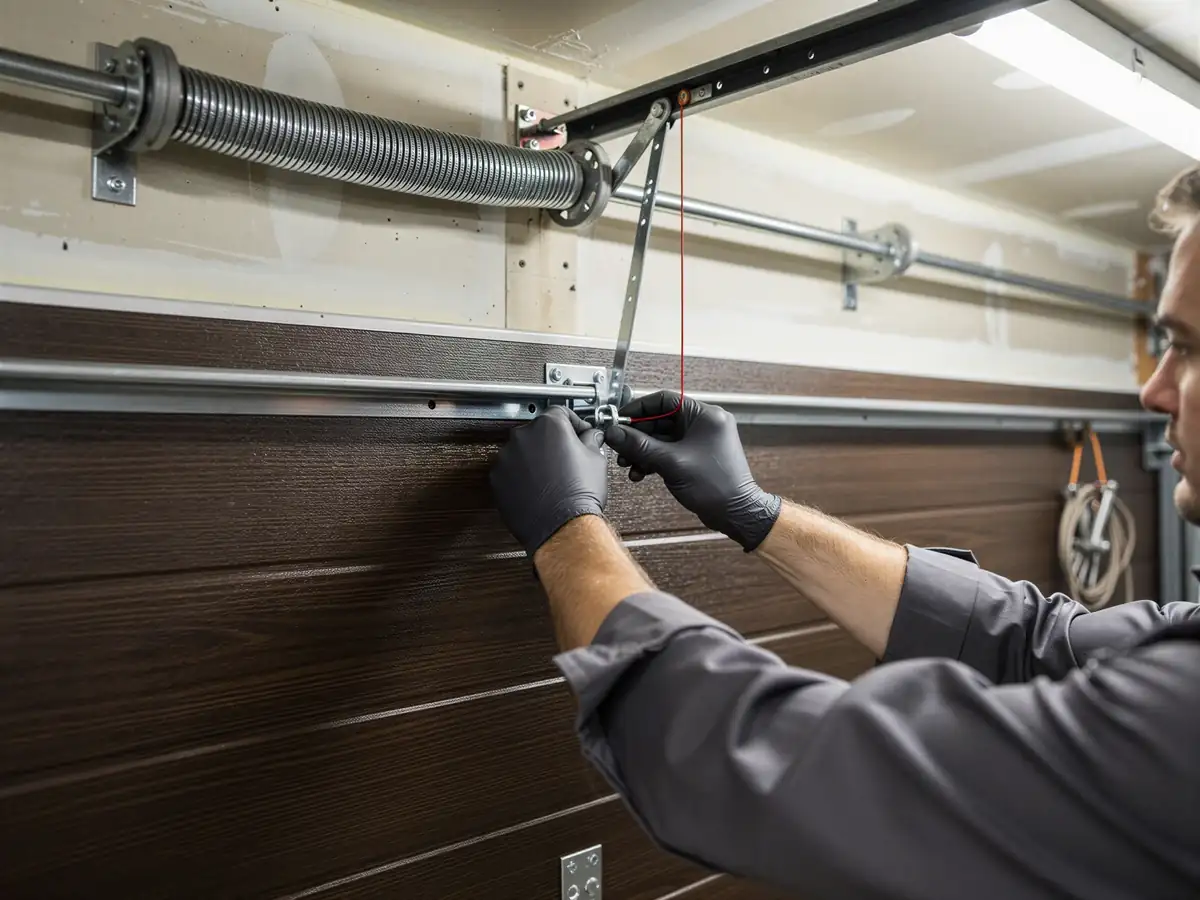
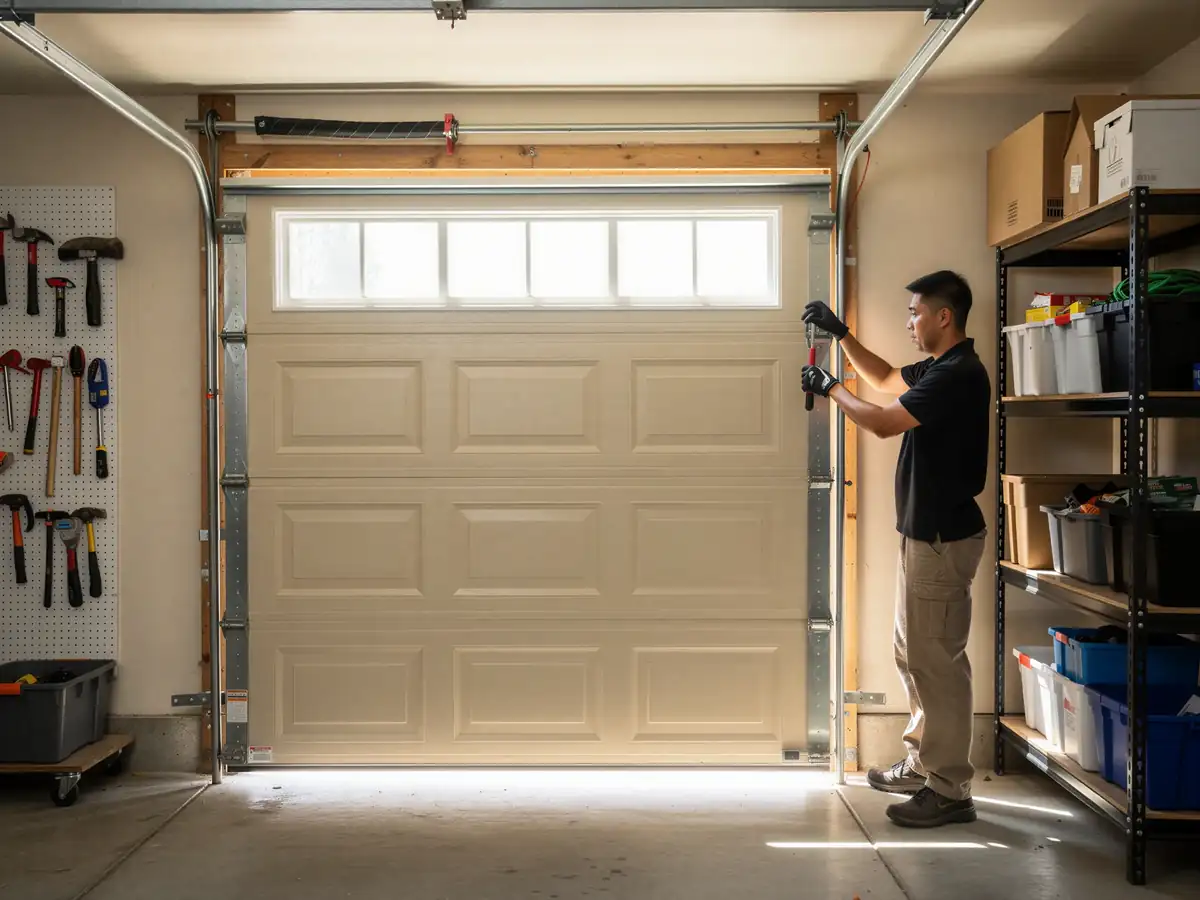
We come out from Cedar Hill, about 8 miles, to size the opening correctly rather than assume the original door's spring rating still applies. For a 2006-era house that means measuring the actual panel weight of the new door against torsion spring wind, not reusing what's hanging there now. Where the jamb bracket was set for a lighter builder door, we re-set or reinforce it before the new door goes up, instead of forcing a heavier panel onto hardware that wasn't rated for it. We also check the opener: a chain-drive unit sized for the original lightweight door often needs upgrading or at minimum a heavier-duty spring kit when the new door carries more weight. One limitation worth saying plainly - if the opening itself is out of square from original framing, that's a carpentry fix, not a door fix, and we'll tell you before we quote the install rather than after.
What You Pay
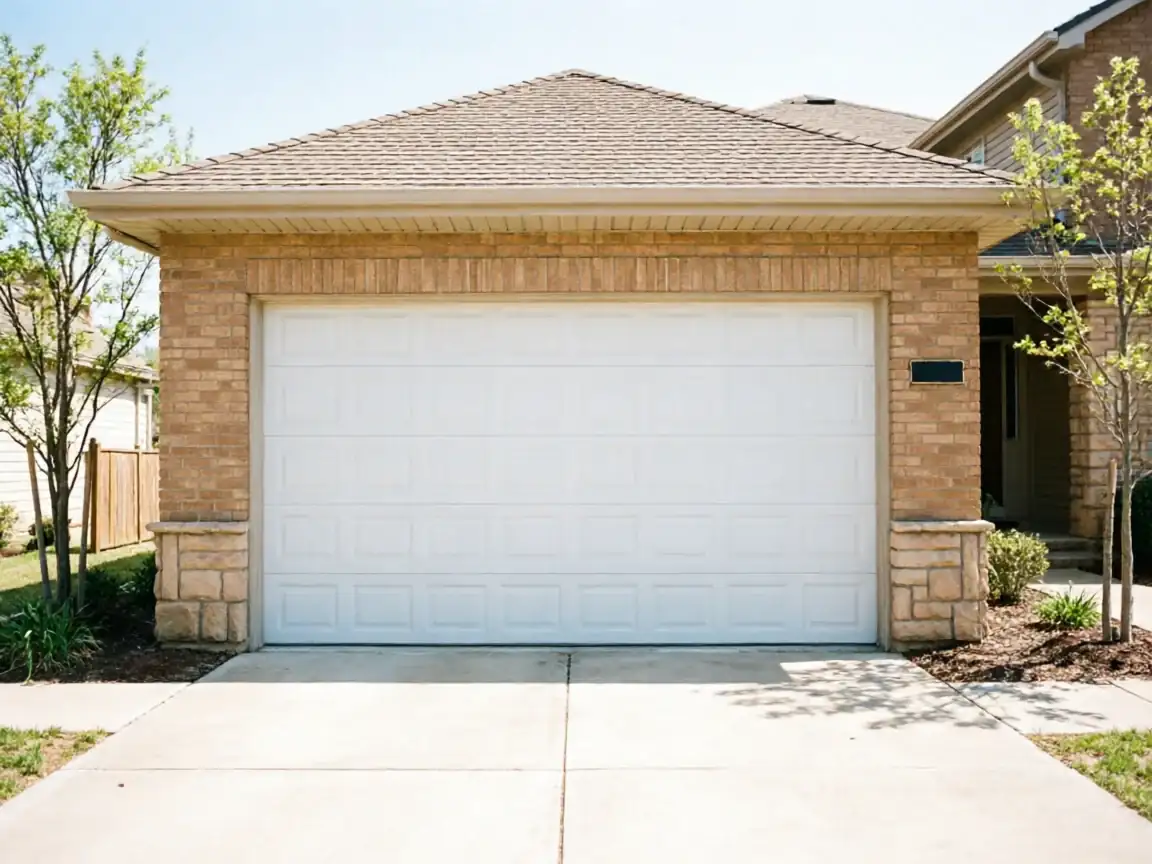
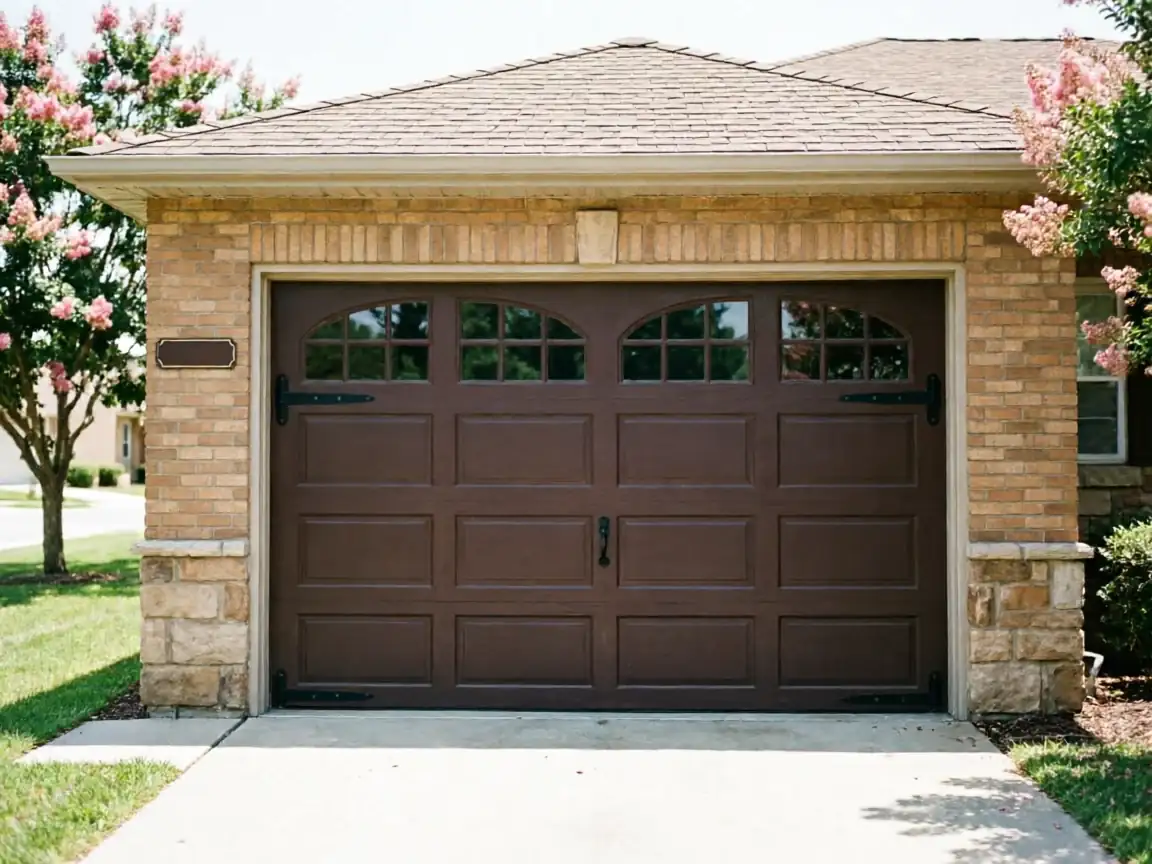
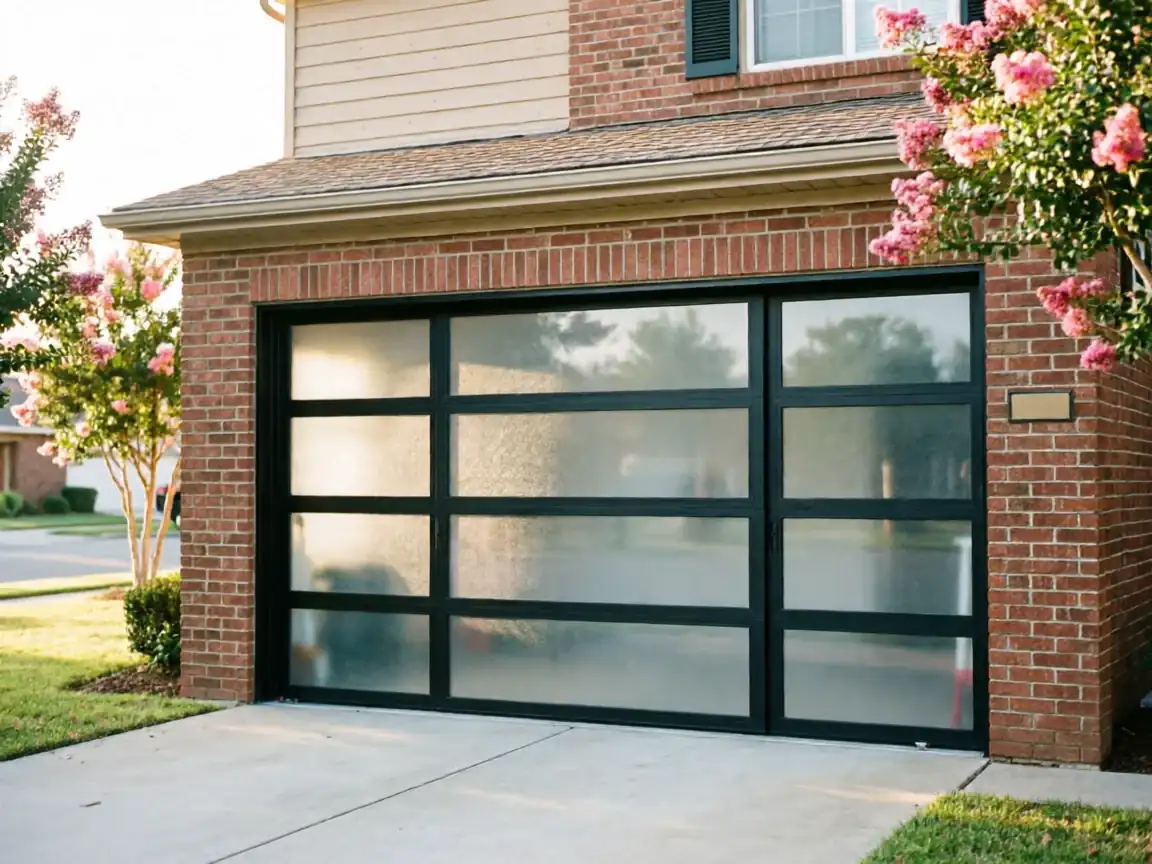
We don't have a posted price list to quote here, and giving you a number without seeing the opening would be guessing. What we can tell you is what moves the number in Midlothian specifically: median household income here runs $122,643, well above the $77,161 figure for the broader Cedar Hill service area, and it shows in the jobs - more requests for insulated, windowed double doors and fewer for the plain single-layer steel that's common in older parts of the territory. A heavier, insulated door costs more than a basic steel replacement, and if the spring or opener needs upgrading to carry it, that's added to the quote, not hidden in it. We price the actual job after a look at the opening and the door you want, not off a generic range that doesn't account for what's actually hanging on your house.
The Symptom
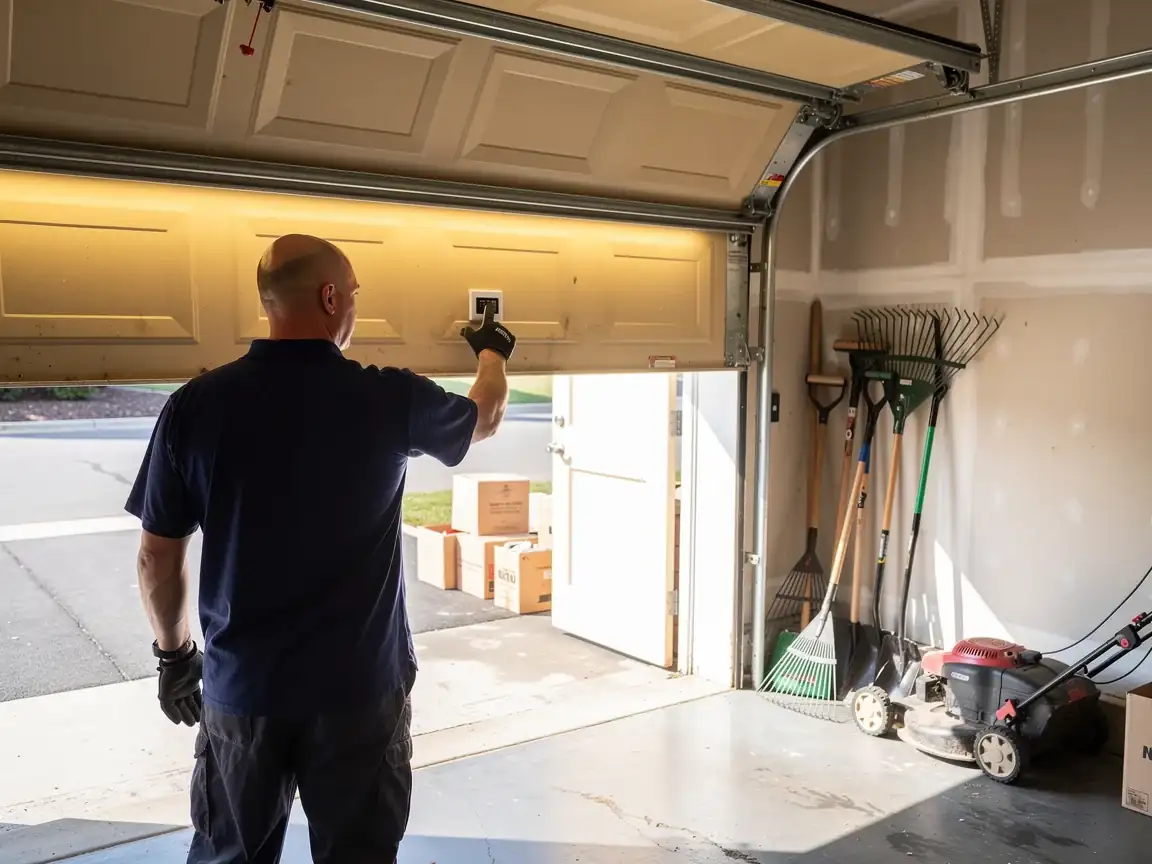
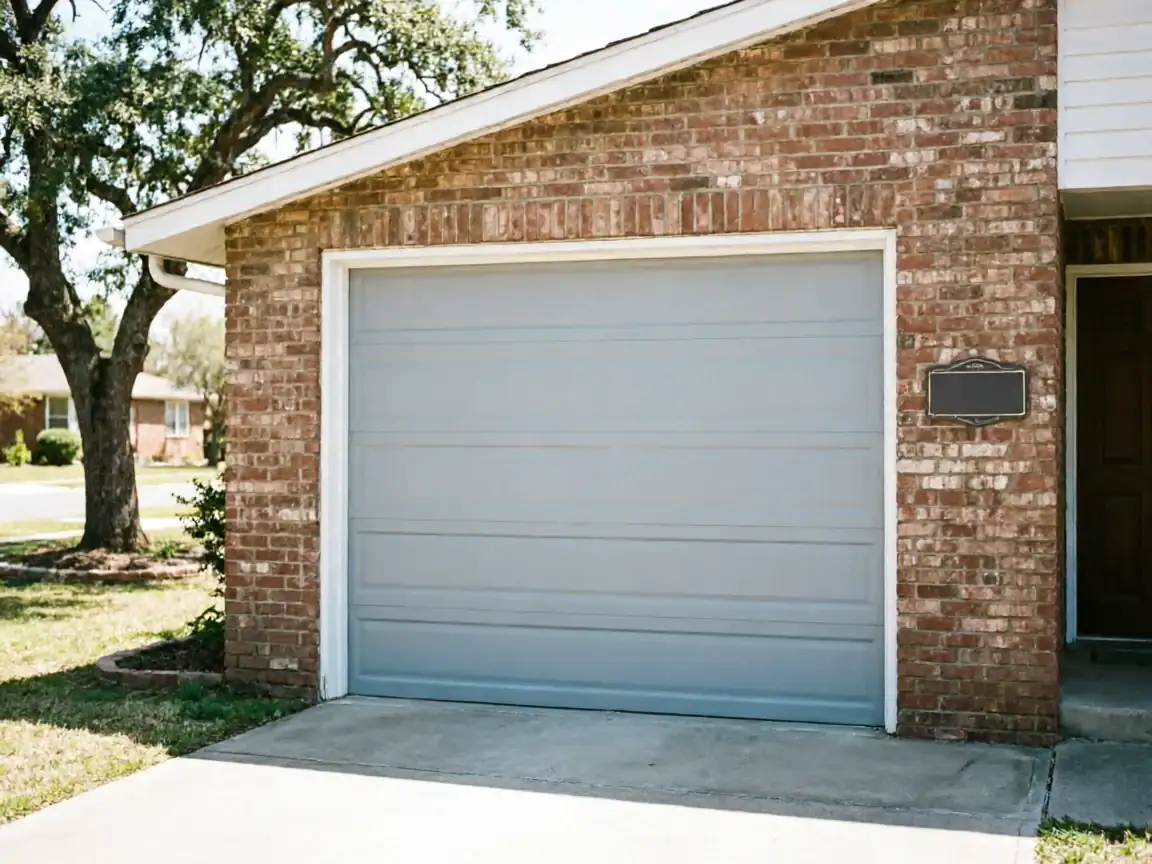
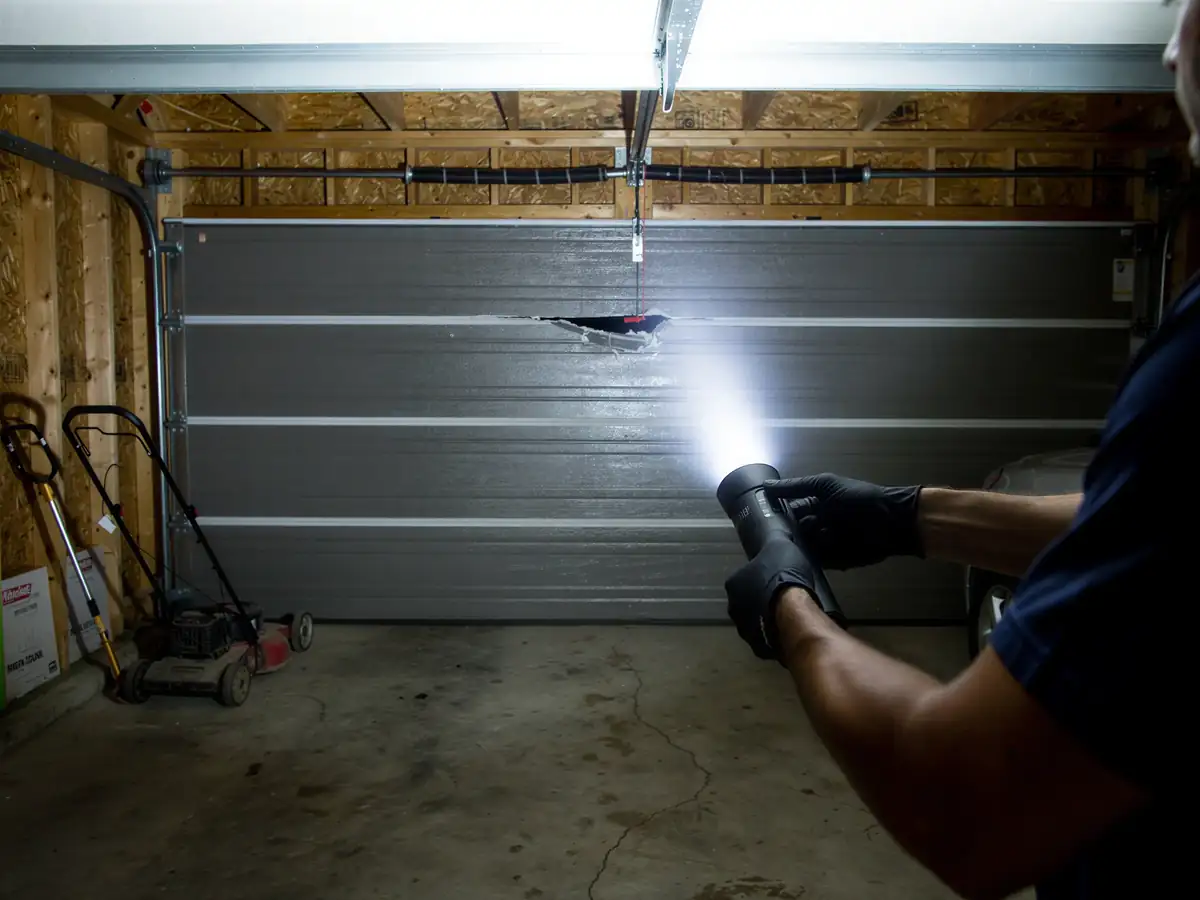
The call we get most from this part of town isn't a dead spring - it's a door that drops hard the last few inches, or an opener that groans and strains near the top of its cycle. Both point the same direction: a 2006-vintage builder door and spring combination that was fine for the original lightweight panel and is now being asked to lift something heavier, whether that's a prior owner's upgrade or just years of weather swelling the panel. Some owners also notice the opener chain skipping under load, which is the drive train telling you it's working harder than it was designed to. None of these are emergencies the day you notice them, but they get worse fast once the spring is consistently over its rated cycle, and a spring failure under load on a double door is not a job you want to be standing under.
What Causes It Around Here
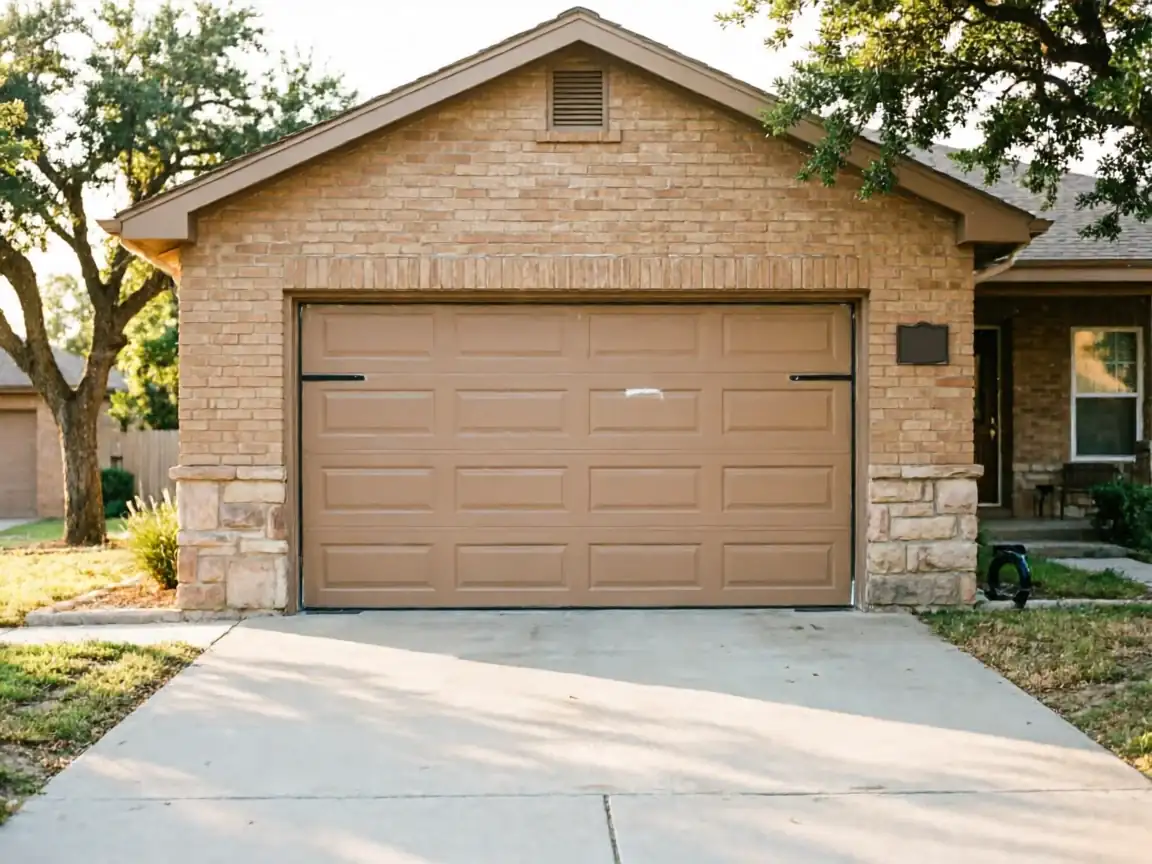
The underlying cause is the build era more than the weather. Midlothian's housing stock clustering around 2006 means a lot of doors and springs were matched to builder-grade, lightweight steel panels at the time of construction - fine for that door, undersized the moment a heavier or insulated replacement goes on without a corresponding spring upgrade. The region sits in a moderate heat climate band, which isn't the extreme that cracks panels outright, but repeated expansion and contraction over nearly two decades does loosen hardware and dry out seals, especially on doors that were never serviced after installation. Combine an aging original spring with a heavier door someone added later, in a climate that's steadily working on the hardware year over year, and you get the drop-and-strain pattern we see more in Midlothian's newer-build streets than in the older, lighter-stock parts of the service area.