How We Fix It
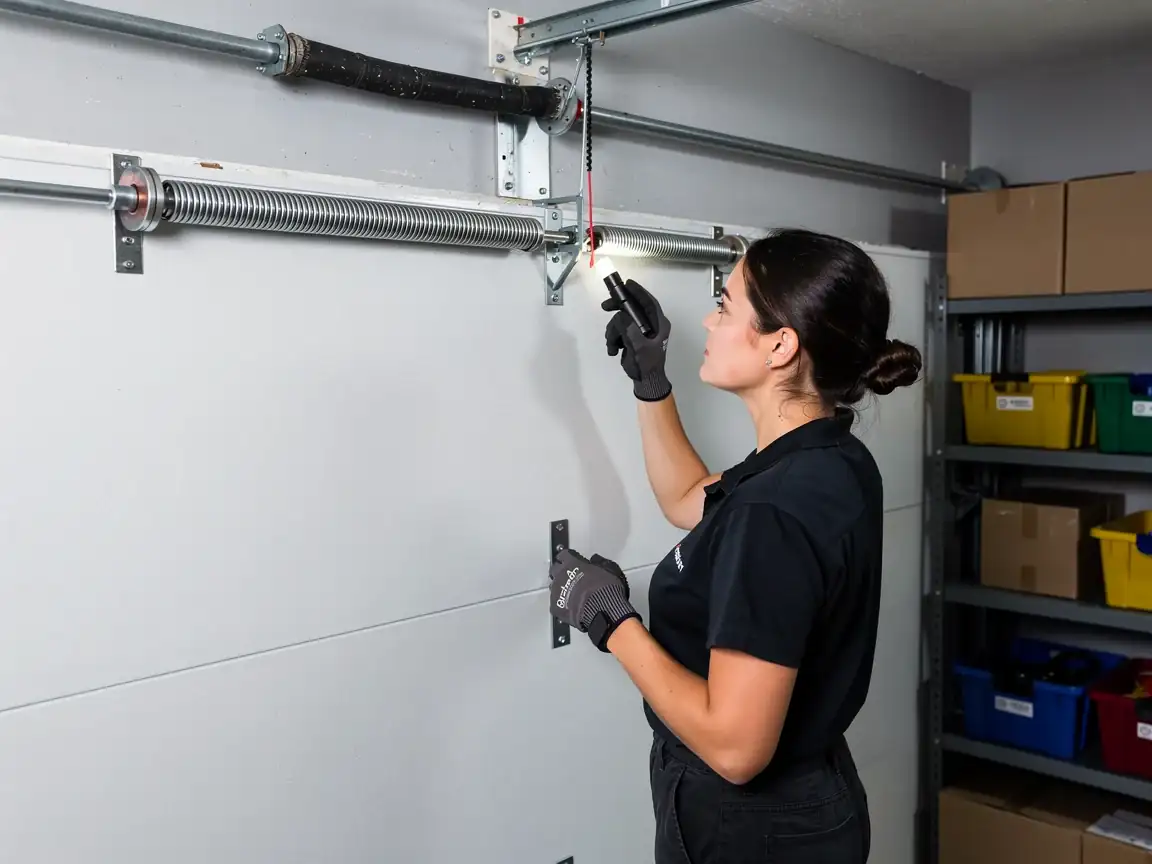
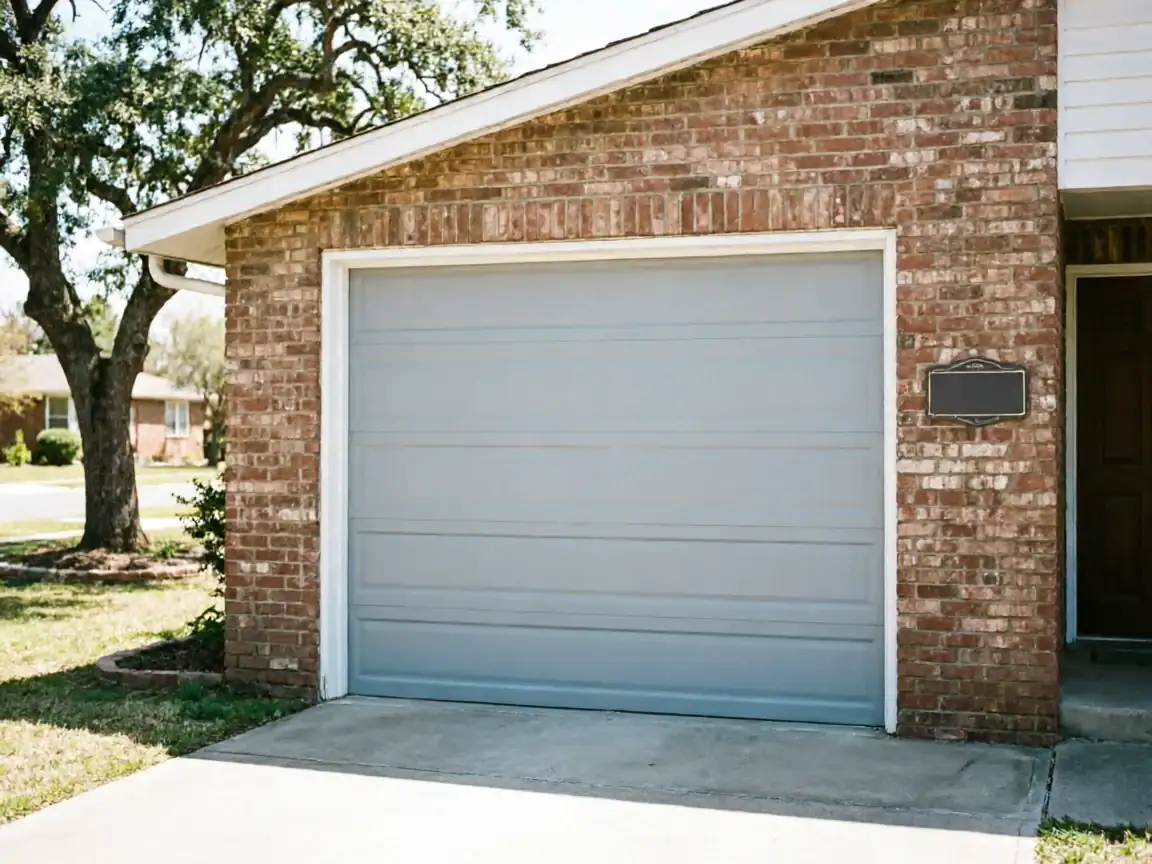
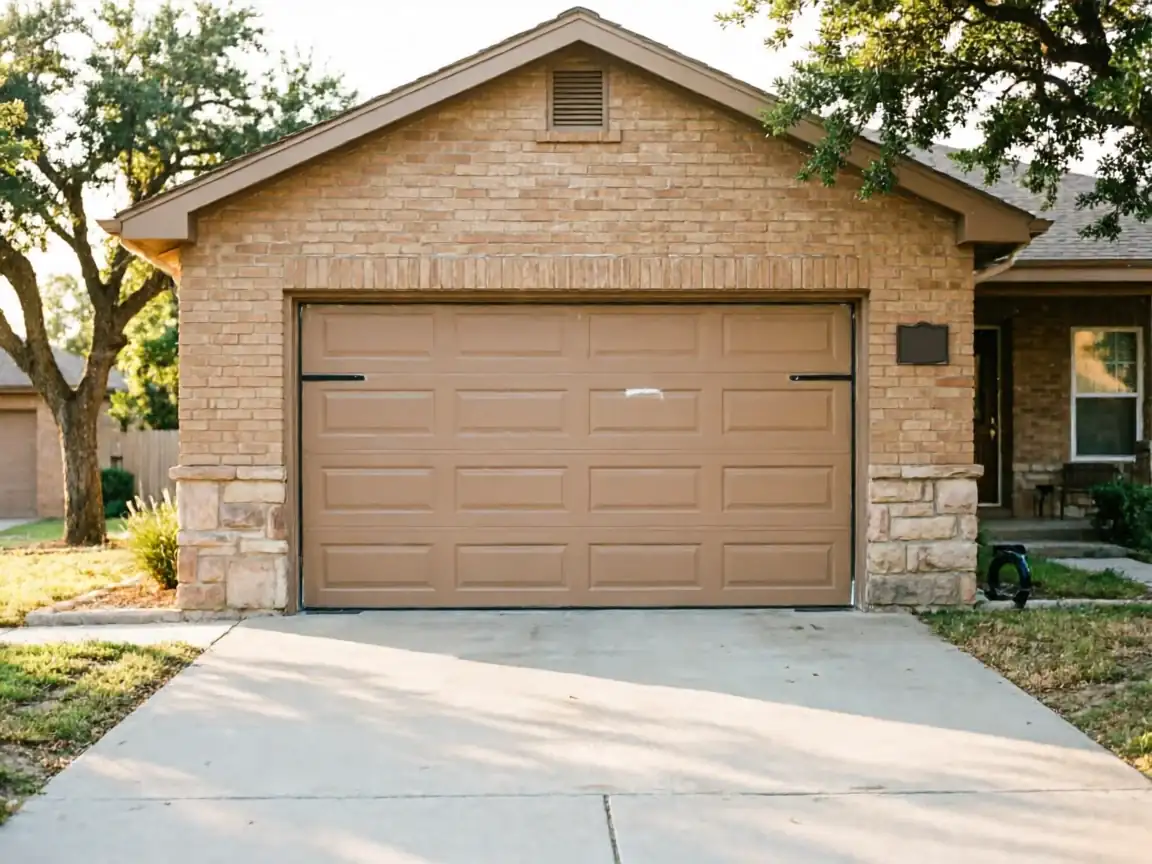
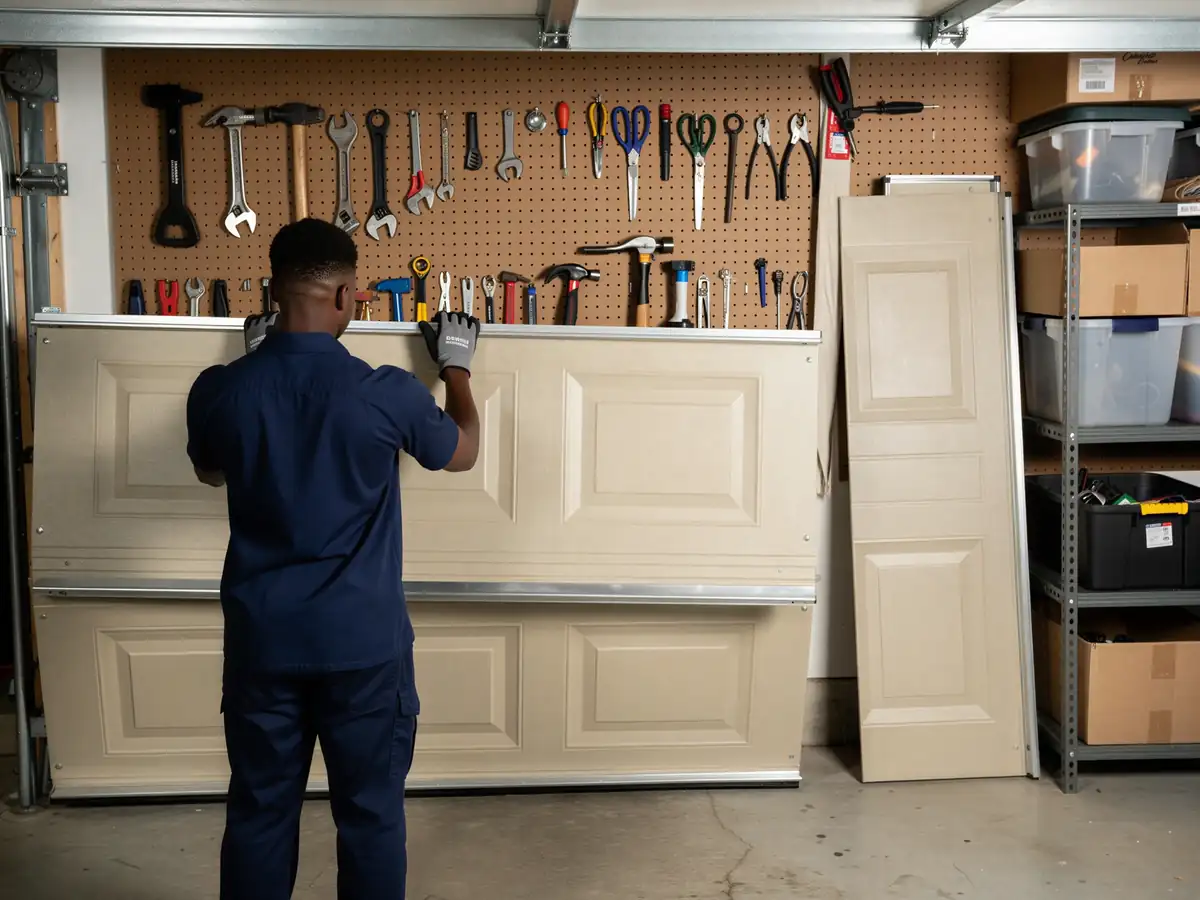
On a door this age, the panel profile is usually still in current production, so we can order a matching section rather than hunting down a discontinued groove pattern - the kind of search that slows jobs down on older, pre-2000 doors closer to Cedar Hill. We pull the damaged section, match the color and the panel ribbing, and swap it in without touching the track alignment if the rest of the door is sound. If the dent sits at a hinge point and has started to bend the stile, we'll say so - that's a structural call, not just cosmetic, and we won't pretend a panel swap fixes a bent rail. One honest limit: if the manufacturer has discontinued that exact color run, we'll match as close as we can, but an exact factory finish on an 18-year-old door isn't something we can promise.
What You Pay
Midlothian's median household income runs $122,643, noticeably higher than the service-area average, and we see that reflected in what people choose here: full panel replacement with a factory-matched finish, rather than a patched-and-painted repair meant to stretch a door another few years. We don't have a flat price to quote without seeing the door and the panel count, since a single-section swap on a two-car door costs less than replacing a full lower run on a double. What we can say is that the newer, still-in-production panel styles common on 2006-era Midlothian doors are generally easier to source than the older patterns, which keeps the job from turning into a custom order.
The Symptom
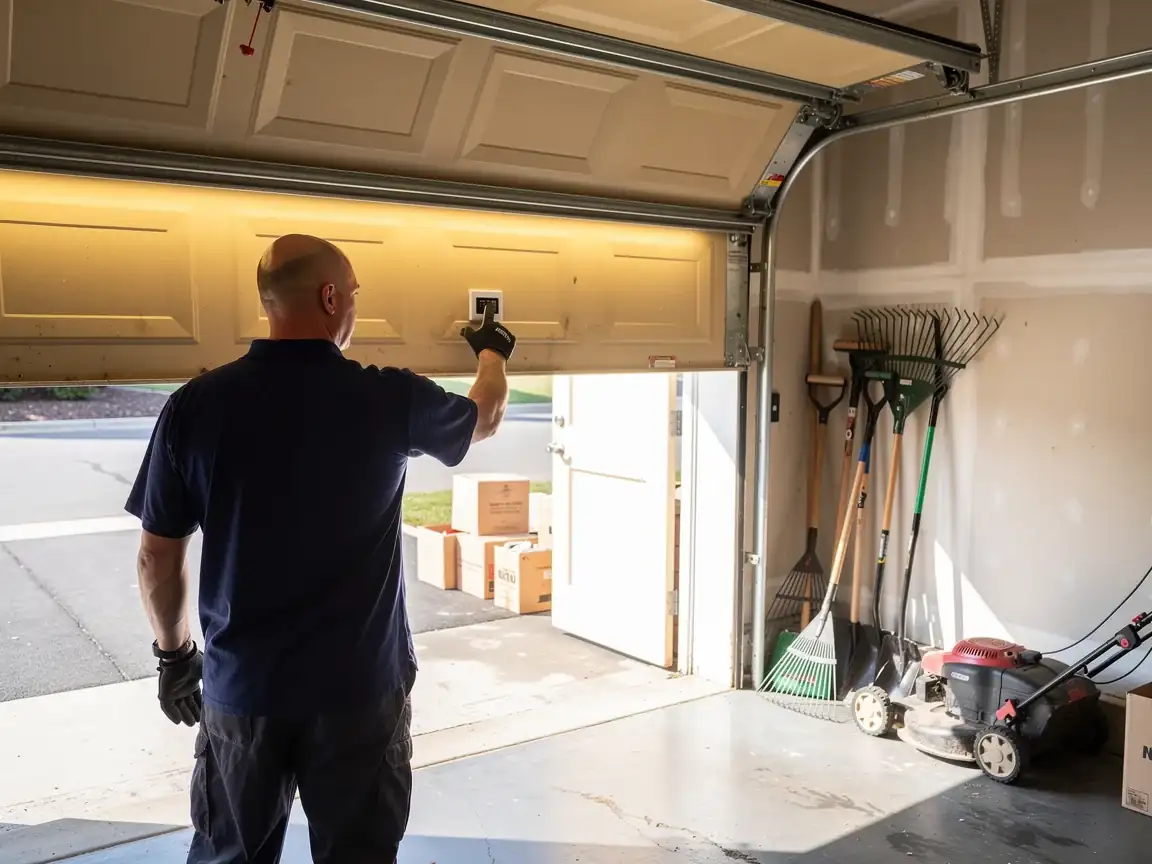
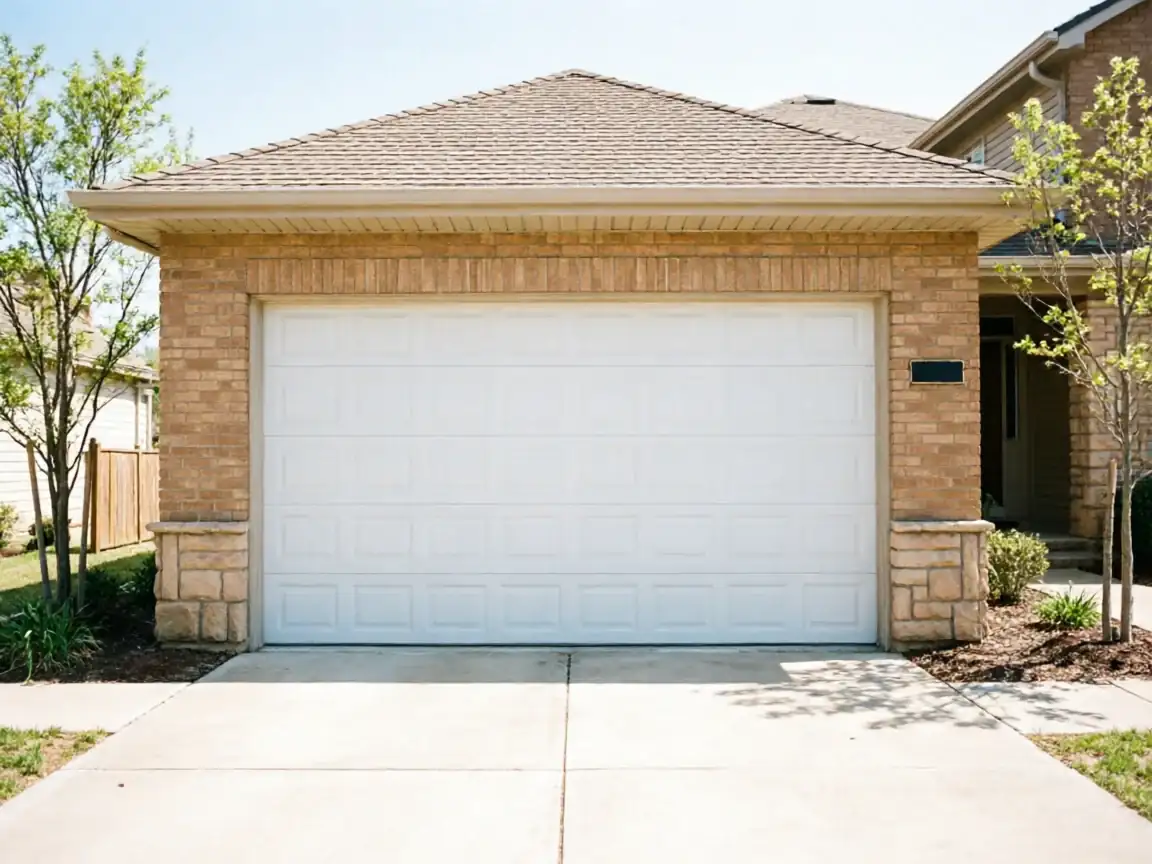
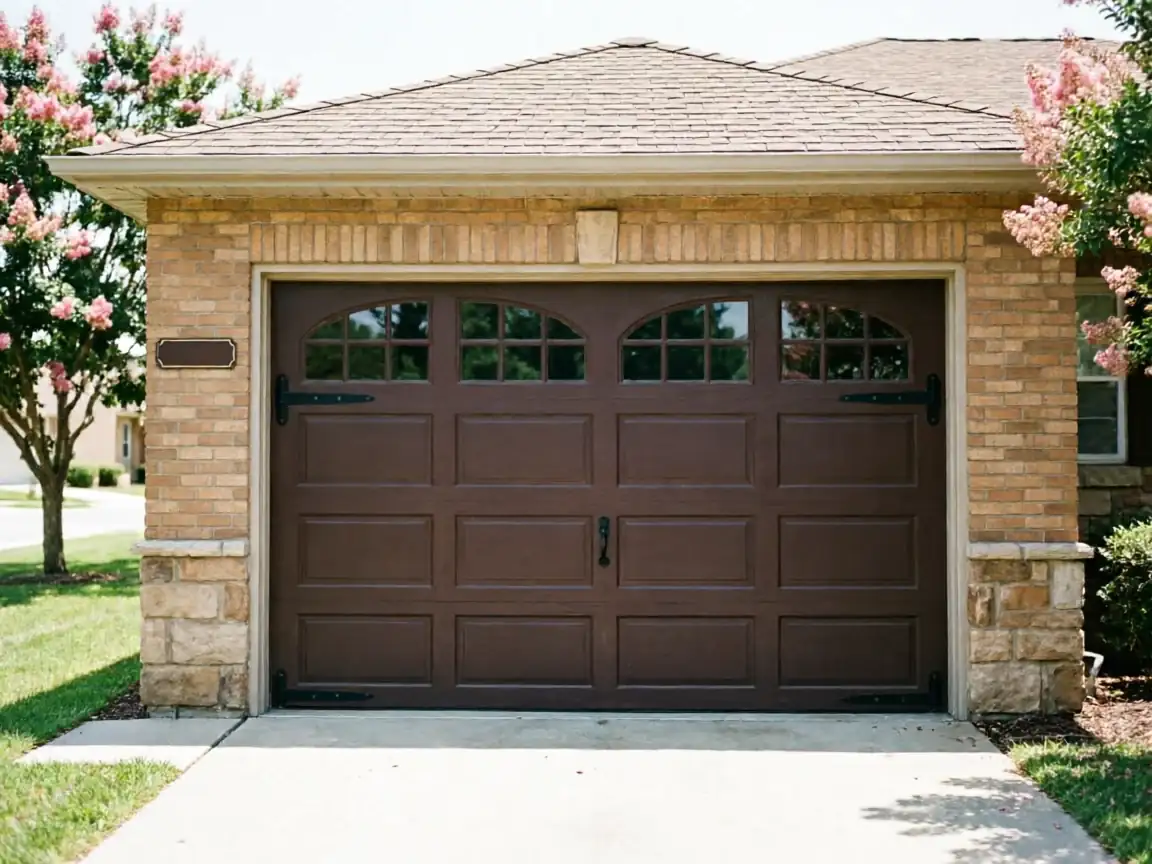
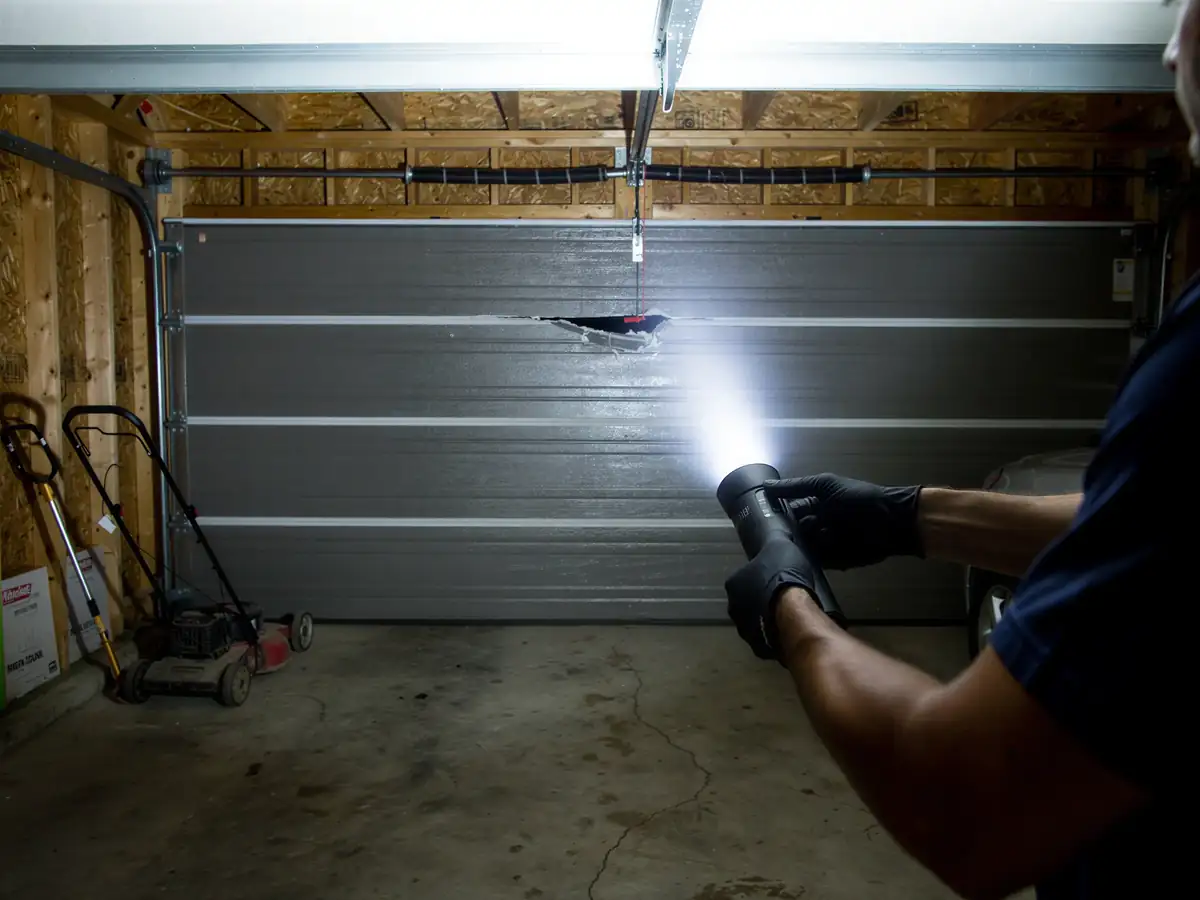
The one we hear most from Midlothian callers is a single dented or bowed-in section, usually the bottom or second-from-bottom panel, with the door still opening and closing fine otherwise. Sometimes there's a hairline crack running through a decorative window insert, which is cosmetic until moisture gets behind it and starts swelling the frame around the glass. Rarely do we get a call here about a whole door that's sagging or pulling apart at the seams - that kind of full-door failure is more typical of the older 1980s and 90s stock elsewhere in the service area, not the newer builds that make up most of Midlothian.
What Causes It Around Here
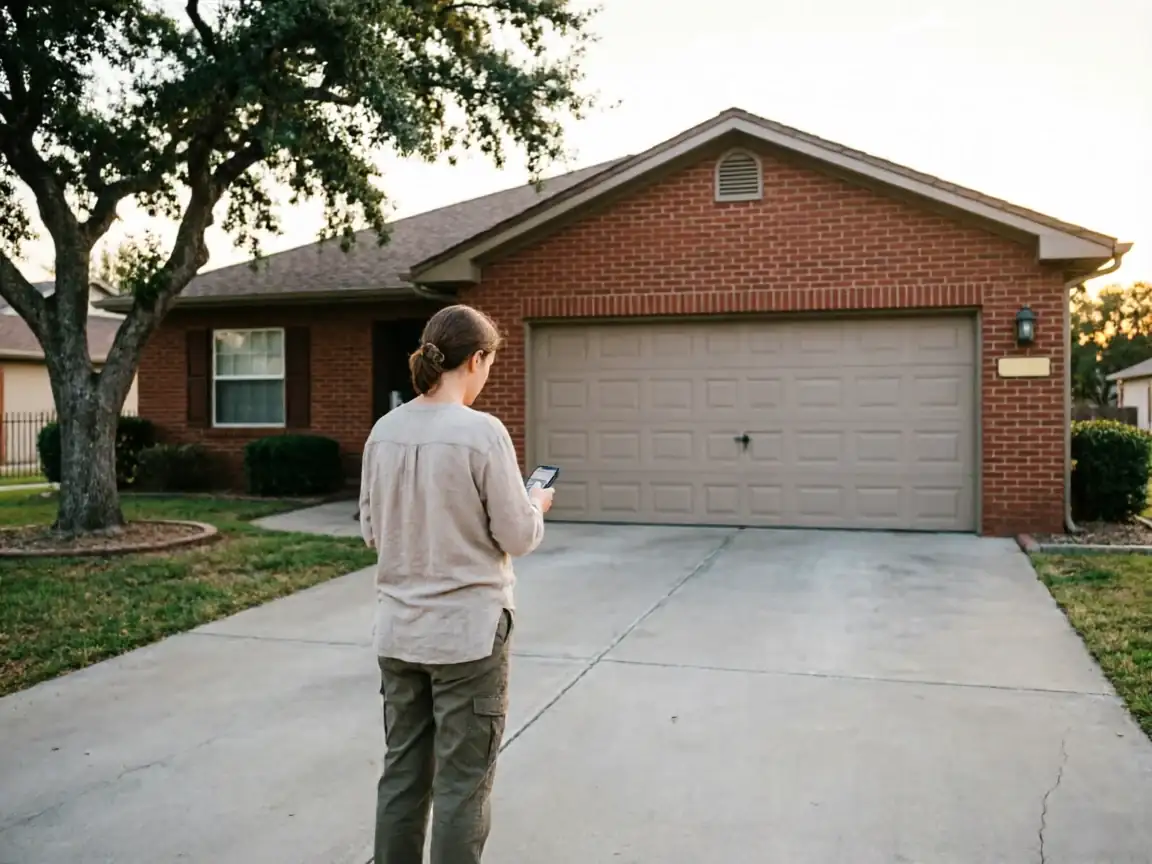
With 12,140 households and a housing stock that's mostly newer construction, the damage we see in Midlothian skews toward impact, not age. A car bumper, a trailer tongue, a basketball hoop pole set too close to the slab - that's what dents a panel on a door built in the last two decades. Compare that to neighborhoods built in the 1980s and 90s closer to Cedar Hill, where the embossed steel panels themselves are starting to fatigue and pit from age regardless of impact. The region sits in a moderate heat band overall, and sun exposure does fade paint unevenly over years, but on a door this young in Midlothian that shows up as a color mismatch concern on a replacement panel, not as the structural wear you'd find on an older door.