How We Fix It
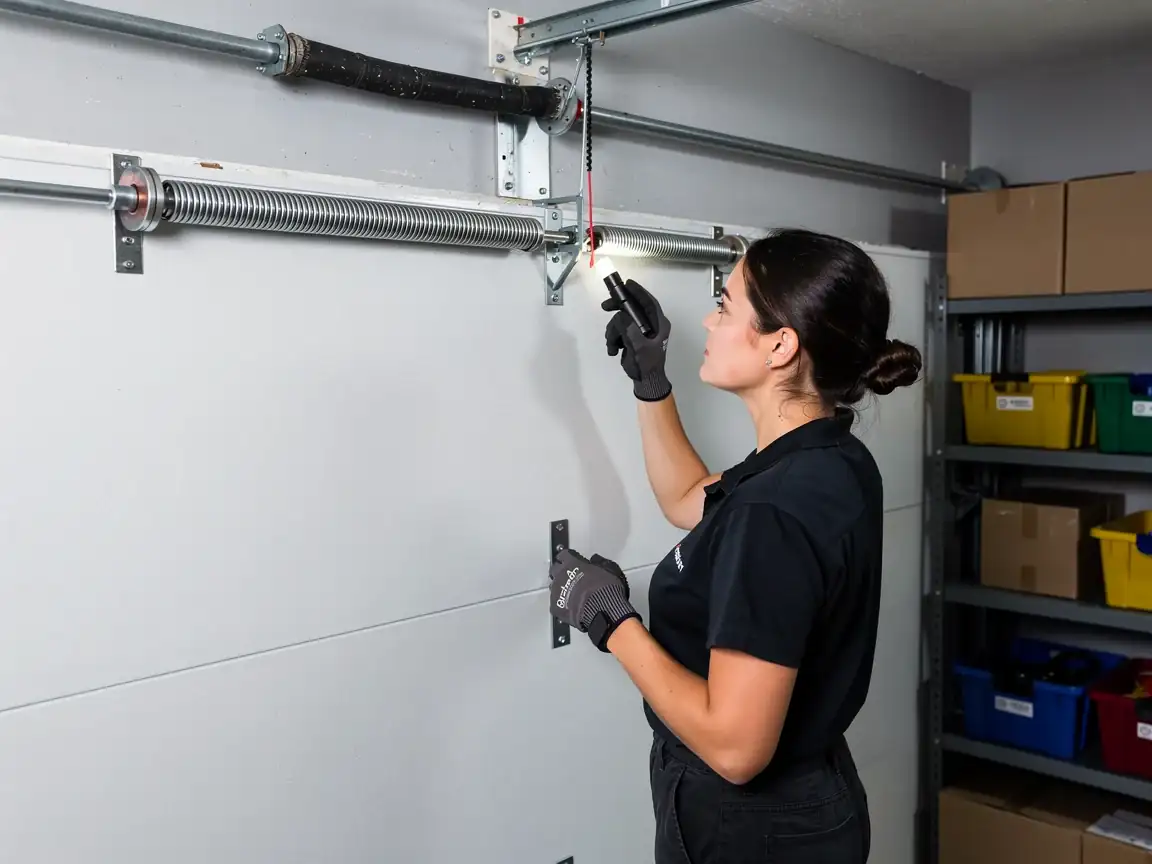
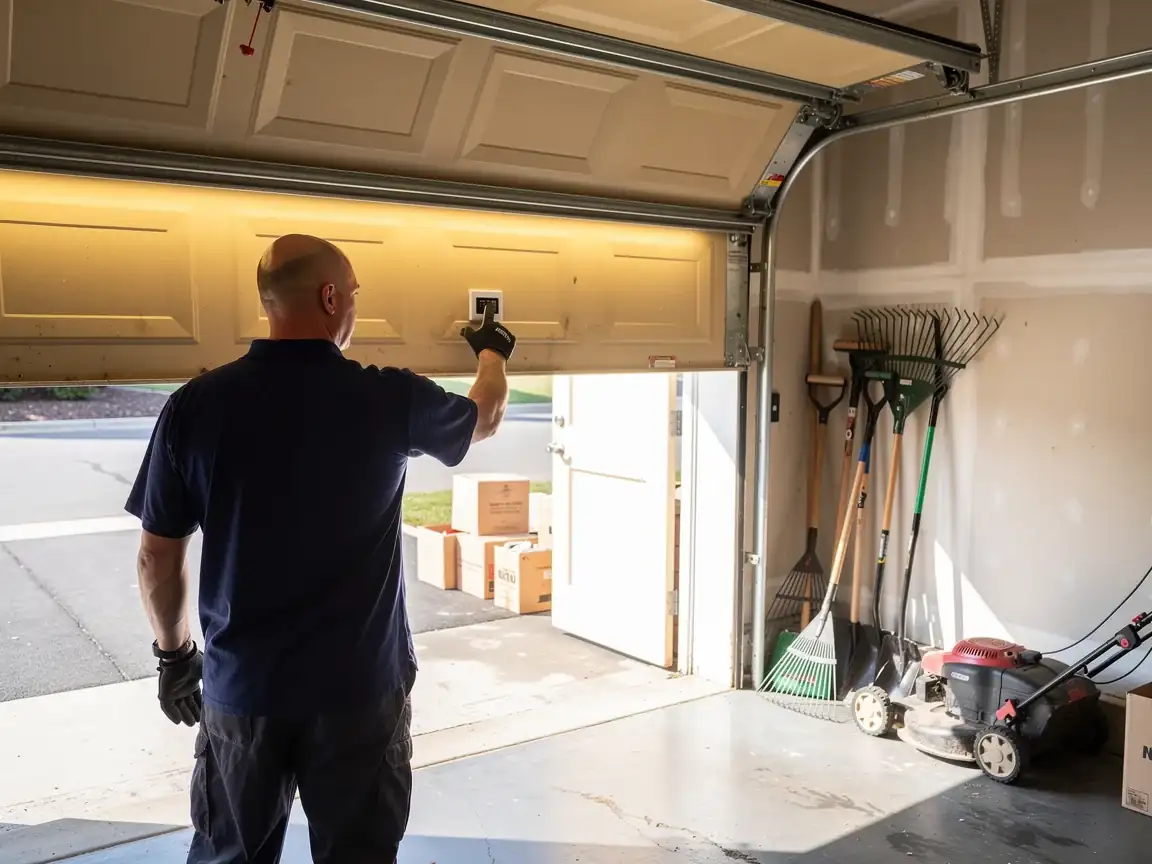
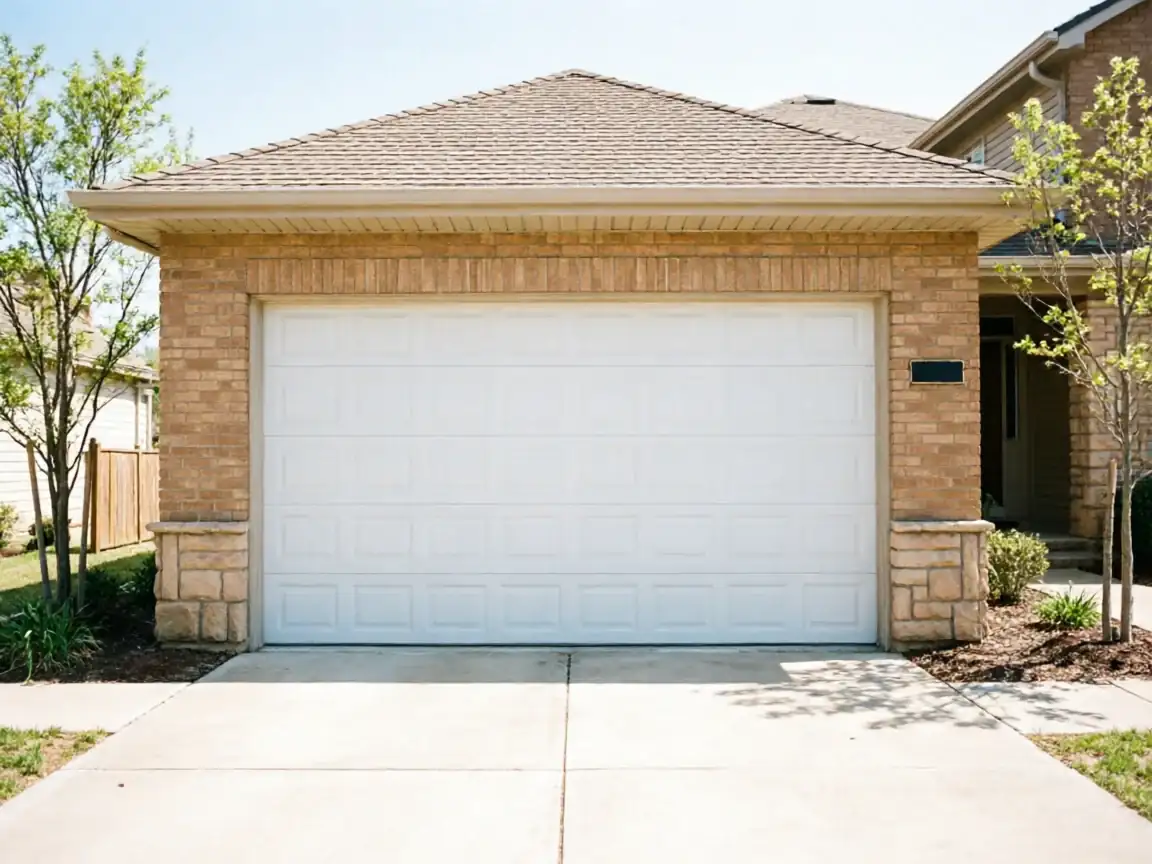
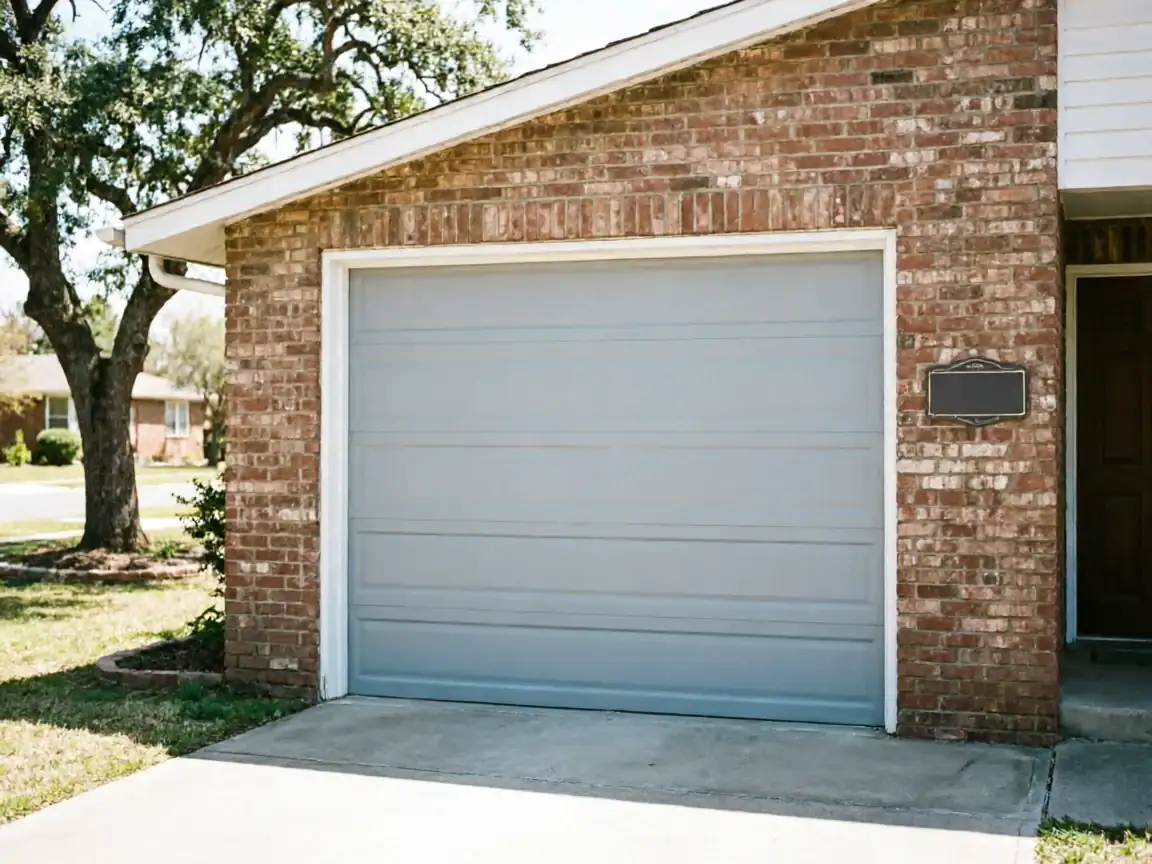
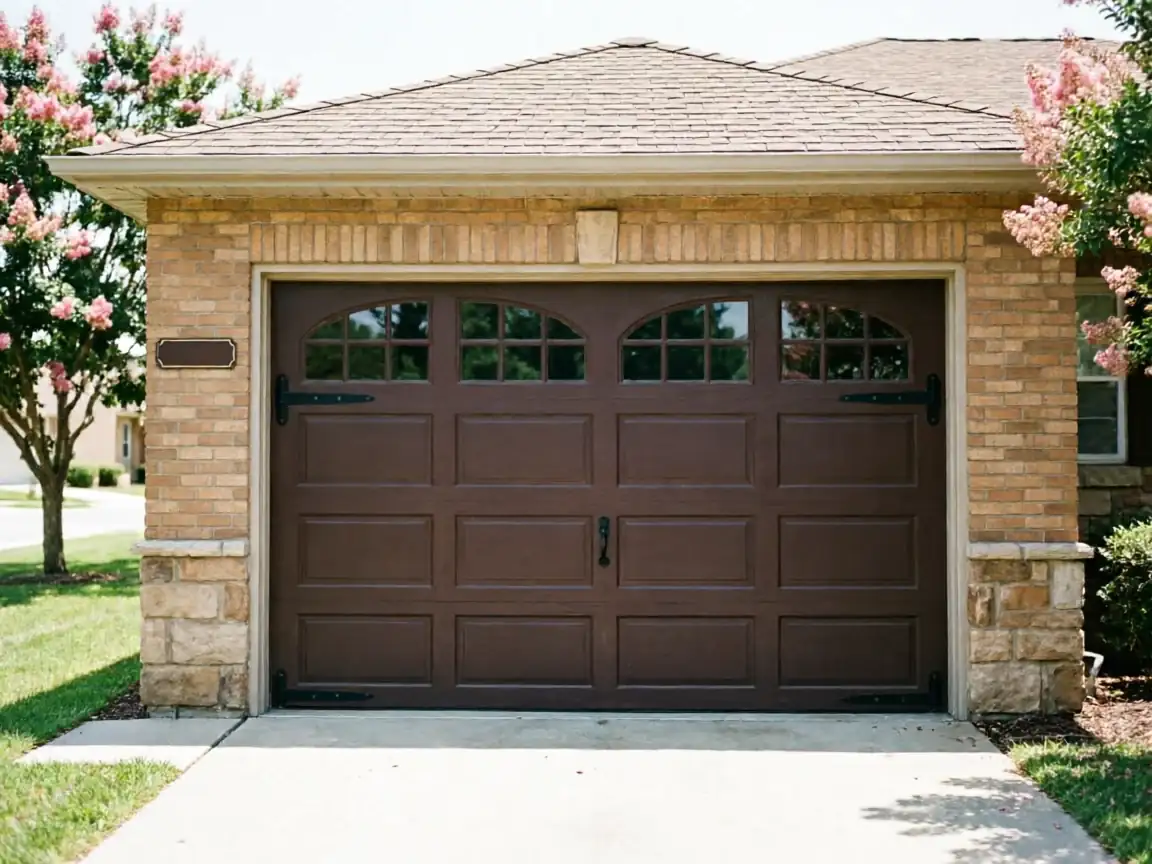
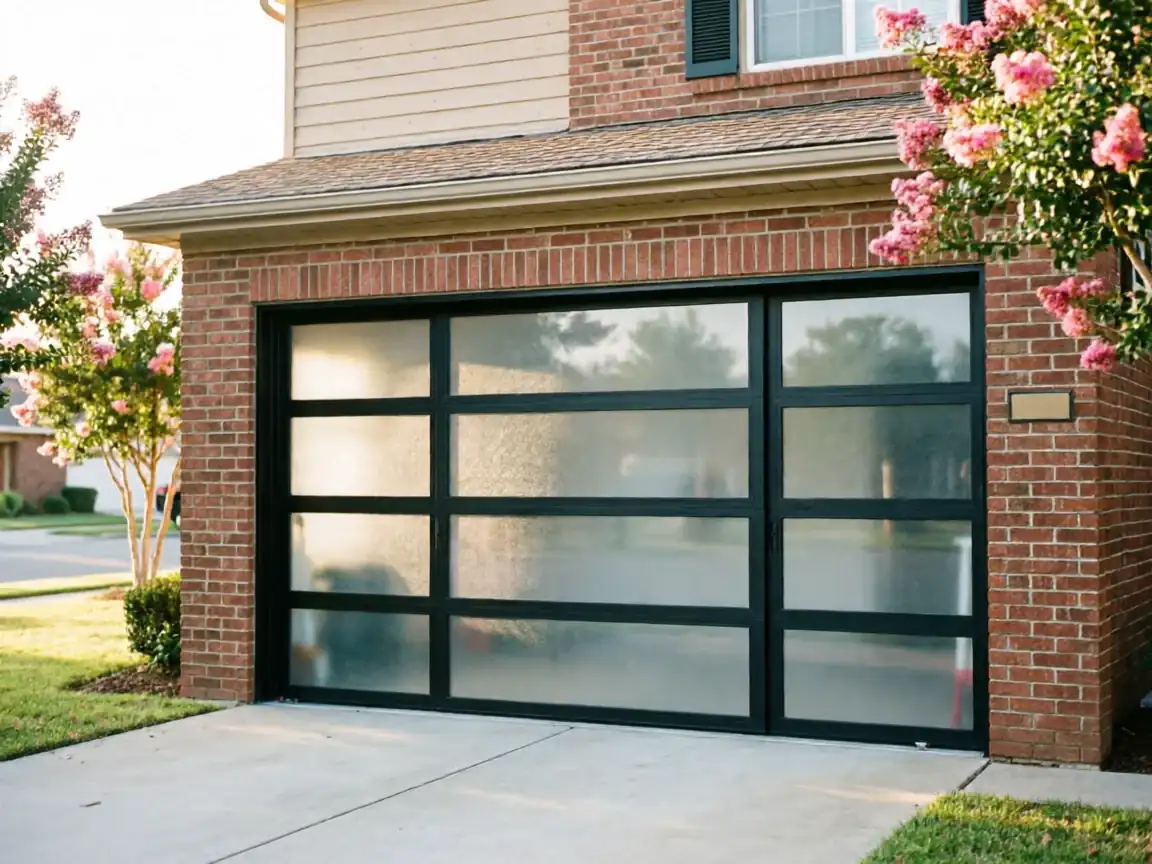
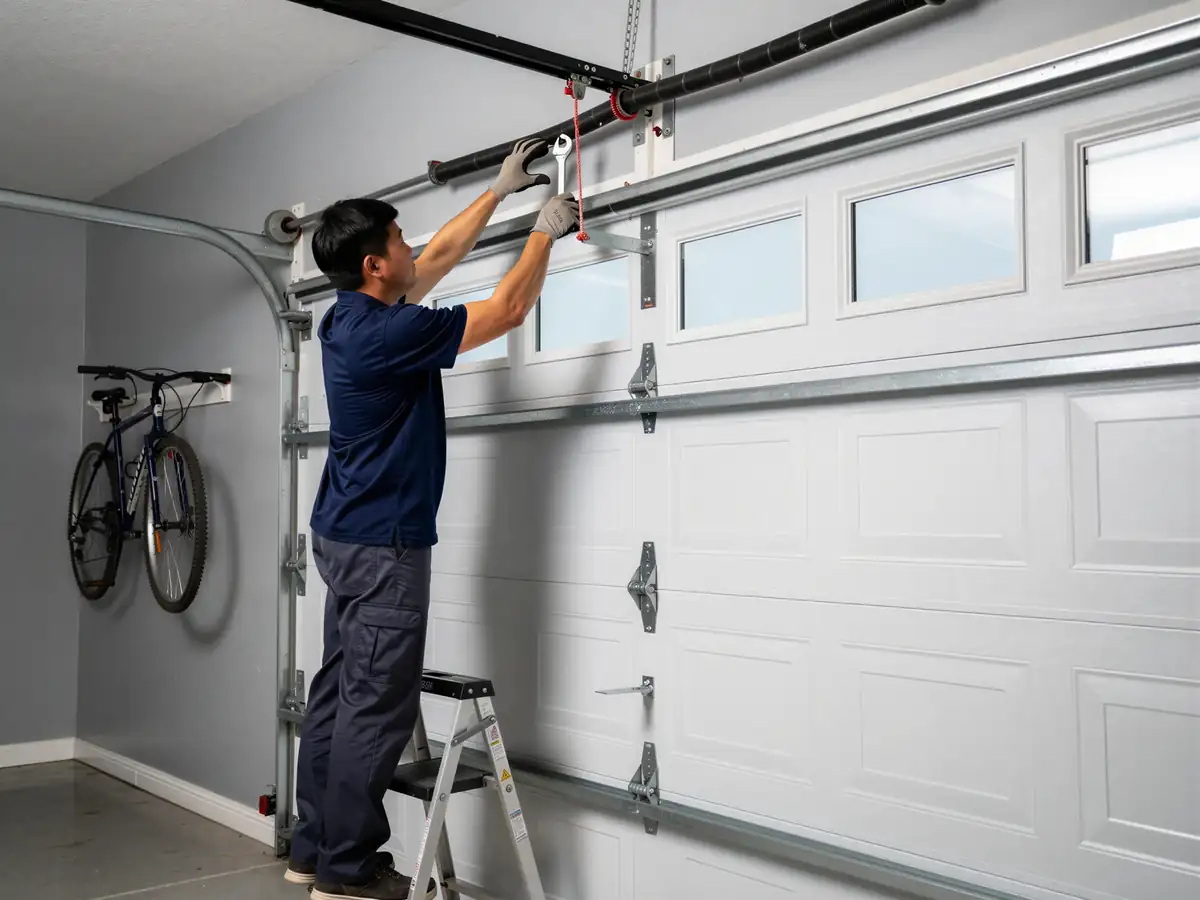
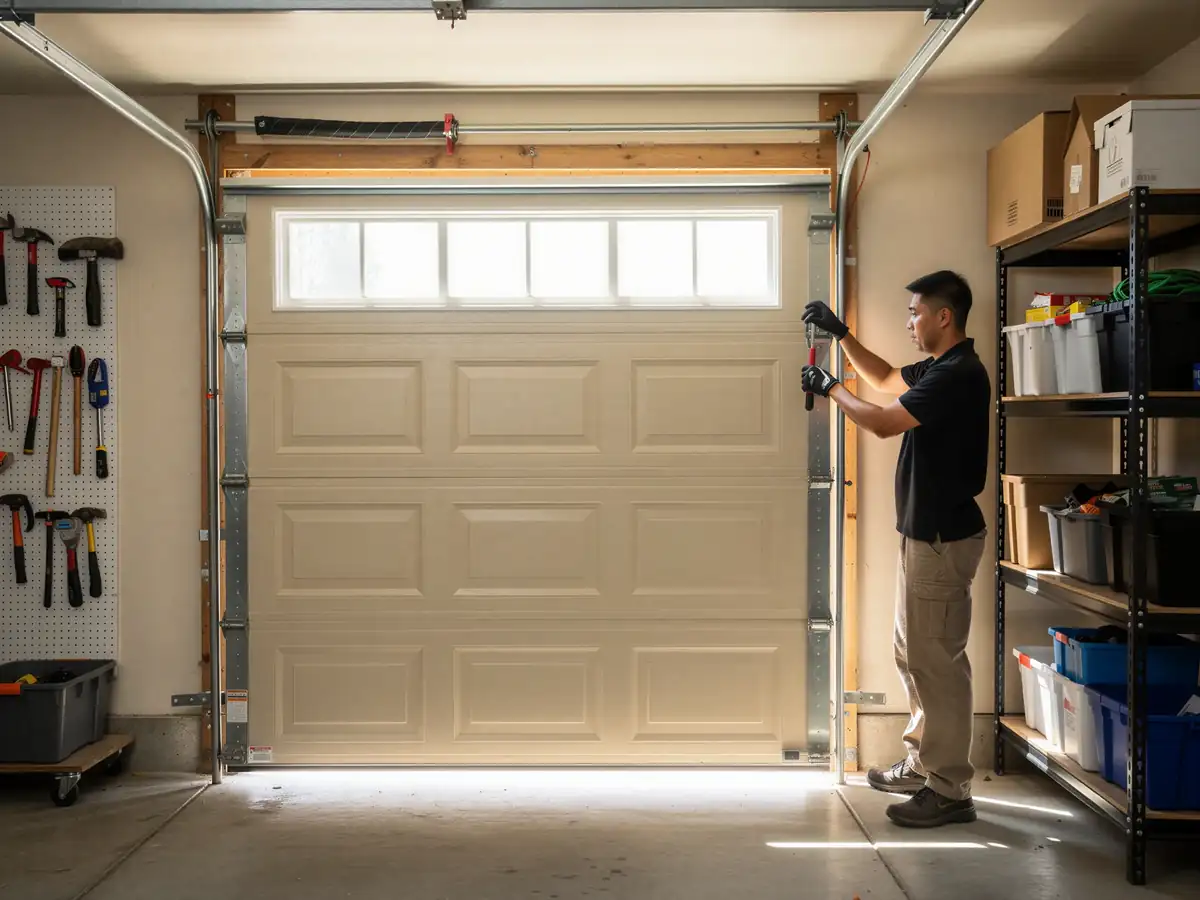
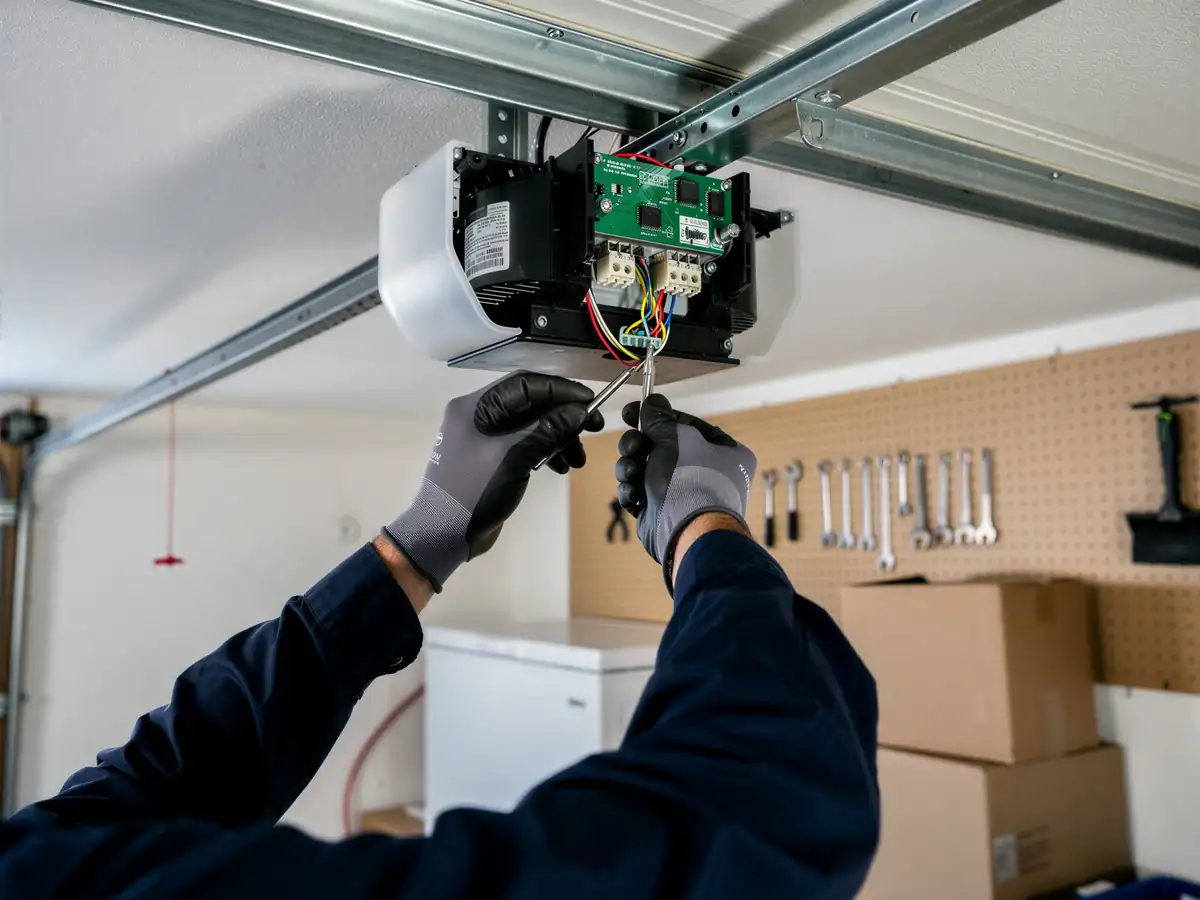
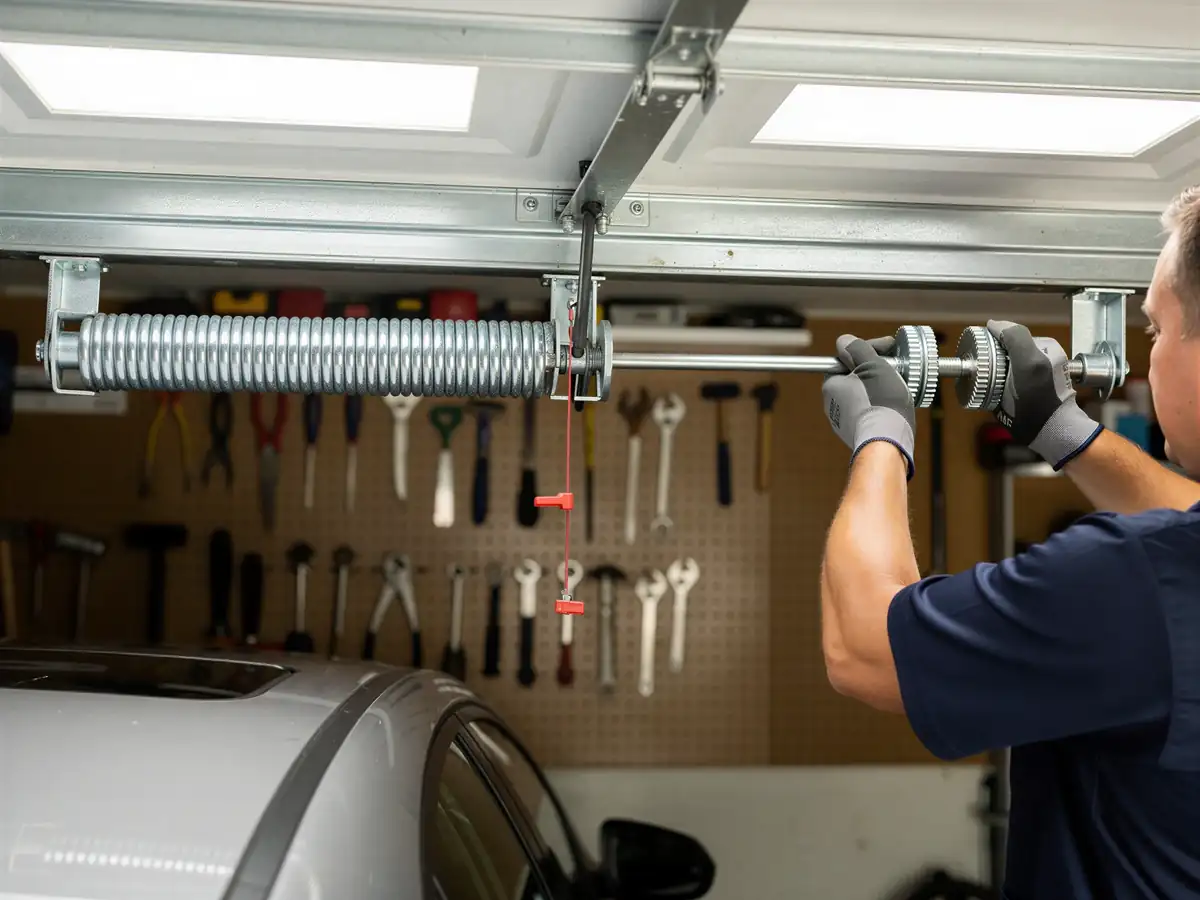
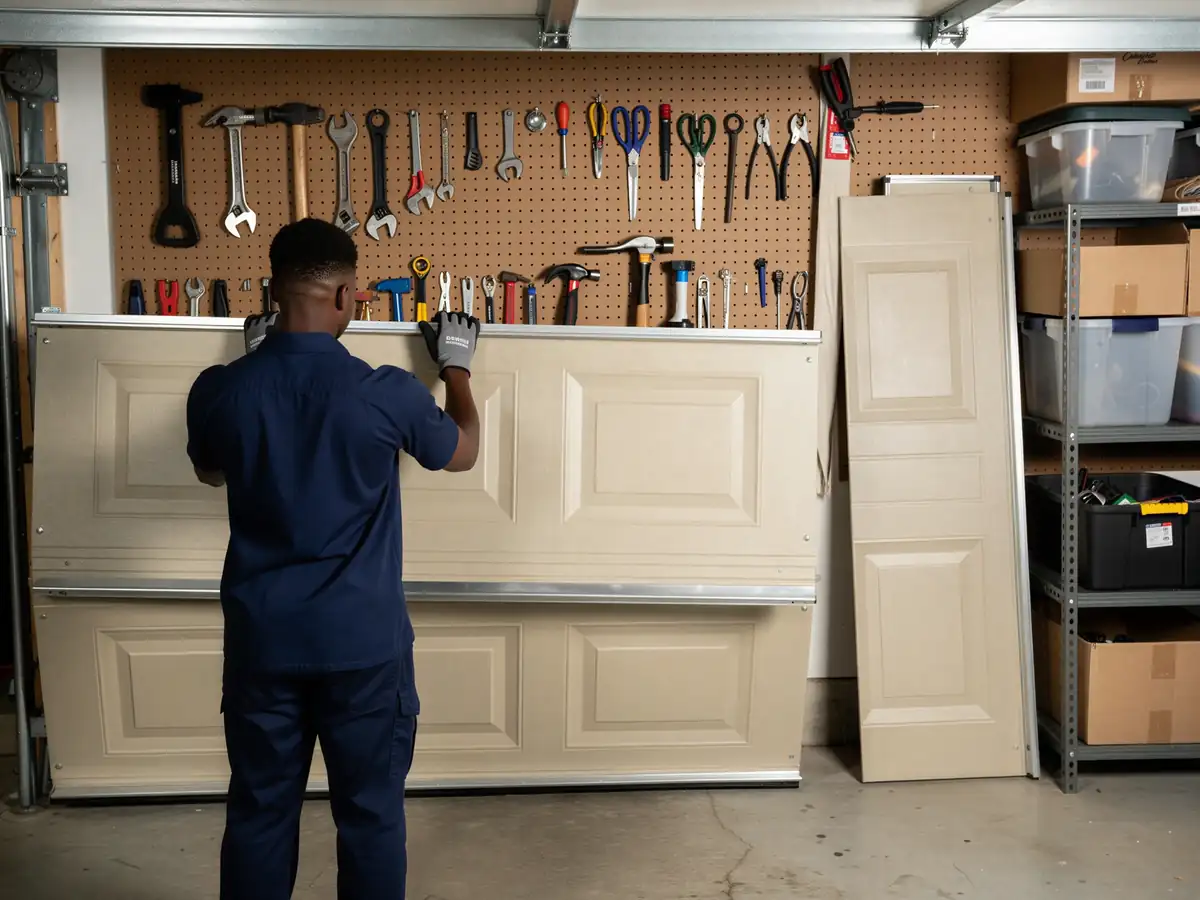
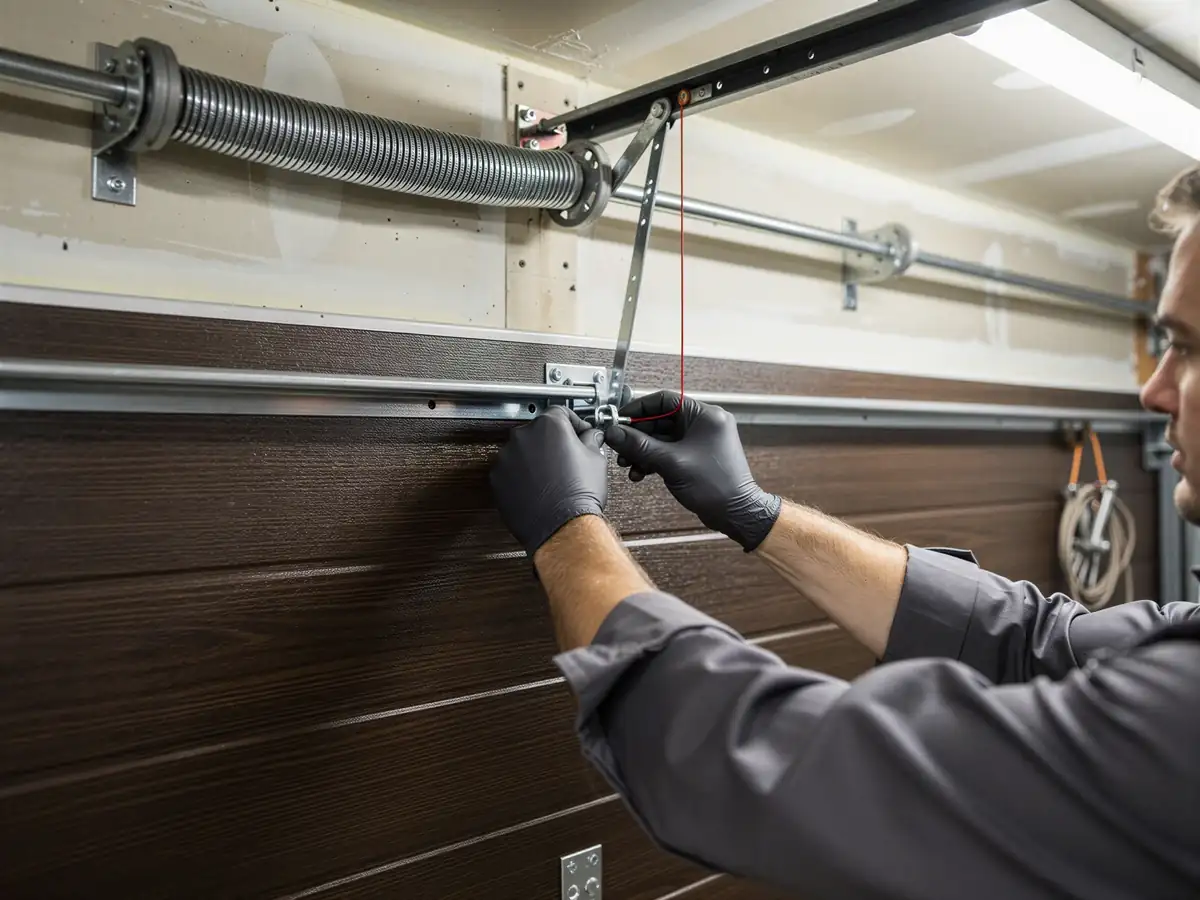
Maintenance on a door this age starts with pulling the panel-to-panel hinges and checking for elongated screw holes, since that's the first place a 2006-era door tells you it's tired. We check spring tension and cycle count, not just whether the spring looks intact, because a spring can look fine right up until it isn't. Rollers get inspected for flat spots and nylon fatigue, which shows up as a notchy feel when the door rolls past that point in the track. We lubricate hinges, rollers, and the torsion shaft bearings, and we check opener drive gear wear since that's a common failure point once a chain or belt drive opener crosses the decade mark. We don't replace parts that are still doing their job. If a hinge is original and sound, it stays. The point of a maintenance visit is to find what's close to failing before it strands your car in the garage, not to sell you a new door.
What You Pay
We don't have a published flat rate to quote here, and it would be dishonest to make one up. What a maintenance visit runs depends on what we find once the door's open and the hardware's inspected - a straightforward lube-and-adjust is a different job than one where a hinge or roller needs replacing on the spot. We'll tell you what we see and what it costs before anything gets fixed, not after.
The Symptom
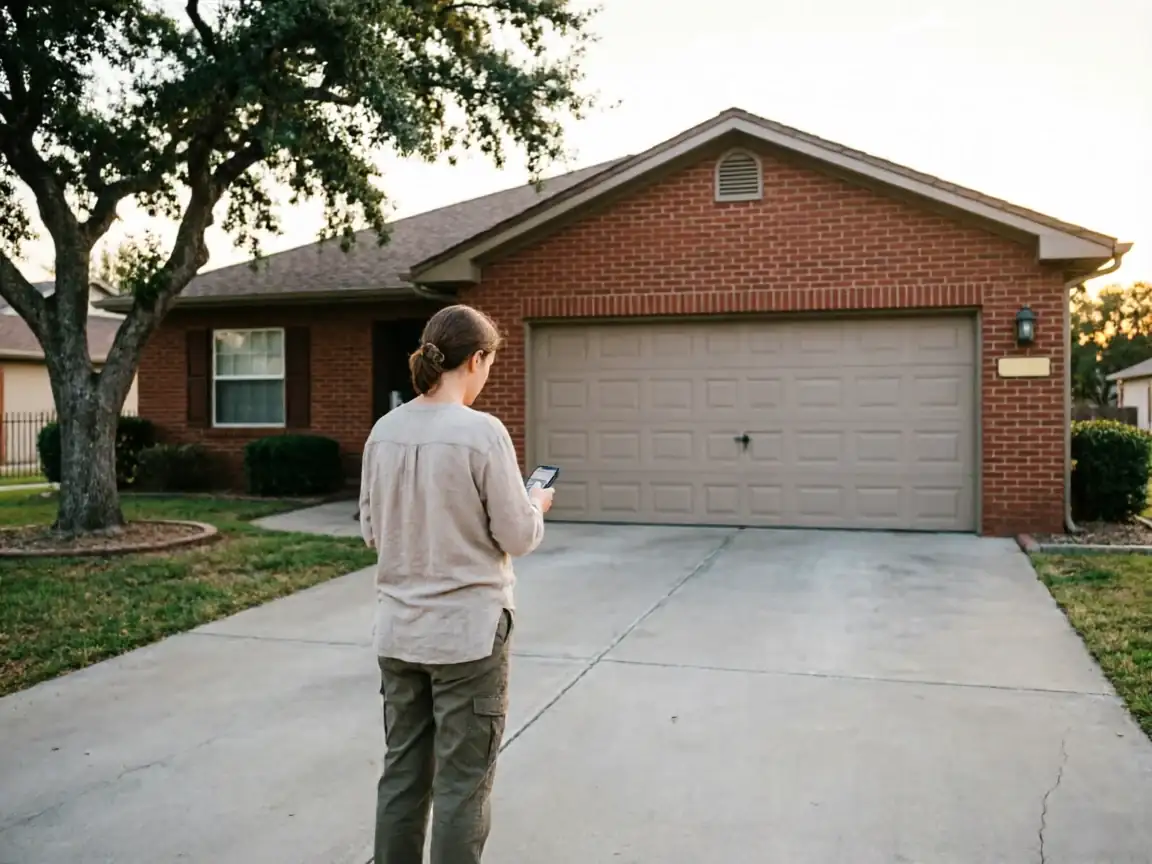
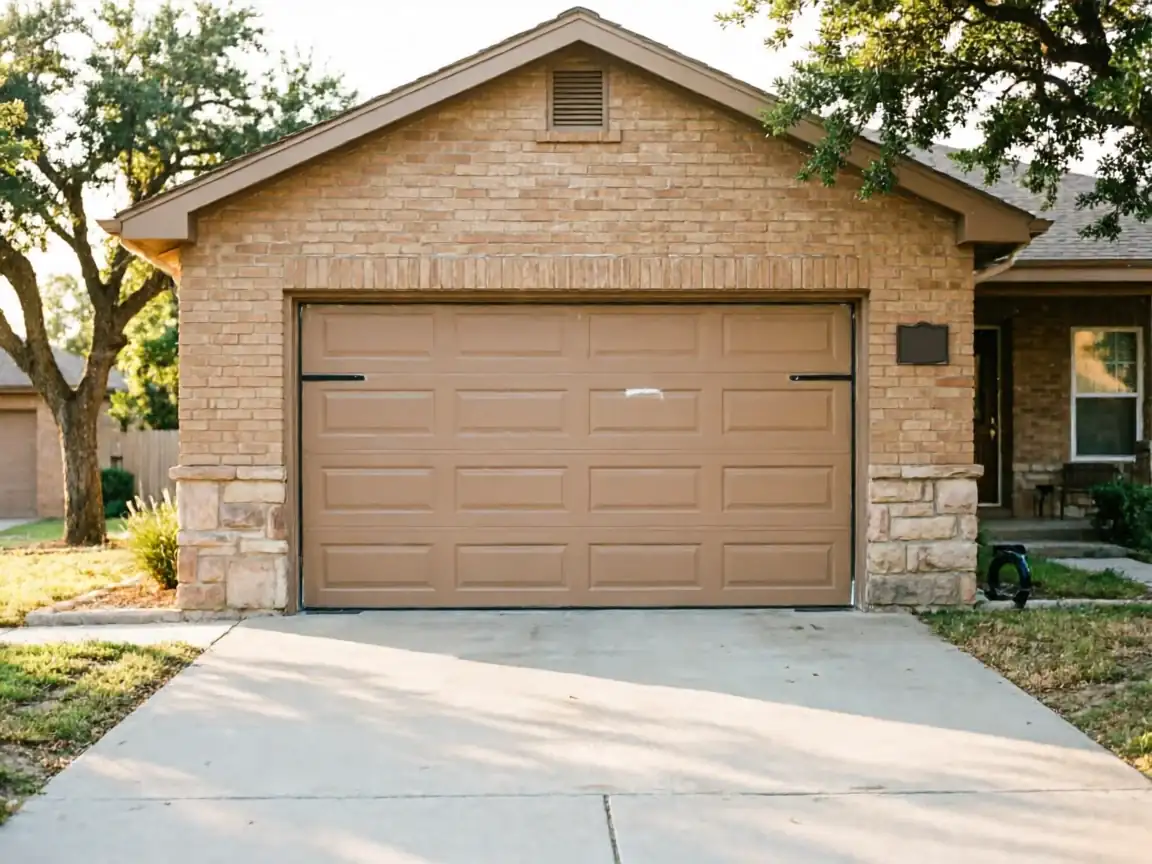
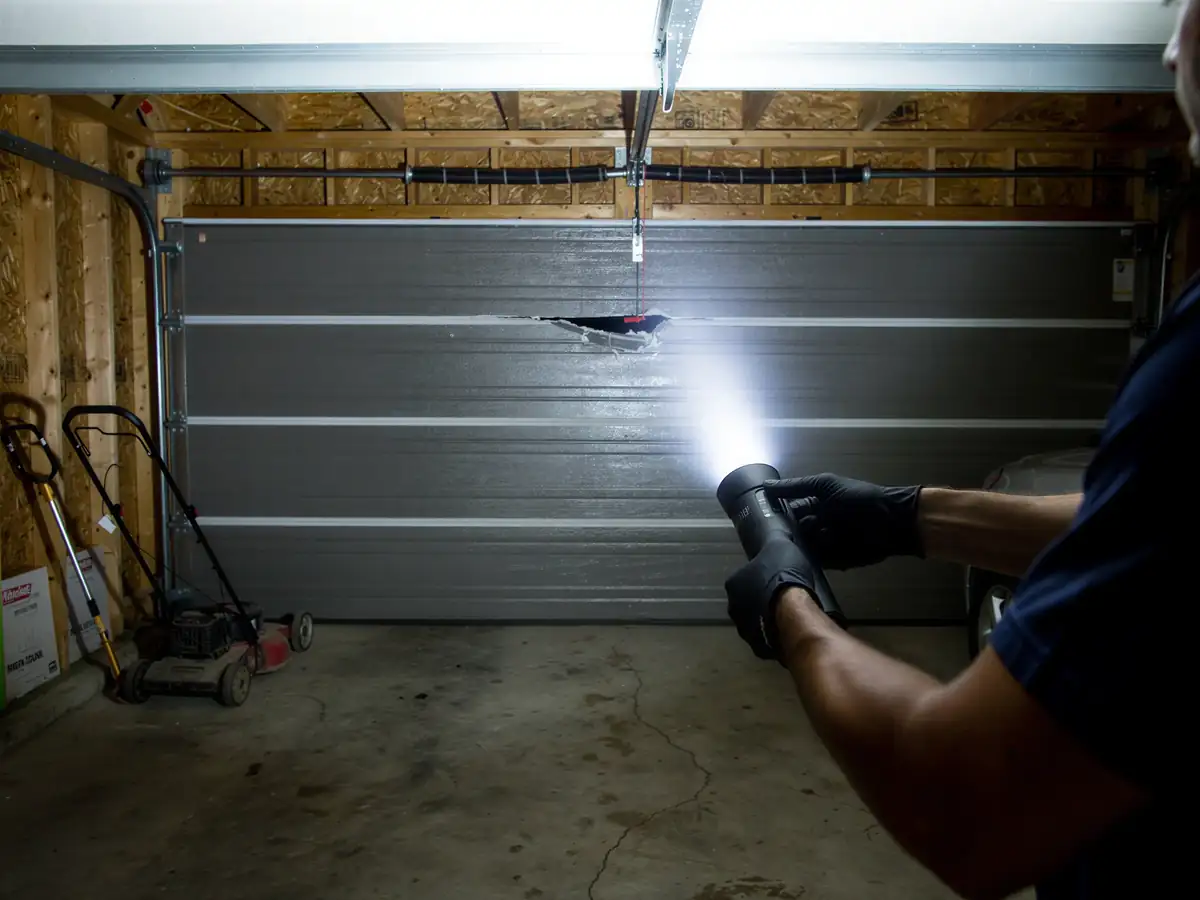
On a 2006-built Midlothian house, the symptom we hear most isn't a dead door, it's a door that's getting loud. A grinding or squeaking that wasn't there a year ago usually means a roller's nylon has worn through to the bearing, or a hinge has worked loose at the screw holes from two decades of racking stress. Some owners also notice the door hesitating or jerking partway through its travel, which points to an opener drive gear that's wearing down rather than anything wrong with the door itself. Neither of these means the door is about to fail outright, but both are the kind of wear that gets worse, not better, if it's ignored.
What Causes It Around Here
The area sits in a moderate-heat climate band, and that steady cycle of summer heat and cooler nights is hard on nylon rollers and on the grease packed into hinge pins and bearings over time - it dries out faster than most owners expect. On a house built around 2006, that's roughly two decades of that cycle working on hardware that was never serviced because nothing ever broke outright. Midlothian's household income runs well above the wider service area's median, and we mention that only because newer, higher-value homes here often have doors and openers that are mechanically sound but simply never maintained, since nothing's ever forced the issue. Worn hardware on a sound door is a maintenance problem. Once hinges, rollers, and springs are addressed, most doors from this era have plenty of life left.