What Can Go Wrong
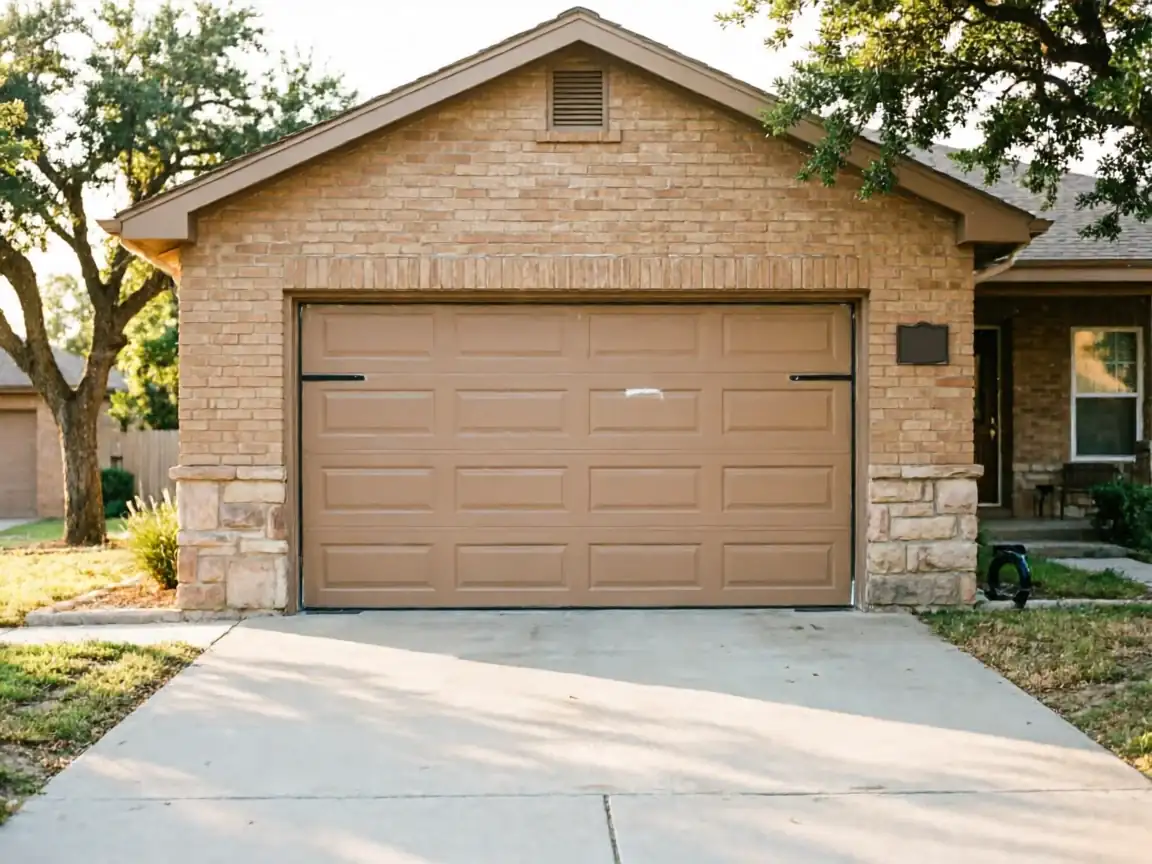
Midlothian sits about 8 miles south of our shop in Cedar Hill
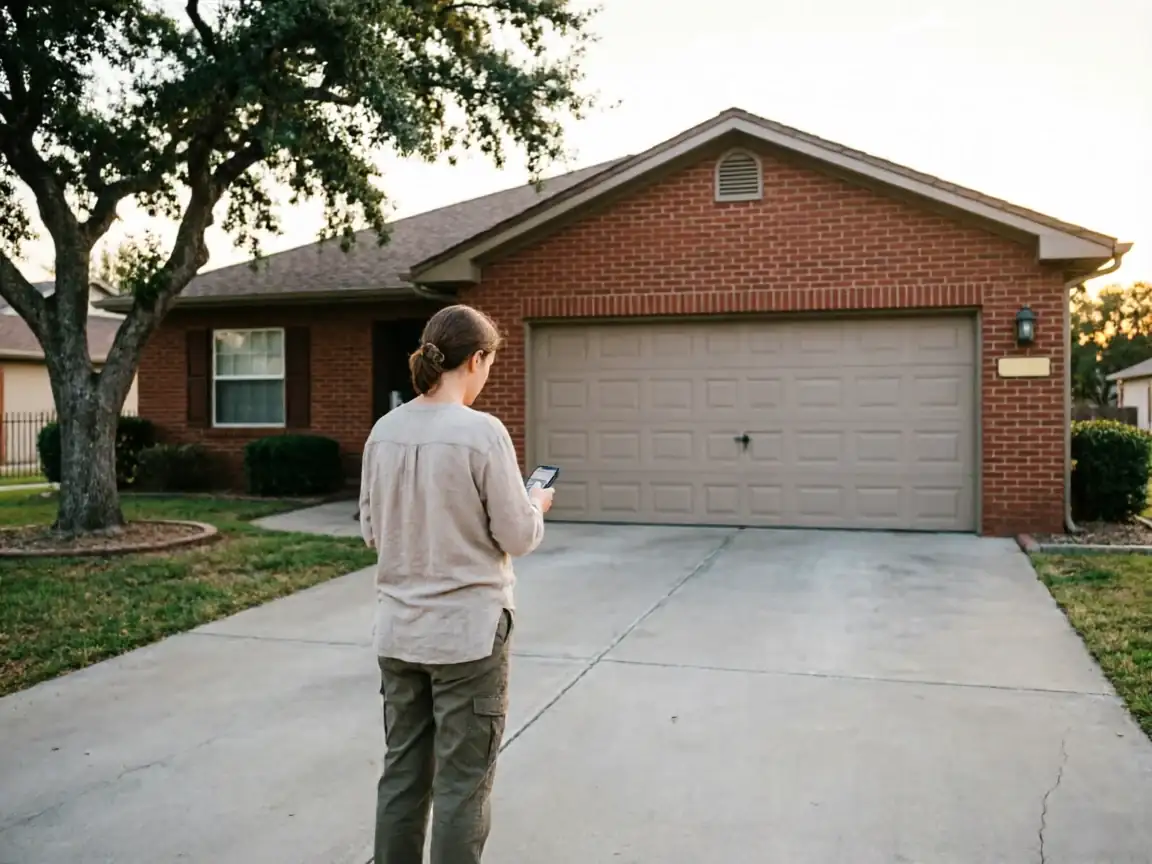
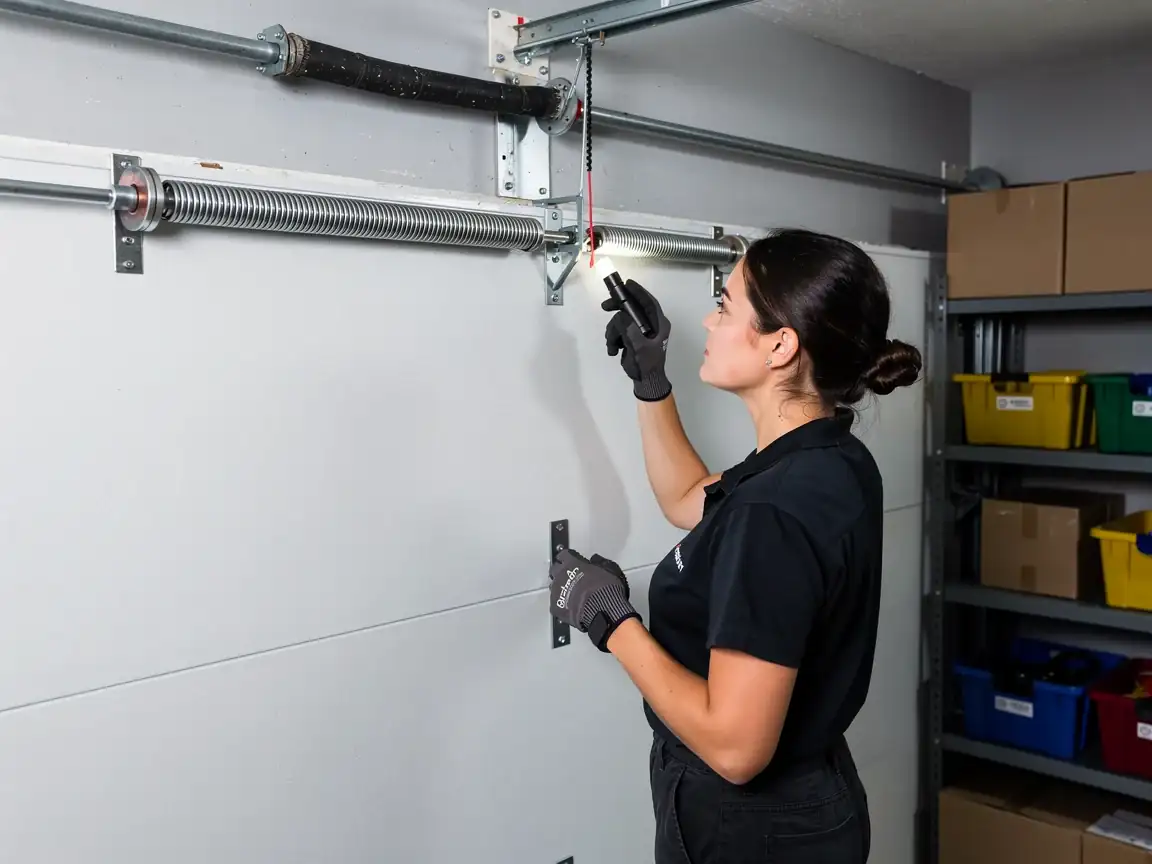
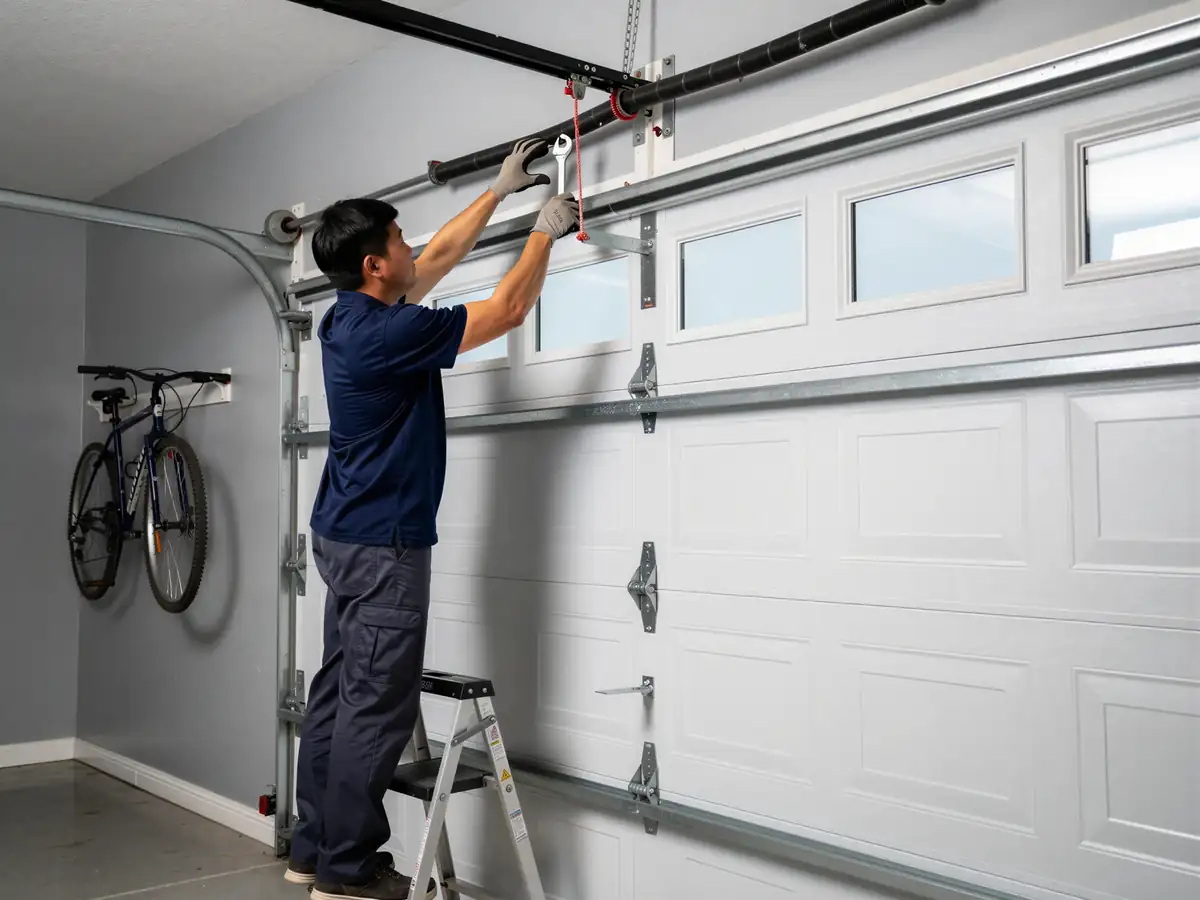
And that drive shapes how a spring call here actually goes. Most of the homes we get sent to were built well after 2000, with a lot of the town's housing dating from the mid-2000s on. That means you're mostly dealing with factory torsion springs on steel doors that are still within their expected service window, not the mismatched or hand-wound replacements you find on older stock. The common failure is still straightforward: a torsion spring winds down over thousands of open-close cycles and eventually snaps, usually at a weld point, or a cable frays where it wraps the drum. On newer builds we also see extension springs on lighter single doors that were never upgraded to safety cables, which is its own problem when one lets go.
- 8 miles
Because the housing in Midlothian skews newer
We see less of the rust-seized hardware that older torsion setups develop. What we do see is springs sized a notch too light for the door weight from the original build, which shortens their life even on a house that's only 10 or 15 years old. That's a sizing issue, not an age issue, and it's worth flagging before you pay for a straight swap.
- 15 years
How We Fix It
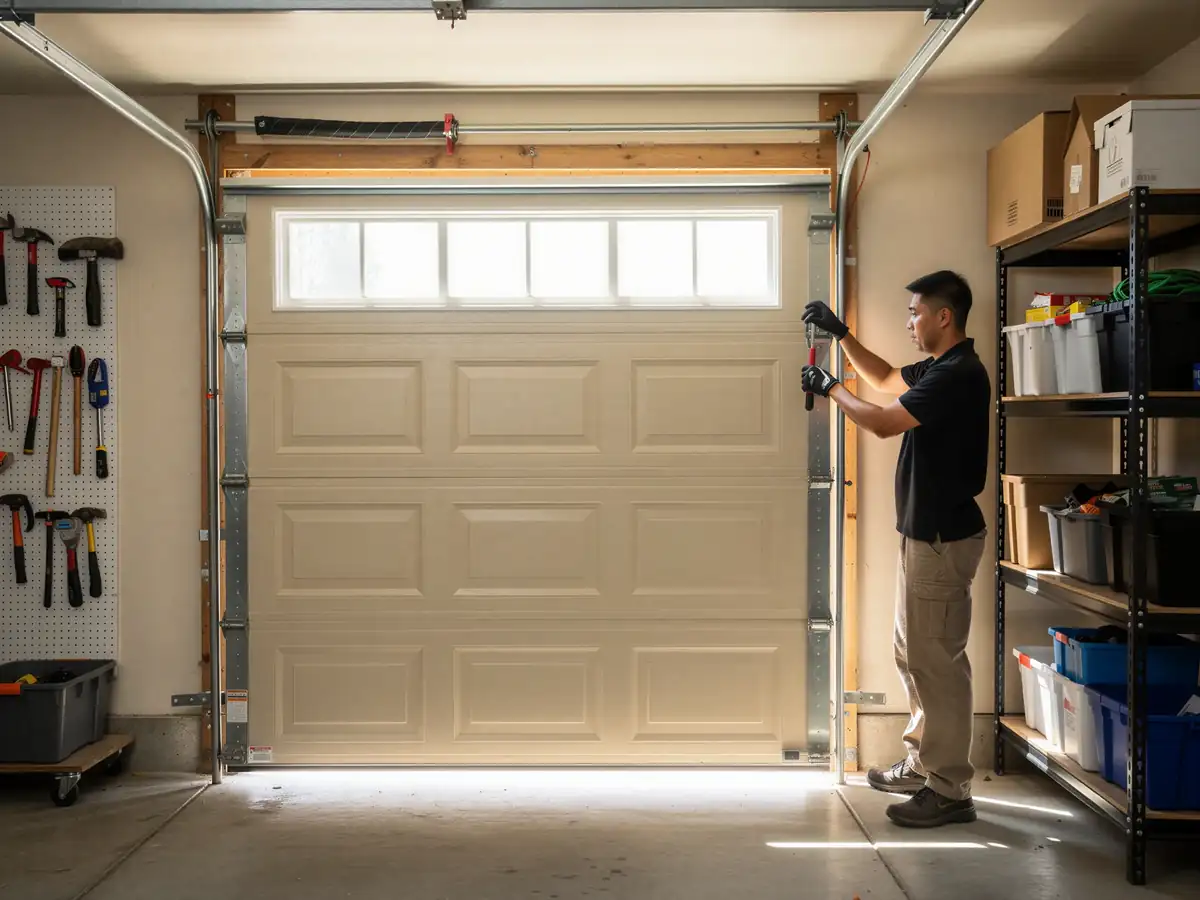
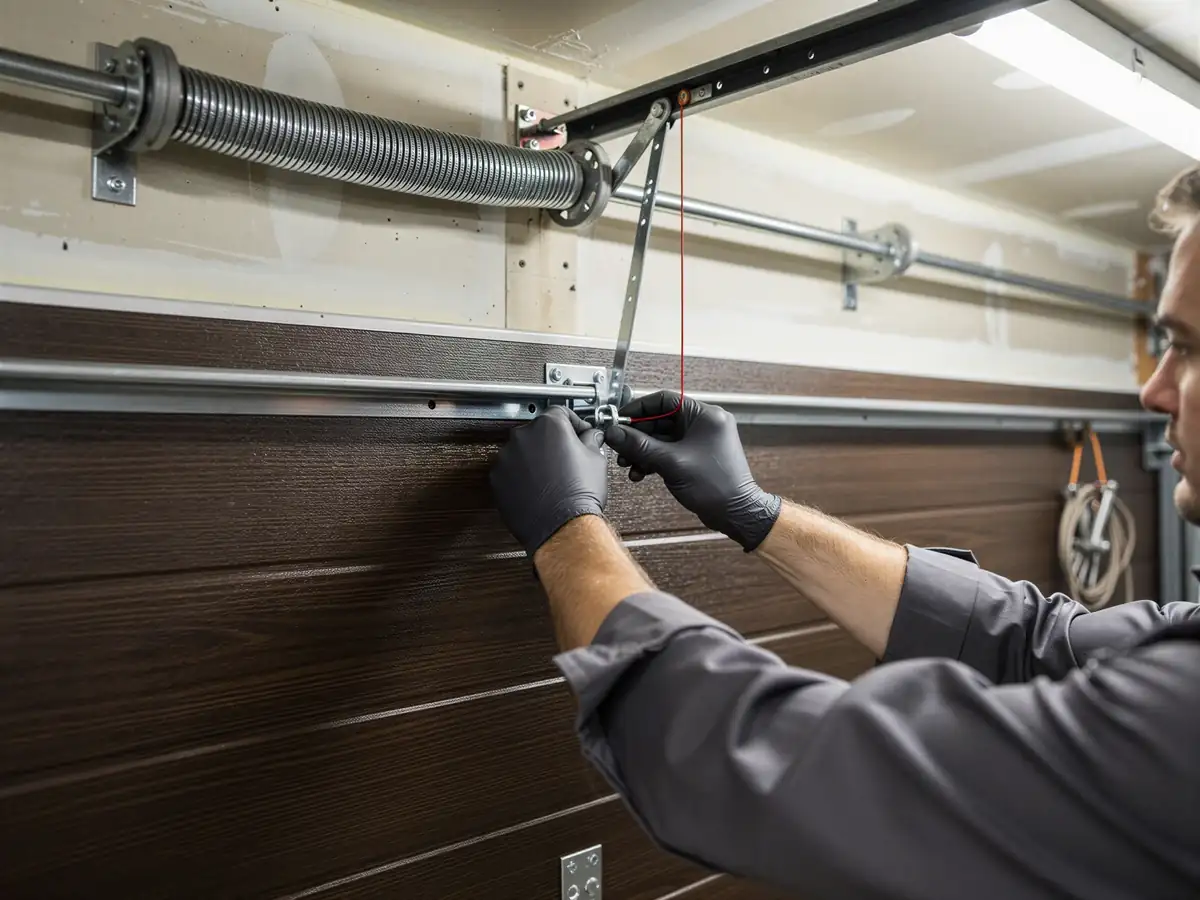
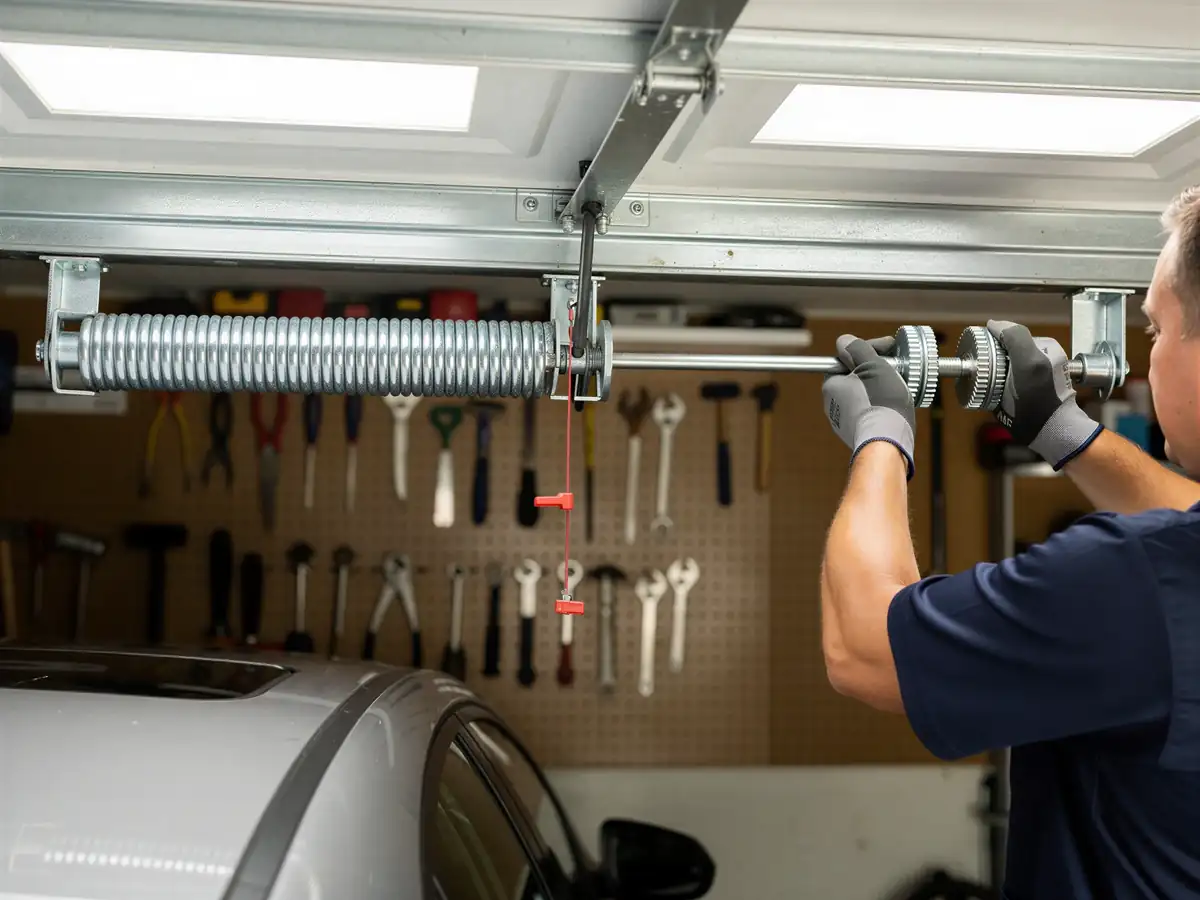
We measure the door's weight and the drum size before we touch anything, because replacing a spring with the same part that failed just buys you another failure down the road. On torsion systems we unwind the old spring with winding bars, pull the shaft if the bearing plates are worn, and set the new spring to the door's actual weight rather than guessing from a chart. On extension spring setups, which show up more on single-car doors in some of the newer Midlothian developments, we add safety cables if the original installer skipped them.
We carry common spring sizes on the truck for the drive down, since a wasted trip back to Cedar Hill costs you the better part of an afternoon in wait time. If a door needs an odd-size spring we don't have on hand, we'll say so and give you a straight answer on lead time rather than installing something close enough and hoping it holds.
What You Pay
We don't have a fixed number to quote you here, and we're not going to make one up. Spring cost depends on whether you've got one torsion spring or a pair, the wire gauge and length for your specific door, and whether the drums, bearings, or cables need replacing alongside it. What we can tell you is that Midlothian's housing runs newer than a lot of the area we cover, and newer doors tend to need fewer add-on repairs beyond the spring itself, since the track and hinges haven't had as many years to wear. We'll give you the number before we start, not after.
The Symptom
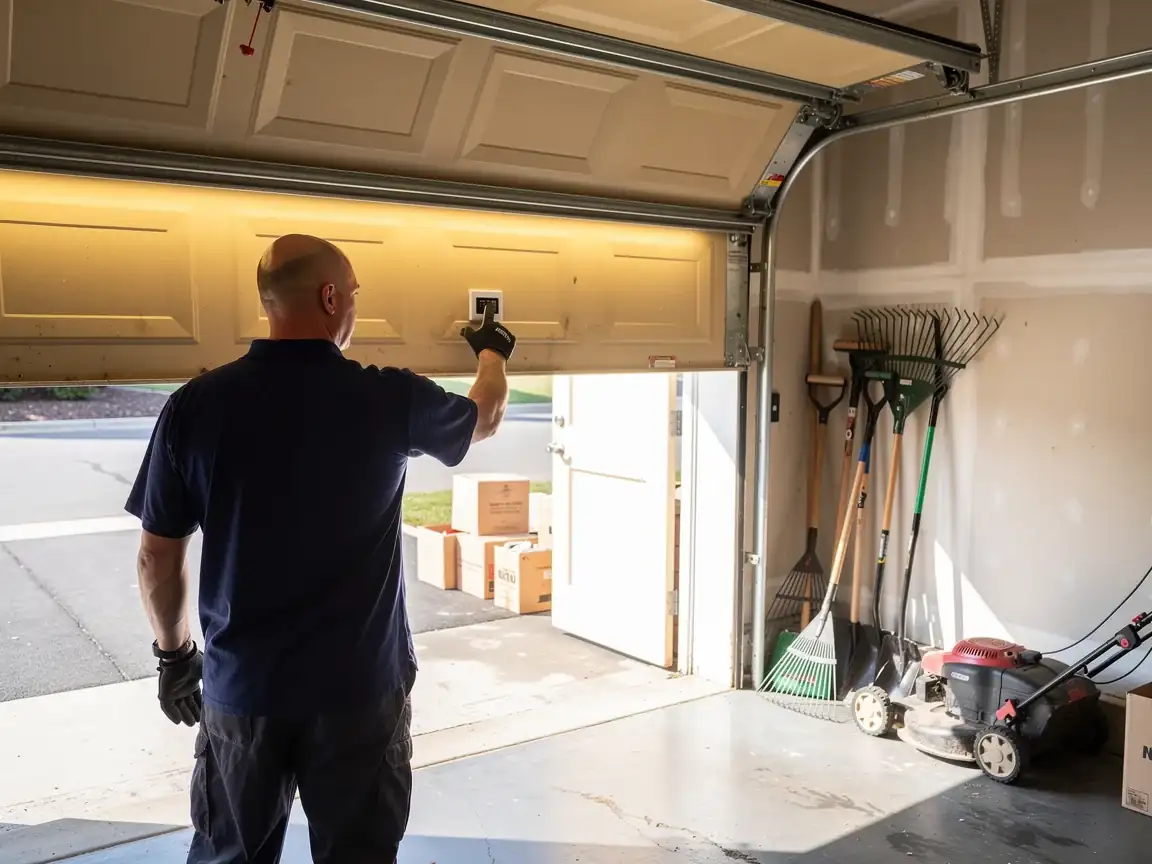
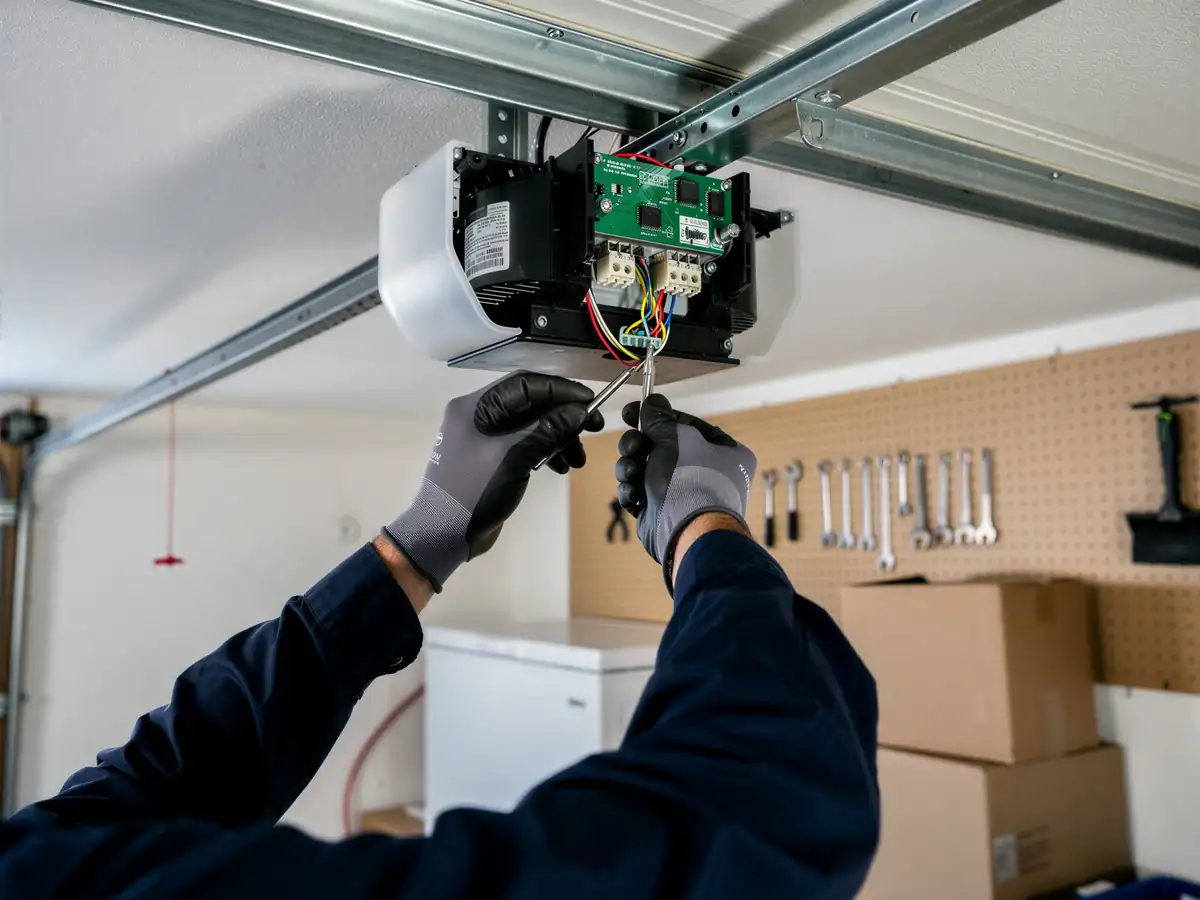
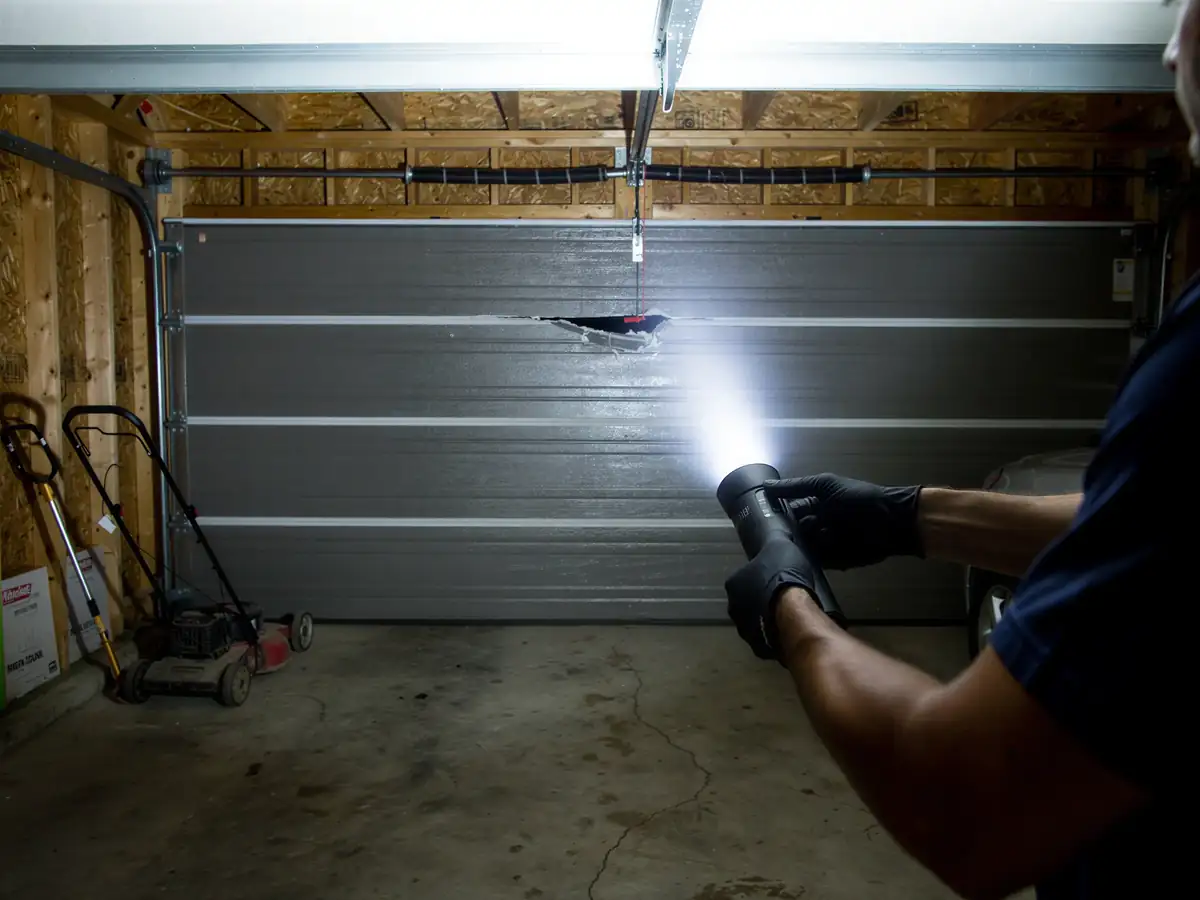
The door won't open, or it starts up and stops partway, or it slams down fast when someone tries to lift it by hand. If you hear a loud bang from the garage, that's almost always the spring letting go, not the opener. Pulling the emergency release and trying to lift the door by hand will tell you fast: a door that's suddenly twice as heavy as it used to be has lost its spring tension. Don't keep running the opener against a broken spring. It'll burn out the motor trying to do a job the spring is supposed to share.
What Causes It Around Here
Spring failure is mostly a cycle-count problem, and cycle count comes down to how often the door opens and closes, not the calendar year on the house. With 12,140 households in Midlothian and a median income well above the wider service area's $77,161, we see a fair number of two- and three-car garages getting heavy daily use, plus doors that run opener cycles for second vehicles or workshop space. The moderate heat band this part of Texas sits in means the metal fatigue is driven by use more than by extreme temperature swings, which is different from what we'd tell a customer in a harsher climate. A door cycling four or five times a day simply wears its spring faster than one used twice.