Can You Do This Yourself
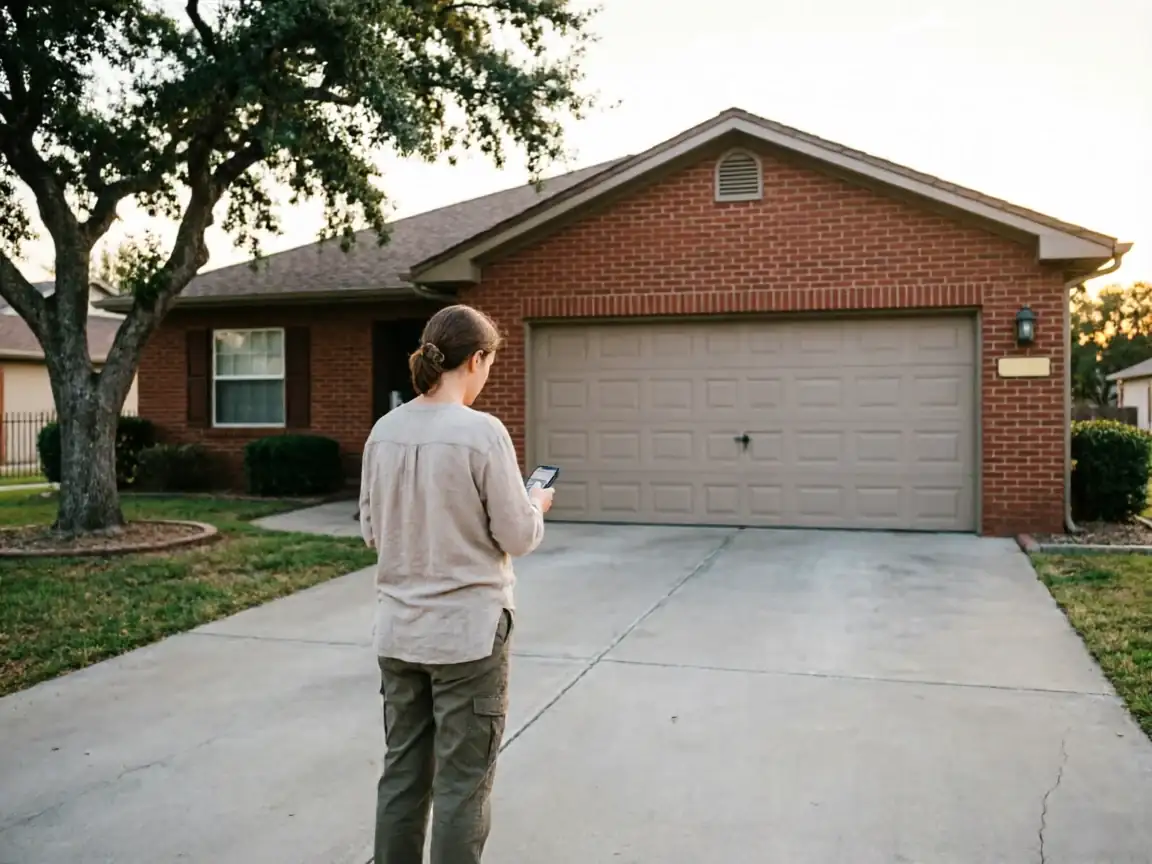
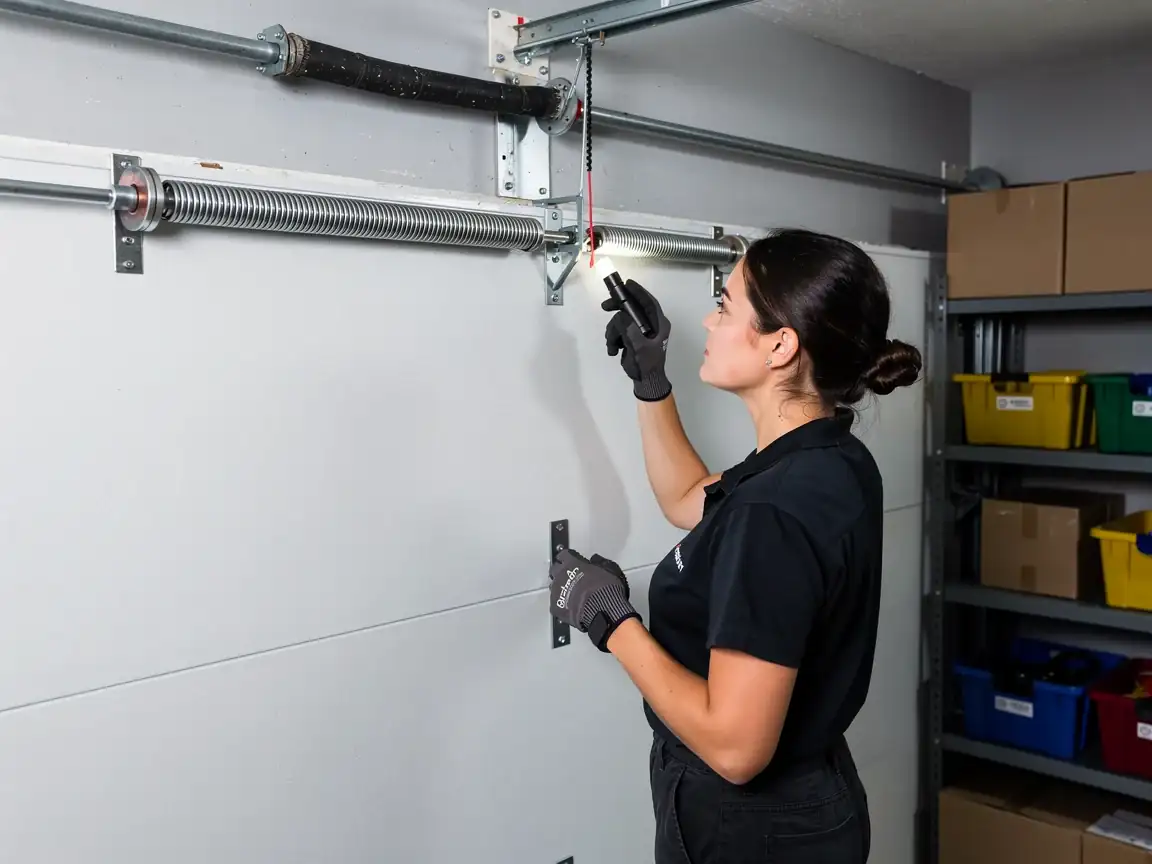
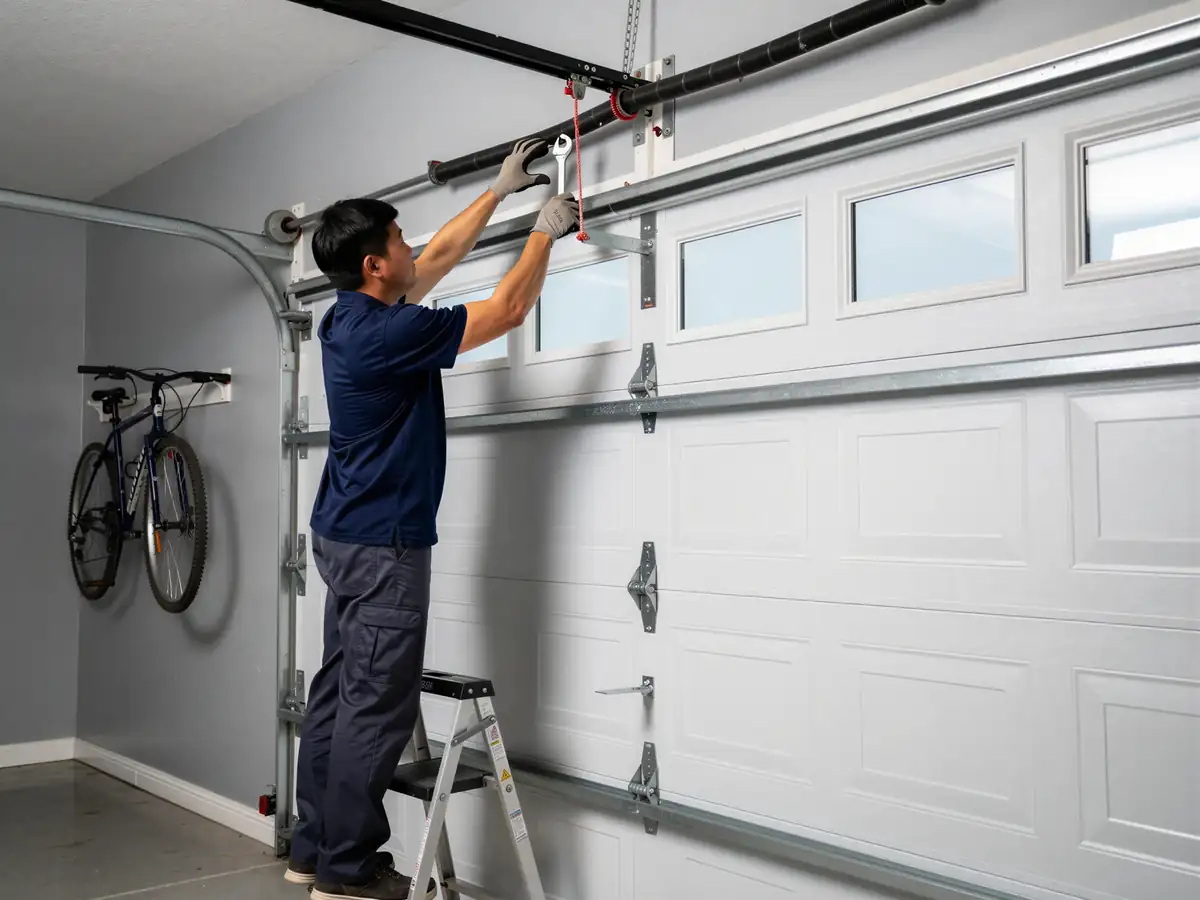
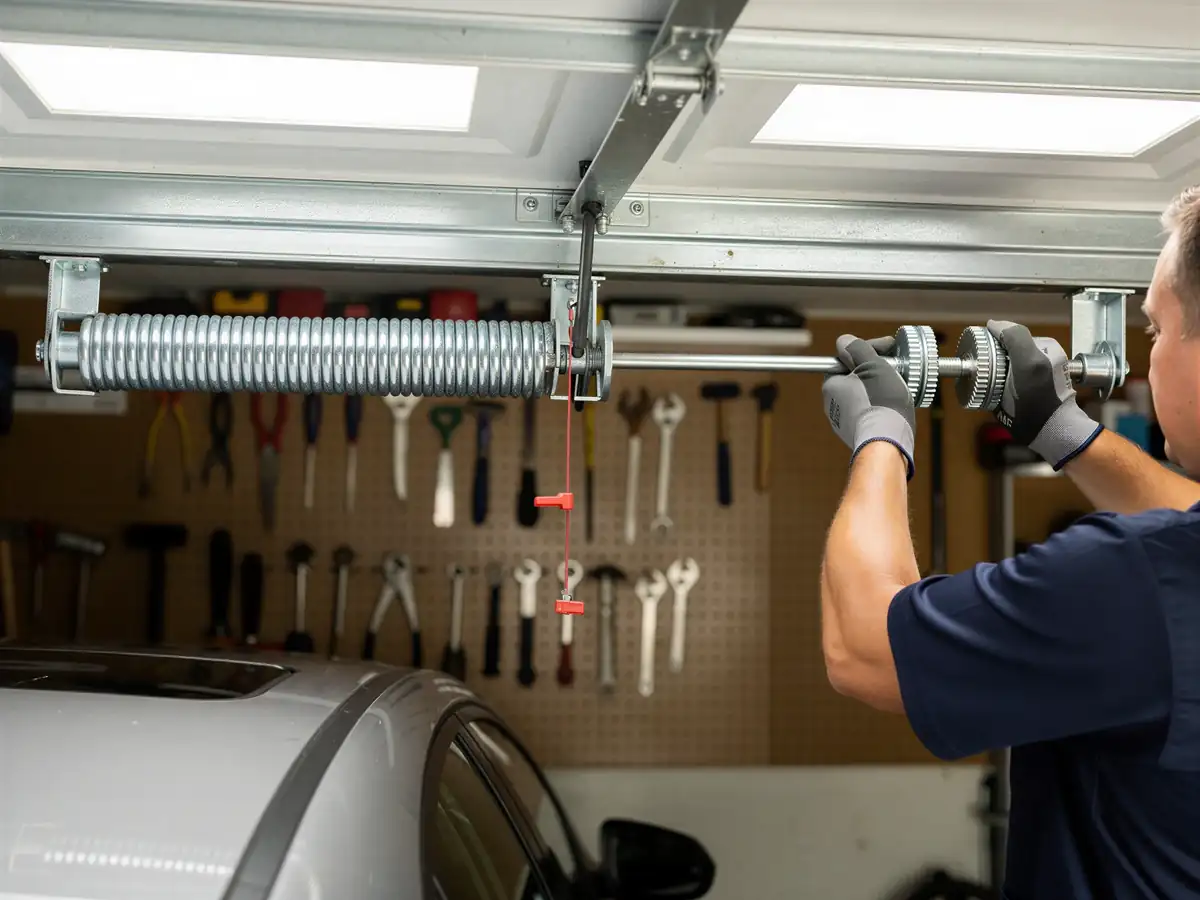
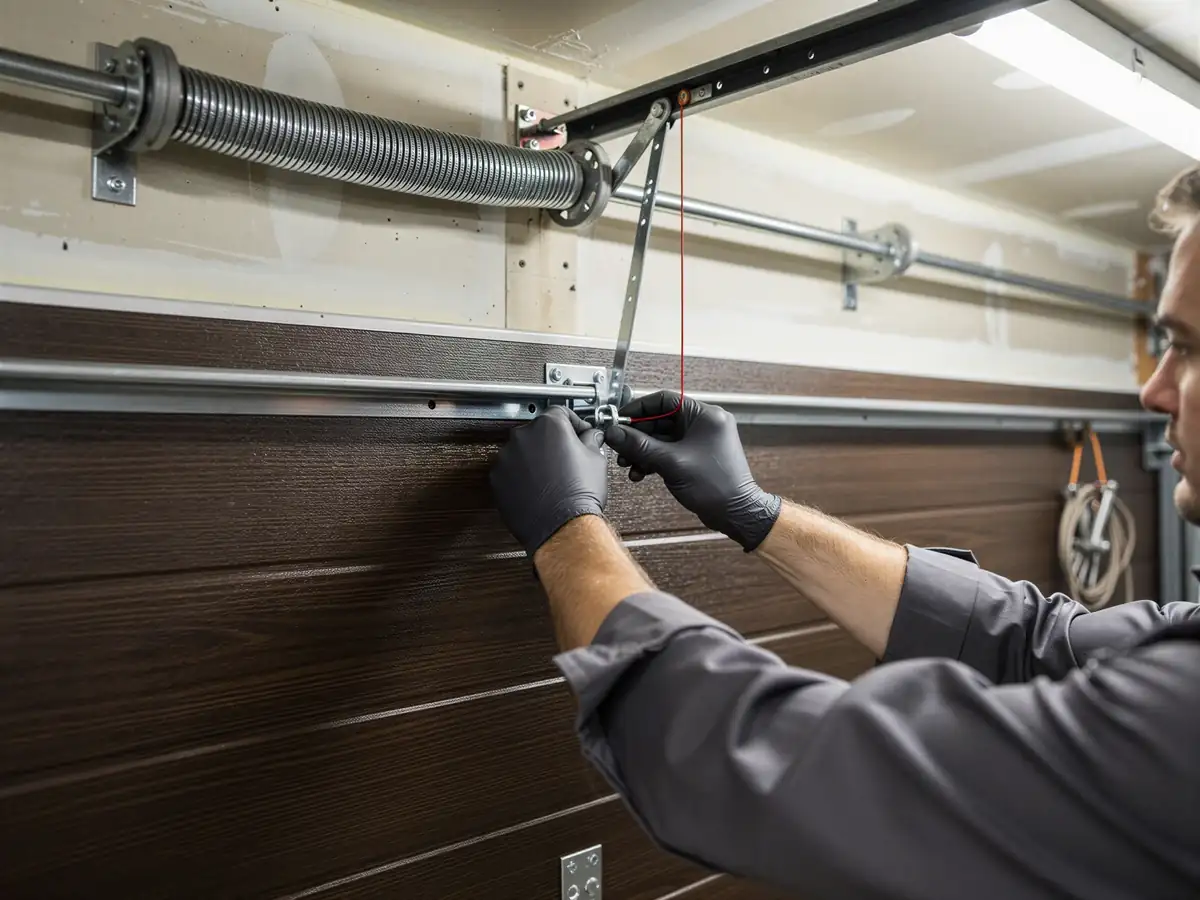
Most Lancaster houses were built around 1990, which puts a lot of doors here on torsion spring systems rather than the older extension-spring setups you'll find on pre-1970s stock elsewhere in the service area. Torsion springs are wound under real tension and they are not a weekend project - a spring that lets go while you're adjusting it can break a hand or worse. Swapping rollers, lubricating track, or tightening loose hinge bolts is reasonable DIY work on a door this age. Springs, cables, and anything involving the torsion bar above the door is not. If you're not sure which category your problem falls into, that uncertainty itself is a reason to call rather than guess.
What Is on the Truck
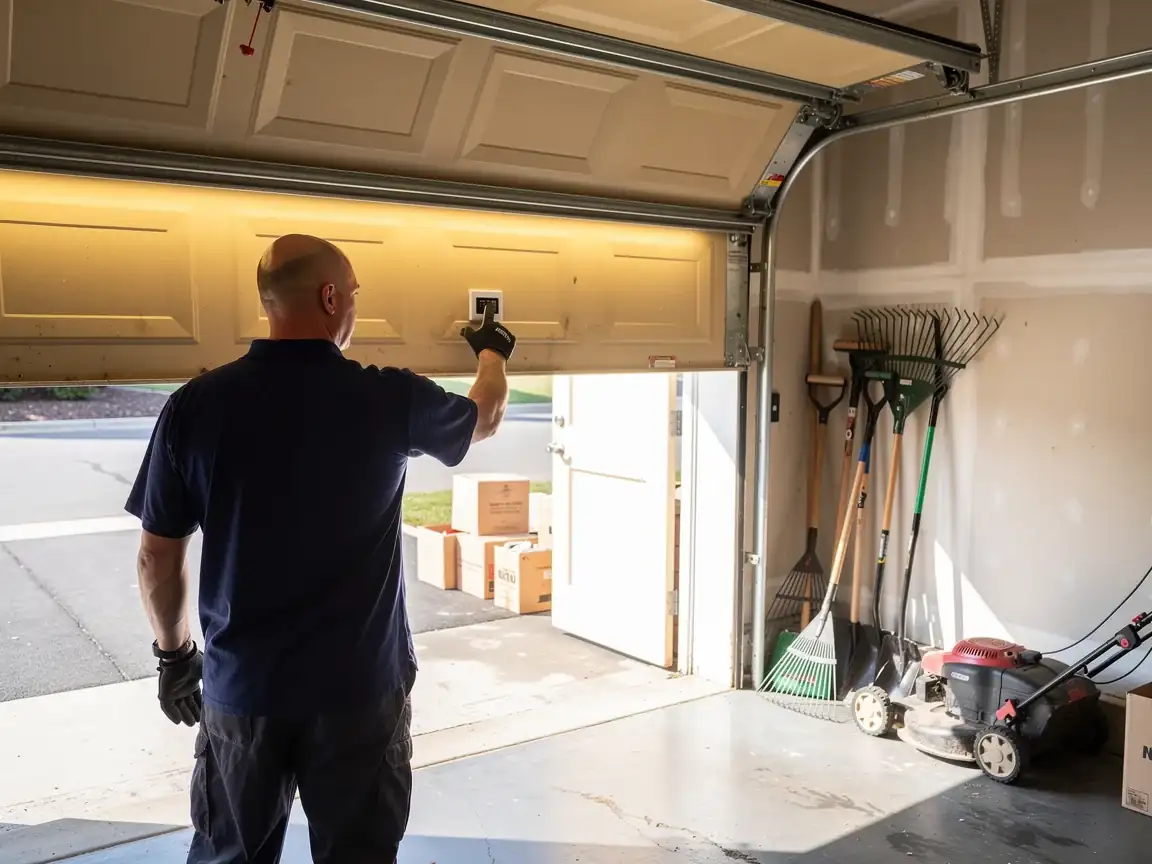
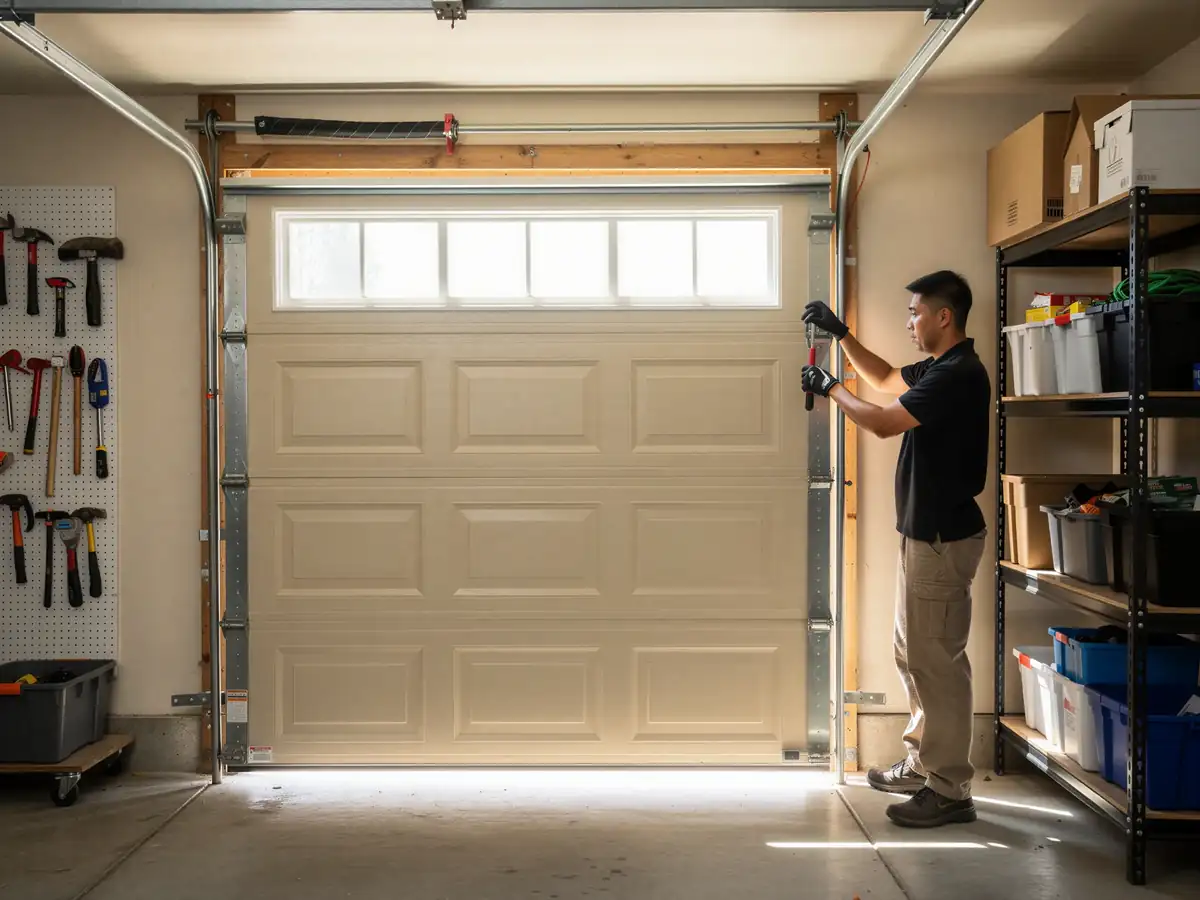
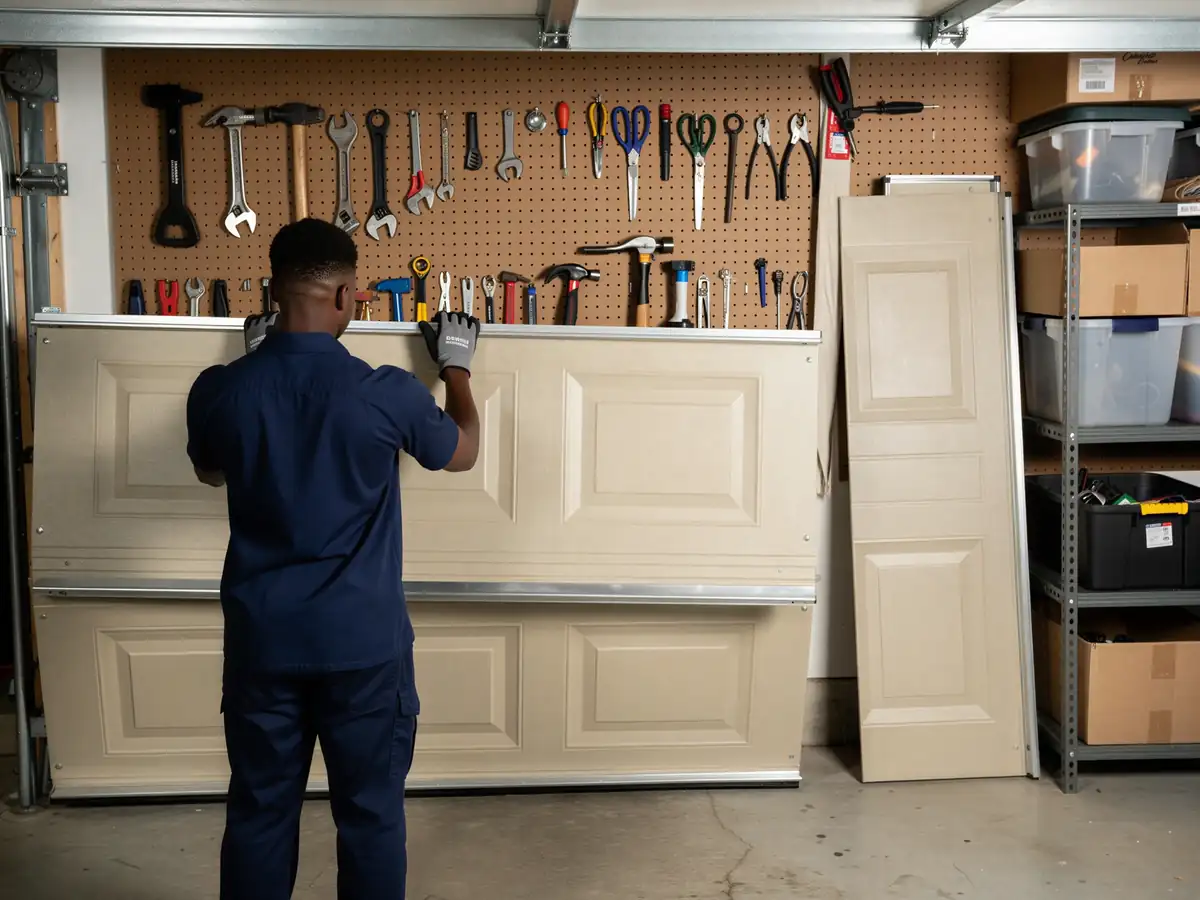
Because the drive out to Lancaster is 11 miles, we stock the truck for what houses built around 1990 actually need: torsion springs in the common residential sizes, standard-track rollers, and openers that match what shipped with doors from that era rather than older chain-drive units. Garage doors in this part of the service area aren't generally the original 1970s one-piece style you'll see on older streets closer to Cedar Hill, so we're not carrying parts for hardware nobody here has. What we don't carry is every obscure opener logic board or a custom panel color - special-order parts still mean a return trip, and we'll tell you that up front rather than let you think it's same-day.
The Symptom
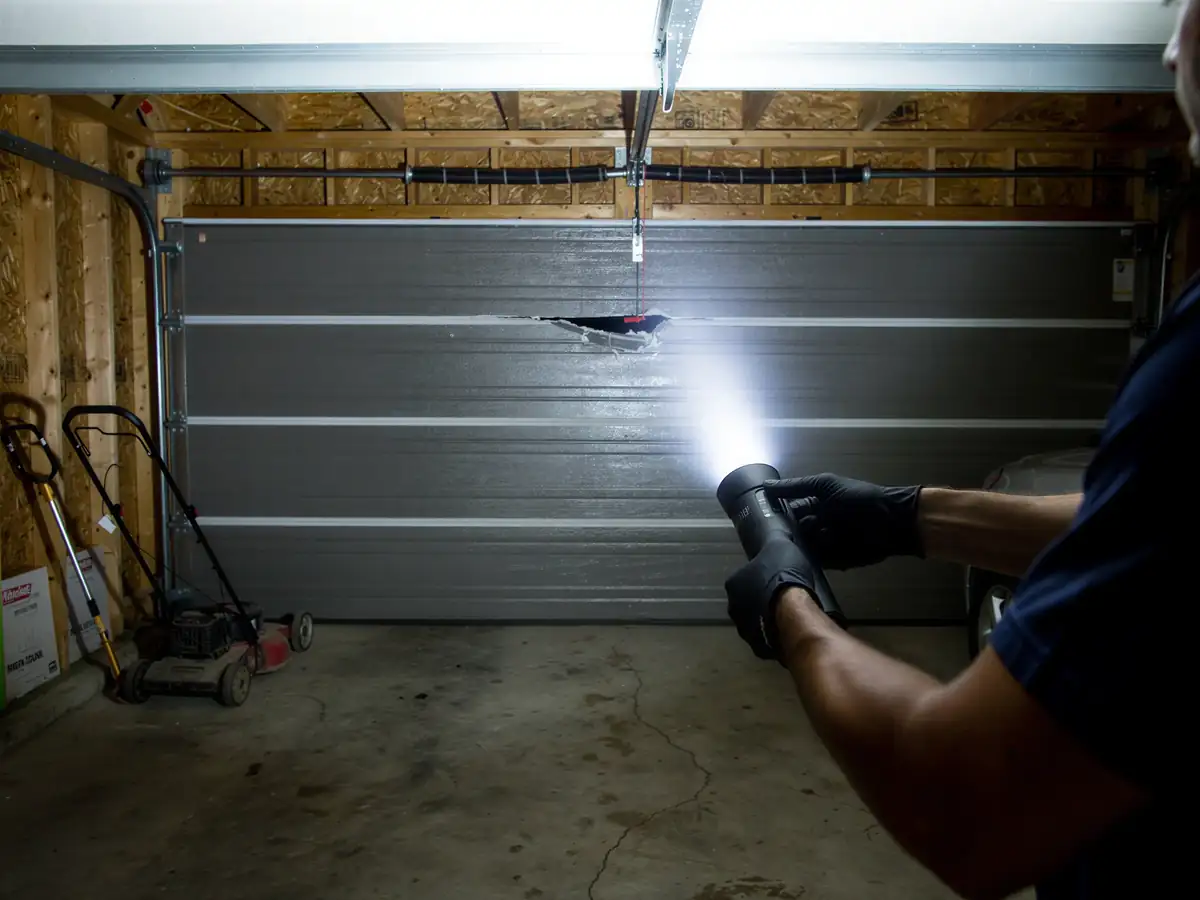
The call we hear most from this area is a door that slams the last foot of travel, or won't open past waist height before the opener strains and reverses. On houses from the early 1990s, that's almost always a torsion spring losing tension - not the opener's fault, even though the opener takes the abuse and sometimes burns out trying to lift a door the spring can no longer carry. A second common one: a door that's noticeably heavier to lift by hand than it used to be, which is the spring telling you the same thing before the opener gets involved. Either symptom points to the spring first, before we start looking at the motor.
What Can Go Wrong
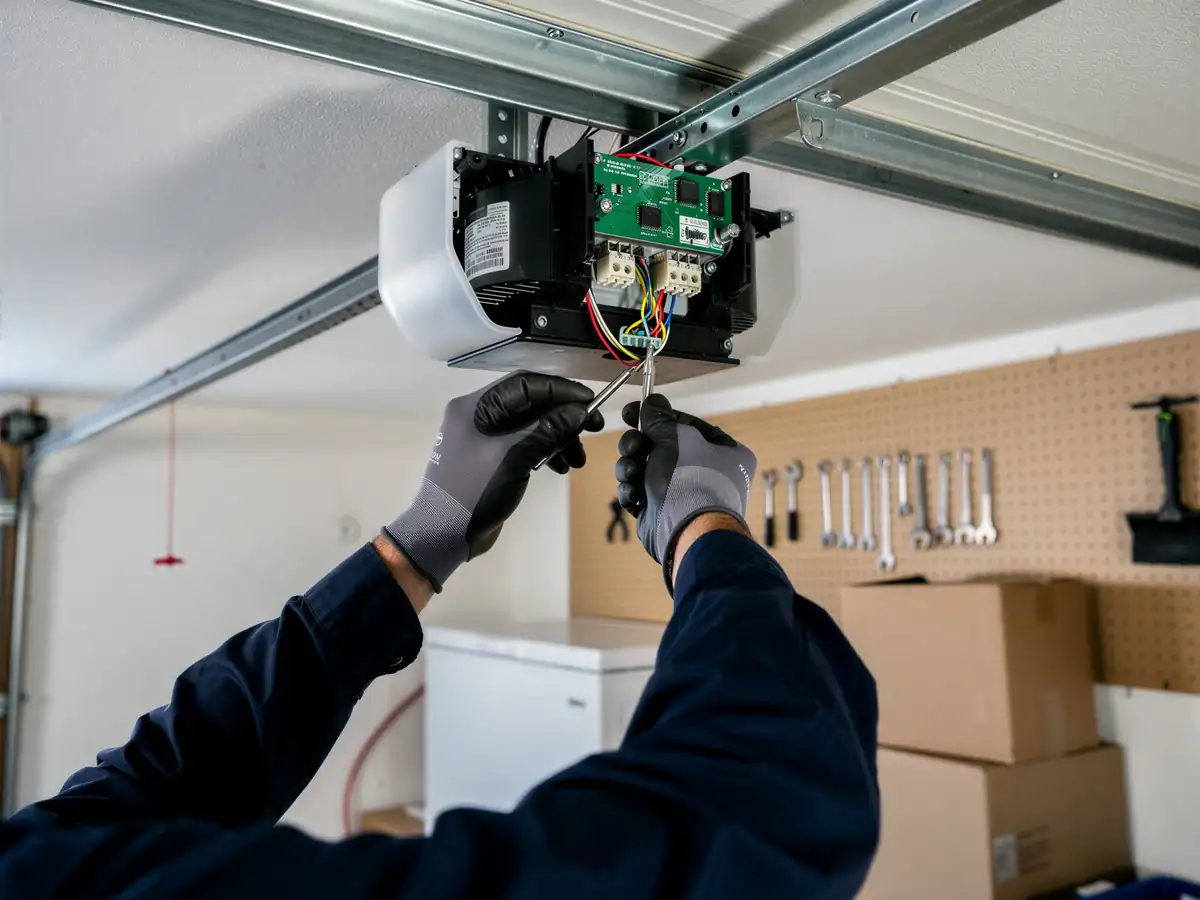
If a spring job gets put off, the opener usually pays for it - burned-out gears or a stripped drive from months of lifting more than its share. We've also seen cable fray on doors of this age where the spring was replaced once already but the cable wasn't checked at the same time; one wears out, the other follows close behind. Honest limitation: if the opener logic board has failed and it's an older or discontinued model, we may not have that exact board on the truck, and getting one can take longer than the spring or cable work itself. In that case, replacing the opener outright is often faster and no more expensive than waiting on a special-order part.