Can You Do This Yourself
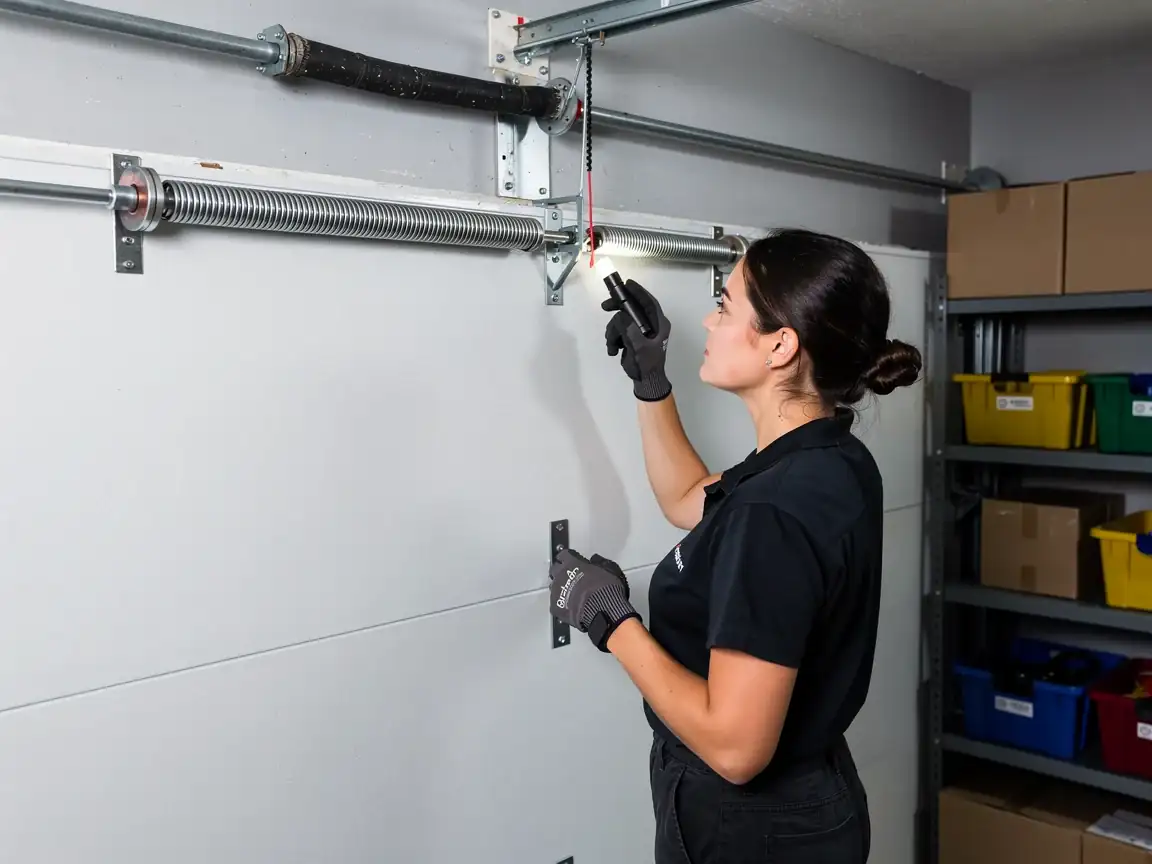
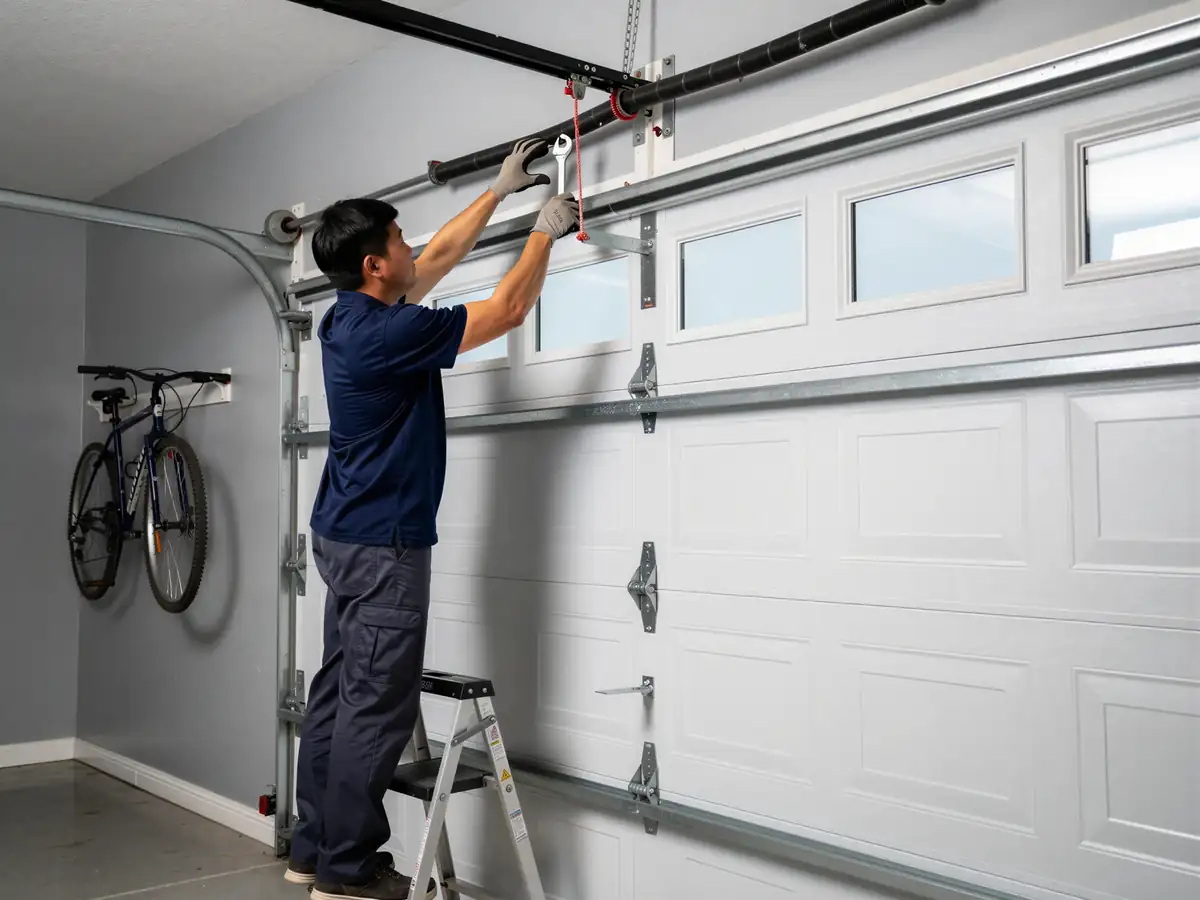
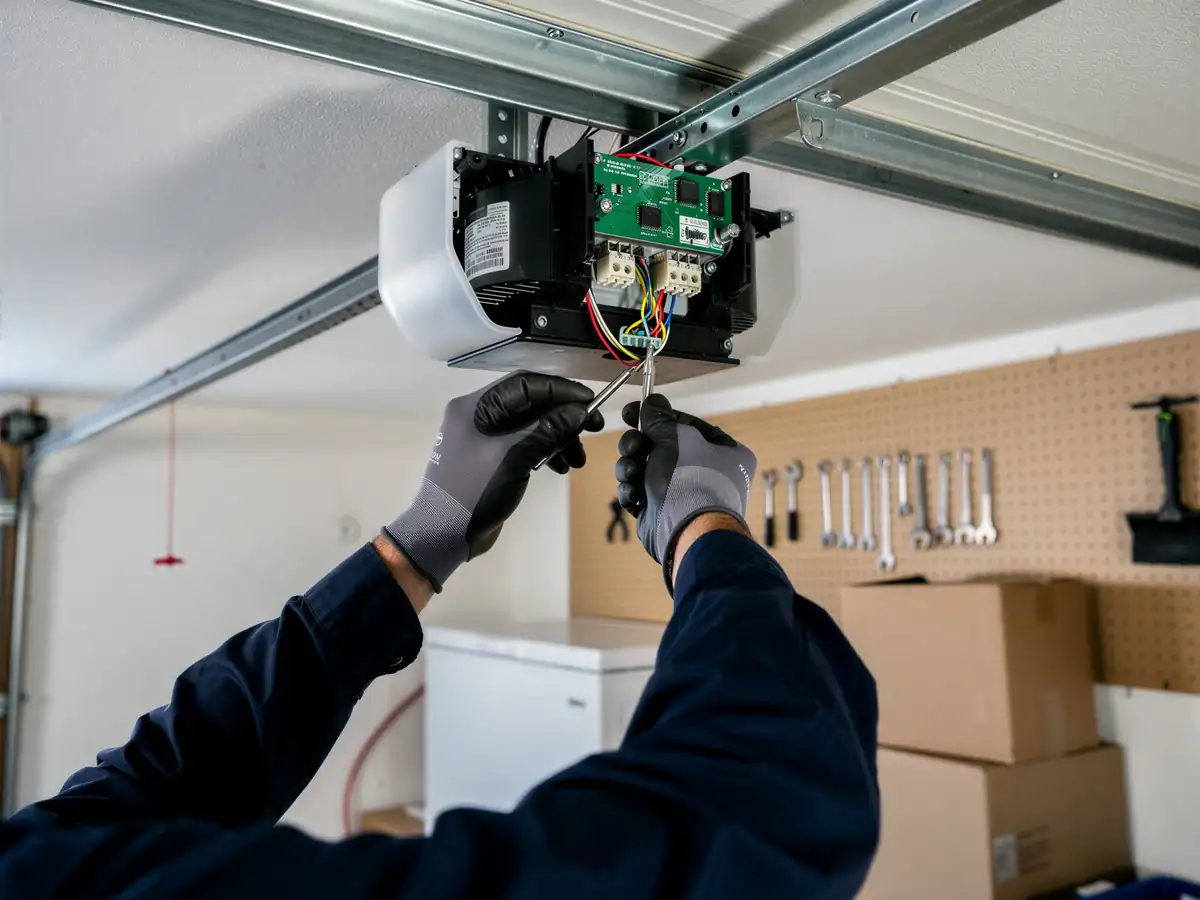
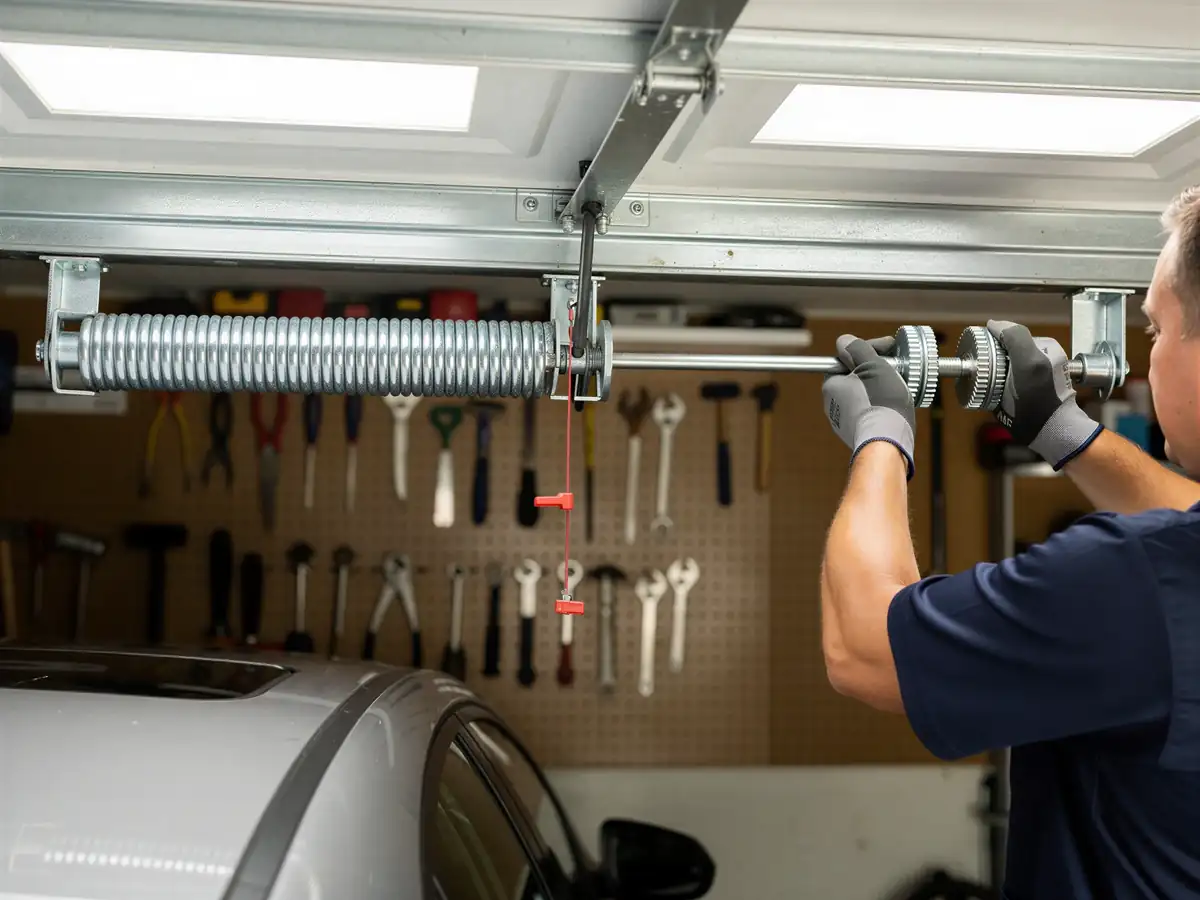
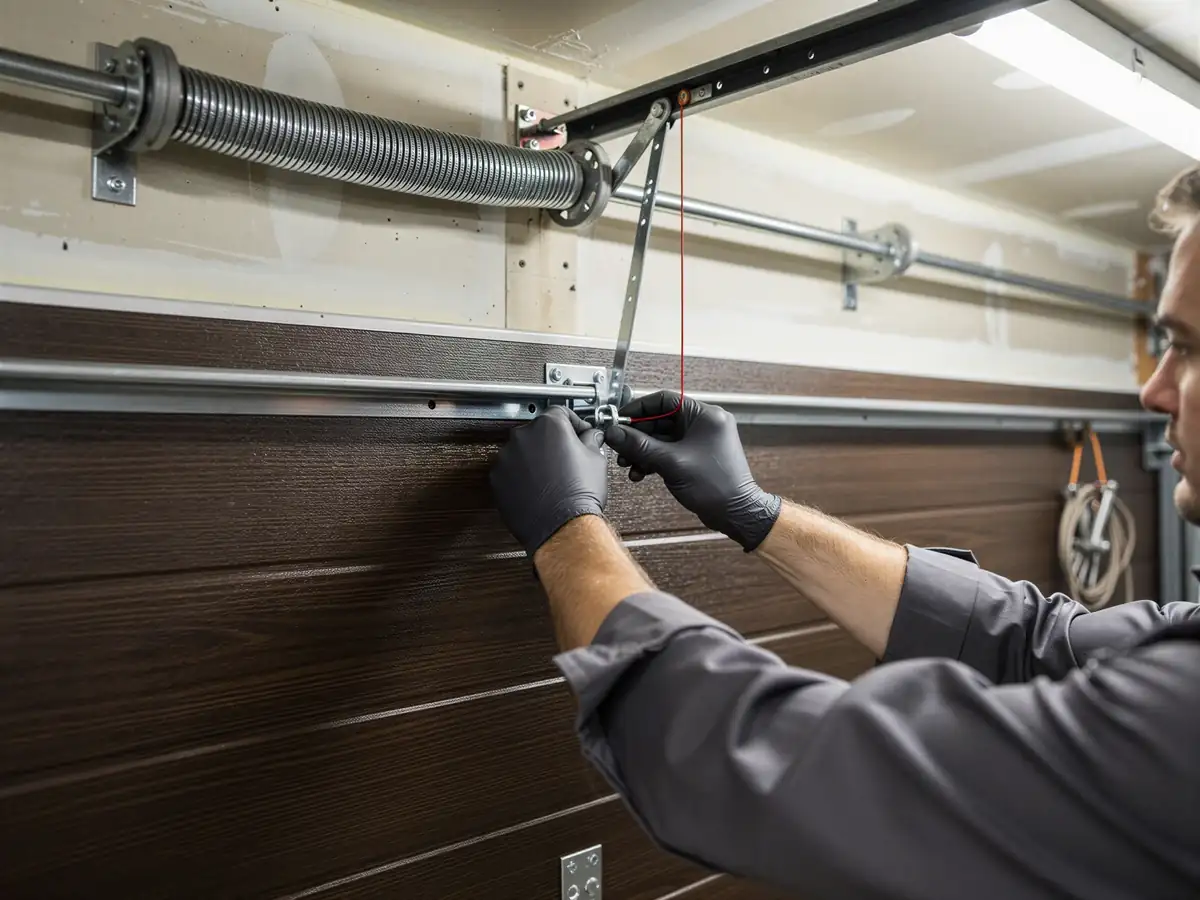
A garage door panel is heavy, the spring holding it up is under real tension, and on a double door the torsion bar can put a grown man in the hospital if it lets go wrong. That's the short version of why we don't recommend a DIY swap, especially on anything built on the hardware common to houses from this era. Across the wider area, 36,958 of 60,496 households own their homes, and for a lot of owners a garage door is the kind of job they'd rather hand off once and be done with. If you're set on doing it yourself, the opener wiring and the weatherstrip trim are the low-risk parts. The spring system, the track alignment, and squaring the door to an opening that's shifted over thirty-plus years of settling are not. We'll say plainly: a bad DIY install usually costs more to unwind than it would have cost to do once, right.
What Is on the Truck
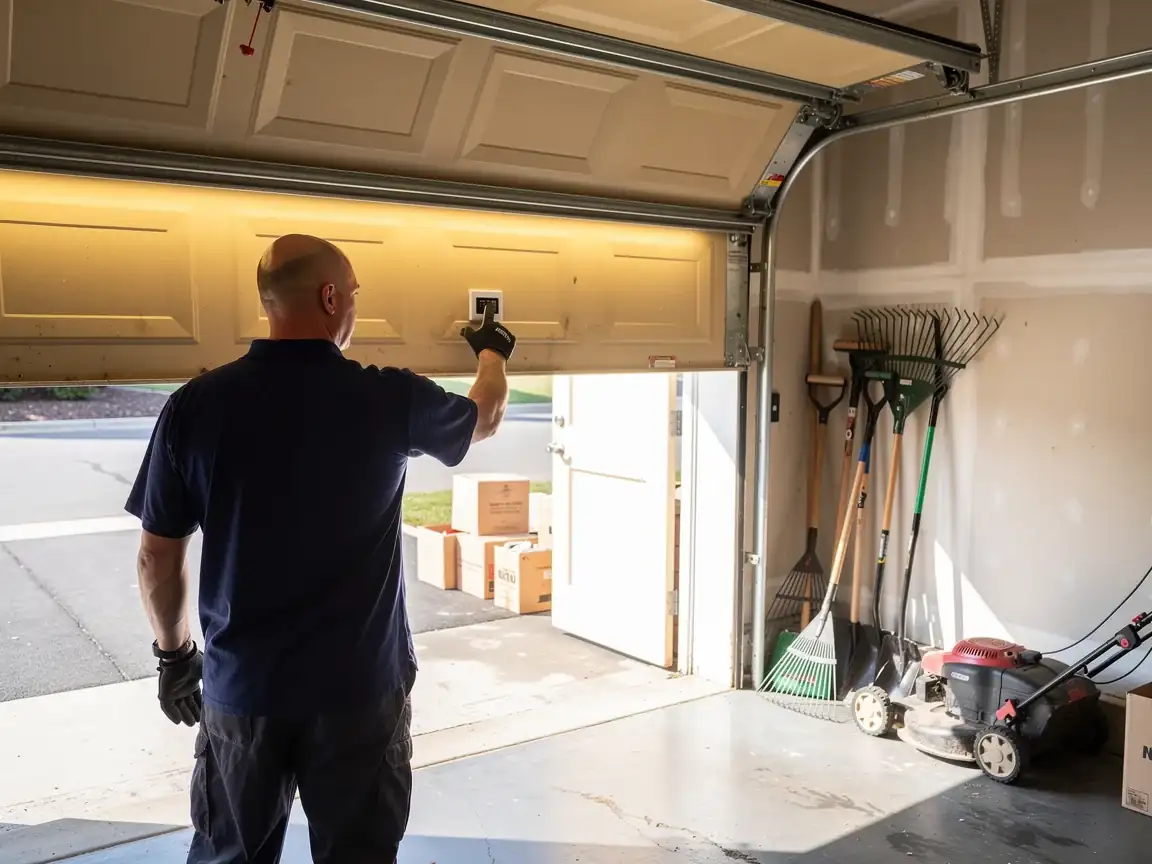
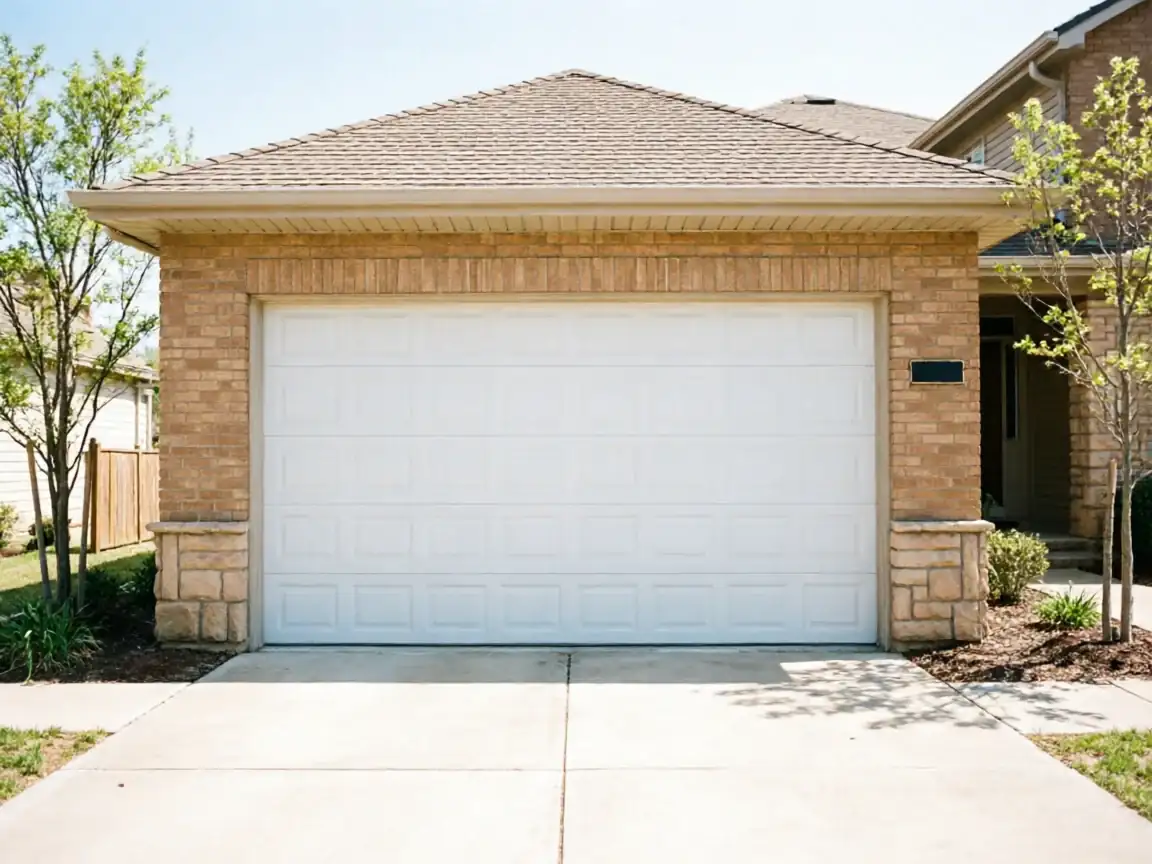
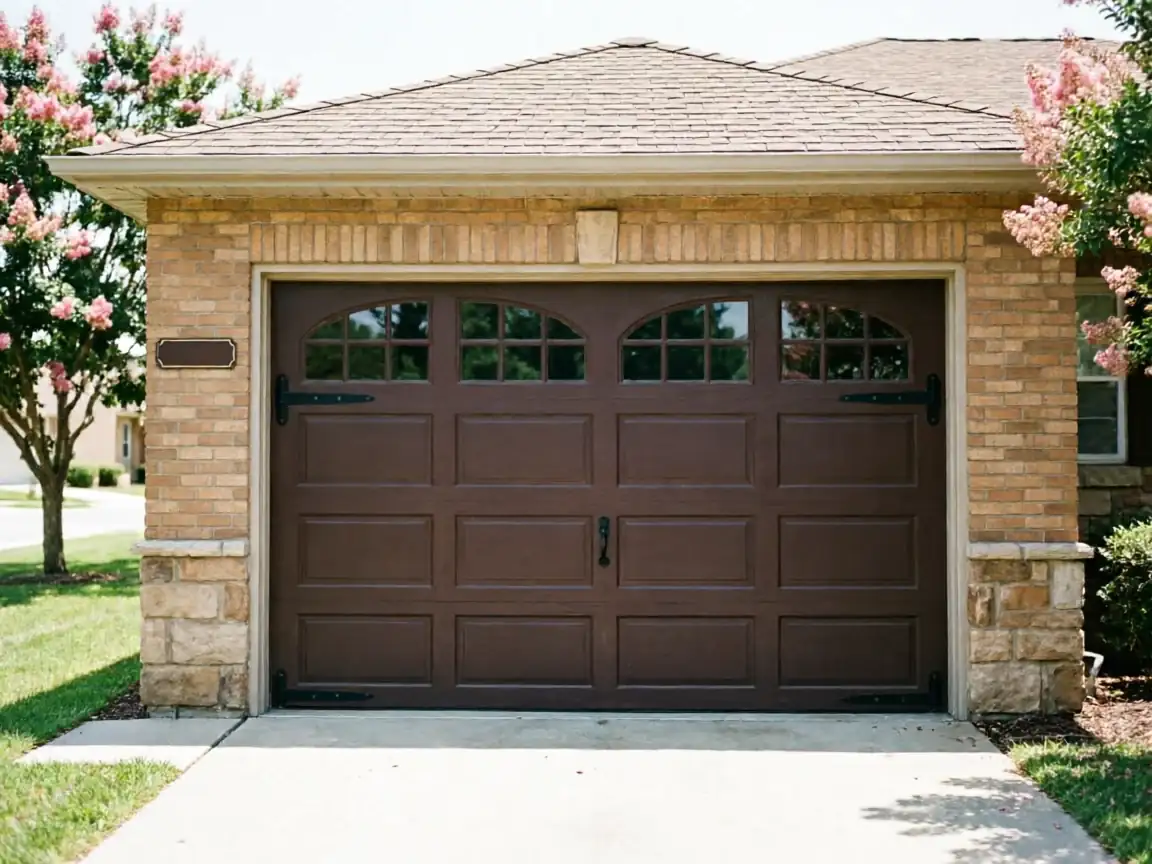
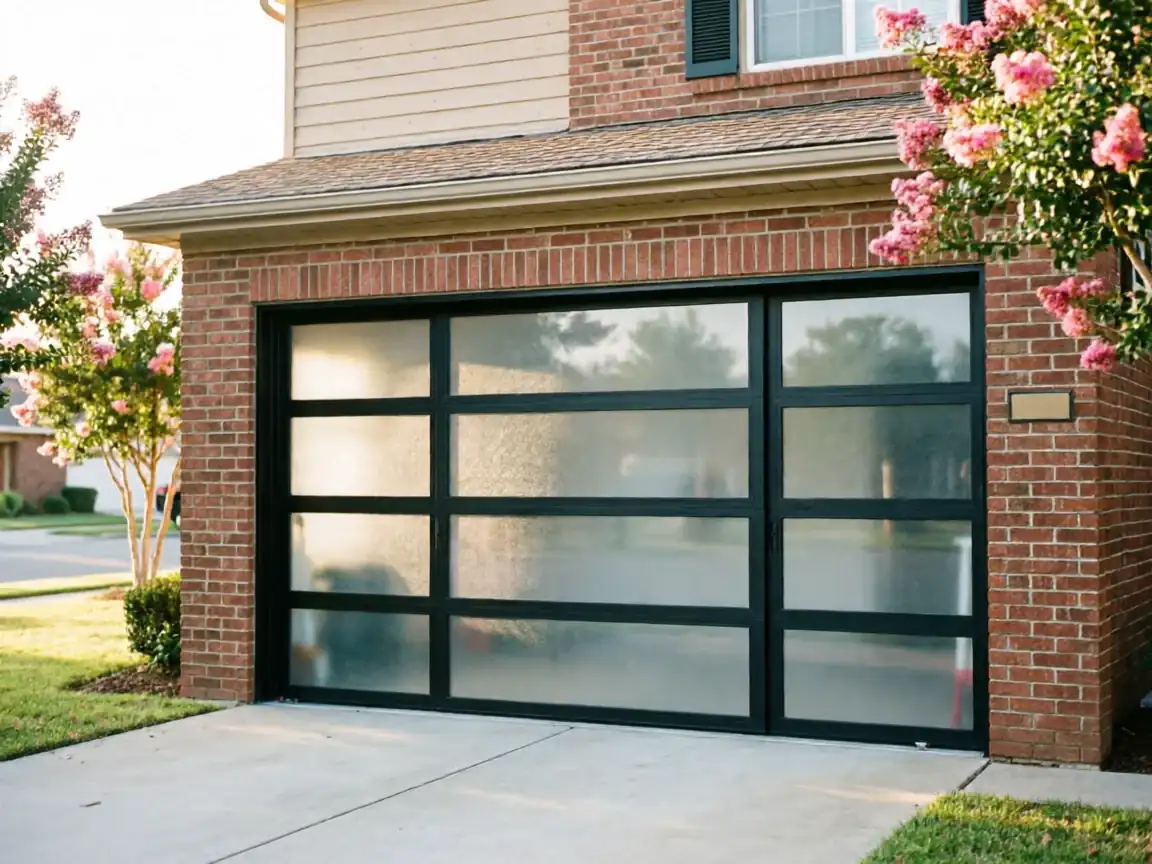
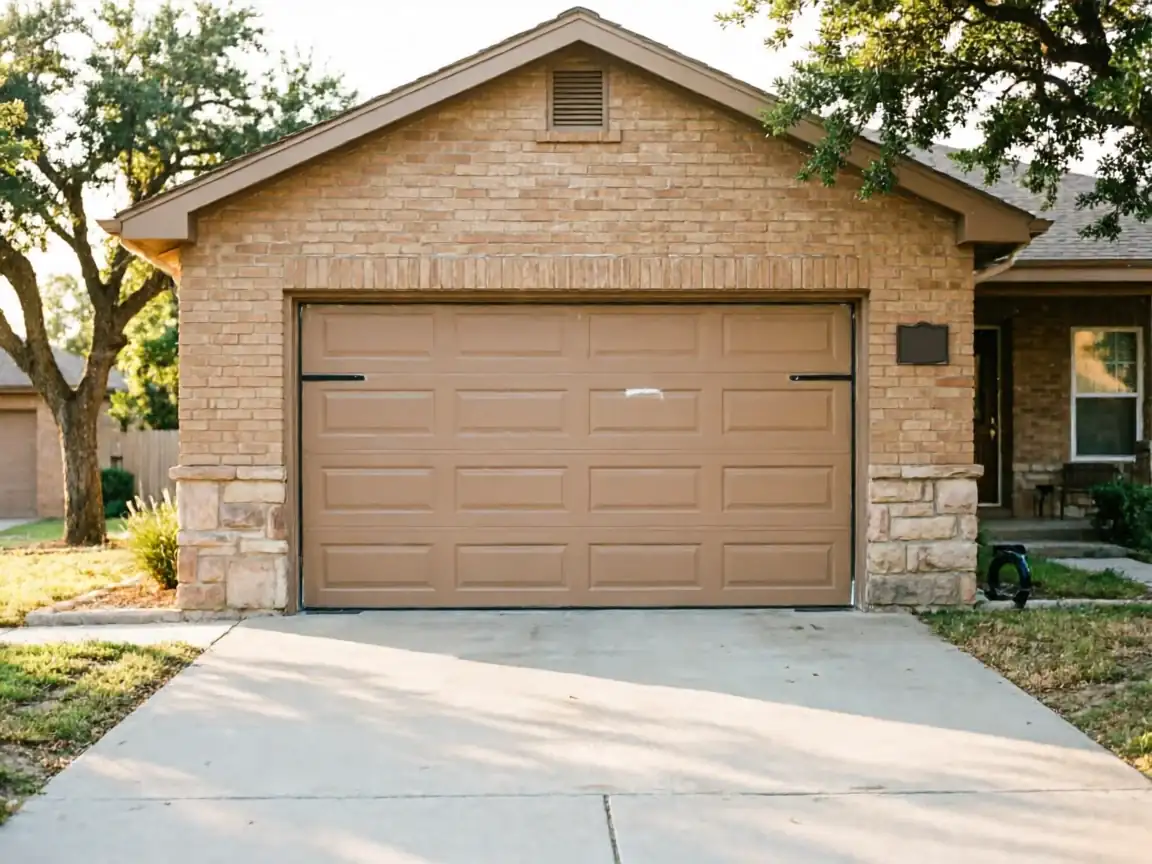
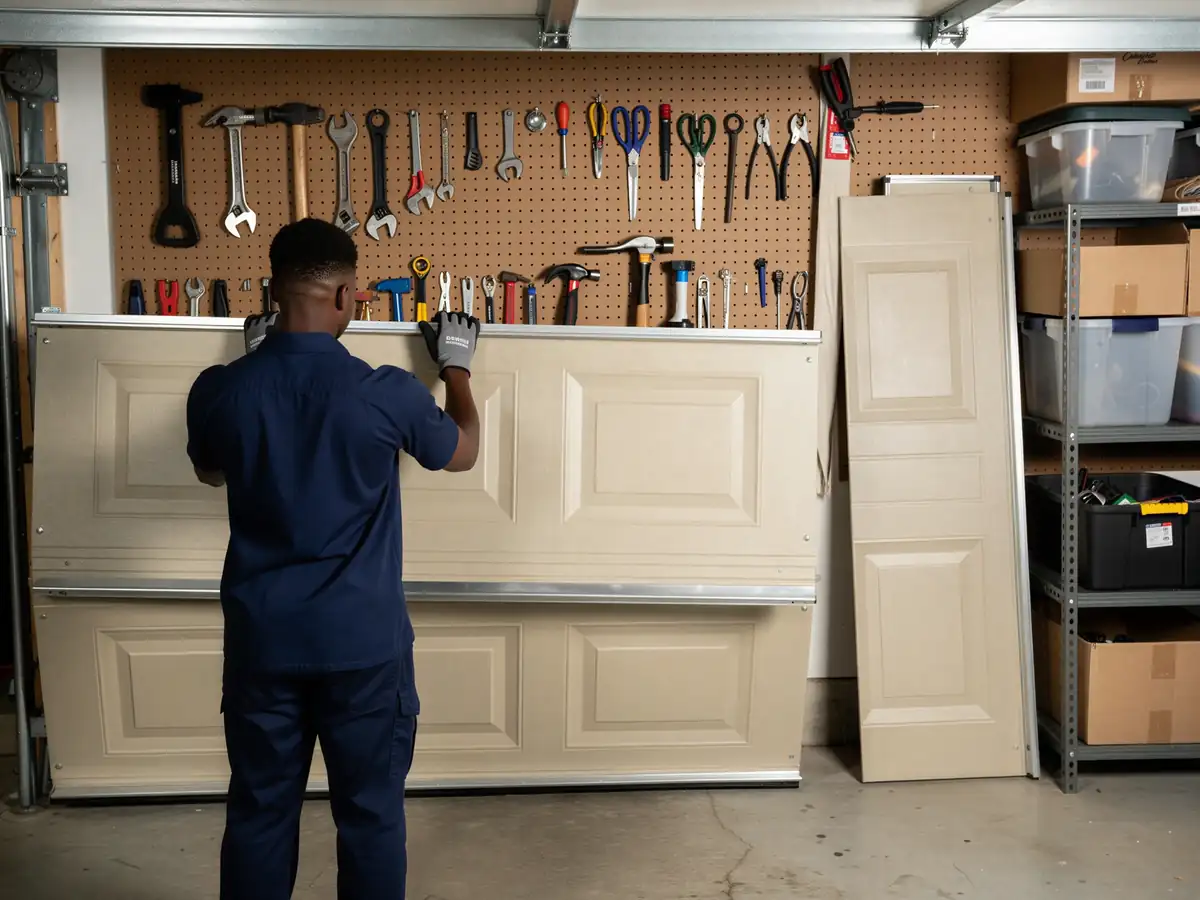
For a Lancaster install we load doors sized to openings common in houses built around 1990 - that's the bulk of what we run into here, sitting inside this area's broader 1969-to-2014 build range. We carry both steel and insulated sections, new track and rollers, and the fasteners and jamb hardware that match framing from that period rather than newer construction. Given the moderate heat this area sees through the summer, we stock enough insulated and weatherstripped options that an owner upgrading from a bare steel door doesn't have to wait on a special order just to get a sealed bottom and a foam-backed panel. What we don't carry is every custom width and finish - a nonstandard opening or a specific paint match still has to be ordered ahead. We also bring the opener hardware most commonly paired with these door weights, so a full door-and-opener swap doesn't need a second trip for parts we should have brought the first time.
The Symptom
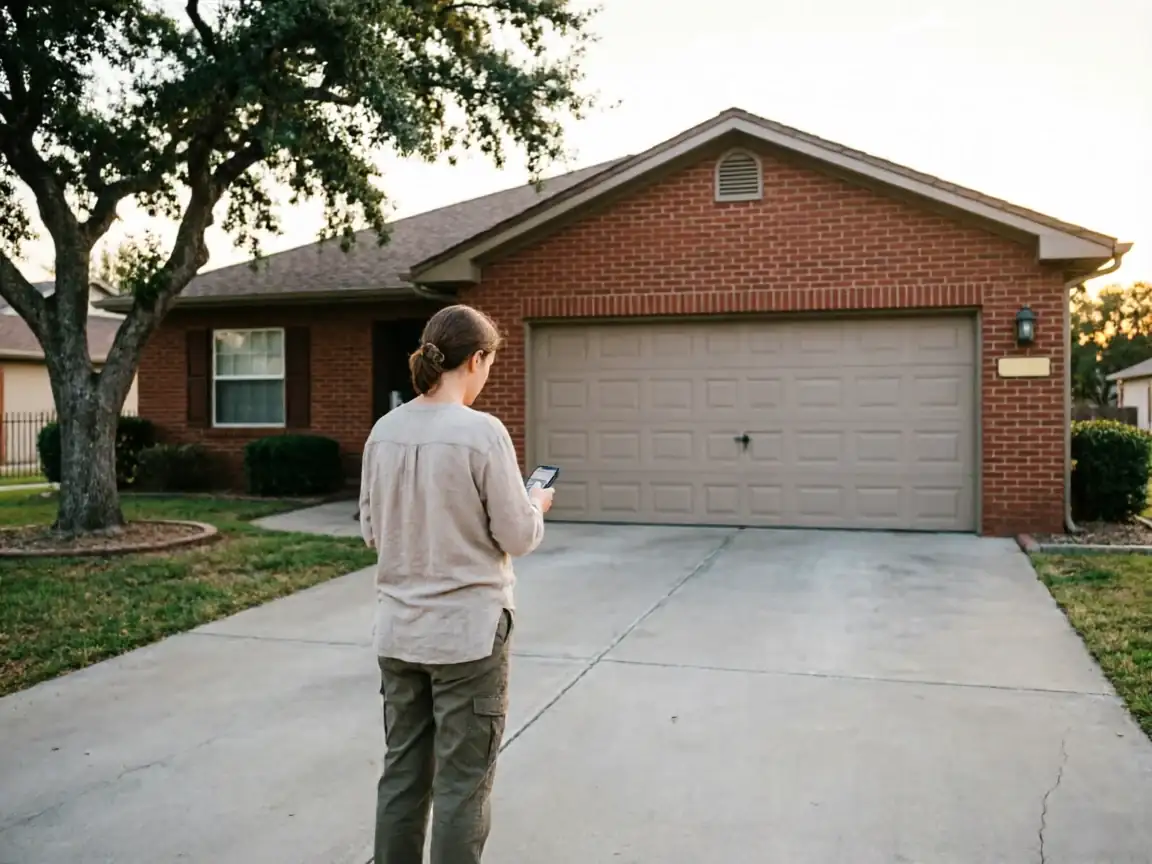
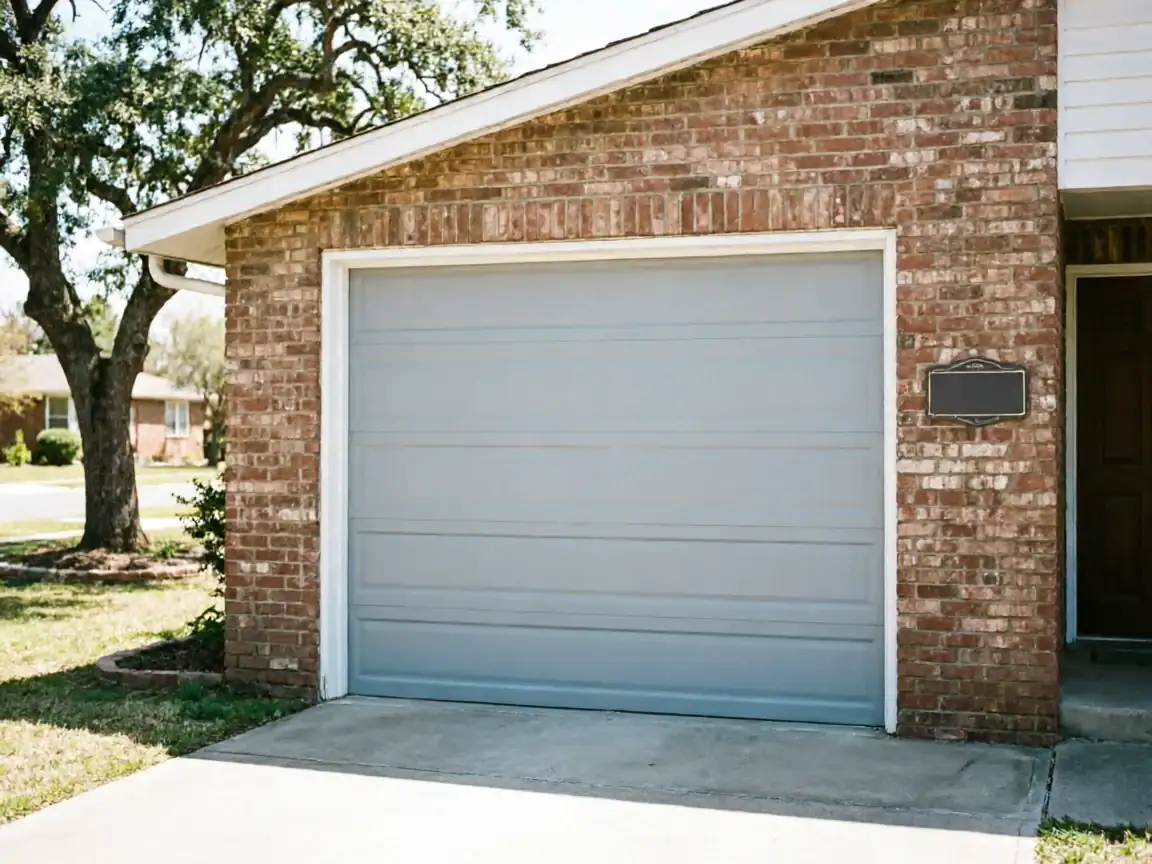
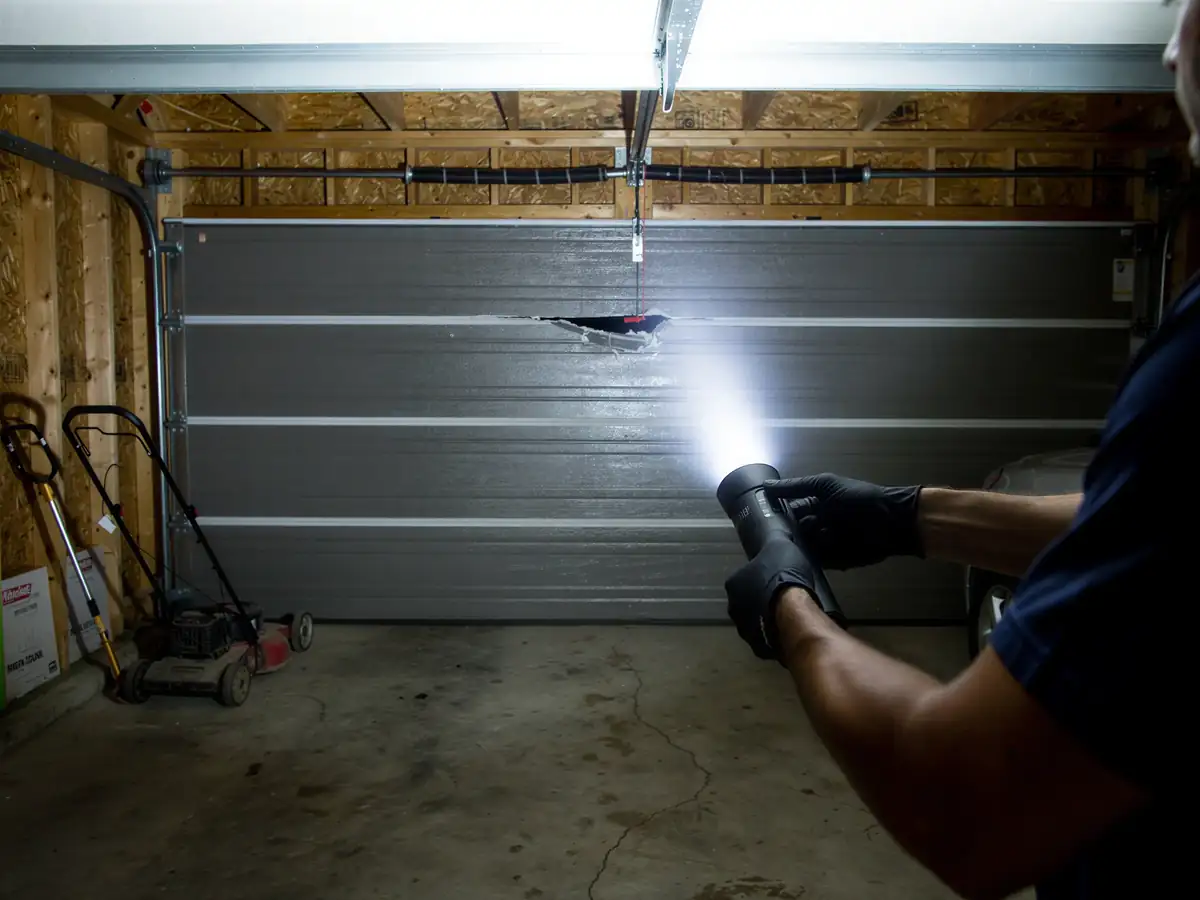
Most calls that turn into a new install in Lancaster start with a door that's been patched once already - a bent panel straightened out, a spring replaced on hardware that's clearly original to a house from around 1990. At some point the repair math stops working: parts for doors from that era aren't always stocked anymore, and a track that's been reset twice is a track that's going to keep needing attention. The other common lead-in is noise and drag that doesn't go away after a tune-up, which usually means the track or rollers have worn past the point lubrication fixes. Sometimes it's simpler than that - an opener strains and the door still looks fine, but the door itself has gotten heavy with age and moisture over decades, and the opener is doing work the spring should be doing. If your door is still original to a house built in this window and it's started needing yearly attention, that's usually the point where replacement costs less over five years than another round of patch repairs.
What Can Go Wrong
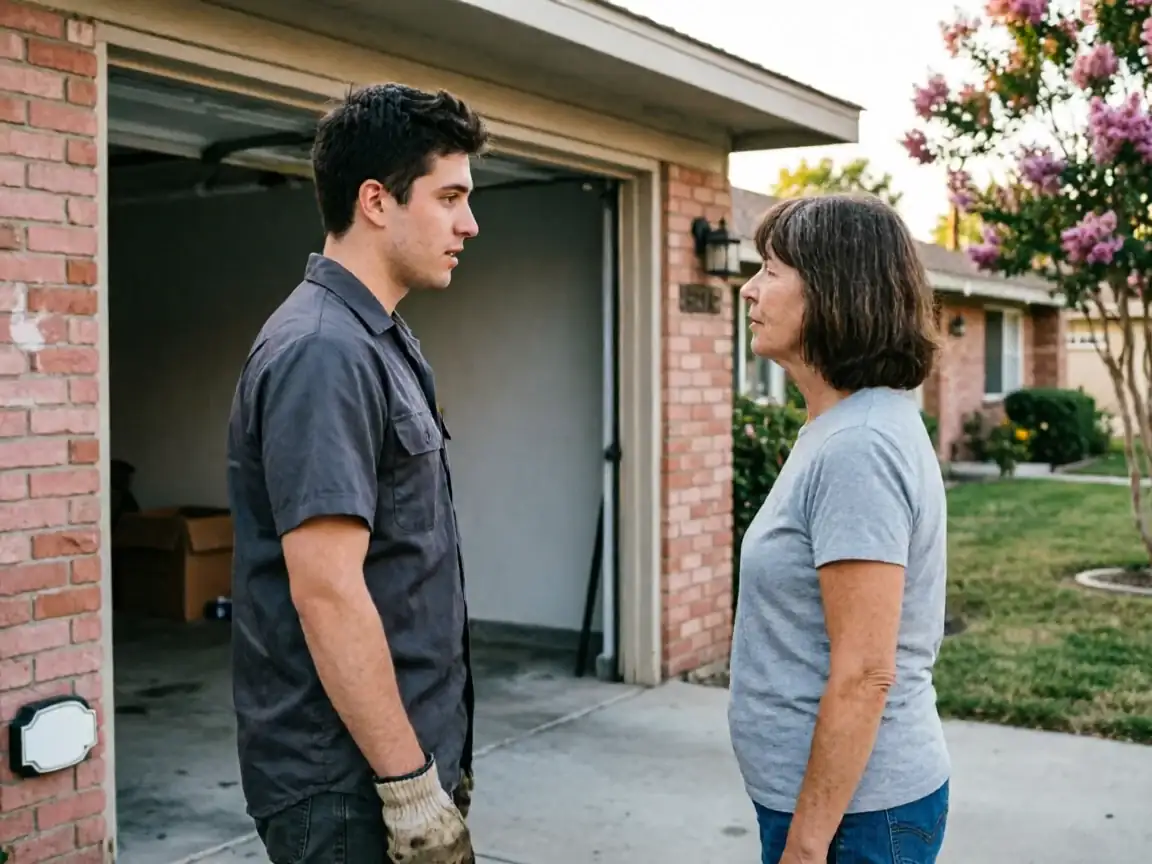
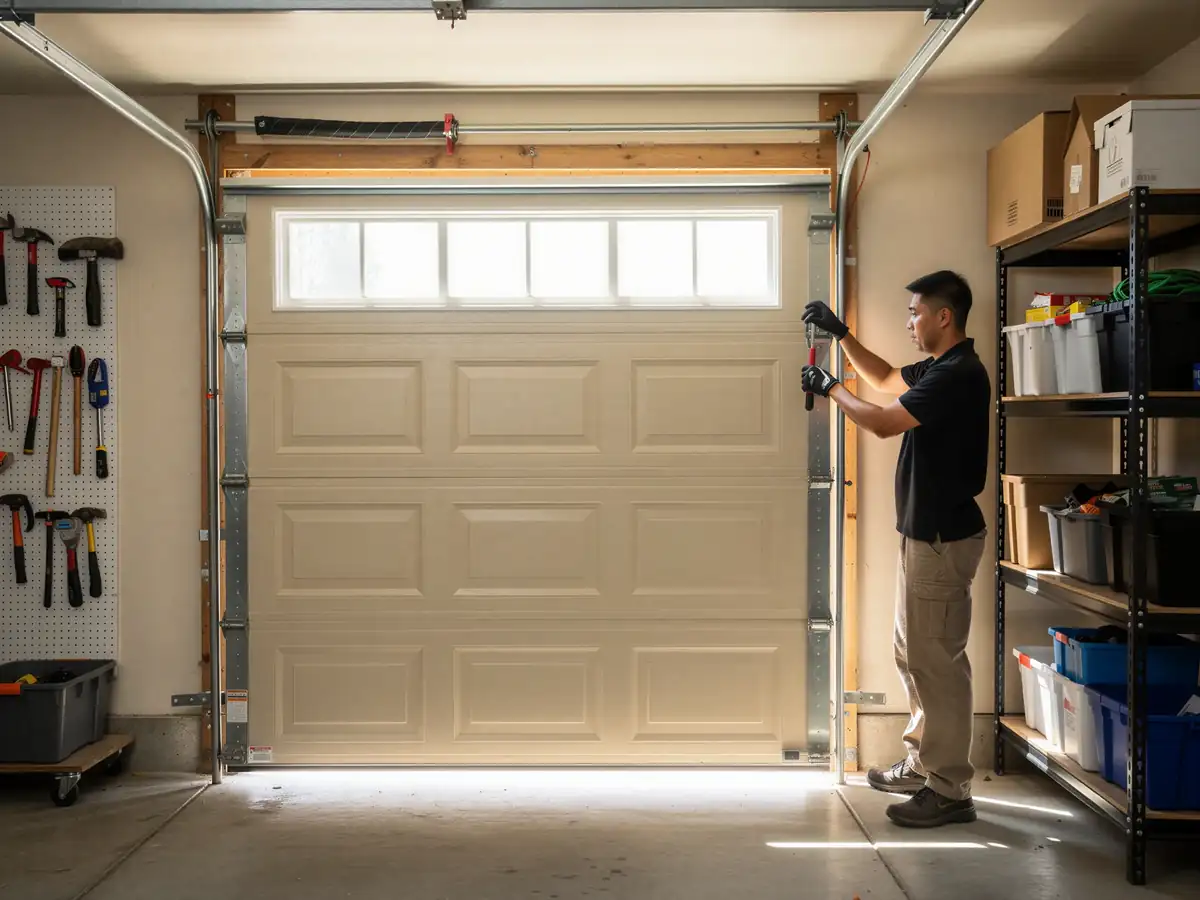
The biggest surprise on an older Lancaster opening isn't the door - it's what's behind it. Framing from the 1990s wasn't always built to current opening widths, so a new standard-size door sometimes needs jamb work to fit square, which adds labor that wasn't in the original quote. Headers can also be undersized for a heavier insulated door than whatever was there originally, and that's not something we catch until the old door's off the wall. On the hardware side, older torsion setups sometimes use a shaft or drum size that doesn't match current spring stock, which means a short delay while we source the right part instead of forcing a mismatch. None of this is common on every job, but across a household base this size, with a housing stock spanning several decades, we see it often enough that we flag it before we start rather than after. We'd rather tell you the honest number before the door's off the hinges than surprise you with a change order mid-install.