Can You Do This Yourself
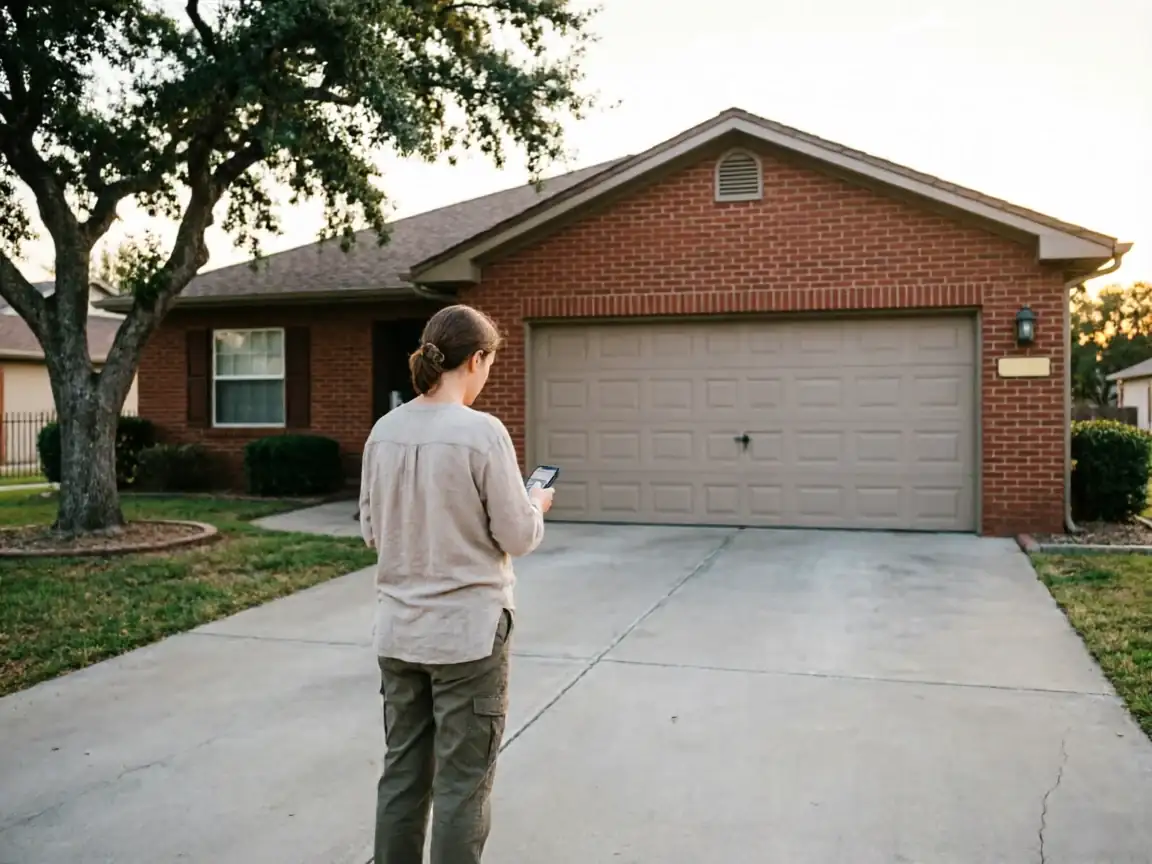
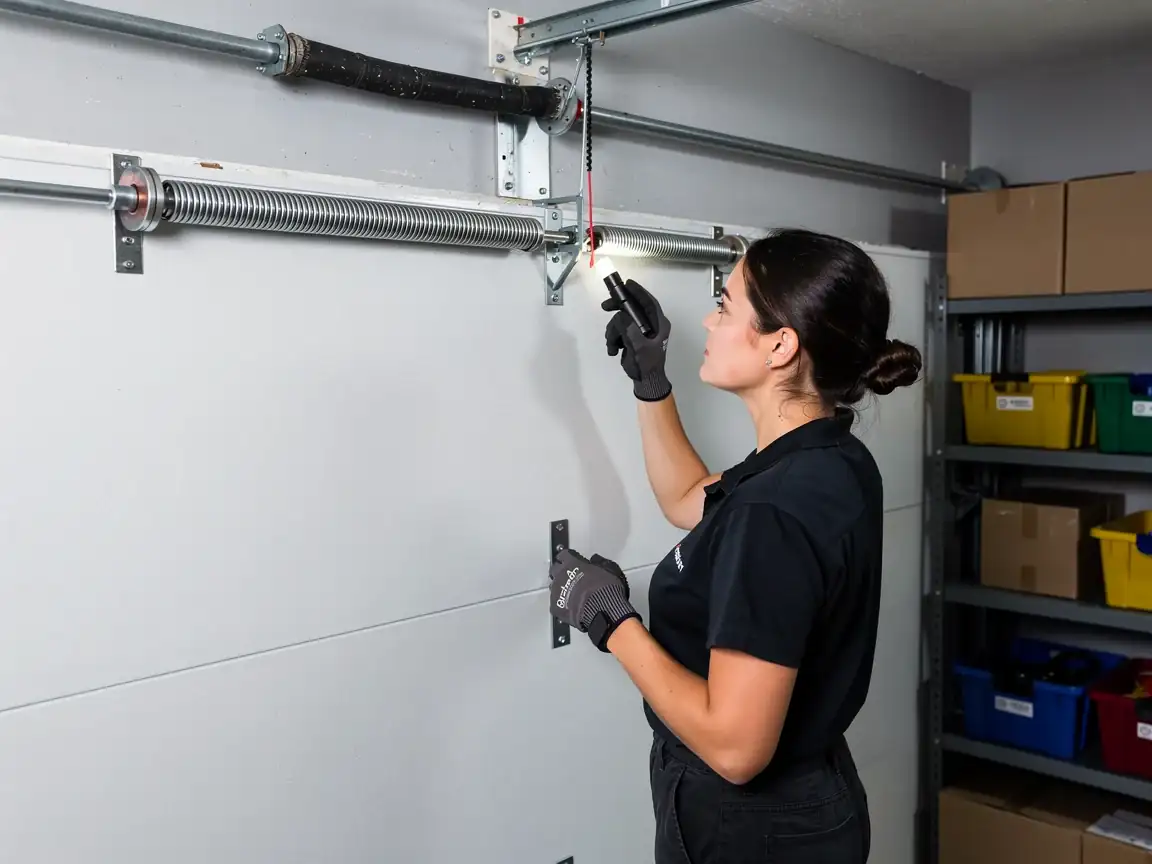
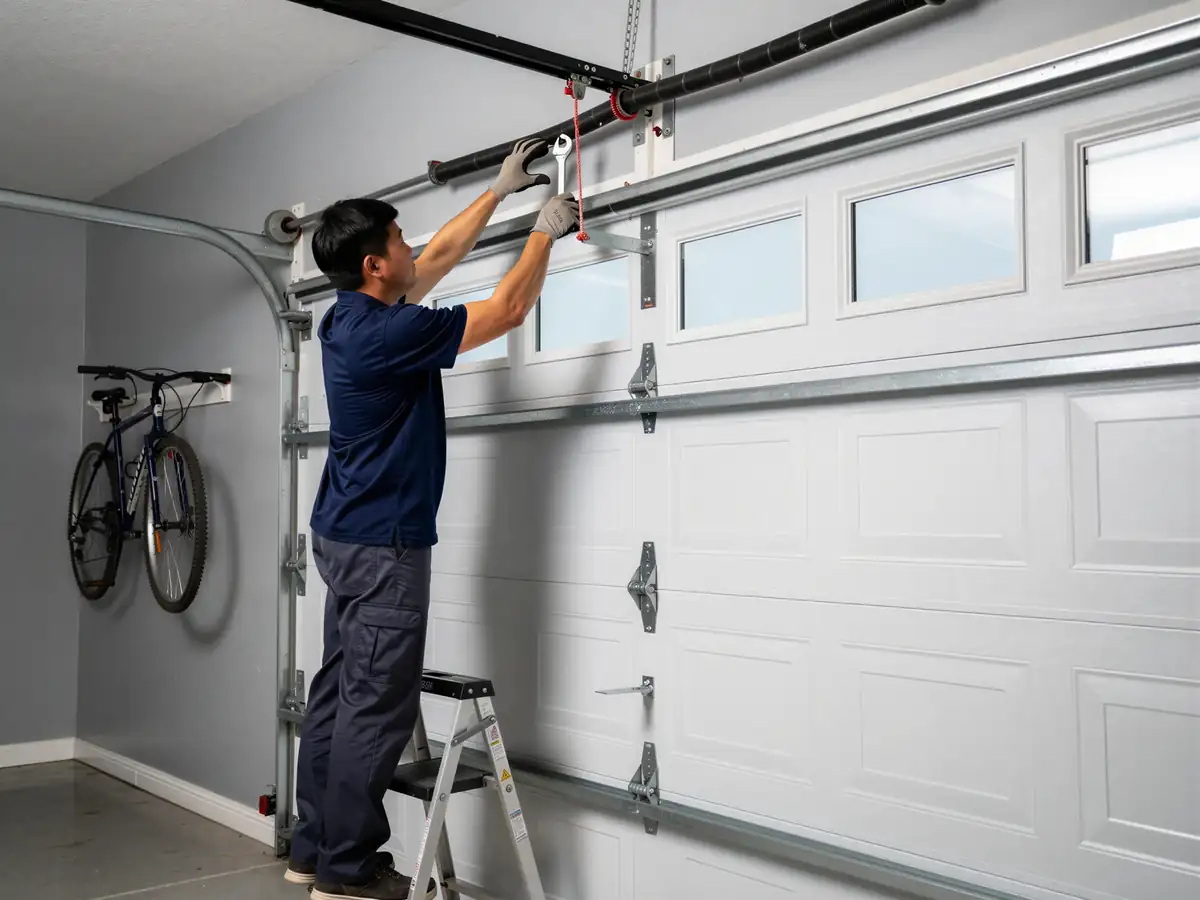
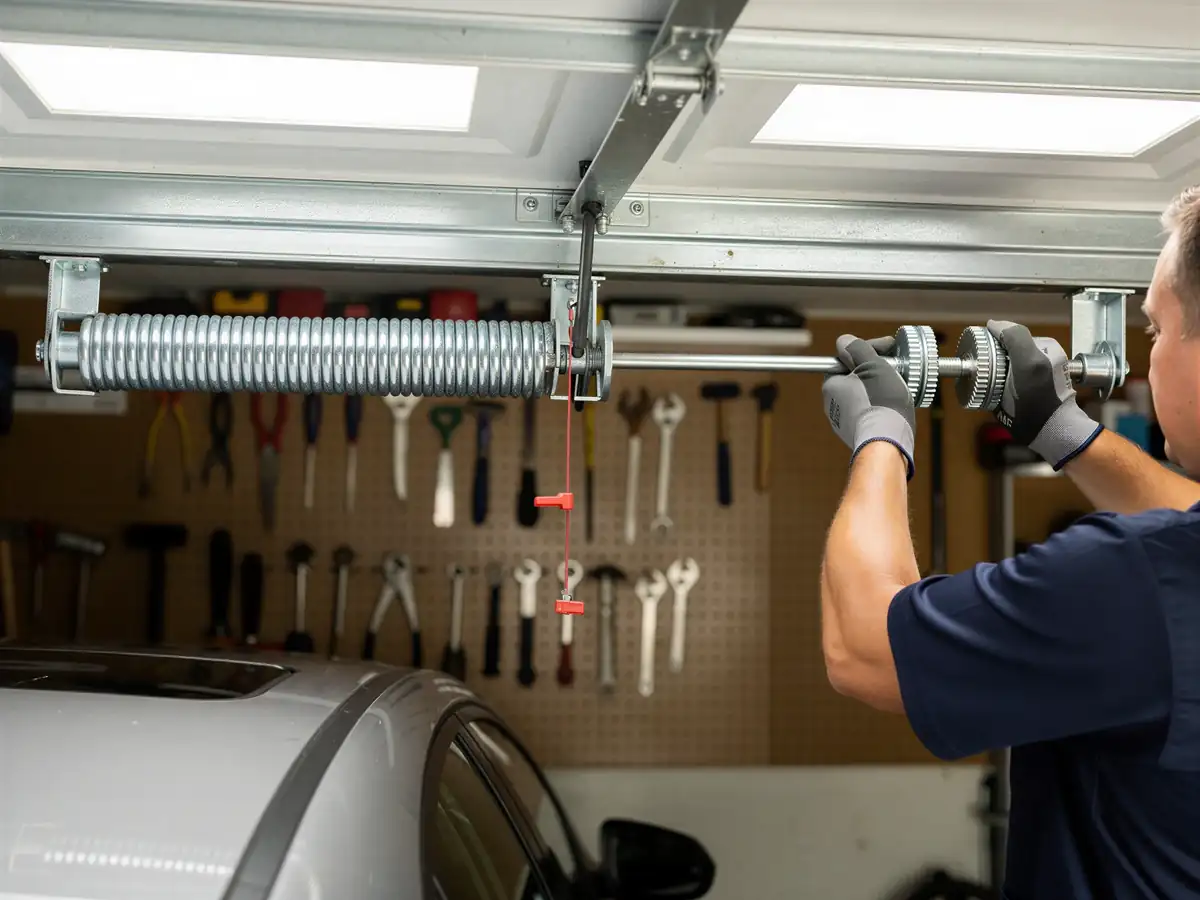
A single dented or cracked panel on a sectional door can sometimes be swapped without touching springs, if you can get the section unbolted from the stiles without the whole door racking. The catch with a house built around 1990 is that the fasteners and the roller brackets have usually never been off since the door was installed - over three decades the bolts gall, the brackets bend when you try to free them, and what looked like a one-panel swap turns into replacing hardware you didn't plan to touch. If the door is a double and you're working near the bottom section, the torsion spring is loaded and close by, and that's not a place to improvise. We'd rather talk you through what to check before you buy a panel than have you call us after the door's off track.
What Is on the Truck
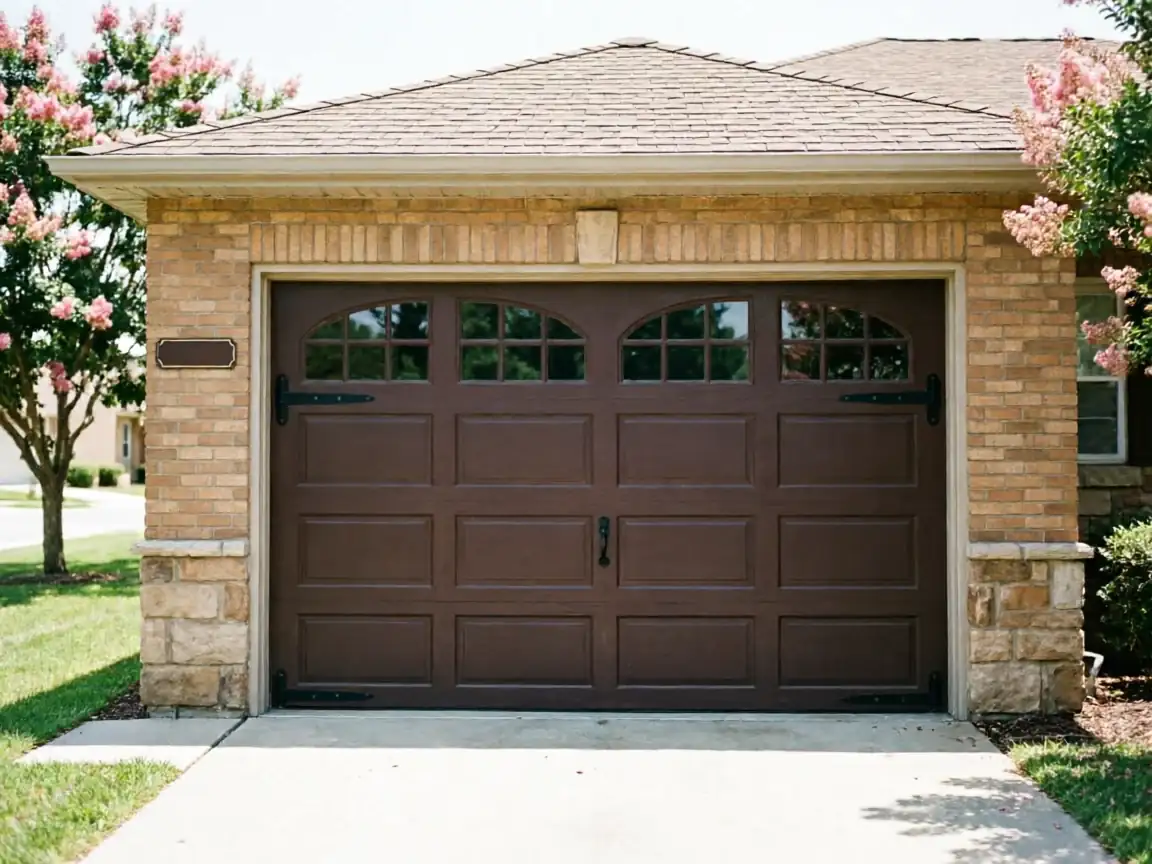
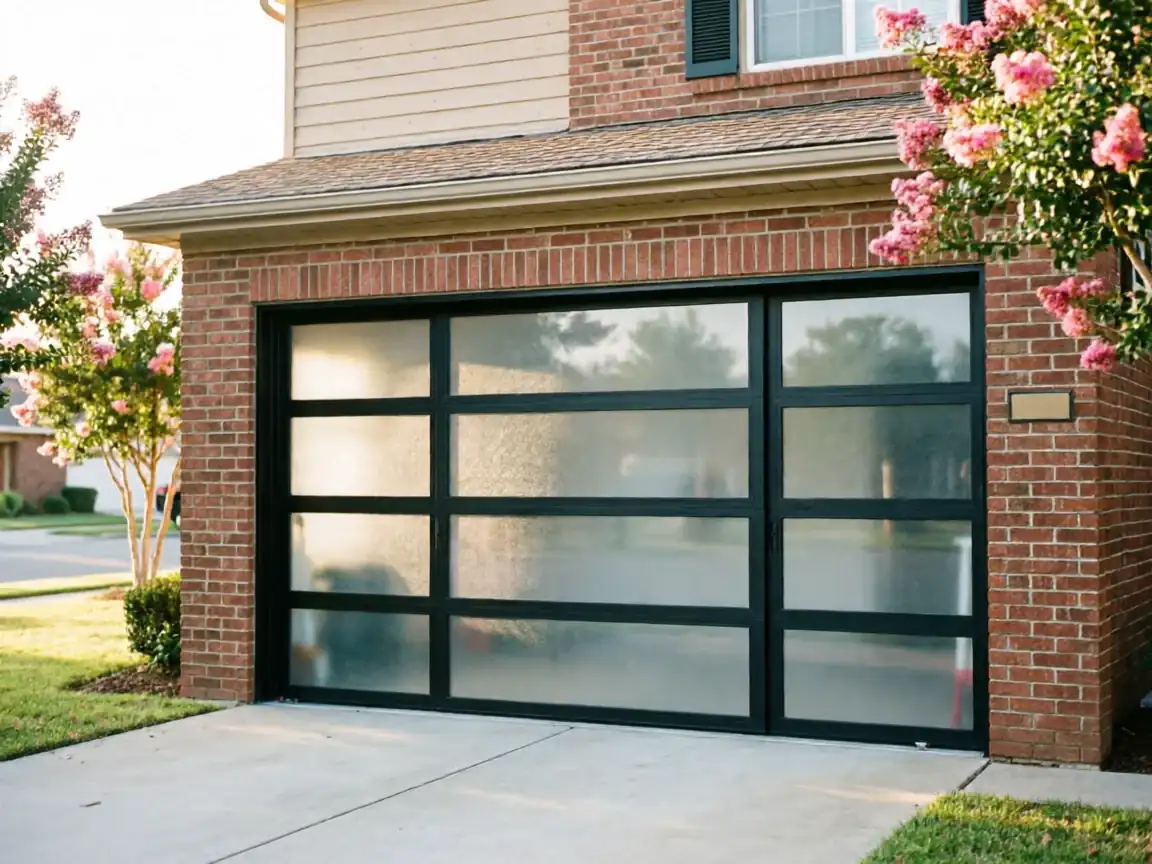
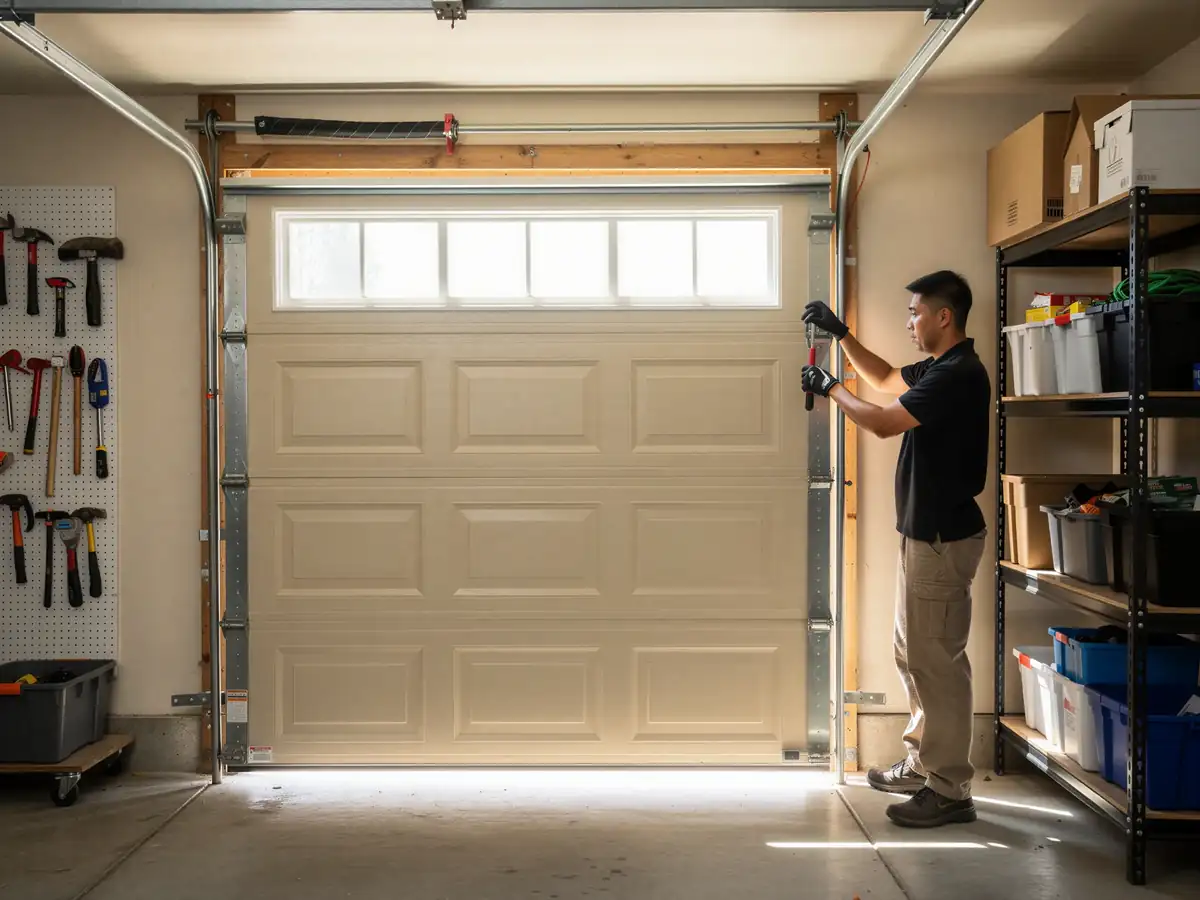
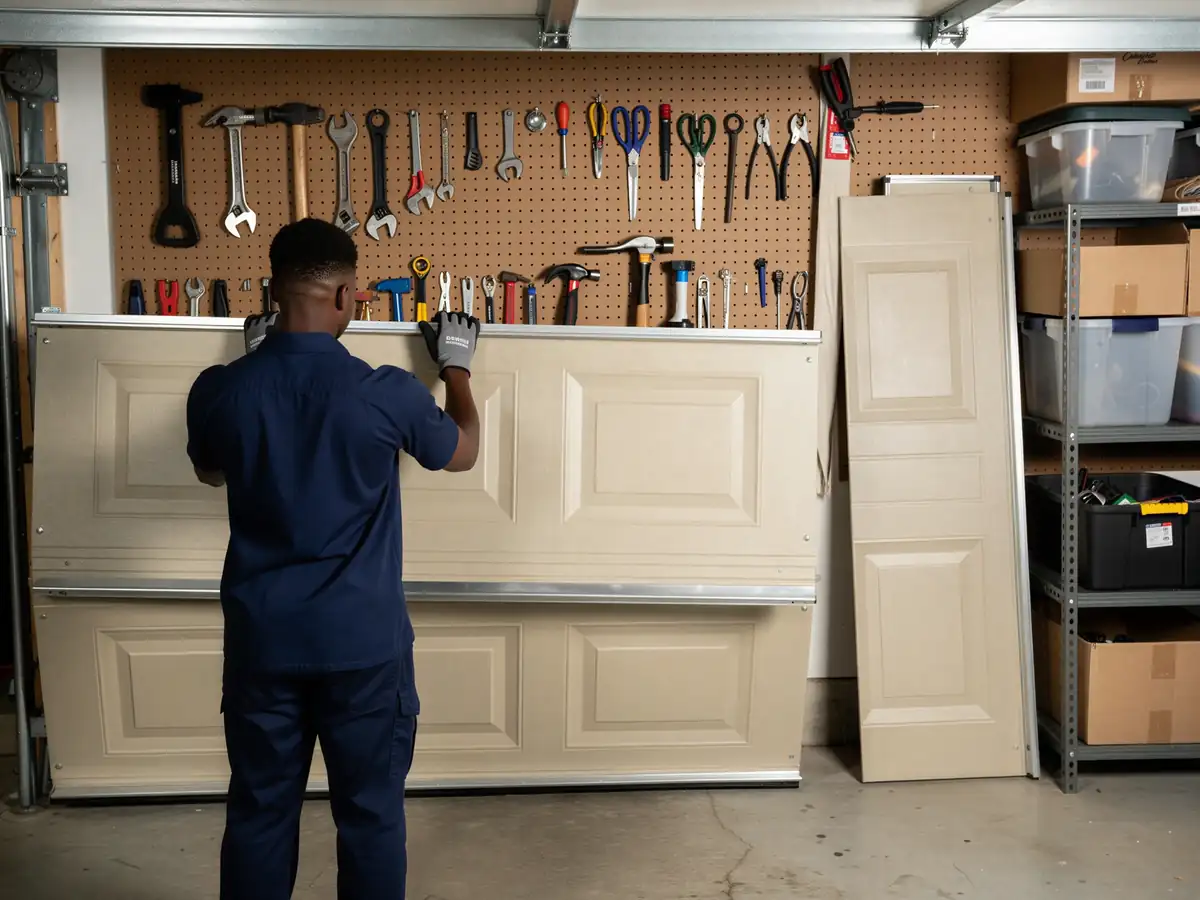
Because we're coming from Cedar Hill rather than working out of a Lancaster yard, what's on the truck is what decides whether this is a one-visit job. We carry common steel panel widths and the standard hinge and roller hardware that fits doors from the 1980s-90s construction wave this area was mostly built in. What we can't carry is every obsolete panel profile - if your door is an older style no longer made in a matching finish, we'll show you the options (patch versus full section replacement versus a new door) rather than force a mismatch. We also carry the fasteners and end stiles that tend to have corroded or stripped on original hardware this age, since swapping just the dented skin and leaving worn brackets in place rarely holds.
The Symptom
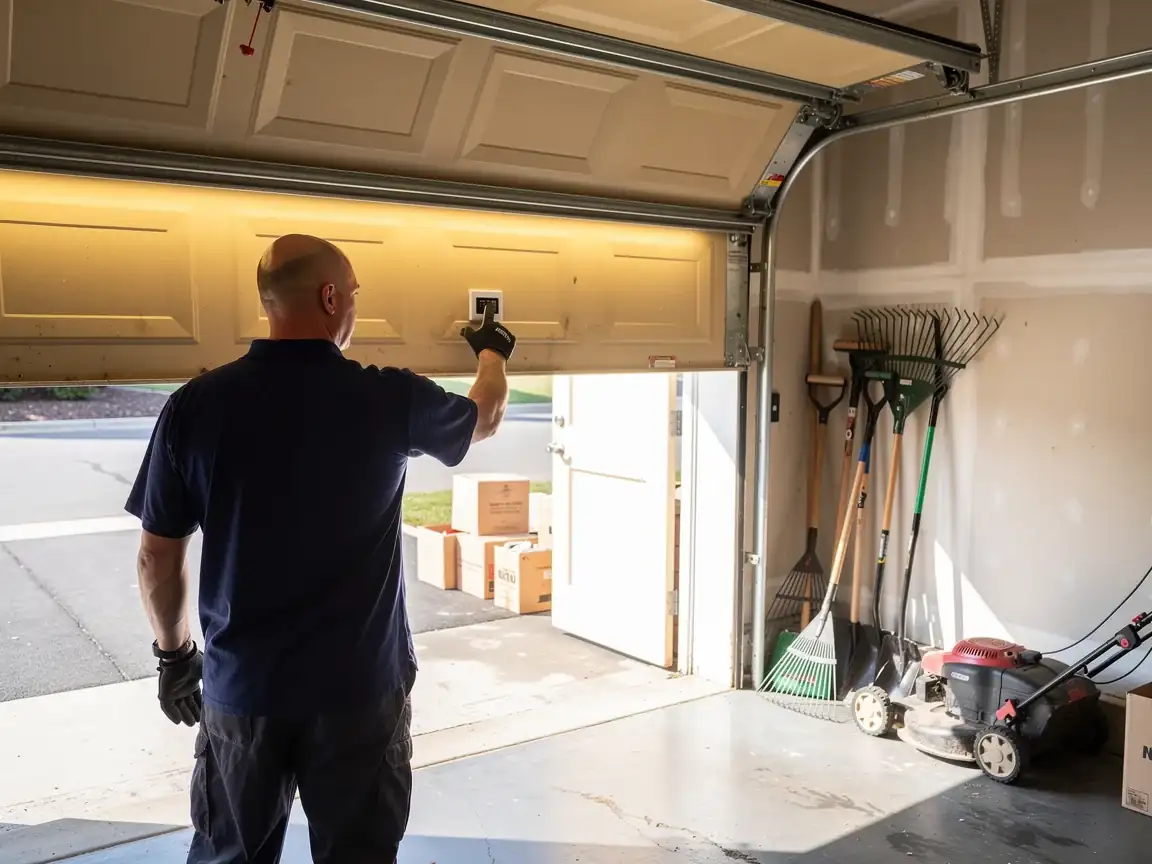
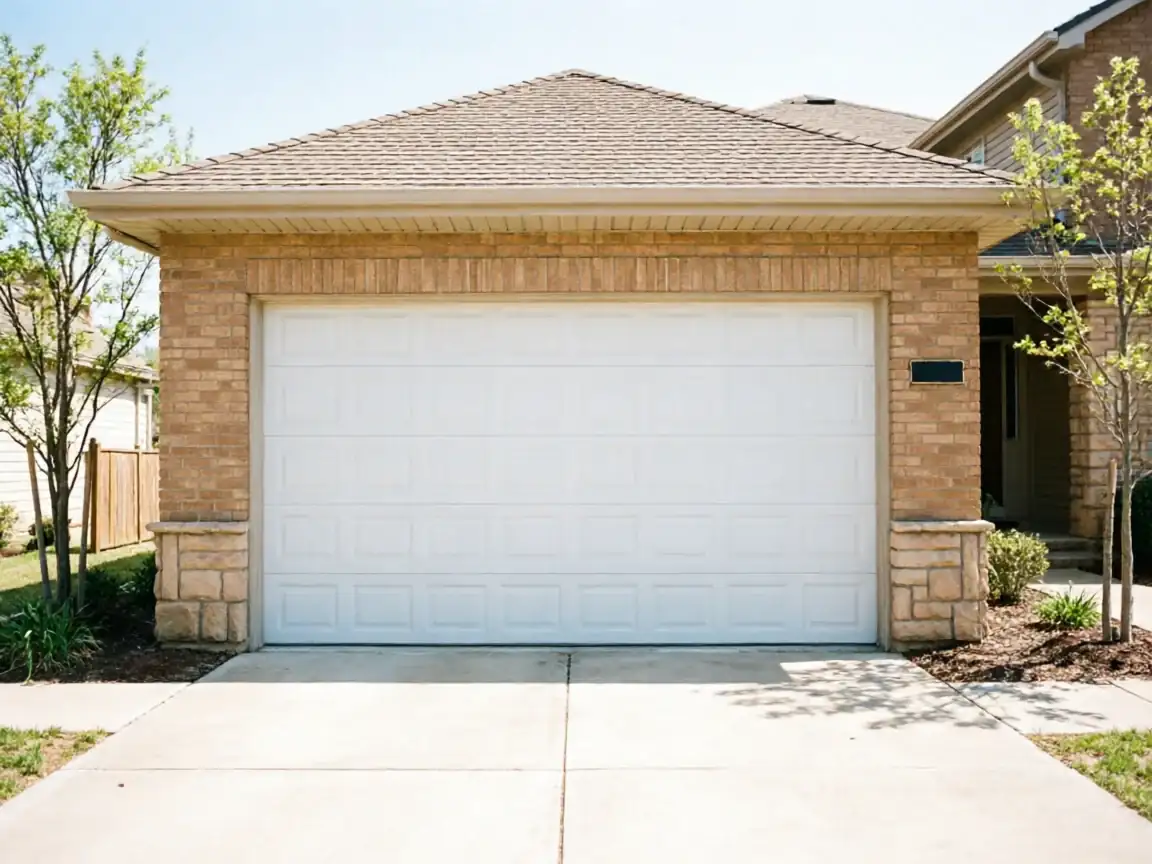
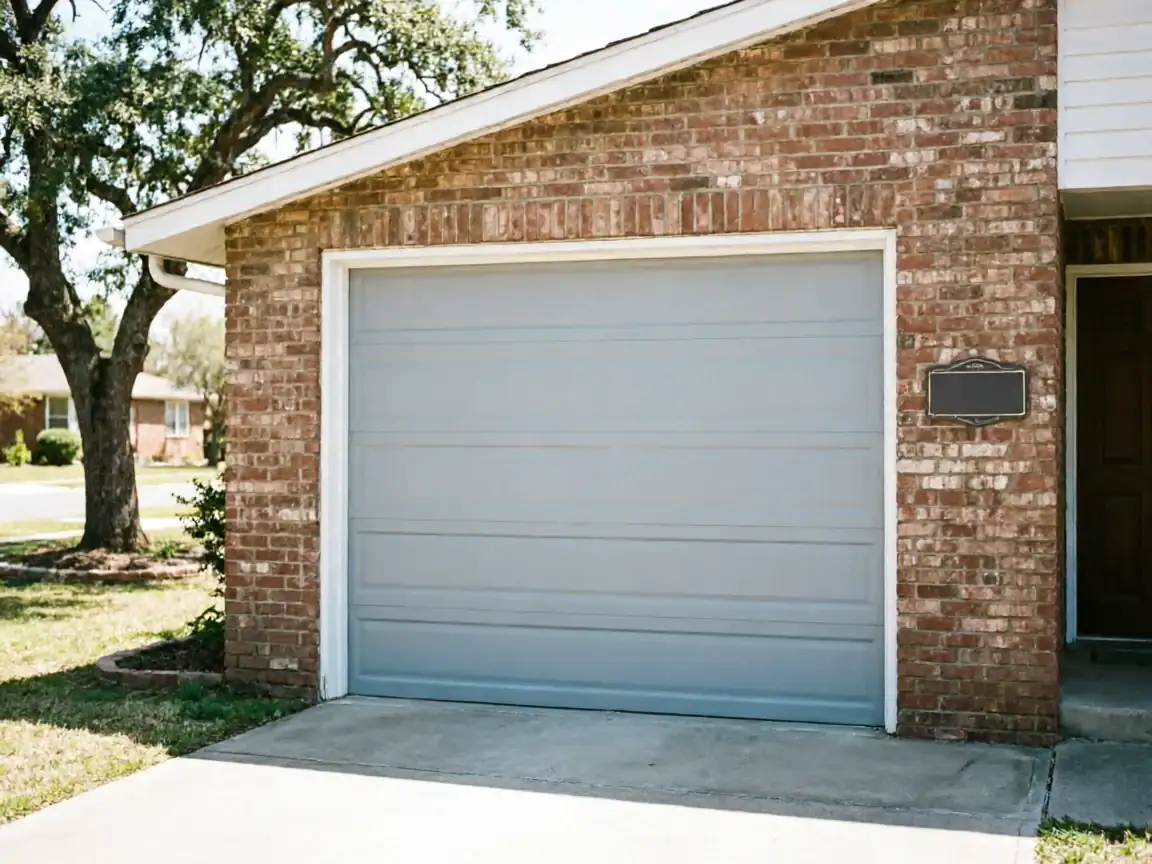
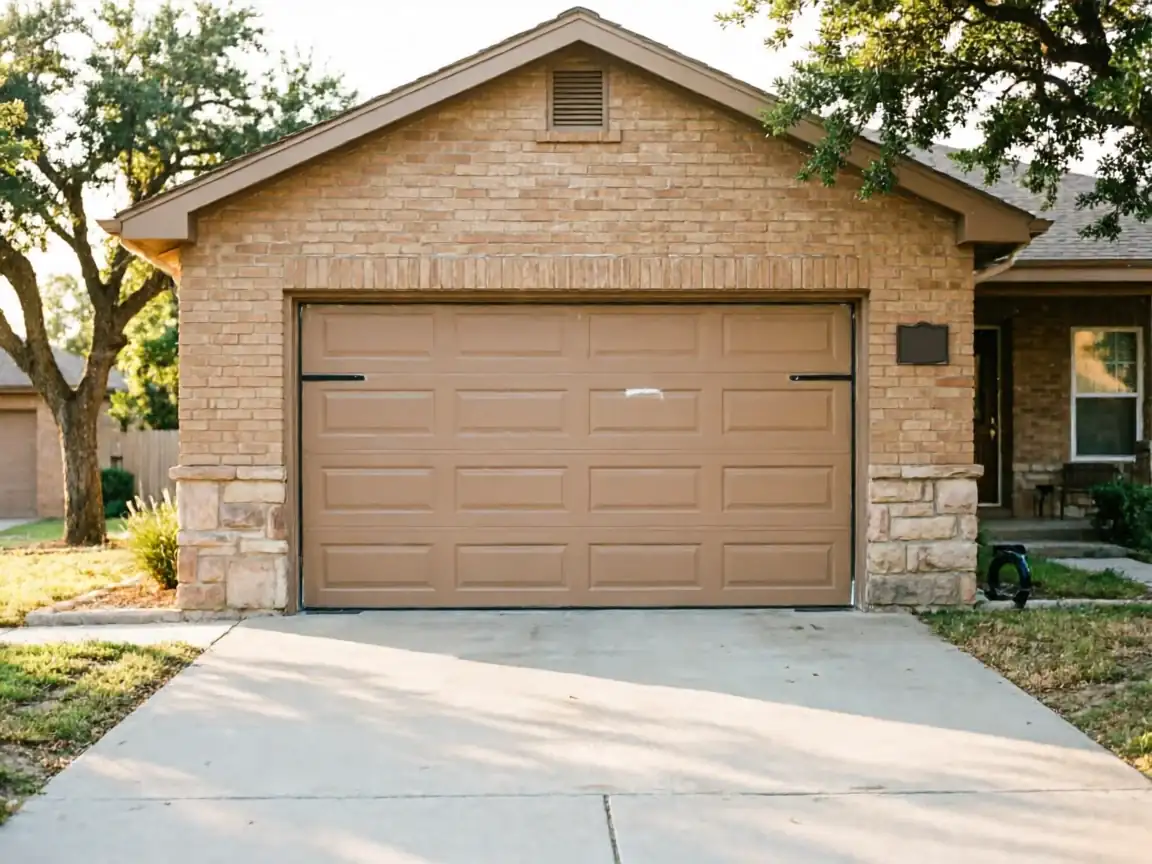
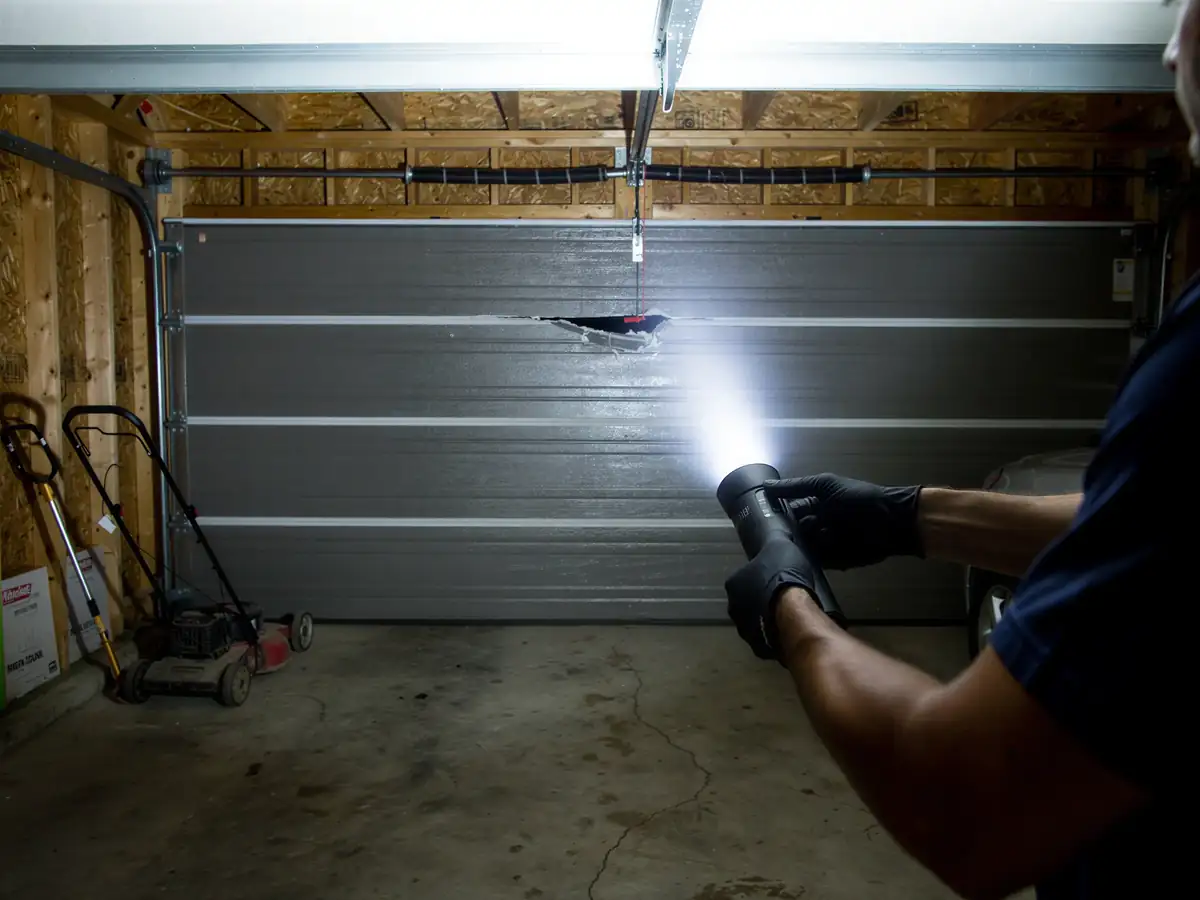
The call we get from this part of the service area is usually a dent from a backed-into car, a cracked panel from a wind-blown branch, or a bottom section that's rusted and buckled from years of ground moisture. Less often it's a panel that's simply delaminated - the two steel skins separating from the foam core, which shows up as a wavy or bulging face on a door that's never been hit. On a door installed around 1990, delamination is common even without damage, because the foam-core construction from that era doesn't hold up as long as current doors. If the rest of the door is sound, we replace just that section rather than the whole door.
What Can Go Wrong
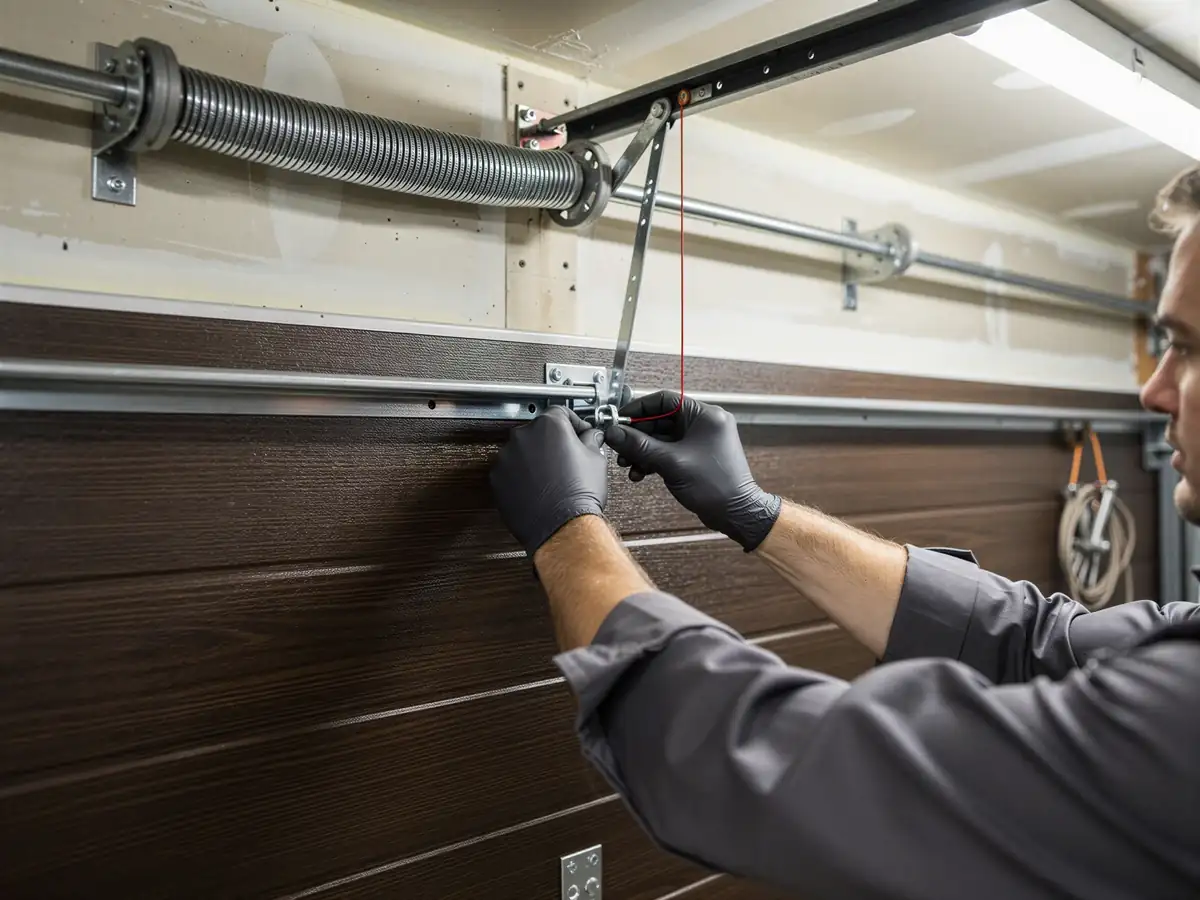
The main risk with panel swaps on older doors is hardware that looks fine until you put load back on it. Hinges that have never been replaced can crack right at the bolt hole once they're removed and reset, and a track that's been slightly bent for years will show it the moment a new, straight panel goes in next to the old ones - suddenly the door binds where it never used to. We check for both before we call the job done, but if we find the track or the opposite hinge is failing too, we'll tell you rather than send you a door that works for a week and then doesn't. On a household budget, replacing one section now and a worn hinge set later is usually cheaper than waiting for both to fail at once.