Can You Do This Yourself
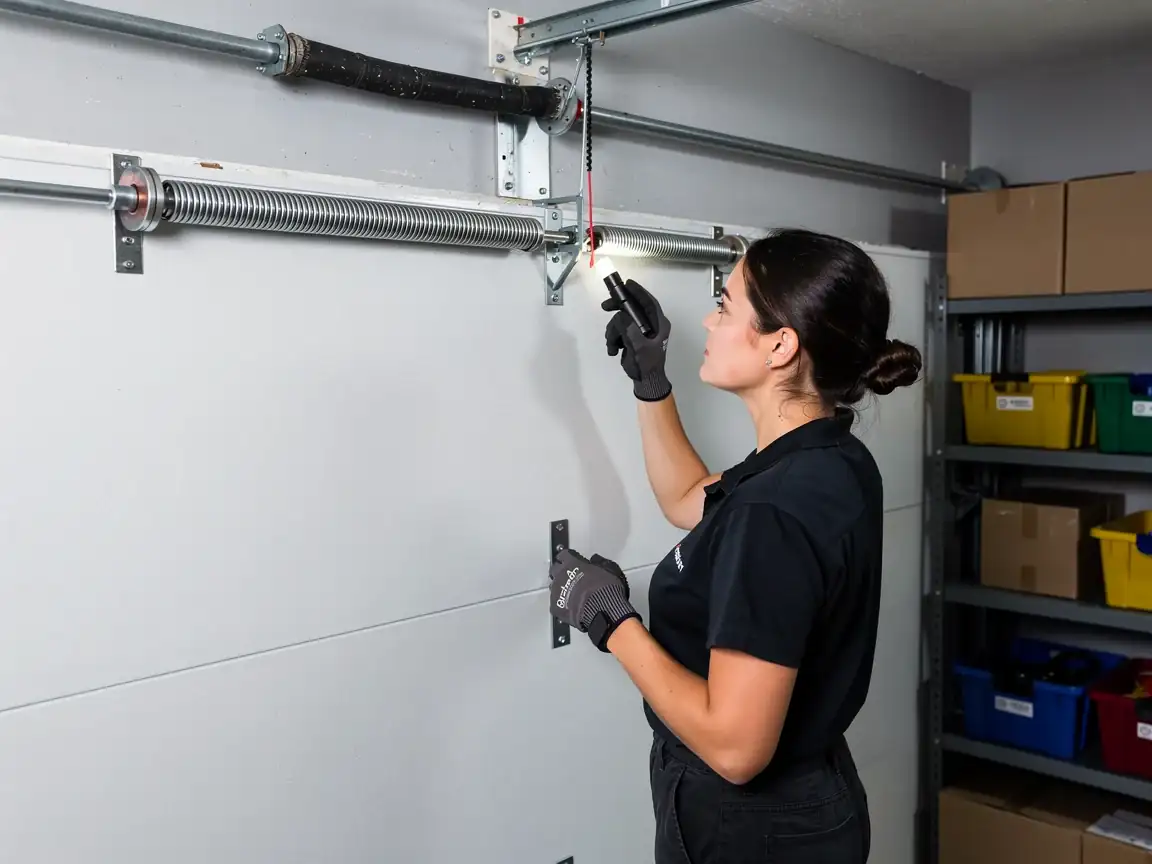
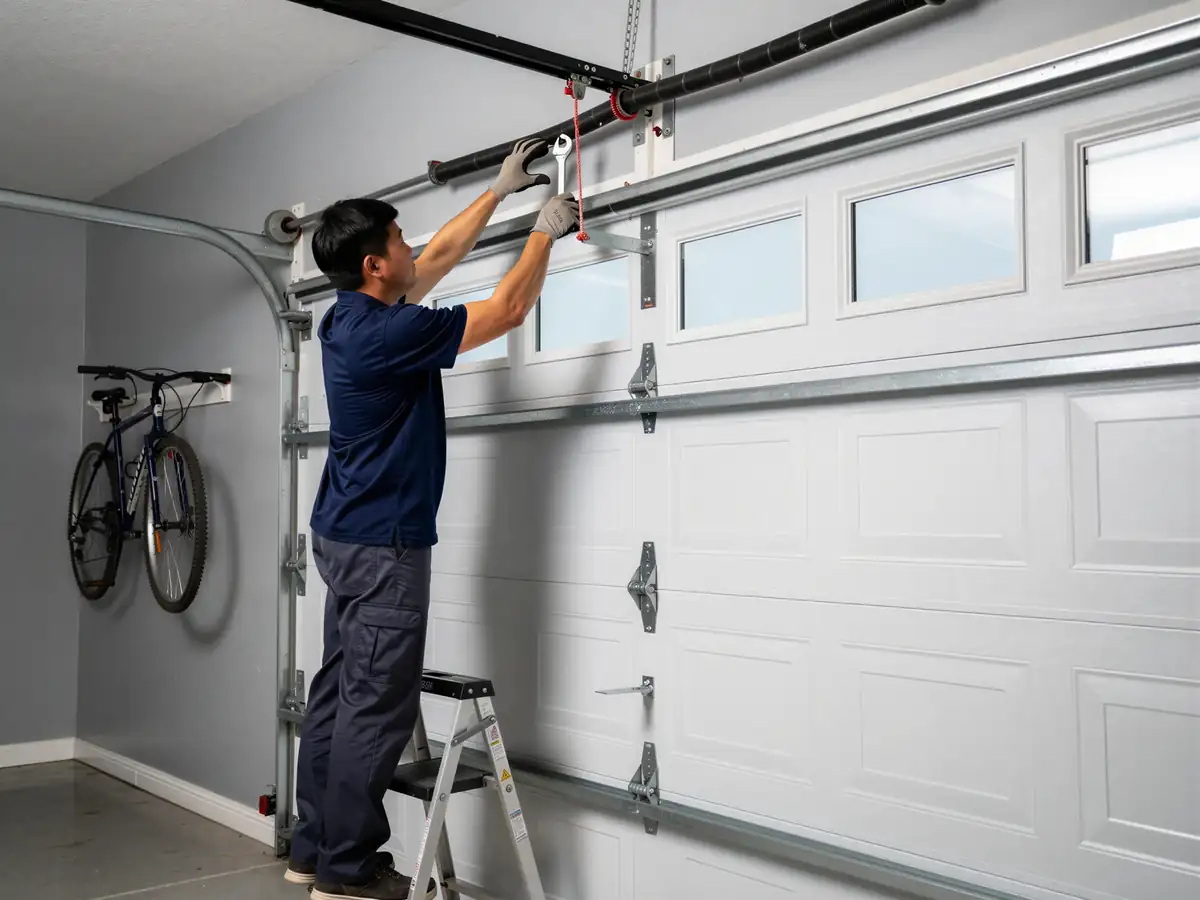
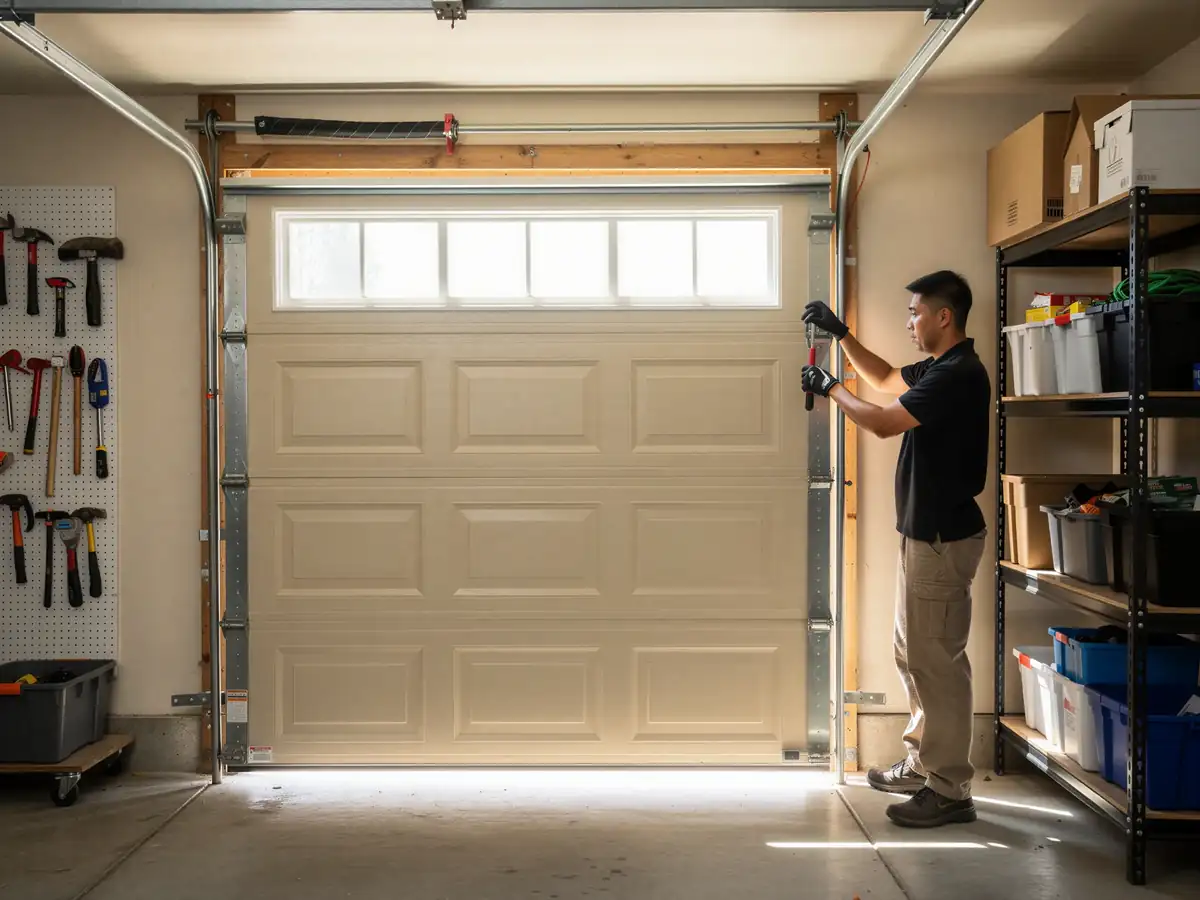
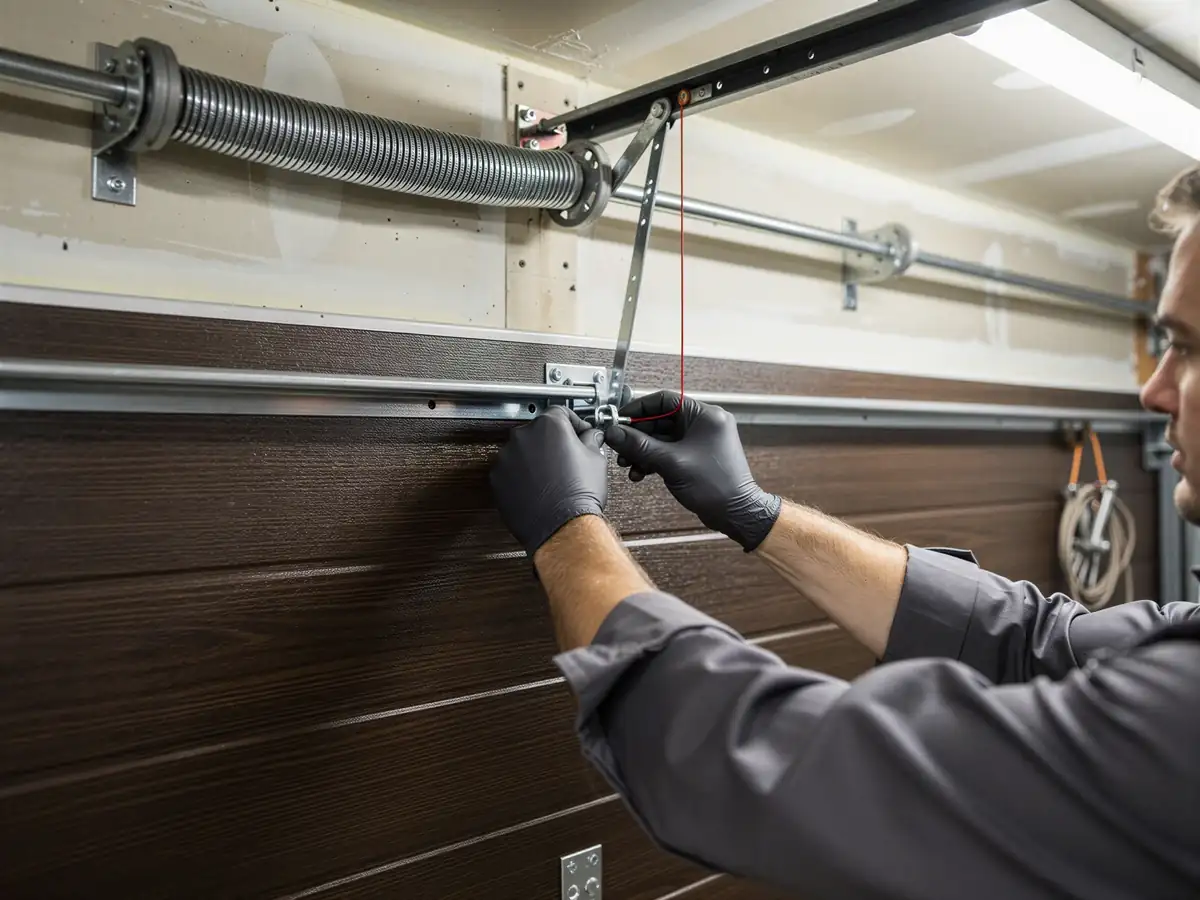
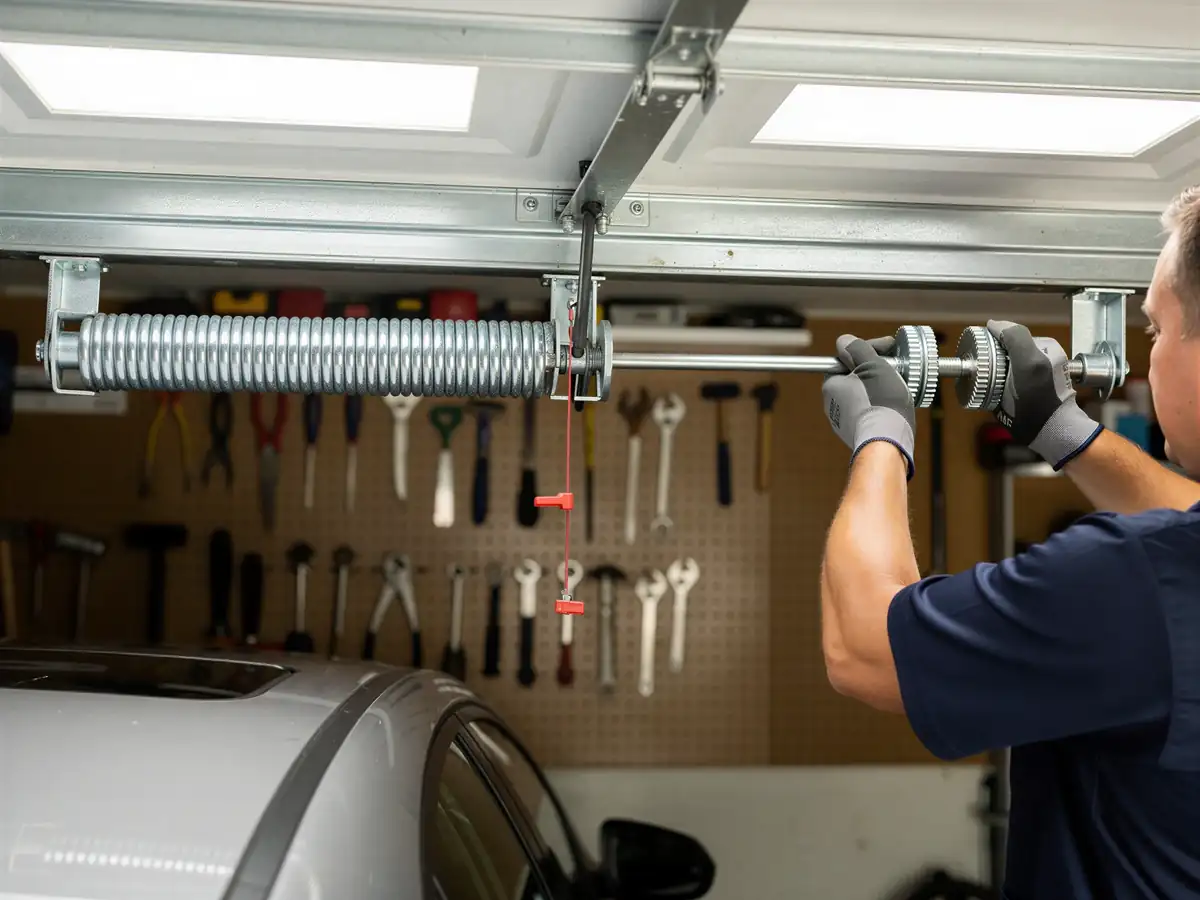
A torsion spring holds enough stored tension to break a hand or worse, and that doesn't change based on what year your house was built. If your door is original to a Lancaster home from the early 1990s, the spring has likely never been replaced, which means it's wound at factory tension on hardware that's over three decades old - the winding cones, the shaft, the end bearing plates can all be fatigued in ways you can't see from the floor. Extension springs on older single-car doors are a different animal and somewhat more forgiving, but still not a safe DIY swap without the right bars and clamps. We're not going to tell you it's impossible - plenty of people with the right tools do it. We are going to tell you that most of the Lancaster calls we get are from people who started the job themselves and stopped when the cone wouldn't turn or the cable jumped the drum.
What Is on the Truck
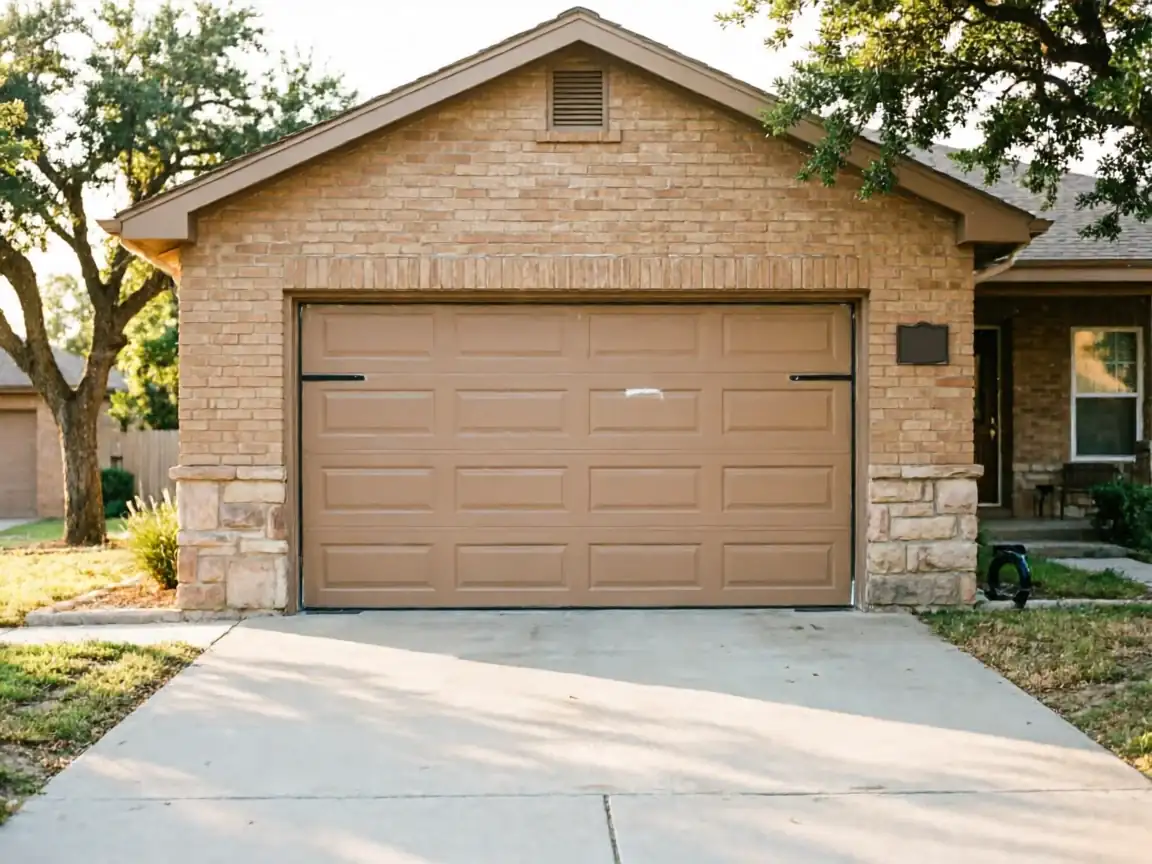
We stock torsion springs sized for the steel sectional doors common to houses built between 1969 and 2014 across this service area, which covers the bulk of what's on the street in Lancaster. That means standard wind, standard shaft diameter, and the winding cones that fit 1980s-through-90s production doors without a special order. What we don't carry is every spring size for custom or high-end doors - if your door was swapped out for something wider or taller than the original 1990s-era opening, we may need to order a part rather than have it on hand. We'd rather tell you that up front than have you wait on the truck for something that isn't in it.
The Symptom
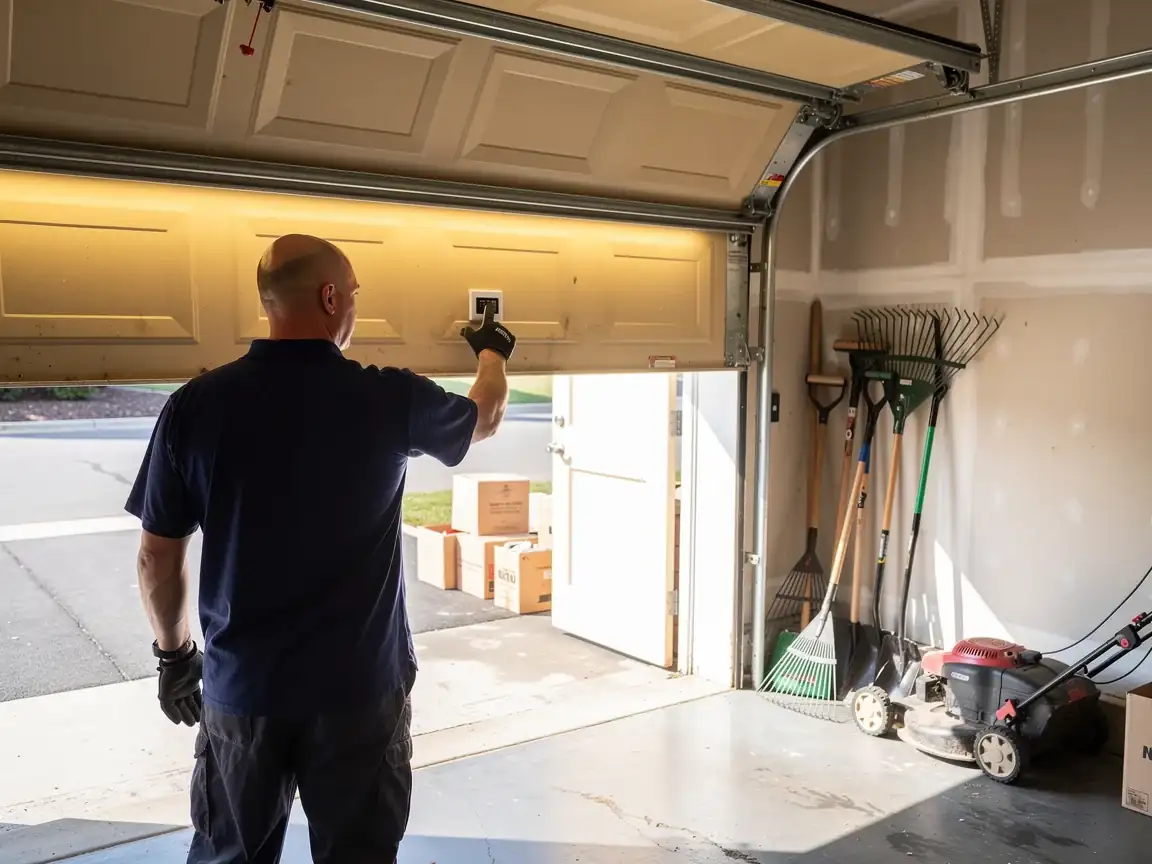
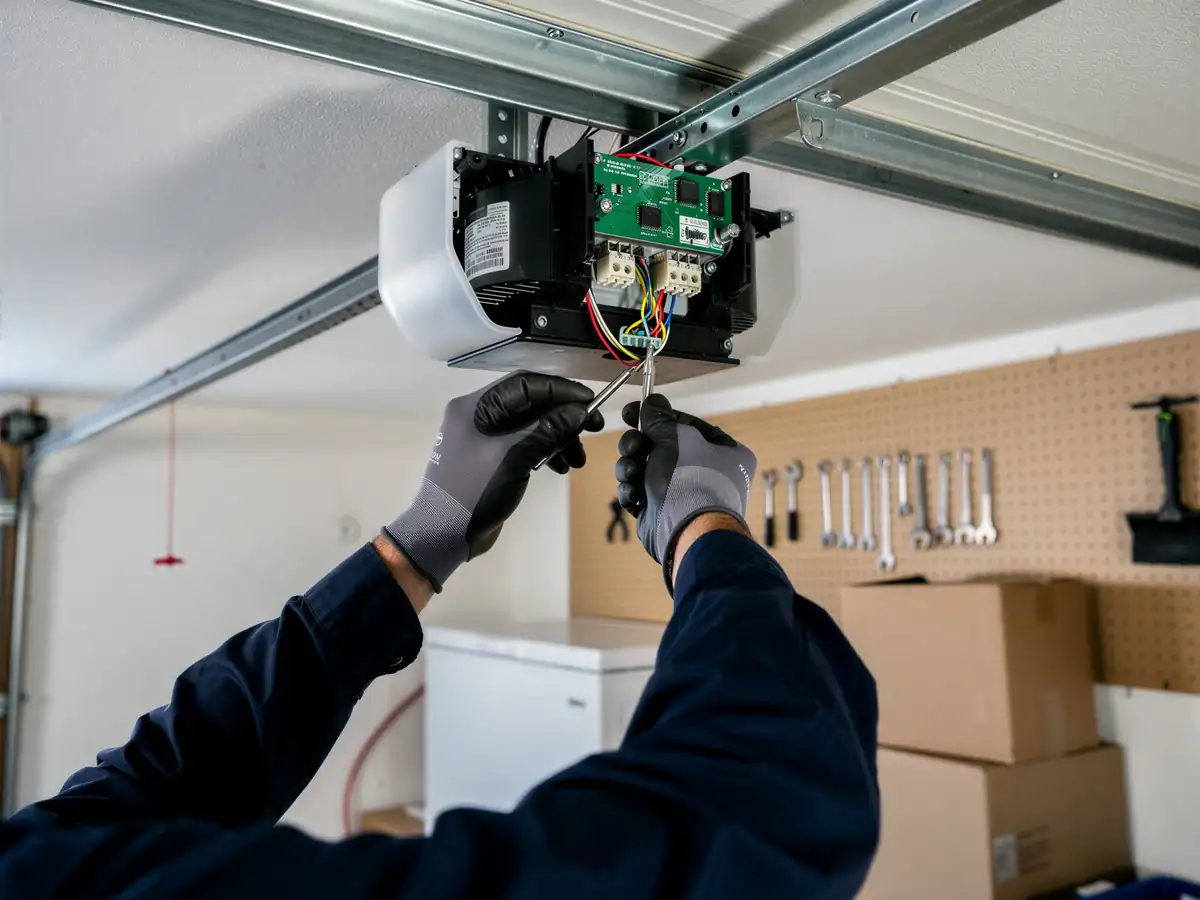
The door that won't stay up past waist height, or drops the second you let go of it - that's a dead torsion spring, full stop, on almost every steel sectional door from this era. A door that opens fine but sounds like a gunshot from the garage first is usually the spring breaking, not something electrical. If the opener strains and reverses partway up, the motor is doing the spring's job and will burn out trying. None of these symptoms are unique to new construction or custom doors - they're exactly what you'd expect from a door built when Lancaster's housing stock was going up, now at the age where original springs are reaching the end of their cycle count.
What Can Go Wrong
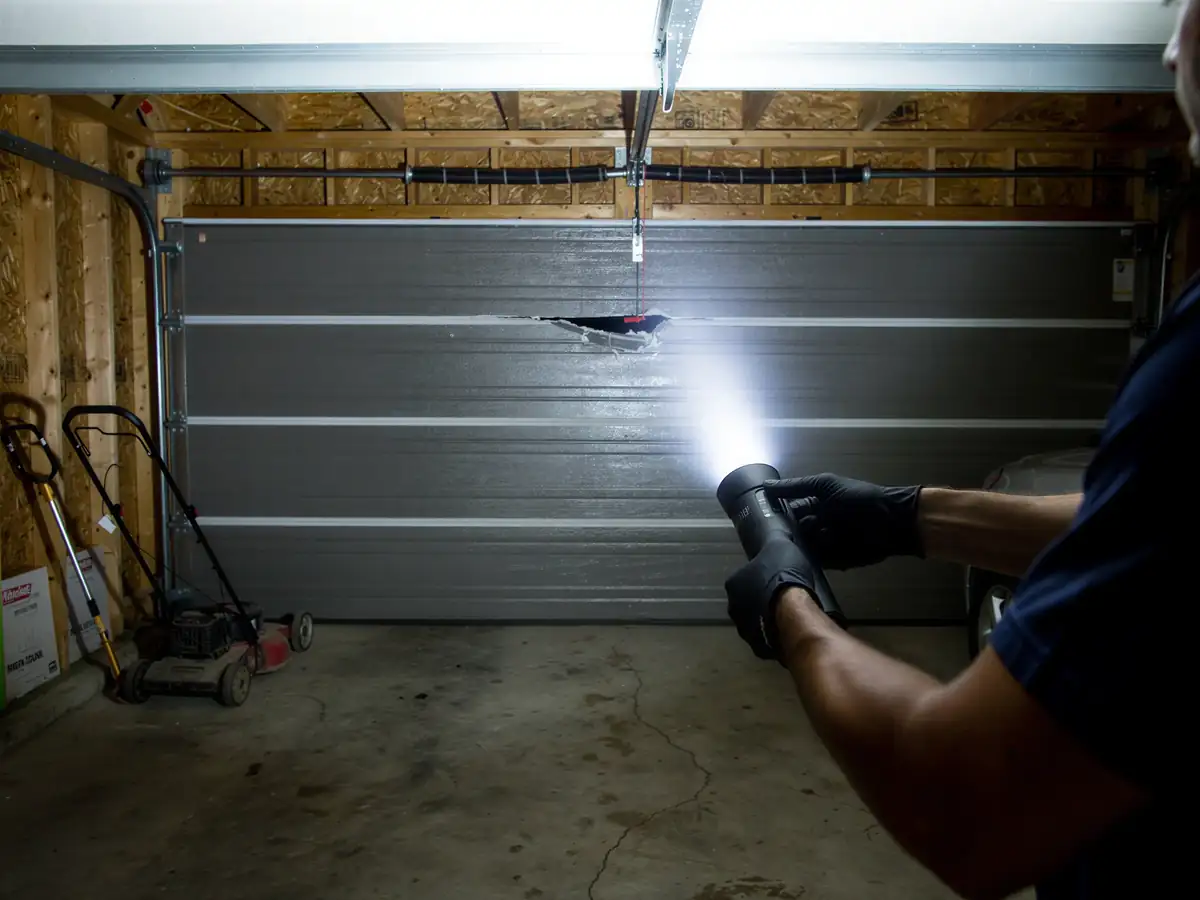
Replace the spring without checking the rest of the system and you can end up calling again in a month for a cable that jumped the drum, because the drum was already grooved from running on a weak spring. On older single-car doors still running extension springs instead of torsion, the containment cables matter - without them, a broken spring can whip loose. And on a door that's taken on water or warped over 30-plus years, a new spring won't fix a panel that's binding in the track; that's a different job, and we'll tell you if that's what's going on rather than sell you a spring that won't solve it.